
Main Courses
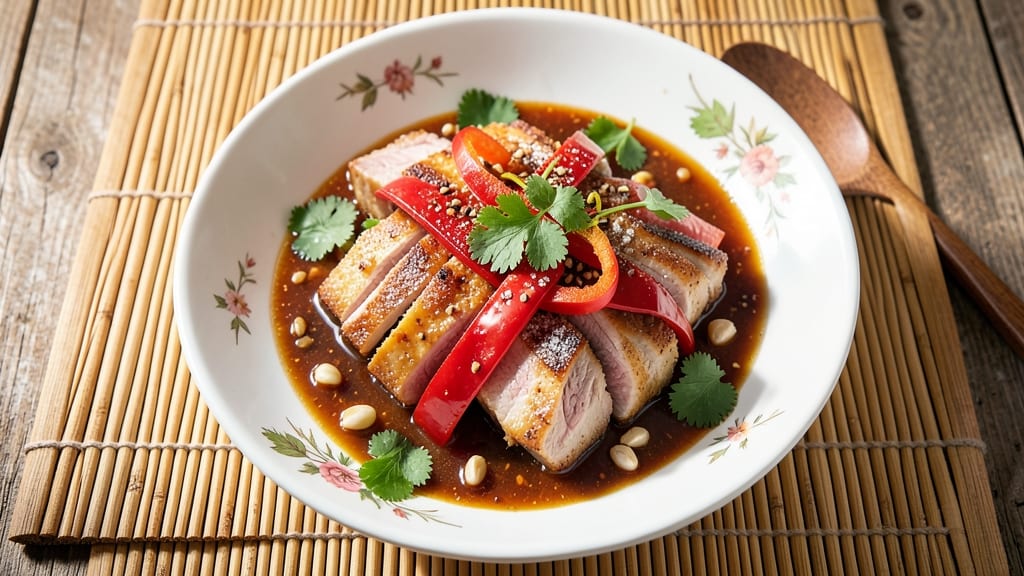
This Asian pork recipe idea transforms simple ingredients into bold flavors that transport you to a bustling street market in seconds. The magic lies in balancing sweet, spicy, and umami notes through a quick marinade and high-heat stir-frying—no fancy techniques required.
I've tested this method countless times, and it consistently delivers restaurant-quality results with just five core ingredients.
The foundation starts with tender pork slices marinated in a blend of sweet chili sauce, soy sauce, and a touch of garlic—this combination caramelizes beautifully during cooking, creating that signature sticky glaze.
The secret weapon is a quick wok hei technique (that smoky wok flavor) achieved by cooking over high heat for just 2-3 minutes. This method preserves juiciness while developing deep flavor in every bite.
What you'll end up with is a vibrant stir-fry featuring perfectly seared pork with crisp edges and tender centers, all coated in that addictive sweet-spicy sauce.
The dish stays true to its roots while being adaptable—swap in bell peppers for extra crunch or add a sprinkle of sesame seeds for nutty depth. It's the kind of meal that feels special without requiring hours in the kitchen.
Pair with steamed jasmine rice or noodles to soak up every last bit of that flavorful sauce. The beauty of this recipe is its versatility—it works as a quick weeknight dinner or an impressive dish for guests.
Let's get cooking with this Asian pork stir-fry that delivers big flavor with minimal effort.
Ingredients for asian pork recipe ideas
Five ingredients deliver restaurant-quality Asian pork stir-fry with bold sweet-spicy umami balance.
| Ingredient | Amount | Notes |
|---|---|---|
| Boneless Pork Loin 🥩 | 1 ¼ lb | Thinly sliced against grain |
| Sweet Chili Sauce 🍅 | ½ cup | Store-bought or homemade blend |
| Soy Sauce 🥄 | ¼ cup | Light or dark preferred |
| Garlic Cloves 🧄 | 4 cloves | Minced for marinade |
| Vegetable Oil 🫒 | 2 tbsp | High smoke point preferred |
| Red Bell Pepper 🧅 | 1 whole | Sliced into thin strips |
| Sesame Seeds 🌰 | 1 tbsp | Toasted for garnish |
| Green Onions 🧅 | 3 whole | Sliced for garnish |
| White Rice 🍚 | 1 ½ cups | Uncooked jasmine rice |
| Salt 🧂 | ½ tsp | Kosher or sea salt |
| Black Pepper 🌶️ | ¼ tsp | Freshly ground |
| Cornstarch 🌾 | 1 tbsp | For tenderizing pork |
The pork loin is critical here—look for center-cut slices with visible marbling for tenderness. Costco or Whole Foods carry pre-sliced pork loin that's perfect for stir-fries, but if buying whole, slice against the grain for maximum tenderness. The sweet chili sauce should be vibrant red with no artificial aftertaste; Maesri or Huy Fong brands deliver consistent quality. Garlic cloves should be plump and firm, not sprouting or soft—this ensures maximum flavor without bitterness. For the oil, avocado or refined sesame oil work best due to their high smoke points, which are essential for achieving that signature wok hei flavor.
No sweet chili sauce? Mix 3 tbsp ketchup with 1 tbsp soy sauce and 1 tsp sugar for a quick substitute. Swap soy sauce for coconut aminos if avoiding gluten, though traditional soy delivers deeper umami. The bell pepper can be any color—red, yellow, or orange—but organic varieties taste fresher with thicker skins. For extra crunch, add shredded carrots or snap peas alongside the bell pepper. The cornstarch step is non-negotiable—tossing the pork in cornstarch before cooking creates that perfect crispy exterior while keeping the interior juicy. If you're short on time, substitute 1 tbsp arrowroot powder for the cornstarch.
Marinate the pork for at least 15 minutes (up to 2 hours) to maximize flavor penetration. Store leftover pork in an airtight container for up to 3 days in the fridge, though it reheats best when used within 2 days. The cooked rice keeps for 4-5 days in the refrigerator, and the stir-fry sauce can be stored separately for 5 days—simply reheat both components together before serving. For meal prep, I recommend cooking the rice and stir-fry separately, then assembling when ready to eat to maintain optimal texture. The sesame seeds and green onions should be added fresh just before serving to preserve their vibrant colors and crisp textures.
Why You'll Love This Recipe
- Five-Ingredient Magic: This isn’t one of those recipes where you need a pantry full of obscure spices. Just pork loin, sweet chili sauce, soy sauce, garlic, and oil—stuff you already have lurking in your fridge or cabinet. Honestly, I’ve made this with whatever was in my drawer, and it still tastes like a restaurant dish.
- Savory-Sweet Balance: That first bite of caramelized garlic hitting your tongue, then the sweet chili sauce cutting through the richness? It’s the kind of flavor combo that makes you pause mid-bite. The soy sauce ties it all together without overpowering—like a well-written joke, it lands just right.
- Weeknight to Party Table: Throw it on the grill for a backyard BBQ, serve it cold in lettuce wraps for a lazy Sunday, or toss it into a stir-fry when you’re scrambling for dinner. Between us, I’ve even used leftover slices in rice bowls the next day, and no one batted an eye. It’s that adaptable.
- Leftovers That Don’t Suck: Most pork dishes dry out or get soggy when reheated, but this one? It’s forgiving. Store it in the fridge for up to four days, and reheat it in a pan with a splash of water—crispy edges, juicy center, every time. (Yes, even on a Tuesday night.)
Step-by-step instructions for Asian pork stir-fry
Transform tender pork into a restaurant-worthy stir-fry with bold flavors and perfect texture.
Tenderize and Marinate the Pork
Slice the 1.25 lb boneless pork loin thinly against the grain into ¼-inch thick strips. This ensures each bite remains tender. Place the sliced pork in a bowl and sprinkle evenly with the 1 tablespoon cornstarch, tossing gently to coat. The cornstarch creates a delicate barrier that keeps the meat juicy during cooking.
In a separate small bowl, whisk together the 0.5 cup sweet chili sauce, 0.25 cup soy sauce, 4 minced garlic cloves, 0.5 teaspoon salt, and 0.25 teaspoon black pepper. Pour this marinade over the cornstarch-coated pork and toss until evenly distributed. Let it marinate for at least 15 minutes at room temperature—this allows the flavors to penetrate and the cornstarch to firm up slightly for better searing.
Cook the Rice to Perfection
Rinse the 1.5 cups white rice under cold water until the water runs clear, then drain well. Combine the rice with 3 cups water in a pot and bring to a boil over medium-high heat. Once boiling, reduce heat to low, cover tightly, and simmer for 15 minutes. Remove from heat and let it steam, covered, for an additional 10 minutes. This resting period ensures fluffy, evenly cooked grains ready to absorb any stray stir-fry juices.
While the rice cooks, slice the 1 whole red bell pepper into thin strips and chop the 3 whole green onions into 1-inch pieces. Toast the 1 tablespoon sesame seeds in a dry skillet over medium heat for 1-2 minutes until fragrant and golden. Set aside for garnish—this adds nutty depth and visual appeal to your finished dish.
Stir-Fry the Pork and Vegetables
Heat a large skillet or wok over high heat until a drop of water sizzles instantly. Add the 2 tablespoons vegetable oil and let it shimmer for 30 seconds. Working in batches if needed, add the marinated pork strips to the pan, spreading them out in a single layer. Cook undisturbed for 1-2 minutes until the edges turn golden brown and crispy—this creates that signature wok hei flavor. Stir-fry for an additional 1-2 minutes until the pork is cooked through and no longer pink in the center.
Remove the pork from the skillet and set aside. In the same pan, add the sliced red bell pepper and cook for 2-3 minutes until softened but still vibrant in color. Return the pork to the pan, add the chopped green onions, and toss everything together for 1 minute until heated through. The residual heat from the pan will finish cooking the vegetables while keeping the pork tender.
Finish and Serve
Return the skillet to medium heat and pour in 2 tablespoons water. Stir vigorously for 30 seconds to create a light, glossy sauce that clings to the pork and vegetables. Taste and adjust seasoning if needed—you may want to add a splash more sweet chili sauce or soy sauce for balance. The sauce should coat the back of a spoon but remain silky, not watery.
Divide the cooked rice among serving plates, then spoon the stir-fried pork and vegetables over the top. Garnish with the toasted sesame seeds and extra green onions. Serve immediately while the pork is still hot and the rice maintains its perfect texture. The combination of sweet, tangy, and umami flavors with the satisfying crunch of sesame seeds makes this dish irresistibly balanced.
Pro Tips For Making Asian Pork Recipe Ideas
- Slice Thin, Cook Fast: I learned this the hard way—thick pork loin slices stay tough. Cut them against the grain into ½-inch strips, then sear them for just 2-3 minutes per side in hot oil. Overcooking turns them chewy, and nobody wants that in stir-fries or quick braises.
- Minced Garlic, Not Chunks: After burning three batches, I finally figured out: finely minced garlic (almost paste-like) browns evenly without sticking. Toss it into the oil first, let it sizzle for 30 seconds, then add the pork. Whole cloves? They’ll just sit there like awkward guests.
- Deglaze Early, Often: Skip the Crowding—let that sweet chili and soy sauce work for you. As soon as the pork hits the pan, splash in a splash of water or broth to lift the browned bits. Scrape the bottom with a wooden spoon; those caramelized bits are flavor gold, and you’ll regret skipping this.
- Rest Before Saucing: Give it a solid 5-10 minutes under foil before tossing in the sauce. Pork releases juices like a faucet when hot, and drowning it in sauce too soon just makes it soggy. Let it chill, then glaze it—you’ll get that sticky, restaurant-quality finish without the mess.
Flavor customization for this asian pork recipe ideas
Sweet and Spicy
For a bold kick, add 1 tablespoon of sriracha or 1 teaspoon of chili flakes to the marinade. If you prefer a sweeter heat balance, mix 1 tablespoon of honey or 1 teaspoon of brown sugar into the sauce while stir-frying.
I love using Maesri sweet chili sauce for its perfect balance of sweetness and heat—it’s a pantry staple in my kitchen. 🌶️
For extra depth, stir in 1 teaspoon of fish sauce (like Red Boat) into the marinade before coating the pork. This adds a savory umami punch that elevates the dish. If you’re avoiding fish sauce, 1 teaspoon of coconut aminos works as a gluten-free alternative.
Smoky BBQ Twist
Swap the sweet chili sauce for ½ cup BBQ sauce (I recommend Sweet Baby Ray’s) and add 1 teaspoon of smoked paprika to the marinade. This fusion style brings a tangy, smoky flavor that pairs beautifully with the crispy pork.
Cook the pork in a cast-iron skillet for extra smokiness—my Lodge cast iron is perfect for this. 🔥
Finish with a sprinkle of crushed red pepper flakes and a drizzle of hot honey for a sweet-spicy contrast. This variation is a crowd-pleaser, especially for those who love bold, smoky flavors without the complexity of traditional Asian spices.
Creamy Garlic Version
Add 2 tablespoons of heavy cream or coconut milk to the stir-fry at the end for a creamy texture. Stir in 1 tablespoon of minced garlic and ½ teaspoon of grated ginger for extra aroma. This version is rich and comforting, perfect for chilly evenings. 🥄
Garnish with chopped cilantro or green onions for freshness. If you’re feeling adventurous, top with crumbled feta cheese for a Mediterranean-Asian fusion twist. It’s unexpected but delicious!
Herb-Infused Freshness
Brighten the dish with 1 tablespoon of chopped cilantro or thai basil in the marinade. These herbs add a fresh, aromatic note that cuts through the richness. For a more robust flavor, add 1 teaspoon of lemongrass paste (found in Asian markets) to the marinade. 🌿
Serve with a side of lime wedges for a zesty finish. The acidity balances the sweetness perfectly, making every bite feel vibrant and refreshing. This version is lighter but packed with bright, herbal notes.
Nutrition facts
Frequently asked questions
What's the best cut of pork for Asian stir-fries?
For this recipe, boneless pork loin is ideal because it's lean yet tender when sliced thinly against the grain. Look for center-cut slices with visible marbling for maximum juiciness. Pork tenderloin also works well, though it's slightly leaner. Avoid fatty cuts like belly unless you're specifically making crispy pork belly dishes.
Can I make this recipe gluten-free?
Yes! Simply substitute the soy sauce with coconut aminos or tamari (gluten-free soy sauce). For the cornstarch coating, use arrowroot powder instead. This maintains the crispy texture while eliminating gluten. The sweet chili sauce should also be checked for gluten content—most store-bought versions are gluten-free.
How do I prevent the pork from drying out?
Keep the pork slices ¼-inch thick or less and slice against the grain for maximum tenderness. The cornstarch coating helps retain moisture while creating crispy edges. Never overcrowd the pan—cook in batches if needed. Also, remove the pork from the pan as soon as it's cooked through (1-2 minutes total) to prevent drying.
What are good sides to serve with this dish?
Steamed jasmine rice is the classic pairing, but you could also serve with rice noodles, egg rolls, or steamed dumplings. For a lighter option, try a simple cucumber salad with rice vinegar and sesame oil. The key is balancing the rich flavors with something crisp or cooling—like quick-pickled vegetables or stir-fried bok choy.
Can I make this recipe ahead of time?
Cook the rice and stir-fry components separately, then store them in airtight containers in the fridge for up to 3 days. Reheat the pork and vegetables in a skillet with a splash of water or sauce, then assemble with fresh rice. For best texture, avoid reheating the rice in the microwave—use a steamer basket instead. The sauce can be reheated separately and combined at serving time.