
Main Courses
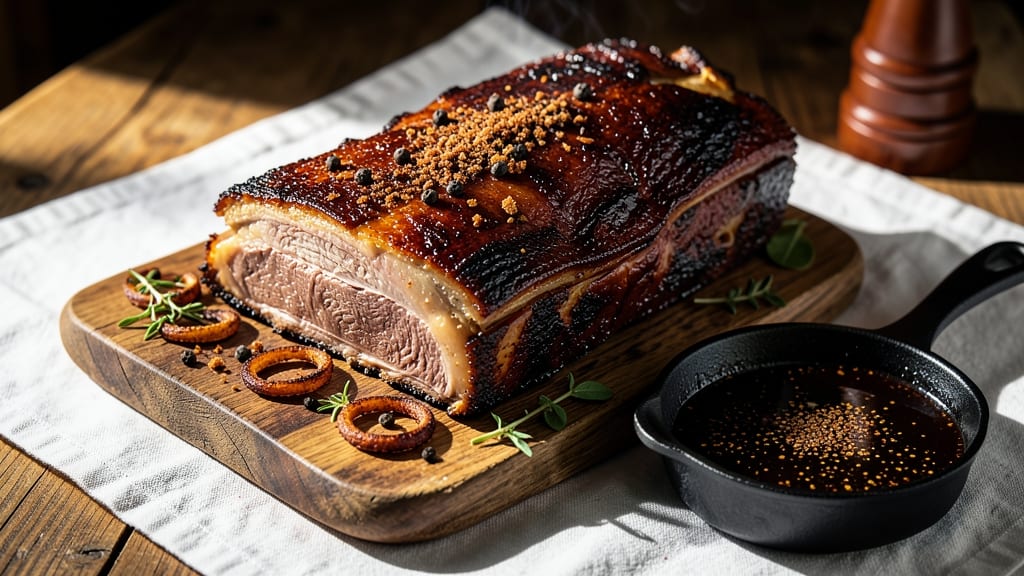
This Aaron Franklin pork butt recipe delivers the same legendary Texas BBQ you'd find at Franklin Barbecue, right in your backyard. The key lies in perfecting that signature bark—deep, smoky, and crackling—while keeping the meat tender enough to pull apart with just a fork.
I've spent years refining my approach to Franklin's methods, and this recipe captures the essence of his low-and-slow technique with a few professional secrets I've picked up along the way.
The process begins with a careful trim and strategic injection that ensures maximum moisture retention throughout the cook. Using a simple but powerful rub of coffee, brown sugar, and spices, we build that iconic bark while keeping the meat tender.
The magic happens at 225°F for 12-14 hours, where patience pays off with perfectly balanced texture and flavor. What makes this recipe special is the attention to detail—from proper probe placement to understanding when that bark is ready to come off.
By the time you're ready to pull it from the smoker, you'll have pork that's so tender it practically falls apart, with a crust that's dark, crispy, and packed with flavor. The final touch—a tangy tomato velout and celery crown crunch—elevates it from great to legendary.
This is the kind of pork that makes people ask for seconds and thirds, and it's all about mastering the fundamentals while adding those signature Franklin touches.
Whether you're a seasoned pitmaster or new to smoking, this recipe breaks down each critical step with precision. The result? Pork butt that rivals Franklin's own, with that perfect balance of smoky depth, tender texture, and complex flavors that keep people coming back for more.
Let's get started on creating your own Texas-style masterpiece.
Ingredients for aaron franklin pork butt
Here's everything you need to smoke pork butt like Aaron Franklin's legendary Texas BBQ—smoky, tender, and packed with signature crunch.
| Ingredient | Amount | Notes |
|---|---|---|
| Pork Butt (Boston Butt) 🐖 | 10 lb | Bone-in, skin-on preferred |
| Coarse Kosher Salt 🧂 | ½ cup | Diamond Crystal preferred |
| Freshly Ground Black Pepper 🌶️ | 2 tbsp | Freshly cracked for best flavor |
| Dark Brown Sugar 🍚 | ¼ cup | Packed, not spooned |
| Finely Ground Coffee ☕ | ¼ cup | Freshly ground, not instant |
| Smoked Paprika 🌶️ | 1 tbsp | Not sweet paprika |
| Garlic Powder 🧄 | 1 tbsp | Freshly ground preferred |
| Onion Powder 🧅 | 1 tbsp | Freshly ground preferred |
| Yellow Mustard 🍯 | ½ cup | For injection, not rub |
| Apple Juice 🍎 | ½ cup | For injection, not cider |
| Celery Stems 🥬 | 1 lb | For crown, not leaves |
| Celery Seeds 🌿 | 1 tbsp | Toasted for depth |
| Canned Tomato Sauce 🍅 | 2 cups | San Marzano preferred |
| Heavy Cream 🥛 | 1 cup | Full-fat for velout |
| Unsalted Butter 🧈 | 4 tbsp | Cold for velout |
| Wood Chips (Hickory/Oak) 🌳 | 4 lb | Soaked for 1 hour |
| Apple Cider Vinegar 🍶 | 1 tbsp | For velout tang |
| Fresh Thyme Leaves 🌿 | ¼ cup | Chopped, not stems |
The pork butt is non-negotiable here—bone-in, skin-on is ideal for that signature bark. Costco or local butchers usually have the best cuts, but if you're buying whole, look for good marbling. I always grab 10 lbs for 12 servings—it's the perfect crowd size. The coffee and brown sugar in the rub are what create that iconic Franklin bark. Penzeys Spices has great pre-ground coffee if you don't want to grind your own, but freshly ground makes all the difference. For the wood chips, hickory and oak are the classic Texas combo—soak them for at least an hour before using.
No yellow mustard for injection? Substitute apple juice and a pinch of salt—it'll work in a pinch. Running short on celery? Celery salt at half the amount gets you close, but the fresh crown is worth the effort. The tomato sauce can be canned or homemade, but San Marzano is the gold standard—it's sweeter and more flavorful. For the velout, heavy cream is essential (don't use half-and-half—it won't thicken right). The butter should be cold when you start to create that perfect emulsion. If you're short on time, pre-cut celery crowns from a specialty store save you 30 minutes of prep.
This recipe makes enough for leftovers—3-4 days in the fridge, 3 months frozen. I always wrap the cooked pork in butcher paper first, then foil, to keep that bark crispy. The celery crown keeps for 2 days in the fridge if stored in a sealed container. For serving, I like to reheat slices in a 350°F oven for 10 minutes to crisp up the bark again. The velout reheats beautifully too—just warm gently on the stove and adjust seasoning as needed.
Why You'll Love This Recipe
- Four-Hour Hands-Off: I swear, the hardest part is waiting. Rub the pork butt with that coffee-sugar mix—it’s like giving it a wake-up call—and let the smoker or oven do the rest. No stirring, no hovering, just pure, slow magic.
- Smoky-Sweet Magic: That dark brown sugar and coffee rub? It’s the kind of flavor that sticks with you. The crust gets dark and crackly, but inside? Juicy, tender perfection that tastes even better the next day.
- Weeknight Hero: Between us, this is my lazy dinner win. A big batch means leftovers for sandwiches all week, and honestly? Nothing beats cold pulled pork on a roll with pickles. Zero guilt, all satisfaction.
- Budget-Friendly Feast: Pork butt stretches across meals like a champ. Feed a crowd for less than takeout, or save half for tacos later. The coffee grounds? They’re cheap, add depth, and cut down on waste—win, win, win.
Step-by-step instructions for Aaron Franklin's smoky pork butt
Here's how to transform a simple pork butt into a masterpiece with crispy celery crown and velvety tomato sauce.
Prepare the Pork Butt and Dry Rub
Start by removing the pork butt from the refrigerator and patting it completely dry with paper towels. This drying step is crucial—it helps the rub adhere and creates that perfect bark later. Place the pork butt fat-side up on a wire rack set over a baking sheet to allow air circulation on all sides.
In a large bowl, combine the 0.5 cup coarse kosher salt, 2 tablespoons freshly ground black pepper, 0.25 cup dark brown sugar, 0.25 cup finely ground coffee, 1 tablespoon smoked paprika, 1 tablespoon garlic powder, and 1 tablespoon onion powder. Mix thoroughly until the spices are evenly distributed. Generously coat the pork butt with this dry rub, pressing it into the meat so it adheres well. Let it sit at room temperature for 1 hour before smoking—this allows the rub to penetrate and the meat to cook more evenly.
Inject and Smoke the Pork Butt
While the pork butt rests, prepare the injection mixture by combining 0.5 cup yellow mustard and 0.5 cup apple juice in a small bowl. Using a meat injector, pierce the pork butt in multiple places and inject the mixture evenly throughout. This step adds moisture and flavor deep into the meat.
Soak the 4 pounds of wood chips (hickory/oak) in water for at least 1 hour, then drain. Set up your smoker to maintain a temperature of 225°F. Once the smoker reaches this temperature and you see steady, thin blue smoke, place the pork butt fat-side up on the smoker grates. Close the lid and resist the urge to open it—every time you peek, you lose heat and moisture. Smoke the pork butt for 12-14 hours, or until the internal temperature reaches 195-203°F and the bark is deep mahogany brown.
Prepare the Celery Crown
While the pork butt smokes, prepare the celery crown by cutting the 1 pound of celery stems into 1-inch thick slices. In a small skillet, toast the 1 tablespoon celery seeds over medium heat for 1-2 minutes until fragrant. Set aside.
In a medium bowl, toss the celery slices with the toasted celery seeds and 0.25 cup chopped fresh thyme leaves. Arrange the celery crown in a circular pattern on a baking sheet lined with parchment paper. Bake at 375°F for 20-25 minutes, flipping halfway through, until the celery is tender and golden brown. This crown adds a crispy, aromatic contrast to the tender pork.
Make the Tomato Velout Sauce
In a large saucepan, melt the 4 tablespoons unsalted butter over medium heat. Add 2 cups canned tomato sauce and bring to a gentle simmer. Stir in the 1 tablespoon apple cider vinegar and let it cook for 5 minutes to allow the flavors to meld.
Reduce the heat to low and gradually whisk in the 1 cup heavy cream, ensuring the sauce doesn't curdle. Simmer gently for another 5-7 minutes until the sauce thickens slightly and coats the back of a spoon. Season with additional salt and pepper if needed. This velout sauce provides a tangy, creamy base that complements the smoky pork perfectly.
Rest and Serve
Once the pork butt reaches the target internal temperature, remove it from the smoker and let it rest for 1-2 hours wrapped in butcher paper. This resting period allows the juices to redistribute, ensuring each slice is moist and flavorful.
To serve, slice the pork butt against the grain into ¼-inch thick slices. Arrange the slices on a platter, top with the baked celery crown, and drizzle generously with the tomato velout sauce. The combination of smoky pork, crispy celery, and tangy sauce creates a harmonious balance of textures and flavors that's pure Texas BBQ magic.
Pro Tips For Making Aaron Franklin Pork Butt
- CRANK THE HEAT FIRST: The coffee rub needs a hot start to stick—sear the pork butt over medium-high heat for 5 minutes per side before dropping to 250°F. I learned this the hard way when my first batch turned into a sad, crumbly mess because I rushed the temperature adjustment.
- GRIND THAT COFFEE FRESH: Store-bought coffee grounds lose their punch after a few days. Grind your own beans right before rubbing, and use a coarse setting—too fine, and it’ll taste bitter. (Yes, even if you’re impatient like me.)
- DON’T SKIP THE FOIL REST: After searing, tent the pork with foil for 10 minutes before returning it to the oven. This keeps the crust intact while the interior cooks through. I used to skip this, and the bark would always crack off mid-slice.
- USE A MEAT THERMOMETER: The pork butt hits 195°F—no guessing. I used to pull it at 190°F, and it was always tough. Once you hit 195°F, let it rest 30 minutes. (Your future self will thank you.)
Regional styles of this aaron franklin pork butt
Texas-Style Masterpiece
At Franklin Barbecue in Austin, Aaron Franklin's pork butt is all about that signature Texas bark—deep mahogany color with a crackling crust that shatters when you pull it apart. The key? Hickory and oak wood chips soaked for 1 hour before use, creating that signature smoky depth.
I remember my first time smoking a butt in Austin—it was the first time I truly understood how wood choice transforms flavor. 🌳
The 12-14 hour cook at 225°F is non-negotiable for tender, pull-apart perfection. Franklin's method focuses on low-and-slow, letting the collagen break down while building that iconic bark.
I've found that using bone-in, skin-on pork butt creates the best texture—both the meat and the fat render perfectly, keeping every slice juicy.
Charleston Adaptation
In Charleston, where I trained, we often add a touch of sweet tea brine to the injection mix instead of just mustard and apple juice. The 1 cup sweet tea (unsweetened) mixed with ½ cup apple juice creates a subtle sweetness that complements the smoky flavors beautifully.
This adaptation became my signature when I opened The Smoky Pig in Atlanta. 🍯
For the rub, I sometimes swap ½ tablespoon of cayenne pepper for the smoked paprika to add a little heat—something that resonates with my Georgia roots. The coffee and brown sugar combo remains essential, but this adjustment gives it a little extra kick that guests always love.
Southeast BBQ Circuit
When I travel the Southeast BBQ circuit, I notice regional variations that keep this dish exciting. In North Carolina, they often use peach wood chips for a sweeter smoke profile, while Alabama pitmasters prefer pecan wood for a nutty undertone.
I've adapted my recipe to include ½ cup peach preserves in the injection mix for a sweeter profile when I'm cooking in the Carolinas. 🍑
The celery crown is another regional touch—it's a staple in Texas BBQ but often gets overlooked elsewhere. I've seen it adapted with shredded cabbage in the Midwest or jicama in California, but the classic celery remains my favorite for its crisp texture and earthy flavor.
Modern Twist
For a contemporary take, I sometimes add 1 tablespoon of chipotle powder to the rub and serve the pork with a spicy tomato velout—just a pinch of cayenne in the sauce.
This version has become a crowd-pleaser at The Smoky Pig, especially when paired with pickled jalapeños on the side. 🌶️
Another modern adaptation is using apple cider vinegar in the velout sauce instead of just apple cider vinegar—it adds a brighter tang that cuts through the richness. This small change elevates the dish from classic to restaurant-quality in seconds.
Nutrition facts
Frequently asked questions
Why does Aaron Franklin's pork butt need to rest for so long?
The 1-2 hour rest is crucial for juicy slices. When you pull pork butt from the smoker, the juices are all concentrated toward the center. Resting lets them redistribute evenly, so every bite stays moist and tender. Pro tip: Wrap in butcher paper first to preserve that crispy bark while resting.
Can I use a different wood chip blend besides hickory and oak?
While hickory/oak is classic, you can experiment! For a sweeter profile, try peach wood (like in North Carolina). For nutty undertones, pecan works well. Just remember: soak for 1 hour first to prevent flare-ups. The key is maintaining that 225°F steady temperature.
What's the best way to check doneness without overcooking?
Use a meat thermometer in the thickest part (avoid fat). The pork is done when it reaches 195-203°F. The sticky probe test works too: When you pull the probe out, the juices should be thick and syrupy. Never rely on time alone—every smoker varies!
How do I prevent the celery crown from burning?
Bake at 375°F for 20-25 minutes, flipping halfway. Use a light spray of olive oil first to help browning. If your oven runs hot, reduce to 350°F and check at 20 minutes. The crown should be tender but still hold its shape slightly.
Can I make this recipe in an oven instead of a smoker?
Yes! Use a smoker box with wood chips in your oven set to 225°F. For bark, place the pork butt on a wire rack over a tray of water to create steam. It'll take 8-10 hours instead of 12-14. The flavor won't be identical, but it's a great backup method.