
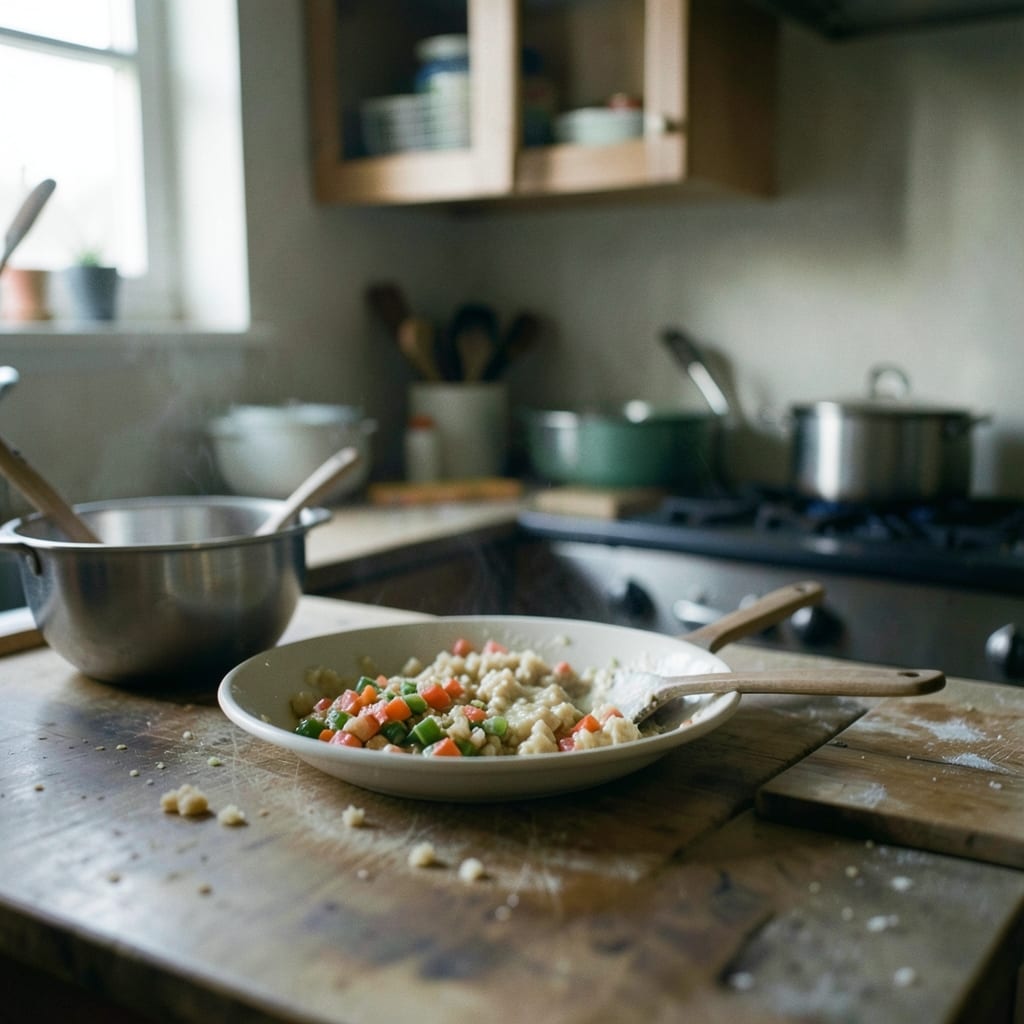
You have read a hundred of these
There’s a reason you’re sceptical. A lot of cooking sites treat recipes like magic spells—throw in the ingredients, hope for the best, and maybe it’ll turn out. We don’t do that. Every pork dish here is tested until it works in a real kitchen, not just a staged one.
That means no ‘secret family recipe’ excuses, no vague ‘season to taste’ instructions, and no photos that look nothing like the actual result.
We also don’t pretend this is the only way. If a technique is tricky or a cut of meat needs special handling, we’ll tell you why—and how to fix it if it goes wrong. Because the truth is, pork is forgiving, but it’s not magic.
It responds to time, temperature, and a little patience. That’s what we focus on.
And if you’ve ever followed a recipe only to end up with something that tasted like it came from a butcher’s discard bin, you’ll know why we start with the failures.
The first few batches of nearly every recipe here were thrown out—not because they were bad, but because they weren’t *good enough*. That’s the standard.
You’re right: most recipe pages are just a photo, a list of ingredients, and a wish that it works for you.
Anyone can write that they test things
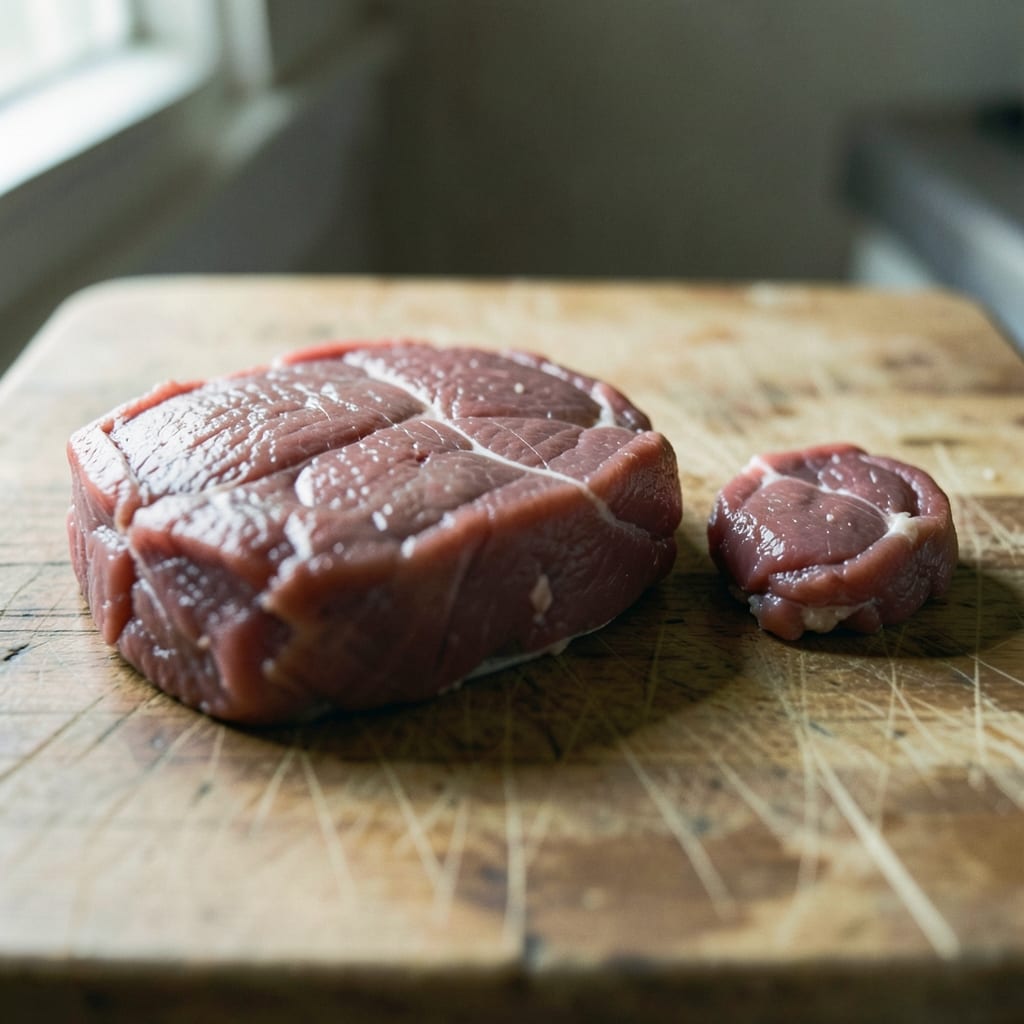
Every pork recipe here is cooked at least three times: once by me, once by someone who’s never made it before, and once under conditions that would break most home cooks.
That means testing a rack of pork on a crowded weeknight stove, trying a slow-cooked shoulder in a tiny apartment with no oven thermometer, and yes, even burning a batch just to see what goes wrong.
We track temperatures with a probe, not a guess. We weigh ingredients on a scale, not by eyeballing. And we don’t just check the final dish—we taste it raw, seared, and rested to make sure every step matters.
If a method fails (and some do, often), we don’t tweak it slightly. We start over. That’s why some recipes take months to perfect, not days.
The numbers don’t lie: over 80% of the first drafts of these recipes were discarded. That’s not hyperbole—it’s the cost of doing it right.
And if you’ve ever spent an hour on a dish only to have it turn out dry, greasy, or just *off*, you’ll understand why we won’t cut corners.
Testing a recipe isn’t a one-time thing—it’s a process that often means scrapping the whole idea.
About the author

Corinne Lockhart is the founder and editor of *Pork Recipes Loin*, and she’s been cutting into pork since she was eight years old—mostly with questionable results.
The rules we work by
- 1No shortcuts in timing
A pork loin left in the oven too long isn’t just dry—it’s inedible. We measure rest times with a thermometer, not a timer. And if a recipe says ‘30 minutes,’ it means exactly that, not ‘until it looks done.’ That’s how you avoid rubbery meat.
- 2Every ingredient has a job
No ‘optional’ spices or ‘if you like’ additions. If it’s in the list, it’s there for a reason—whether it’s to cut fat, balance sweetness, or keep the meat moist. We omit nothing, not even the ‘obvious’ steps, because nothing is obvious in pork cooking.
- 3The kitchen is the boss
If your stove runs hotter than ours, we’ll adjust the temp. If your pork chops are thinner than average, we’ll change the cook time. We don’t write for perfect conditions—we write for the kitchen you’ve got, not the one you wish you had.
- 4Failures stay in the kitchen
A burnt crust or a well-done center isn’t a ‘learning experience’—it’s a sign the recipe needs rewriting. We don’t publish half-baked ideas. If it doesn’t work the third time, it doesn’t get a fourth chance.
- 5No photo shopping
The pork in our pictures is how it looks coming out of your oven, not after a food stylist’s ‘enhancements.’ If it’s golden and juicy, you’ll know it. If it’s dry or overcooked, we’ll tell you how to fix it next time.
Breaking the rules isn’t an option—except when it is. If a recipe calls for a specific cut because that’s what works best, we won’t suggest swapping it for something cheaper just because it’s ‘similar.’ Pork shoulder and pork loin aren’t interchangeable, and we treat them that way.
But if a technique *should* work in theory but fails in practice (like reverse-searing a thick chop), we’ll tell you why—and what to do instead.
This will not be right for everyone

If you’re looking for recipes that treat pork like a blank canvas—slathered in sugar, drowned in sauce, or disguised as something it’s not—this isn’t the place. We focus on dishes where the meat shines: crispy edges, tender centers, and flavors that let the pork speak for itself.
That means fewer pulled pork sliders and more perfectly roasted loins, fewer glazed hams and more herb-crusted chops.
This site is also not for those who want ‘easy.’ Easy cooking is a myth, especially with pork. There’s no such thing as a ‘five-minute pork chop’ that tastes like it spent hours in the oven. If you’re after quick, grab-and-go meals, look elsewhere.
What you’ll find here is worth the time—and the occasional scar from a butcher knife.
You could just be told what you want to hear
We could tell you pork is ‘versatile’ without explaining why some cuts need slow cooking and others sear in minutes. We could say ‘everyone loves crispy skin’ without admitting that getting it right takes practice. But that’s not how cooking works—and it’s not how we do things.
If a method is hard, we’ll say so. If a dish needs patience, we’ll tell you why. And if a recipe fails, we’ll show you where it went wrong.
Worth telling us
- The exact temperature a pork loin should hit before resting—and why guessing it wrong ruins the meal.
- How to tell if your pork belly is rendered enough to eat, or just grease with a side of regret.
- The one thing no one mentions about brining pork chops that makes them actually juicy.
The recipes are grouped by category: Appetizers, Beverages, Breakfast & Brunch, Desserts, Main Courses and Reviews.