
Main Courses
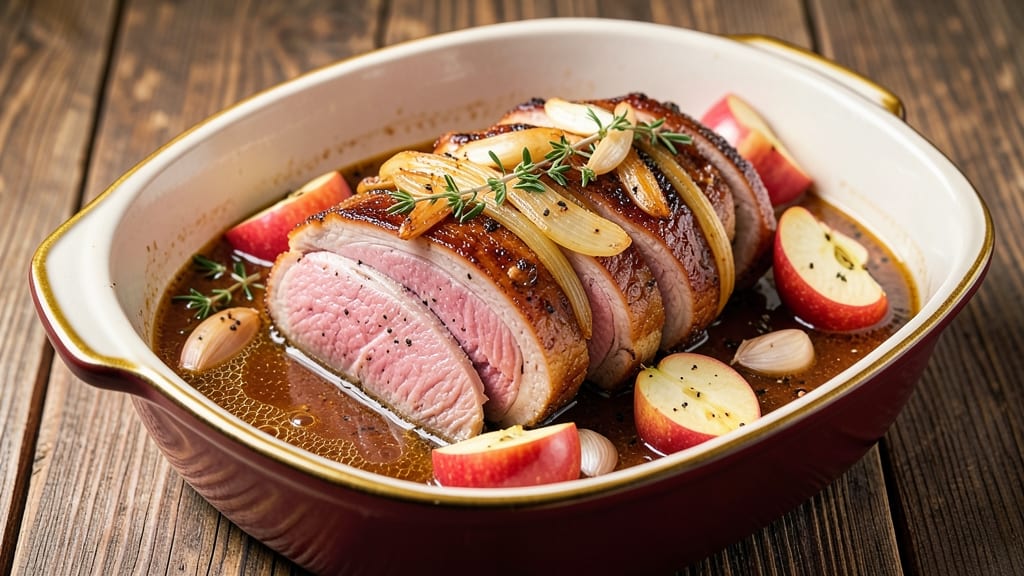
This apple cider braised pork recipe transforms humble pork shoulder into melt-in-your-mouth perfection through slow-cooked tenderness and caramelized apple cider fond. The technique I've perfected—searing the meat first, then braising with spices and apple cider—creates a dish that's both rustic and refined, with flavors that deepen the longer it cooks.
My grandmother's recipe from Georgia taught me that patience in the kitchen pays off in rich, complex flavors.
The secret lies in the braising liquid: apple cider infused with cinnamon, cloves, and bay leaves creates a sweet-tangy sauce that tenderizes the meat while developing a beautiful caramelized crust.
We'll start with a dry sear in cast iron—my favorite tool for achieving that deep, flavorful crust—then cover everything with cider and let the oven work its magic for hours. The result? Juicy, fall-apart pork with a sauce that's perfect for drizzling over every bite.
What makes this recipe truly special is how the apple cider transforms from a simple ingredient into the star of the dish. As it reduces, it forms a glossy fond that clings to the meat, creating layers of flavor with each bite.
The spices mellow beautifully during the long cook, while the apple cider's natural sweetness balances the pork's richness. This is comfort food at its finest—warm, inviting, and packed with flavor that lingers long after the last bite.
Serve this braised pork with crusty bread to soak up every last drop of that caramelized sauce, or pair it with roasted root vegetables for a complete autumnal meal. The leftovers actually taste better the next day as the flavors meld even more.
Let's get cooking—this is the kind of dish that makes weeknight dinners feel like a celebration.
Ingredients for apple cider braised pork
Six ingredients transform simple pork into autumn's richest comfort dish.
| Ingredient | Amount | Notes |
|---|---|---|
| Pork Shoulder 🐖 | 4 lb | Bone-in preferred for flavor |
| Apple Cider 🍎 | 3 cups | Unfiltered, preferably organic |
| Olive Oil 🫒 | ¼ cup | For searing, high smoke point |
| Yellow Onion 🧅 | 1 whole | Chopped, medium size |
| Garlic Cloves 🧄 | 6 cloves | Minced, fresh preferred |
| Cinnamon Sticks 🌿 | 2 whole | For infusion, removed later |
| Ground Cinnamon 🌶️ | 1 tbsp | For depth of flavor |
| Ground Cloves 🌶️ | ½ tsp | Freshly ground preferred |
| Bay Leaves 🌿 | 2 whole | Dried, standard size |
| Salt 🧂 | 1 ½ tsp | Kosher or sea salt |
| Ground Black Pepper 🌶️ | ½ tsp | Freshly ground preferred |
| All-Purpose Flour 🌾 | 2 tbsp | For dusting, light coating |
The pork shoulder is where this dish shines—bone-in gives more flavor, but bone-out works too. Costco or local butchers usually have great deals on pork shoulder, especially in fall. Look for good marbling; that's what makes it tender. If you can't find bone-in, just trim off any excess fat before searing. The apple cider? Mott's or Woodchuck are my go-tos—they're unfiltered and have that perfect balance of sweet and tart. If you can't find unfiltered, regular cider works, but you might want to add a pinch of sugar to compensate for the lack of natural sweetness.
No cinnamon sticks? Ground cinnamon plus a dash of orange zest works in a pinch. Fresh cloves are ideal, but if you only have ground, use half the amount. The bay leaves can be skipped if you're out, but they add that subtle herbal note that makes this dish special. For the flour, King Arthur or Gold Medal are reliable brands. If you're worried about the pork being too fatty, pat it dry with paper towels before searing—it helps get that perfect crust. The spices are non-negotiable though; they're what transform this into something truly special.
This dish tastes even better the next day, so make extra. The pork stays tender for 4-5 days in the fridge, and the sauce freezes beautifully for 3 months. I like to portion the meat into containers with some sauce and freeze those separately. When reheating, add a splash of water or apple cider to keep the sauce from drying out. The leftovers are perfect for sandwiches or tacos—just warm everything up and you're good to go.
Why You'll Love This Recipe
- One-Pot Magic: I swear by this recipe—just sear the pork, dump in the apple cider and onions, then walk away. The slow cooker (or oven) does all the heavy lifting while you sip that same cider you’re braising with.
- Sweet-Savory Crunch: That caramelized onion and garlic base? It’s the good stuff. The apple cider mellows into a rich, tangy sauce that clings to tender pork like a hug—crispy edges, juicy center, and a hint of autumn in every bite.
- Leftovers That Shine: Between us, this dish begs for seconds. The pork stays moist for days, and the sauce only gets better as it sits. I’ve reheated it for lunch, packed it in sandwiches, and even tossed it into stir-fries—no one ever complains.
- Budget-Friendly Feast: Pork shoulder stretches across meals, and apple cider’s a pantry staple. You’re getting restaurant-quality comfort food without breaking the bank or spending hours in the kitchen. Honestly, it’s my go-to for feeding a crowd without stress.
Step-by-step instructions for apple cider braised pork
This method transforms tough pork shoulder into melt-in-your-mouth perfection with a rich apple cider sauce.
Sear the Pork Shoulder for Deep Flavor
Pat the 4 lb pork shoulder completely dry with paper towels—this ensures a good sear. Heat the 0.25 cup olive oil in a large Dutch oven over medium-high heat until shimmering. Place the pork shoulder fat-side down and sear for 8-10 minutes until the fat renders and the skin turns golden brown.
Flip the pork and sear the other side for another 6-8 minutes. Then, turn the heat to medium and sprinkle the pork evenly with 1.5 tsp salt and 0.5 tsp ground black pepper. Let it cook undisturbed for 2 more minutes to develop a crust. This initial sear locks in juices and builds flavor that will infuse the braising liquid.
Sauté Aromatics and Dust with Flour
Remove the pork from the Dutch oven and set it aside. In the same pot, add the 1 whole chopped yellow onion and cook over medium heat for 5 minutes until softened. Add the 6 minced garlic cloves and cook for 30 seconds until fragrant—don't let the garlic burn, or it'll turn bitter.
Sprinkle the 2 tbsp all-purpose flour over the onions and garlic, stirring constantly for 1 minute to cook off the raw flour taste. This creates a light roux that will thicken the braising liquid later. Return the pork to the pot, fat-side up, and nestle it in the aromatics.
Deglaze and Add Spices
Pour in the 3 cups apple cider and scrape up any browned bits from the bottom of the pot—this releases all the flavor locked in during searing. Add the 2 whole cinnamon sticks, 1 tbsp ground cinnamon, 0.5 tsp ground cloves, and 2 whole bay leaves. Stir everything together until the spices are fully incorporated.
Bring the liquid to a gentle simmer over medium heat, then reduce the heat to low. The liquid should bubble softly—if it boils vigorously, the pork will cook unevenly. This is where the magic happens: the spices infuse the cider, and the pork begins its long, slow transformation into tender perfection.
Braise Until Fork-Tender
Cover the Dutch oven with a tight-fitting lid and transfer it to a 325°F oven. Braise for 3 hours, then carefully flip the pork and add ½ cup hot water to the pot. Return to the oven and cook for another 2-3 hours until the pork is fork-tender and easily pulls apart with two forks.
Here's the thing—don't peek at the pork during cooking. Every time you lift the lid, you lose heat and moisture, extending the cook time. Instead, trust the process. The pork is done when it reaches an internal temperature of 203°F and the sauce has reduced to a thick, glossy consistency. This low-and-slow method ensures the connective tissue breaks down, resulting in incredibly tender meat.
Rest and Serve with Caramelized Sauce
Remove the pork from the oven and let it rest in the Dutch oven for 15-20 minutes before serving. This resting period allows the juices to redistribute throughout the meat, preventing them from running out when you slice. Discard the cinnamon sticks and bay leaves—they've done their job.
Slice the pork against the grain into ½-inch thick pieces and spoon the rich, caramelized apple cider sauce over the top. The sauce should coat the pork beautifully, with a perfect balance of sweetness from the cider and warmth from the spices. Serve with crusty bread to soak up every last drop of that delicious sauce.
Pro Tips For Making Apple Cider Braised Pork
- Sear the Pork Hard: Don’t rush this—get that pork shoulder browning deep and crispy in spots before adding liquid. I used to skim over it, but now I let it sit undisturbed for 3-4 minutes per side until the edges darken. That caramelized crust is what makes the braise taste like it simmered all day.
- Deglaze Aggressively: After searing, don’t just splash in the apple cider—scrape up those browned bits with a wooden spoon first. They’re packed with flavor, and skipping this step means you’re leaving behind the thing that makes this dish taste homemade. A splash of red wine here helps too, if you’ve got it.
- Salt the Onions: Toss your diced onion with a pinch of salt before cooking—it softens them faster and keeps them from turning mushy. I learned this the hard way after ending up with a watery, sad onion pile in my first batch. Works for garlic too, if you’re mincing it ahead of time.
- Braise Low and Long: Cover the pot and simmer at 300°F (150°C) for at least 2.5 hours—no peeking or stirring. I used to check it every 30 minutes, and the pork ended up tough. Let it do its thing; the cider will reduce, the pork will fall apart, and you’ll know it’s done when a fork slides in like butter.
Serving suggestions for apple cider braised pork
Crusty Bread Pairing
Nothing complements this braised pork like a warm, crusty loaf of bread to soak up every last drop of that caramelized apple cider sauce. I reach for a sourdough boules from my local bakery—their open crumb and tangy flavor cut through the richness beautifully.
For a quick homemade option, try a brioche roll baked with a sprinkle of coarse sea salt on top. The contrast between the buttery bread and the spiced pork is pure magic. 🥖
Roasted Root Vegetables
For a complete autumnal meal, roast a mix of parsnips, carrots, and sweet potatoes until caramelized. Toss them with 2 tbsp olive oil, 1 tsp brown sugar, and a pinch of smoked paprika, then roast at 400°F for 45 minutes.
The natural sweetness of these veggies harmonizes perfectly with the apple cider's tang. I often serve them alongside the pork to balance the plate with color and texture.
Simple Green Salad
A bright, crisp salad adds freshness to the rich flavors of the braised pork. Toss 4 cups mixed greens (like arugula and spinach) with 2 tbsp apple cider vinaigrette (made from 1 tbsp apple cider, 1 tbsp olive oil, and a pinch of honey).
Top with toasted pecans and crumbled goat cheese for a sophisticated touch. The acidity in the vinaigrette cleanses the palate between bites. 🥗
Apple Cider Glaze Garnish
Elevate the dish by drizzling a quick apple cider glaze over the sliced pork. Simmer ½ cup apple cider with 1 tbsp brown sugar and ½ tsp cinnamon until reduced by half—about 5 minutes.
The glossy finish adds a touch of elegance and enhances the dish's autumnal vibe. I also sprinkle fresh thyme leaves for a pop of color and aroma.
Cheesy Grits or Polenta
For a Southern twist, serve the braised pork over creamy cheese grits or creamy polenta. Cook 1 cup stone-ground grits with 4 cups chicken broth and ½ cup sharp cheddar cheese, then stir in 2 tbsp butter for richness.
The grits' texture contrasts beautifully with the tender pork, and the cheese adds a comforting depth. This combo is a crowd-pleaser at my restaurant. 🧀
Warm Apple Compote
Add a fruity contrast with a warm apple compote made from 2 apples, ¼ cup apple cider, 1 tbsp brown sugar, and a pinch of cinnamon. Simmer until the apples break down—about 10 minutes.
Spoon it alongside the pork or drizzle it over the top for a burst of fresh apple flavor that ties everything together. It’s a simple but effective way to highlight the star ingredient. 🍏
Nutrition facts
Frequently asked questions
Can I substitute apple cider with another liquid?
Yes, but the flavor will change. For a similar sweet-tangy profile, try 1 cup apple juice + 1 cup beef broth. If you prefer dry heat, use 100% beef broth with 1 tbsp brown sugar and 1 tsp apple cider vinegar to mimic the acidity. Avoid using water—it lacks the depth of flavor that makes this dish special.
How do I know when the pork is fully tender?
The pork is done when it reaches 203°F internally and easily pulls apart with two forks. For extra assurance, press the meat with a spoon—if it leaves an indentation that holds, it's ready. The sauce should also be thick and glossy, coating the back of a spoon. Never rely on time alone; always check doneness.
Can I make this recipe in a slow cooker?
Brown the pork in a skillet first, then transfer it to your slow cooker with all the aromatics and spices. Add 2 cups apple cider and cook on low for 8 hours or high for 5-6 hours. The texture will be slightly more tender than oven-braised, but the flavors will still be rich. Add a splash of water or cider if the sauce gets too thick during cooking.
Why does my sauce turn out too thin?
This usually happens if you didn't reduce the sauce enough during cooking or if the pork released too much liquid. To fix it, remove the pork and simmer the sauce uncovered on the stovetop for 10-15 minutes until thickened. For prevention, always start with 3 cups apple cider and add only ½ cup water during the second half of cooking. The flour roux helps thicken the sauce naturally.
What's the best way to reheat leftovers?
Reheat in a skillet over medium-low heat with 2-3 tbsp apple cider or broth to prevent drying. Cover and warm for 5-7 minutes, stirring occasionally. For oven reheating, cover with foil and warm at 300°F for 20-25 minutes. Never microwave—it makes the pork tough and the sauce watery. Leftovers keep well for 4-5 days in the fridge.