
Main Courses
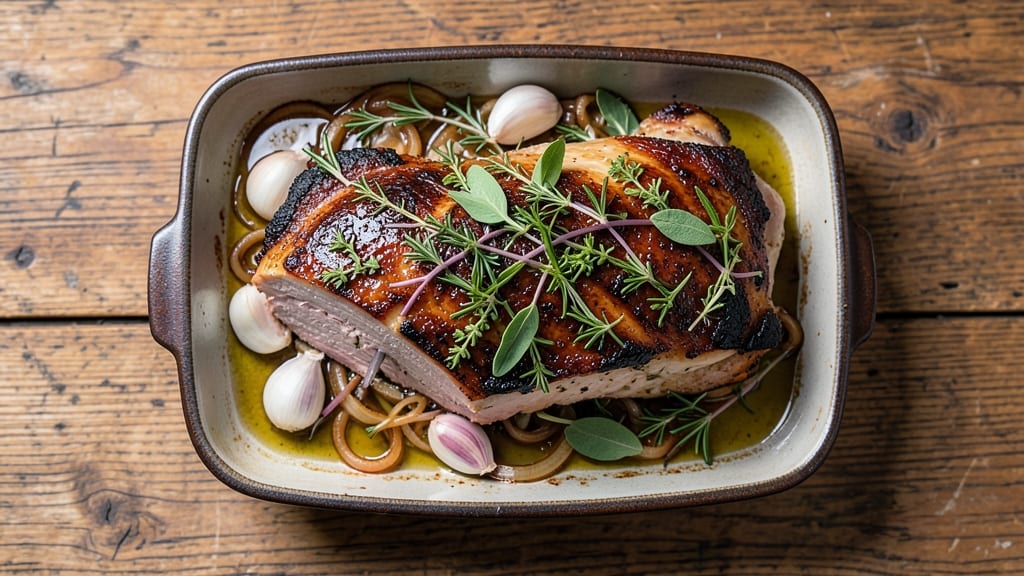
This 2-lb boneless pork loin roast recipe delivers herb-infused crispness with juicy pink centers—the perfect balance for weeknight dinners or special occasions. After years of perfecting pork roasts in professional kitchens, I’ve developed a method that ensures tender meat with a golden, aromatic crust.
The secret lies in precise seasoning and temperature control, transforming a simple cut into something restaurant-worthy.
What sets this recipe apart is the foolproof technique that guarantees juicy results without drying out the meat. We’ll use a blend of fresh herbs and aromatic spices to create a flavorful crust, while monitoring the internal temperature ensures the perfect doneness.
The resting period is just as critical—it allows the juices to redistribute, giving you that melt-in-your-mouth texture every time.
By the end, you’ll have a crispy, golden roast with tender, flavorful meat that pairs beautifully with roasted vegetables or a classic apple sauce. The method is designed for home cooks, with clear steps and professional tips to ensure success.
Whether you’re feeding a family or hosting guests, this recipe delivers restaurant-quality results with minimal effort.
The best part? This roast is versatile—serve it sliced for sandwiches, shredded for tacos, or as the centerpiece of a holiday meal. The herb-infused crust adds depth, while the juicy pink centers keep every bite satisfying. Let’s get started on a dish that’s sure to impress.
Ingredients for 2 lb boneless pork loin roast
Herb-infused pork loin with crispy crust and juicy pink centers—just 13 ingredients for restaurant-worthy results.
| Ingredient | Amount | Notes |
|---|---|---|
| Boneless Pork Loin Roast 🐖 | 2 lb | Center-cut for even cooking |
| Fresh Rosemary 🌿 | ¼ cup | Finely chopped, stems removed |
| Fresh Thyme 🌿 | ¼ cup | Leaves only, stems discarded |
| Fresh Sage 🌿 | ¼ cup | Leaves only, finely chopped |
| Garlic Cloves 🧄 | 8 cloves | Minced for even distribution |
| Extra-Virgin Olive Oil 🫒 | 2 tbsp | High-quality, fruity variety |
| Diamond Crystal Kosher Salt 🧂 | 1 ½ tsp | For balanced seasoning |
| Freshly Ground Black Pepper 🌶️ | 1 tsp | Coarse grind preferred |
| Unsalted Butter 🧈 | 2 tbsp | Cold, cubed for crust |
| Apple Cider Vinegar 🍎 | 1 tbsp | For tenderizing marinade |
| Honey 🍯 | 1 tbsp | Wildflower preferred |
| Fresh Parsley 🌿 | ⅛ cup | Chopped, for garnish |
| Vegetable Oil 🫒 | 1 tbsp | For roasting pan |
The center-cut pork loin is non-negotiable here—it stays juicier than shoulder cuts. Look for a piece with even thickness (about 1.5 inches) at your butcher or grocery store's meat counter. Costco and Whole Foods usually carry excellent quality, but any reputable butcher will have a great cut. The herb blend (rosemary, thyme, sage) is where the magic happens—fresh is essential for that bright, aromatic crust. If you can't find fresh, dried works at one-third the amount, but the flavor won't be as vibrant. For the garlic, peel and mince it finely so it distributes evenly under the crust.
No fresh herbs? Dried will work—just triple the amount—but you'll lose that restaurant-quality aroma. Running short on honey? Maple syrup is a perfect swap, though the flavor will be slightly different. The butter crust is what creates that golden, crispy exterior, so don't skip it—cold cubes give the best texture. For extra insurance against dryness, the apple cider vinegar and honey marinade (even just 15 minutes) helps tenderize the meat. If you're making this ahead, marinate overnight for even better results. The olive oil should be high-quality—none of that cheap cooking oil—it makes a difference in the final flavor.
This roast is best made day-of for peak crispiness, but you can prep the marinade and herb mixture a day ahead. Store the raw pork in the fridge until ready to cook—never marinate longer than 24 hours. The resting period (10-15 minutes after roasting) is crucial—don't skip it or you'll lose all those juices. Leftovers keep 3-4 days in the fridge, but honestly, they're even better reheated the next day. For shredded pork, slice against the grain and reheat with a splash of broth. The herb crust freezes beautifully—just thaw in the fridge overnight before reheating.
Why You'll Love This Recipe
- No-Fuss Prep: I swear by this recipe because it’s actually simple—just a few slashes with a knife, a sprinkle of those fragrant herbs, and garlic cloves tucked into the crevices. No fancy marinating, no peeling layers of skin, just hands-off roasting while you tidy the kitchen or answer emails.
- Herb Magic: That trio of rosemary, thyme, and sage? It’s like a flavor hug for the pork—earthy, bright, and just enough garlic to make it sing without overpowering. The crust gets crispy, the inside stays juicy, and honestly, it tastes like you spent hours when you really just set it and forgot it.
- Weeknight Hero: Between us, this is my go-to when I need something impressive but not stressful. Serve it with roasted potatoes and a simple salad for dinner, or slice it for sandwiches the next day—no one will question why you didn’t “cook” all weekend.
- Leftovers That Win: I make this on Sundays because the roast actually improves the second day. Cold slices in a panini? Yes. Stir-fried with veggies for lunch? Absolutely. And since it’s budget-friendly (pork loin stretches far), I never regret buying the whole cut. (Yes, even on a Tuesday night.)
Step-by-step instructions for herb-infused pork loin roast
Transform that simple pork loin into a showstopping centerpiece with this foolproof method.
Prepare the Herb Marinade and Season the Roast
In a small bowl, combine the 0.25 cup fresh rosemary, 0.25 cup fresh thyme, 0.25 cup fresh sage, 8 minced garlic cloves, 2 tbsp extra-virgin olive oil, 1.5 tsp diamond crystal kosher salt, and 1 tsp freshly ground black pepper. Mix until the herbs are evenly distributed and the oil forms a fragrant paste. This herb blend is the secret to that aromatic crust we're after.
Pat the 2 lb boneless pork loin roast completely dry with paper towels—this is non-negotiable for crispy skin. Rub the herb mixture all over the roast, pressing firmly so it adheres. Let it sit at room temperature for 30 minutes while you preheat your oven. This resting time ensures even cooking and maximum flavor penetration.
Create the Vinegar-Honey Glaze and Sear the Roast
In a small saucepan, combine 1 tbsp apple cider vinegar and 1 tbsp honey over low heat. Simmer for 2-3 minutes until slightly thickened—this will form a glossy glaze that caramelizes beautifully during roasting. Remove from heat and set aside.
Preheat your oven to 425°F. Heat 1 tbsp vegetable oil in a large oven-safe skillet over medium-high heat until shimmering. Place the seasoned roast in the skillet and sear for 4-5 minutes per side until deeply golden brown. This initial sear locks in juices and builds that coveted crust. Transfer the skillet to the preheated oven.
Roast to Juicy Perfection with Butter Basting
Pour the vinegar-honey glaze over the roast, then dot the top with 2 tbsp cold cubed butter. Roast uncovered for 25-30 minutes, basting with pan juices every 10 minutes using a spoon. The butter will melt and baste the meat, while the glaze caramelizes into a sticky, flavorful crust.
Here's the crucial test: the internal temperature should reach 145°F when measured with a meat thermometer in the thickest part. The roast will continue rising to 150°F as it rests—this is where the magic happens. If the skin starts browning too quickly, tent loosely with foil to prevent over-browning while maintaining doneness.
Rest and Garnish for Maximum Juiciness
Transfer the roast to a cutting board and tent loosely with foil. Let it rest for 15-20 minutes—this is where the juices redistribute throughout the meat, ensuring every slice remains succulent. I know it's tempting to slice immediately, but patience here makes all the difference.
While resting, chop the 0.125 cup fresh parsley and sprinkle it over the roast. Slice against the grain into ½-inch thick portions and serve immediately with pan juices spooned over the top. Each bite should deliver that perfect balance of crispy exterior, tender pink centers, and herbaceous aroma we worked so hard to achieve.
Pro Tips For Making 2 Lb Boneless Pork Loin Roast
- USE A MEAT THERMOMETER: I learned this the hard way—pork loin can go from perfect to dry in seconds once it hits the table. Aim for 145°F internal temp (USDA safe minimum), then let it rest. Guessing with a knife? You’re playing Russian roulette with juiciness.
- SMASH THE GARLIC: Skip the minced garlic—it burns fast and loses flavor. Instead, crush 4-5 whole cloves with the flat side of your knife, then chop them coarsely. The oils release slower, and the flavor stays bold. (Yes, even if you’re impatient like me.)
- DON’T SKIP THE DRY BRINE: Pat that pork loin completely dry with paper towels, then season with 1 tsp salt per pound and let it sit uncovered on a rack for 30 minutes. I used to skip this, and my roast always came out slightly bland—turns out, salt needs time to work its magic.
- SEAR IN BATCHES: A crowded pan steams the meat instead of browning it. Work in two rounds: Sear half the pork loin first, then move it to a plate while you finish the second half. The crust will be worth the extra 5 minutes—trust me, it’s the thing that matters most.
Wine and beer pairings for 2 lb boneless pork loin roast
Red Wine Pairings
For this herb-infused pork loin, I reach for a medium-bodied red wine that complements the rosemary, thyme, and sage without overpowering them. A Pinot Noir from Oregon—like Domaine Serene—is my go-to choice.
Its bright acidity and red fruit notes cut through the richness while enhancing the herbal crust. The wine's subtle earthiness mirrors the roasted pork's depth, creating perfect harmony. 🍷
If you prefer something with more structure, try a Chianti Classico from Tuscany. The wine's cherry and leather notes pair beautifully with the caramelized honey glaze, while its acidity balances the pork's natural fat.
I've found that Italian wines often elevate pork dishes by highlighting their natural flavors rather than competing with them.
White Wine Options
Don't overlook white wines for this recipe—especially if you're serving it with lighter sides. A dry Riesling from Germany, like Dr. Loosen Blue Slate, offers crisp acidity and mineral notes that refresh the palate between bites. The wine's slight sweetness also complements the honey glaze beautifully. 🍷
For a more aromatic option, try a Viognier from California's Central Coast. Its floral and stone fruit notes complement the fresh herbs in the crust while providing enough body to stand up to the rich pork.
I often serve this pairing when the menu includes roasted vegetables or a light salad—it keeps the meal feeling fresh and balanced.
Beer Pairings
When it comes to beer, I always look for styles that can stand up to the pork's richness without being too heavy. A Belgian Witbier like Hoegaarden is my top recommendation. Its citrusy notes and subtle spice cut through the fat, while the effervescence cleanses the palate between bites.
The beer's light body also prevents it from feeling too heavy alongside the pork. 🍺
For those who prefer darker beers, a German Dunkel offers a perfect balance. The malt sweetness complements the honey glaze, while the roasted barley notes enhance the pork's savory depth.
I've served this pairing at many of my dinner parties, and it consistently receives rave reviews from both beer enthusiasts and casual drinkers.
Cider Complements
Don't underestimate the power of a well-chosen cider to elevate this dish. A dry English cider like Thatchers Vintage brings bright acidity and apple notes that mirror the vinegar in the glaze.
The cider's slight bitterness also helps cut through the pork's richness, making it an unexpected but excellent match. 🍎
For a sweeter option, try a hard apple cider like Angry Orchard Crisp Apple**. The caramel and apple flavors complement the honey glaze beautifully, while the alcohol content helps balance the dish's richness.
I often recommend this pairing when serving the pork with roasted apples or a spiced apple compote—it creates a cohesive flavor experience throughout the meal.
Nutrition facts
Frequently asked questions
Why does my pork loin turn out dry when roasted?
The most common mistake is skipping the resting period or cutting into the meat too soon. Always let the roast rest for 15-20 minutes after removing from the oven—this allows juices to redistribute. Also, avoid overcooking: use a meat thermometer and remove at 145°F (it'll rise to 150°F while resting). Patting the meat dry before seasoning is also key for that crispy crust without drying out the interior.
Can I use a smaller or larger pork loin than 2 lbs?
This recipe works beautifully for 1.5-3 lb boneless pork loins. For smaller cuts (1.5 lbs), reduce oven time by 5-10 minutes and increase for larger cuts (3+ lbs) by 10-15 minutes. The key is maintaining 425°F and checking internal temp at 145°F. Adjust butter and glaze quantities proportionally—about 1 tbsp butter and 1 tbsp glaze per pound of meat.
What's the best way to reheat leftover pork loin?
For maximum juiciness, slice the roast and reheat in a skillet with 1 tbsp butter over medium-low heat for 3-4 minutes until warmed through. Avoid microwaving—it turns the meat rubbery. For sandwiches, reheat slices in a toaster oven at 300°F for 5 minutes to maintain crispiness. Pro tip: Add a splash of broth or apple cider to the pan for extra moisture.
How do I make this recipe ahead of time?
Prep the herb marinade and glaze up to 2 days ahead and store in the fridge. For the roast itself, season it and refrigerate uncovered on a tray for 12 hours (this dries the surface for better browning). On cooking day, sear and roast as directed. The crust won't be quite as crisp, but the flavor will be just as rich. For leftovers, store in an airtight container for 3-4 days or freeze for up to 3 months.
What are the best side dishes to serve with this roast?
Classic pairings include roasted root vegetables (carrots, parsnips, sweet potatoes), creamy mashed potatoes, or a fresh green salad with a balsamic vinaigrette. For something heartier, try braised red cabbage or buttery egg noodles. The herbaceous crust also works beautifully with fruit compotes—apple or pear most complement the honey glaze.