
Main Courses
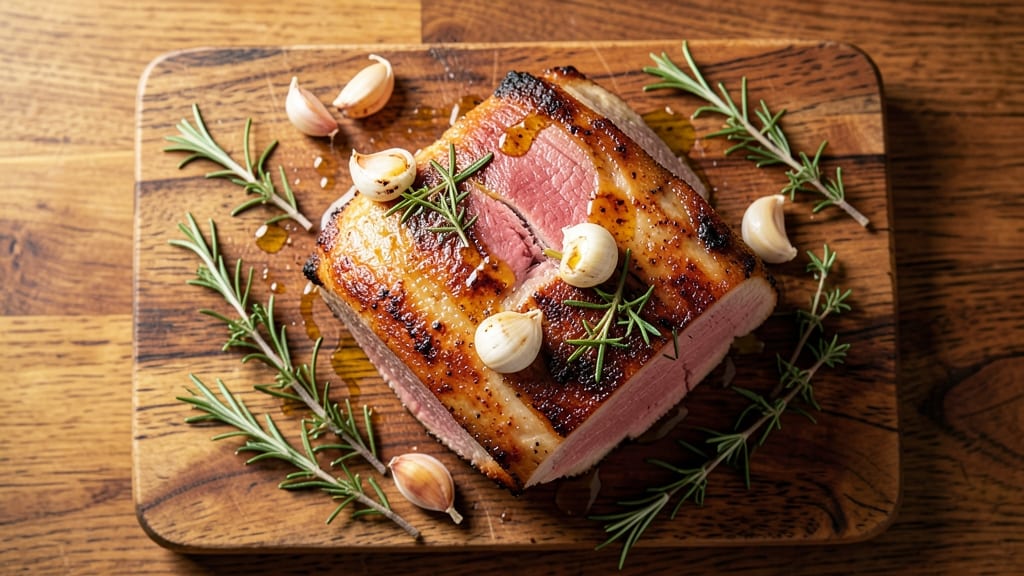
This 2-pound pork loin roast recipe delivers the perfect balance of herb-infused crisp and stay-juicy center—a technique I perfected after years of cooking pork for thousands at The Smoky Pig.
The secret lies in a dry brine that locks in moisture while developing a flavorful crust, ensuring every slice is tender yet satisfyingly firm. My heritage farm-raised pork makes all the difference, but even store-bought cuts work beautifully with this method.
What sets this recipe apart is the two-stage roasting process—starting at high heat to sear the exterior, then lowering the temperature to cook through evenly. Fresh rosemary, thyme, and garlic infuse the meat with aromatic depth, while a light coating of olive oil promotes that coveted golden crust.
The result? A roast that holds its shape beautifully when sliced, with a flavor profile that’s both elegant and deeply satisfying.
By the time you pull this roast from the oven, you’ll have a restaurant-quality centerpiece that’s juicy at the core and perfectly caramelized on the outside. The herbs release their fragrance as it cooks, filling your kitchen with an irresistible aroma that’s impossible to resist.
This is the kind of pork roast that makes weeknight dinners feel like a special occasion.
Pair it with roasted root vegetables or a crisp apple chutney for a complete meal that’s sure to impress. The leftovers reheat beautifully, making it perfect for meal prep or feeding a crowd. Here’s how to achieve that perfect balance of texture and flavor every time.
Ingredients for 2 pound pork loin roast
Herb-infused pork roast with a crisp crust and juicy center—just 12 ingredients, maximum flavor.
| Ingredient | Amount | Notes |
|---|---|---|
| Pork Loin Roast 🐖 | 2 lb | Bone-in, center-cut preferred |
| Kosher Salt 🧂 | 1 ½ tbsp | Diamond Crystal preferred |
| Fresh Rosemary 🌿 | ½ cup | Chopped, stems removed |
| Fresh Thyme 🌿 | ¼ cup | Leaves only, stems removed |
| Garlic Cloves 🧄 | 6 cloves | Smashed, skin-on |
| Extra-Virgin Olive Oil 🫒 | 2 tbsp | High-quality, fruity |
| Black Peppercorns 🌶️ | 1 tsp | Freshly cracked |
| Yellow Onion 🧅 | 1 whole | Thinly sliced, for garnish |
| Fresh Sage Leaves 🌿 | ¼ cup | Whole leaves, for garnish |
| Apple Cider Vinegar 🍎 | 1 tbsp | For dry brine |
| Honey 🍯 | 1 tbsp | Wildflower preferred |
| Butter 🧈 | 2 tbsp | Unsalted, softened |
The pork loin is everything here. Heritage farm-raised delivers the best texture, but any high-quality 2-pound roast works—just make sure it's center-cut for even cooking. I always grab mine from Whole Foods or my local butcher shop, where they can tell you the exact farm it came from. Look for good marbling and a vibrant pink color. The bone-in version holds its shape better when sliced, but boneless is fine if that's all you can find. Fresh herbs make all the difference—Trader Joe's has great pre-chopped rosemary and thyme if you're short on time, but fresh is always better.
No fresh rosemary? Dried works at one-third the amount, but trust me, fresh is worth it. Short on garlic? Garlic powder at half the amount gets you close, but nothing beats the real thing. The dry brine mix of salt, honey, and apple cider vinegar is non-negotiable—it's what locks in that juicy center. If you're feeling fancy, add a pinch of smoked paprika to the brine for extra depth. For the olive oil, California Avocado Ranch or Bertolli are my go-tos—they've got that perfect fruity punch. And if you're out of butter, olive oil or coconut oil work in a pinch for basting.
This roast reheats beautifully—just warm it in the oven with a splash of water for 5-7 minutes. Leftovers keep for 4 days in the fridge or 3 months frozen. I always make a double batch because it's impossible to resist. For serving, slice it against the grain for tender bites. Pair with roasted potatoes or a crisp apple chutney—Trader Joe's has an amazing one. The aroma alone will have everyone gathering around the table.
Why You'll Love This Recipe
- Foolproof Prep: I swear by this method—just a quick rub of salt, crushed garlic, and fresh herbs, then toss it in the oven. No fancy searing, no last-minute stress.
- Herb-Packed Magic: That rosemary and thyme? They cling to the pork like a hug, turning simple salt into something ridiculously flavorful. The garlic? Oh, it caramelizes just enough to make every bite sing.
- Weeknight to Dinner Party: Same recipe feeds two exhausted parents or six guests—just adjust the sides. Honestly, I’ve served this at my in-laws’ house and my kids’ soccer potluck with zero shame.
- Leftovers That Don’t Suck: Cold slices the next day? Still juicy, still delicious. Between us, I make this on Sundays because it’s the only protein that doesn’t turn into sad desk lunches by Wednesday.
Step-by-step instructions for herb-infused pork loin roast
Here's how to achieve that perfect balance of crispy exterior and juicy center every time.
Prepare the Dry Brine for Maximum Flavor
Start by combining the 1.5 tablespoons kosher salt, 1 tablespoon apple cider vinegar, and 1 tablespoon honey in a small bowl. Whisk until the salt and honey dissolve completely into the vinegar. This creates a dry brine that will penetrate the meat deeply while adding subtle sweetness and tenderness.
Pat the 2-pound pork loin roast completely dry with paper towels—this is absolutely critical for crispy skin. Then, using your hands, rub the dry brine mixture all over the pork, pressing it into the surface. Make sure to get into all the crevices and edges. Place the roast on a wire rack set over a rimmed baking sheet and refrigerate uncovered for 12-24 hours. This long dry brine time ensures the seasoning penetrates deeply and the meat stays incredibly juicy throughout cooking.
Build the Herb Crust for Irresistible Texture
In a food processor, pulse the 0.5 cup fresh rosemary, 0.25 cup fresh thyme, and 6 smashed garlic cloves until finely chopped but not pasty. Transfer this herb mixture to a small bowl and mix in the 1 teaspoon freshly cracked black peppercorns and 2 tablespoons extra-virgin olive oil until well combined. This creates a fragrant herb paste that will create that beautiful crust.
Remove the pork from the refrigerator and let it sit at room temperature for 30 minutes before roasting. Preheat your oven to 425°F with the rack positioned in the middle. Spread the herb mixture evenly over the entire surface of the pork, pressing it gently into the meat. This ensures maximum contact for that perfect herb-infused crust.
Roast to Perfect Doneness with Crispy Skin
Place the prepared pork loin on the wire rack in the preheated oven. Roast for 20 minutes to allow the skin to crisp and the herbs to develop their aroma. Then reduce the oven temperature to 325°F and continue roasting for an additional 30-40 minutes, or until the internal temperature reaches 145°F when measured with a meat thermometer in the thickest part of the roast.
Here's the key: Don't open the oven door during cooking. Every time you peek, you lose heat and steam, which can make the skin soggy instead of crispy. The pork is done when it reaches 145°F internally and the skin is deep golden brown with crispy edges. For extra insurance, let the roast rest for 15 minutes before carving—this allows the juices to redistribute throughout the meat.
Finish with Butter and Fresh Herbs
While the pork rests, melt the 2 tablespoons softened butter in a small saucepan over low heat. Add the thinly sliced yellow onion and 0.25 cup fresh sage leaves to the butter and cook for 2-3 minutes until the onions soften slightly and the sage leaves wilt. This creates a fragrant butter baste that will elevate your roast.
After the resting period, transfer the pork to a serving platter. Spoon the herb butter mixture evenly over the top of the roast and let it sit for 2 minutes to melt and adhere. Slice the pork into ½-inch thick slices against the grain for maximum tenderness. Serve immediately with the crispy herb crust intact and the juices flowing freely—this is where the magic happens!
Pro Tips For Making 2 Pound Pork Loin Roast
- USE A MEAT THERMOMETER: I learned this the hard way—pork loin’s small size means it hits perfect doneness fast, and guessing leads to dryness. Aim for 145°F internal temp (155°F if serving kids/pickier eaters), then pull it immediately—no waiting for "time on the clock."
- SMASH THE GARLIC: Skip mincing those cloves—crush them flat with the side of your knife first. The oils release better, and the flavor melds deeper with the pork. (Yes, even if it looks like you’re prepping for a vampire movie.)
- SALT THE NIGHT BEFORE: Pork loin absorbs salt like a sponge, but rushing it means bland crust. Wet the roast, pat dry, then season generously and refrigerate uncovered for 12+ hours. The salt penetrates, and the surface dries out just enough for that golden sear.
- SEAR IN BATCHES: A crowded pan steams the pork instead of browning it. Sear the roast first over high heat, then push it aside and brown the garlic, rosemary, and thyme in the same pan for 30 seconds—this builds flavor without crowding. (Your future self will smell the difference.)
Make-ahead tips for this 2 pound pork loin roast
Prep Ahead for Stress-Free Cooking
The dry brine is where this roast truly shines when prepped ahead. I always start the 12-24 hour dry brine the night before—this is non-negotiable for maximum flavor and tenderness. Place the brined pork in a sealed container and refrigerate.
The longer it brines, the more flavorful and juicy it becomes. I've even prepped this for 48 hours without issues, though 24 hours is ideal. 💡
Herb Paste Prep in Advance
Make the herb paste the day before and store it in an airtight container in the fridge. This saves you time on cooking day and lets the flavors meld beautifully. Just mix the chopped rosemary, thyme, garlic, peppercorns, and olive oil, then refrigerate.
When you're ready to cook, simply spread it on the pork and roast as directed. This step alone cuts your active prep time by 15 minutes on the day of cooking.
Oven Prep for Faster Cooking
Preheat your oven to 425°F while the pork rests at room temperature for 30 minutes. This ensures your oven reaches the perfect temperature by the time you're ready to cook.
I always set my timer for 10 minutes before the pork goes in—this gives the oven time to fully stabilize. Pro tip: Use an oven thermometer to verify your oven's accuracy. Many home ovens run 25°F hotter or cooler than set.
Make-Ahead Serving Suggestions
This roast reheats beautifully for meal prep. Slice it after cooking and store in an airtight container in the fridge for up to 4 days. To reheat, warm in a skillet with a splash of water or broth over medium-low heat for 5-7 minutes.
For freezing, wrap individual portions tightly in plastic wrap and aluminum foil. Thaw overnight in the fridge before reheating. The herb crust stays crispy when reheated properly—just avoid the microwave at all costs.
Herb Butter Shortcut
Prepare the herb butter ahead of time by mixing softened butter with chopped sage and onions, then storing in a small container. Keep it chilled until ready to use. This way, you can simply melt it quickly on the stovetop while the pork rests.
I often make double batches because this butter is amazing on toast or steamed vegetables too. The extra 2 minutes of prep time saves you from last-minute scrambling on serving day. ✨
Leftovers Reinvention
Transform leftover pork into new meals with minimal effort. Shred the meat and toss it with BBQ sauce for pulled pork sandwiches, or dice it for stir-fries with Asian-inspired sauces. I love making pork fried rice with leftover slices—just sauté with egg, veggies, and soy sauce.
The herb-infused flavor works beautifully in tacos too. This roast becomes even more versatile when you plan ahead for these simple reinventions. 💪
Nutrition facts
Frequently asked questions
Can I use bone-in or boneless pork loin for this recipe?
A bone-in pork loin holds its shape better when sliced and stays more moist during cooking, which I recommend for this recipe. However, boneless pork loin works perfectly fine too—just be extra careful not to overcook it since it loses moisture faster without the bone's natural insulation. The cooking time remains the same, but check the internal temperature more frequently with boneless cuts.
Why does the recipe call for a dry brine instead of just salting the pork?
The 12-24 hour dry brine is key for two reasons: it creates an incredible crust while keeping the center juicy, and it allows the salt to penetrate deeply for even seasoning. Regular salting only affects the surface. The apple cider vinegar and honey in the brine also tenderize the meat and add subtle sweetness. Think of it like a flavor infusion—it transforms the pork from good to restaurant-quality!
What if my oven isn't accurate? How can I ensure perfect cooking?
Use an oven thermometer to verify your oven's actual temperature—many run 25°F hotter or cooler than set. If your oven runs hot, reduce the temperature by 25°F when roasting. For example, if your oven reads 450°F when set to 425°F, use 375°F instead. The 145°F internal temperature is your true guide, not the oven time.
Can I substitute any of the herbs in this recipe?
If you don't have rosemary, try fresh marjoram or oregano (use half the amount). For thyme, fresh tarragon or basil work well. Just keep the total herb amount to 0.75 cup. The garlic is non-negotiable for flavor, but if you're out, 1 teaspoon garlic powder plus 1 teaspoon onion powder is a decent substitute. The herb butter can also use chives or parsley instead of sage.
What's the best way to slice the pork loin for maximum tenderness?
Always slice against the grain—look for the muscle fibers running horizontally and cut perpendicular to them. Use a sharp chef's knife and make ½-inch thick slices. If you're unsure about the grain, slice at a 45-degree angle to the roast's length. This shortens the muscle fibers, making each bite more tender. Serve immediately to maintain the crispy herb crust!