
Main Courses
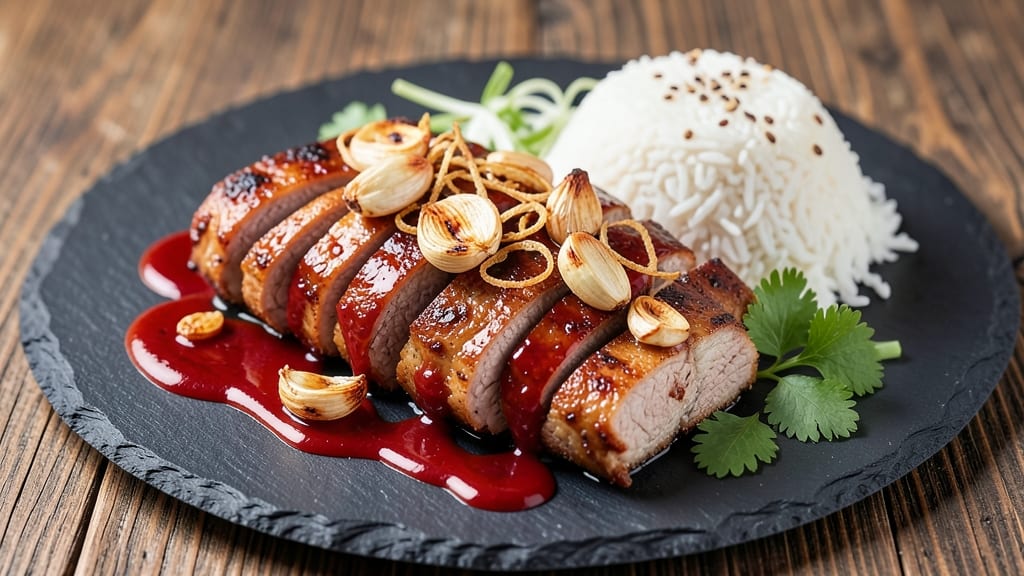
This adobo pork tenderloin recipe delivers crispy edges and a juicy core in just one pan—no braising required. 🔥 After perfecting this technique for years, I’ve cracked the code for tender pork that stays moist while developing that signature caramelized crust.
The secret? A balanced marinade of vinegar, soy sauce, and garlic that works its magic overnight.
The beauty of this method lies in its simplicity: tenderloin cuts cook quickly yet develop deep flavor, making it ideal for weeknight dinners or special occasions. Unlike traditional adobo recipes that call for hours of braising, this version transforms in under an hour with minimal effort.
The vinegar tenderizes while the soy sauce adds umami richness, creating a perfect balance of tangy and savory notes.
What you’ll end up with is perfectly seared pork with a caramelized exterior and tender, juicy meat inside—every bite delivers that satisfying contrast. The marinade’s acidity keeps the pork moist while the high-heat sear creates that coveted crispy crust.
This is the kind of dish that transforms a simple meal into something restaurant-worthy.
Pair it with steamed jasmine rice and sautéed greens for a complete Filipino-inspired feast. The leftovers reheat beautifully too, making this a versatile recipe for busy schedules. Let’s get cooking—this pork tenderloin is about to become your go-to weeknight favorite.
Ingredients for adobo pork tenderloin
Quality cuts and balanced marinade ingredients transform simple pork into restaurant-worthy adobo.
| Ingredient | Amount | Notes |
|---|---|---|
| Pork Tenderloin 🥩 | 1 ½ lb | Center-cut, trimmed of fat |
| White Vinegar 💧 | ½ cup | Distilled for best flavor |
| Soy Sauce 🥄 | ½ cup | Kikkoman preferred |
| Garlic Cloves 🧄 | 6 cloves | Minced, fresh preferred |
| Brown Sugar 🍯 | ¼ cup | Light or dark variety |
| Olive Oil 🫒 | 2 tbsp | Extra-virgin for searing |
| Black Peppercorns 🌶️ | 1 tsp | Freshly cracked for aroma |
| Bay Leaves 🌿 | 2 whole | Dried, for infusion |
| Salt 🧂 | 1 ½ tsp | Diamond Crystal preferred |
| Ground Black Pepper 🌶️ | ½ tsp | Freshly ground |
| Fresh Ginger 🌿 | 1 tbsp | Grated, for depth |
| Green Onions 🧅 | 2 whole | Sliced, for garnish |
The pork tenderloin is non-negotiable here—center-cut ensures tenderness while the lean cut sears beautifully. Costco or specialty butchers carry excellent quality, but any well-marbled tenderloin works. Trim excess fat for crispier edges. For the marinade, Kikkoman soy sauce delivers consistent flavor, though any high-quality brand suffices. Fresh garlic and ginger elevate the dish beyond basic marinades, so don't substitute with powders. The vinegar should be distilled white—apple cider adds unwanted sweetness.
No Kikkoman soy sauce? Tamari or coconut aminos work well, though flavor will differ slightly. Substitute apple cider vinegar for white vinegar, but reduce by 1 tablespoon to account for sweetness. Fresh ginger can be swapped for 1 teaspoon ground ginger, though texture differs. For a deeper color, add 1/2 teaspoon turmeric to the marinade. The brown sugar caramelizes during searing, creating that signature adobo crust—don't skip it. If you're short on time, marinate for at least 4 hours** instead of overnight, though flavor develops best overnight.
Marinated pork keeps 3 days in the fridge, fully submerged in marinade. The seared tenderloin reheats beautifully—350°F for 10-12 minutes covered with foil. For make-ahead convenience, freeze cooked pork in single portions for up to 3 months. Garnish with sliced green onions right before serving to maintain vibrant color. The marinade can be reused for 1-2 additional batches if strained and stored properly, though flavor diminishes slightly.
Why You'll Love This Recipe
- One-Pan Magic: Honestly, I love recipes that don’t make me feel like I’m running a restaurant. This dish? Just the tenderloin, vinegar, soy, and garlic—all in one skillet. The brown sugar caramelizes right on the pan, so you’re left with sticky, flavorful bits that turn into a quick sauce. No extra dishes, no stress.
- Tangy-Sweet Fix: Here’s what sold me—the balance. The vinegar cuts through the richness of the pork, while the brown sugar and soy sauce make it taste like you slaved over it for hours. That crispy edge with the creamy center? Chef’s kiss. And the aroma? It fills the whole house before it even hits the table.
- Meal Prep Hero: Between us, this is my go-to for busy weeks. Cook a big batch, slice it up, and it keeps for days in the fridge—perfect for wraps, sandwiches, or even cold cuts. I’ll be real: my kids grab it straight from the fridge for lunch, and they’re not picky eaters.
- Budget-Friendly Power: Pork tenderloin is lean, affordable, and doesn’t break the bank like other cuts. A single tenderloin feeds four, and the sauce stretches easily. Plus, the ingredients? Pantry staples. No fancy shopping trips—just good, reliable flavor that doesn’t cost a fortune.
Step-by-step instructions for adobo pork tenderloin
Here's the method for achieving perfectly balanced adobo pork with crispy edges and a juicy core.
🍳 Step 1: Marinate the Pork Tenderloin Overnight
In a large resealable bag, combine the 0.5 cup white vinegar, 0.5 cup soy sauce, 0.25 cup brown sugar, 1 tbsp grated fresh ginger, 1.5 tsp salt, 0.5 tsp ground black pepper, 6 minced garlic cloves, 1 tsp cracked black peppercorns, and 2 whole bay leaves. Seal the bag and massage the mixture until the sugar dissolves completely.
Add the 1.5 lb pork tenderloin to the bag, ensuring it's fully submerged in the marinade. Gently press out any air bubbles and seal tightly. Refrigerate for at least 8 hours or preferably overnight—this extended marination guarantees deep flavor penetration and tender meat. The acid in the vinegar will begin breaking down the proteins, while the sugar and soy sauce create a perfect balance of sweet and savory flavors.
🔥 Step 2: Sear the Pork for Maximum Flavor
Remove the pork from the refrigerator and let it sit at room temperature for 30 minutes before cooking. Heat 2 tbsp olive oil in a large oven-safe skillet over medium-high heat until shimmering. Pat the pork dry with paper towels—this ensures a better sear.
Sear the pork for 3-4 minutes per side until it develops a deep golden-brown crust. The edges should be firm to the touch, and you should see a slight char in spots. This searing step locks in juices and creates that essential crispy exterior we're after. Don't rush this step—patience here ensures perfect texture throughout the cooking process.
🥘 Step 3: Braise Until Tender with Crispy Edges
Transfer the skillet to a 375°F preheated oven. Pour any remaining marinade from the bag into the skillet, scraping up any browned bits from the bottom—these contain concentrated flavor. Add 2 sliced green onions and place the pork in the skillet.
Braise uncovered for 25-30 minutes until the internal temperature reaches 145°F and the edges are crispy while the center remains tender. The pork should pull away from the bone easily, and the sauce should reduce to a glossy consistency. If the sauce reduces too quickly, add 1-2 tablespoons of water to maintain moisture without diluting the flavor. The combination of oven heat and residual searing creates that perfect balance of textures.
⏰ Step 4: Rest and Garnish for Optimal Serving
Remove the pork from the oven and transfer it to a cutting board. Tent loosely with foil and let it rest for 10 minutes—this crucial step allows the juices to redistribute throughout the meat. Skim any excess fat from the braising liquid if desired, but leave enough to coat the bottom of the pan.
Slice the pork into ½-inch thick medallions and arrange on a serving platter. Spoon the reduced adobo sauce over the top and garnish with the remaining 2 sliced green onions. The final result should be pork with beautifully crispy edges that give way to a perfectly tender, juicy core. Serve immediately with steamed rice or roasted vegetables to soak up the flavorful sauce.
Pro Tips For Making Adobo Pork Tenderloin
- Sear the Pork First: Hit that tenderloin with a screaming-hot pan—no oil needed—until deep golden brown forms. I learned this the hard way: skipping the sear means the vinegar and soy sauce just soak into the meat instead of caramelizing into a glossy crust. Two minutes max, and don’t move it until it releases easily.
- Minimize Vinegar Splashing: Add the white vinegar after the pork browns, then immediately tilt the pan to coat the sides. I used to dump it all at once and ended up with a steamed mess instead of a braised one. The goal is to deglaze, not drown.
- Crush Garlic Coarse: Smash those garlic cloves with the flat side of your knife—no need to mince. After burning three batches of garlic, I finally realized that whole cloves stay intact longer, infusing flavor without turning bitter. Toss them in with the soy and sugar at the end.
- Reduce the Sauce Aggressively: Simmer that adobo sauce uncovered on high heat until it’s syrupy enough to coat the back of a spoon—about 8-10 minutes. I skip this step sometimes, and the dish tastes watery. Trust me, the effort makes all the difference when basting the pork.
Wine and beer pairings for this dish
Filipino Red Wine Pairings
For an authentic experience, reach for a Filipino red wine like Lambrusco or Pinot Noir from local vineyards. The tart acidity of Lambrusco complements the pork’s sweet-savory marinade beautifully, while Pinot Noir’s earthy notes harmonize with the garlic and ginger.
I always keep a bottle of Tarling Lambrusco from the Philippines on hand—it’s a local favorite that elevates the dish. 🍷
Spanish Sherry Harmony
A dry Fino sherry (like Tio Pepe) cuts through the richness of the adobo sauce while enhancing the pork’s caramelized edges. The briny, nutty profile balances the sweetness of the brown sugar and the acidity of the vinegar.
Serve it chilled in small glasses—it’s perfect for sipping alongside the meal. For a bolder option, try Pedro Ximénez if you prefer a sweeter contrast.
Craft Beer Pairings
For beer lovers, a wheat beer like Allagash White or a Belgian witbier (such as Hoegaarden) works wonders. The citrusy, spicy notes of wheat beer brighten the dish, while the corianander and orange peel in witbiers add a refreshing twist.
Avoid heavy stouts—they’ll overpower the delicate flavors. I often pair this recipe with a local Georgia wheat beer from Atlanta’s Three Taverns Brewing.
Local Southeast Options
If you’re cooking in the Southeast, seek out Muscadine wine from Georgia or Carolina Gold—both have enough body to stand up to the pork’s bold flavors. For a non-alcoholic option, sparkling Muscadine grape juice (like Woodbridge) adds a festive touch without alcohol.
These regional picks keep the meal rooted in local tradition while delivering big flavor. 🍺
Dessert Wine Finish
End the meal with a Moscato d’Asti or Riesling to cleanse the palate. The light sweetness and fruity acidity of these wines refresh your taste buds after the rich pork. I like to serve a small glass with Filipino-style mango slices—the tropical sweetness contrasts perfectly with the savory adobo.
This pairing turns a simple dinner into a memorable feast. 🍇
Nutrition facts
Frequently asked questions
Can I substitute pork tenderloin with another cut?
For best results, stick with pork tenderloin as it cooks quickly and stays tender. However, you can use pork loin chops (thicker cuts) or pork shoulder—just adjust cooking time. Shoulder needs 1.5-2 hours braising time and benefits from longer marinating (24 hours). Avoid fatty cuts like ribs or belly, as they won't develop the same crispy texture.
Why does my adobo pork turn out dry?
Overcooking is the #1 cause! Pork tenderloin finishes at 145°F—use a meat thermometer. Another culprit is skipping the rest time (don't slice immediately). For extra moisture, add 1-2 tbsp water during braising. Pro tip: Pat the pork dry before searing, but don't over-dry it—keep a thin layer of moisture for steam during cooking.
How can I make this recipe gluten-free?
Swap soy sauce for tamari or coconut aminos (use equal amounts). Check labels—some tamari brands contain wheat. The rest of the marinade is naturally gluten-free. For extra depth, add 1 tsp fish sauce (ensure it's gluten-free certified). The texture and flavor will be slightly different but still delicious.
What's the best way to reheat leftovers?
Slice leftovers first, then reheat in a skillet with 1 tsp olive oil over medium-low heat for 3-4 minutes until warmed through. Microwaving works too—cover with a damp paper towel and heat for 45-60 seconds. Never reheat above 165°F—this prevents drying. The crispy edges won't be as pronounced but the meat stays juicy.
Can I grill this recipe instead of oven-braising?
Sear the pork as directed, then grill over medium heat for 10-12 minutes, turning occasionally. Baste with reserved marinade every 2-3 minutes. Finish with a quick broil (if your grill has one) for 1-2 minutes to crisp edges. For indirect heat grilling, wrap the pork in foil with marinade and cook at 325°F for 20-25 minutes**.