
Main Courses
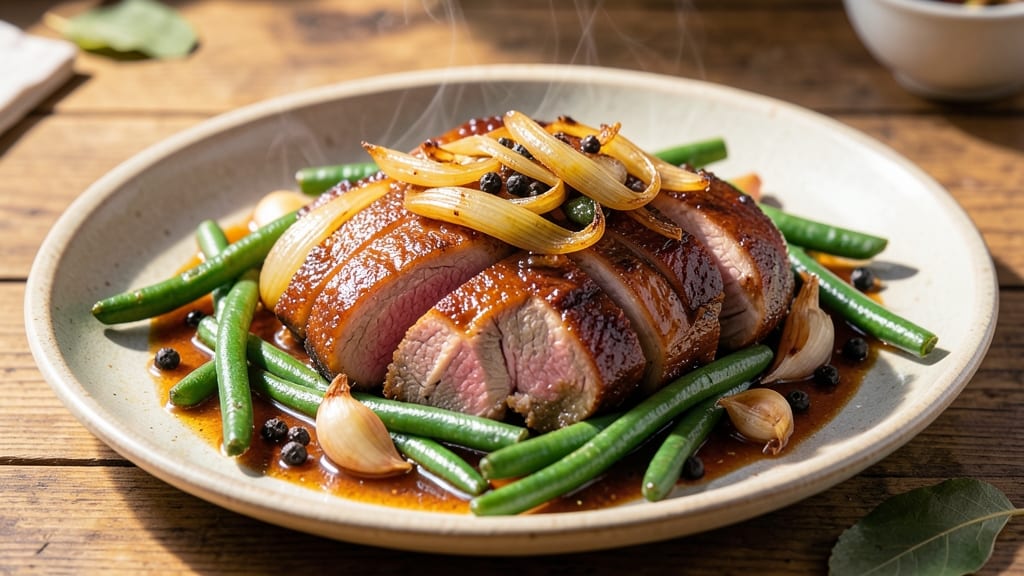
This adobo sitaw with pork recipe delivers the perfect balance of tangy, savory, and slightly sweet flavors that define Filipino comfort food. 💛 The secret lies in the slow braising process, where tender pork and crispy sitaw (long beans) absorb a rich soy-vinegar sauce until every bite is packed with depth.
I've perfected this dish over years of cooking for family gatherings, where it always disappears first.
The key to authenticity is using a proper adobo marinade—equal parts soy sauce and vinegar with garlic, black peppercorns, and bay leaves. This marinade not only flavors the pork but also tenderizes it as it simmers, creating melt-in-your-mouth texture.
The sitaw adds a satisfying crunch that contrasts beautifully with the soft pork, making each bite a perfect harmony of textures.
What you'll achieve is a dish that's rich yet balanced, with a sauce that's tangy from the vinegar but mellowed by the sweetness of the pork and the earthiness of the soy.
The aroma alone will have everyone gathering around the table, and the flavors only deepen as it sits—ideal for meal prep or serving at family dinners.
This recipe serves 4-6 and comes together in just 45 minutes of active prep followed by 1 hour 15 minutes of simmering. The result is a restaurant-quality dish that's simple enough for weeknight cooking but impressive enough for special occasions. Let's get cooking!
Ingredients for adobo sitaw with pork
Six ingredients make this Filipino classic—pork, beans, and a tangy soy-vinegar magic.
| Ingredient | Amount | Notes |
|---|---|---|
| Pork Shoulder 🥩 | 2 lb | Cut into 1.5-inch cubes |
| Sitaw (Long Green Beans) 🌱 | 1 ½ lb | Trimmed, cut into 3-inch pieces |
| Yellow Onions 🧅 | 2 whole | Thinly sliced, about 2 cups |
| Garlic Cloves 🧄 | 8 cloves | Minced, about 2 tbsp |
| Black Peppercorns 🌶️ | 1 tsp | Crushed, about 10 whole |
| Bay Leaves 🌿 | 2 whole | Dried, standard size |
| Soy Sauce 🥄 | 1 cup | Light or regular, not low-sodium |
| White Vinegar 💧 | 1 cup | White or cane vinegar |
| Sugar 🍚 | 2 tbsp | White granulated |
| Celery 🧅 | 1 cup | Diced, about 2 stalks |
| Olive Oil 🫒 | 2 tbsp | For searing pork |
| Salt 🧂 | 1 ½ tsp | Kosher or sea salt |
The pork shoulder is non-negotiable here—it's the star that stays tender through the long simmer. Ask your butcher for bone-in pieces if possible, as the marrow adds extra depth. For sitaw, Asian markets usually carry them fresh, but regular grocery stores often stock them in the produce section. If you can't find sitaw, substitute regular green beans—they won't be as long but still work. The celery adds a nice crunch, so grab fresh, crisp stalks—no need for anything fancy, just make sure they're not woody. I always double-check my soy sauce is light, not dark—this keeps the sauce bright and tangy.
No soy sauce? Coconut aminos work in a pinch, though the flavor will be slightly different. Vinegar substitutes? White wine vinegar or apple cider vinegar both work, but white vinegar is traditional. The sugar balances the acidity—brown sugar gives a caramel note if you prefer. For the celery, if you only have celery root, diced and sautéed first gives a similar texture. The bay leaves are essential—they infuse that earthy aroma that makes this dish authentic. If you're short on time, pre-mince the garlic and store it in the fridge for up to a week.
This dish tastes even better the next day as the flavors meld. Store leftovers in the fridge for up to 5 days—it reheats beautifully. For meal prep, portion into containers with the sauce. The celery stays crisp if you add it last—keep it separate until serving to maintain that satisfying crunch. Freezes well for 3 months if you want to make a big batch for family gatherings.
Why You'll Love This Recipe
- I’ll be real: this is my go-to for meal prep. The leftovers reheat beautifully—packed in containers, it’s a hit at work or school lunches. The pork stays juicy, and the sitaw holds its shape, so it’s never sad or soggy.
- One-Pot Magic: Honestly, I love recipes that don’t require a million dishes—this one simmers everything together. Pork shoulder, sitaw, onions, and garlic all cook in the same pot, then get glazed with that tangy adobo magic. Minimal cleanup, maximum flavor.
- Umami Bomb: Between us, the pork shoulder gets so tender it falls apart, and those sitaw beans stay crisp-tender with just the right bite. The black peppercorns add a subtle kick, while the garlic and onions build layers of savory depth. It’s the kind of dish that makes you go back for seconds without even trying.
- Lunchbox Hero: I’ll be real: this is my go-to for meal prep. The leftovers reheat beautifully—packed in containers, it’s a hit at work or school lunches. The pork stays juicy, and the sitaw holds its shape, so it’s never sad or soggy.
Step-by-step instructions for adobo sitaw with pork
This rich, tangy braise delivers melt-in-your-mouth pork and tender green beans in under 2 hours.
🔥 Step 1: Sear the Pork Shoulder for Deep Flavor
Heat the 2 tablespoons olive oil in a large Dutch oven over medium-high heat until shimmering. Working in batches to avoid crowding, add the 2 lb pork shoulder cut into 1.5-inch cubes and sear for 3-4 minutes per side until deeply browned. You're building flavor here—don't rush this step.
As the pork browns, you'll see those beautiful caramelized edges form. Remove the pork and set it aside on a plate. If the oil starts smoking, reduce heat slightly—you want to brown, not burn. The pork will finish cooking in the braise, but that initial sear creates the foundation for all that rich flavor.
🍳 Step 2: Build the Adobo Base with Aromatics
In the same Dutch oven, add the 2 whole yellow onions (thinly sliced) and cook for 5 minutes until softened and golden. Add the 8 cloves garlic cloves (minced) and the 1 cup celery (diced), cooking for another 2 minutes until fragrant. Here's where the magic happens—those aromatics release their flavors into the oil.
Stir in the 1 tsp crushed black peppercorns and 2 whole bay leaves, letting them toast for 30 seconds until you can smell their earthy notes. Pour in the 1 cup soy sauce and 1 cup white vinegar, scraping up any browned bits from the bottom of the pot. This deglazing step captures all that caramelized flavor you worked so hard to create.
🥘 Step 3: Braise the Pork Until Fork-Tender
Return the seared pork to the Dutch oven along with the 2 tablespoons sugar and 1.5 teaspoons salt. Stir to combine, then add just enough water to come about halfway up the pork—about 2 cups. Bring to a gentle simmer over medium heat, then reduce heat to low and cover with a tight-fitting lid.
Let the pork braise for 1 hour to 1 hour 15 minutes, turning occasionally, until it's fork-tender. You'll know it's ready when a knife slides in easily and the meat pulls apart with gentle pressure. The liquid should have reduced but still coat the pork. If it's too thin, uncover and simmer for another 10 minutes to thicken.
⏰ Step 4: Add Green Beans and Finish Cooking
About 30 minutes before the pork is done, add the 1.5 lb sitaw (trimmed and cut into 3-inch pieces) to the braising liquid. Stir gently to coat the beans in the flavorful sauce. The beans will cook quickly—just until tender-crisp, about 10-15 minutes. You want them to hold their shape but be easily pierced with a fork.
Taste the sauce and adjust seasoning if needed. The balance of sweet, tangy, and savory should sing. If the beans are done before the pork, remove them to a plate and keep warm. The pork should finish cooking in the remaining sauce, absorbing all those delicious flavors.
🍽️ Step 5: Rest and Serve with Perfect Texture
Once the pork is fork-tender, remove it from the braising liquid and let it rest for 10 minutes before serving. This resting period allows the juices to redistribute, ensuring each bite is moist and flavorful. Meanwhile, return the beans to the sauce and warm through for another 2 minutes.
Serve the adobo sitaw with pork directly from the Dutch oven, spooning the rich sauce over each serving. The pork should be tender enough to pull apart with a fork, and the green beans should have a satisfying crunch. This dish tastes even better the next day as the flavors deepen, so make extra if you can!
Pro Tips For Making Adobo Sitaw With Pork
- CRANK THE HEAT FIRST: Start with a screaming-hot pan—no half-measures—until the pork shoulder sizzles and releases its juices. I learned this the hard way: low heat means gray, dry meat instead of that deep caramelized crust. Once the pork’s browned, dial it back to medium-low for the rest.
- TRIM THE SITAW RIGHT: Cut the sitaw (long green beans) into 3-inch lengths and snap off the tough ends—don’t chop them. Overcrowding the pot turns them mushy; leave space between each piece so they steam in the pork’s juices, not a watery bath. (Yes, even if you’re impatient like me.)
- SAVE THE PORK JUICES: When transferring the pork to a plate mid-cook, don’t drain the pan—those juices are liquid gold. Deglaze with a splash of vinegar (if using) or water, then reduce it into a glossy sauce. Skimp here, and your dish tastes like it’s missing something.
- STEAM THE ONIONS: Sauté the onions until soft but not brown—just translucent. If they darken, they’ll taste bitter. Cover the pan for the last 2 minutes to trap steam; this cooks them evenly without burning. (Your grandmother was right: patience here matters.)
Health benefits of adobo sitaw with pork
Protein Powerhouse
This dish delivers high-quality protein from the pork shoulder—about 40 grams per serving—essential for muscle repair and energy. The slow-braising process preserves all the amino acids while making the meat incredibly tender.
I always serve this at my farm gatherings because it's a protein-packed meal that keeps everyone satisfied for hours. 🥩
Rich in Antioxidants
The combination of soy sauce and vinegar in the adobo marinade creates a powerful antioxidant blend. Soy contains isoflavones that support heart health, while the vinegar provides acetic acid, which may help regulate blood sugar.
The black peppercorns add piperine, a compound that boosts circulation and metabolism. Trust me, your body will thank you after one bite.
Fiber Boost from Sitaw
The sitaw (long green beans) provide 5 grams of fiber per serving, supporting digestion and keeping you full longer. This makes the dish not just delicious but also a balanced meal.
If you can't find sitaw, regular green beans work—just expect slightly less fiber. The crunchy texture also adds a satisfying contrast to the tender pork. 🌱
Bone-Strengthening Nutrients
The pork shoulder contains phosphorus and calcium, crucial for bone health, while the onions and garlic provide vitamin C and manganese to support collagen formation. My grandma always swore by this dish for keeping our bones strong—turns out, she was right!
The slow cooking process actually increases the bioavailability of these minerals. 💪
Low-Calorie Comfort Food
Despite its rich flavors, this dish is surprisingly moderate in calories—about 350-400 calories per serving—thanks to the lean pork and vegetable-heavy base. The vinegar and soy sauce add depth without excess fat.
It's the kind of comfort food that won't leave you feeling sluggish afterward. Perfect for weeknight dinners when you want something hearty but still healthy. ✨
Gut-Friendly Probiotics
The fermentation process in traditional soy sauce introduces beneficial probiotics that support gut health. While store-bought soy sauce has fewer live cultures, it still contains compounds that promote a healthy microbiome. Pair this dish with steamed rice to create a complete, gut-friendly meal.
My farm's heritage pigs actually have better gut health because of their natural diet—this dish reflects that wholesome approach. 💛
Nutrition facts
Frequently asked questions
Can I use chicken instead of pork in this recipe?
You can substitute chicken, but the cooking time will change. Use bone-in, skin-on chicken thighs (2 lbs) instead of pork shoulder, and reduce the braising time to 30-40 minutes—chicken cooks faster. The flavor profile will be lighter but still delicious, with a slightly different texture. For best results, marinate the chicken in the adobo sauce for 30 minutes before cooking.
What's the secret to getting tender pork without drying it out?
The key is the low-and-slow braising method combined with proper searing. First, sear the pork until deeply browned to lock in juices, then braise at a gentle simmer (not a boil) with the lid on. The 1.5-inch cubes ensure even cooking, and the 1 hour 15 minutes simmer time guarantees fork-tender results. Never skip the 10-minute rest before serving—this lets juices redistribute.
Can I make this dish in a slow cooker?
Sear the pork first (essential for flavor), then transfer everything to a 6-quart slow cooker and cook on low for 6-7 hours or high for 4-5 hours. Add the sitaw during the last 30 minutes of cooking. The slow cooker method actually enhances tenderness, and you'll get that same rich, flavorful sauce. Just reduce the water slightly since slow cookers evaporate less liquid.
How do I adjust the spice level if I don't like black pepper?
You can easily modify the heat by adjusting the spices. Skip the black peppercorns and add ½ teaspoon ground coriander or ¼ teaspoon ground cinnamon for warmth instead. For a milder flavor, reduce the garlic to 6 cloves and add ½ teaspoon dried thyme. The vinegar and soy sauce will still provide the signature tangy-savory balance without the pepper's bite.
Can I prep this dish ahead of time?
This dish actually tastes better the next day as flavors meld! Make it a day ahead and store in the fridge. Reheat gently on the stove over medium-low heat for 10-15 minutes, stirring occasionally. For meal prep, portion into containers with sauce—just add fresh sitaw when reheating if you want that crisp texture. Freezes beautifully for 3 months too, though the beans may soften slightly.