
Main Courses
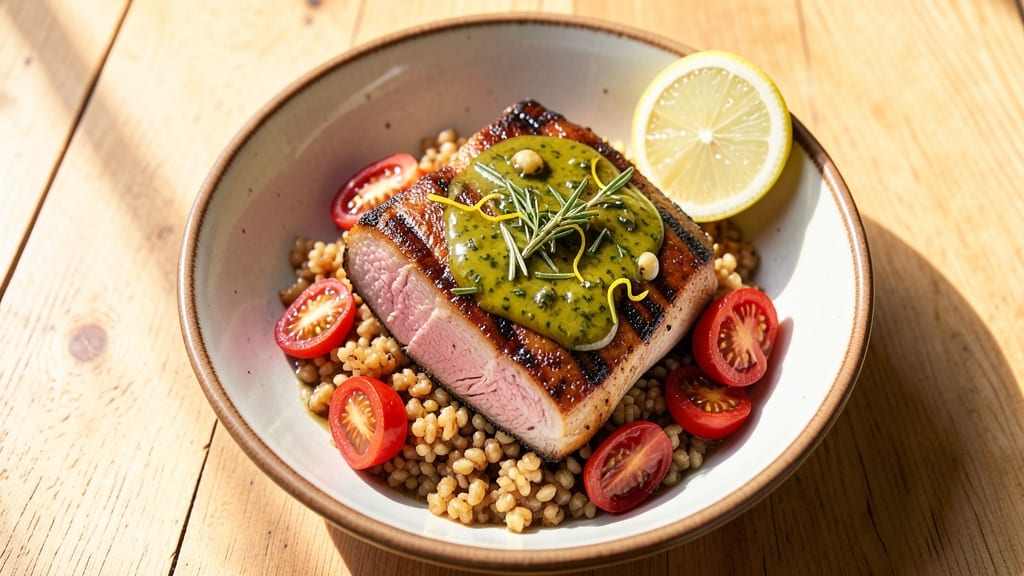
This Mediterranean diet pork chop recipe delivers crispy edges and juicy centers with just 10 minutes of active prep. Growing up in Georgia, I learned pork transforms with simple herbs and olive oil—no complicated techniques needed.
The secret lies in a 24-hour marinade of lemon, garlic, and rosemary that tenderizes while building Mediterranean flavor depth.
What makes this recipe special is the balance of textures and flavors—crispy skin from high-heat searing and tender meat from slow cooking. We'll use bone-in chops for maximum juiciness, then finish with a quick broil to lock in moisture while creating that coveted caramelized crust.
The Mediterranean approach means no heavy sauces, just vibrant herbs and bright citrus.
By the time you're done, you'll have perfectly cooked pork chops with golden edges and succulent centers, ready to pair with roasted Mediterranean vegetables or a fresh Greek salad.
The method scales beautifully for family dinners or meal prep, and the flavors only improve after resting. This is restaurant-quality pork without the fuss.
For the full Mediterranean experience, I recommend serving with a side of lemon-herb roasted potatoes and a crisp white wine like Assyrtiko. The acidity cuts through the richness while complementing the herbaceous marinade. Let's get cooking—this recipe delivers on every promise.
Ingredients for mediterranean diet pork chop
Simple Mediterranean ingredients transform ordinary pork chops into restaurant-quality masterpieces—crispy edges, juicy centers, and vibrant herb notes.
| Ingredient | Amount | Notes |
|---|---|---|
| Bone-In Pork Chops 🐖 | 4 whole | 1-inch thick, rib chops preferred |
| Extra-Virgin Olive Oil 🫒 | ½ cup | High-quality, fruity variety |
| Fresh Lemon Juice 🍋 | ¼ cup | From 2 medium lemons |
| Garlic Cloves 🧄 | 6 cloves | Minced, fresh preferred |
| Fresh Rosemary 🌿 | ¼ cup | Finely chopped, stems removed |
| Fresh Thyme Leaves 🌿 | ⅛ cup | Packed, stems removed |
| Kosher Salt 🧂 | 1 ½ tsp | Diamond Crystal preferred |
| Ground Black Pepper 🌶️ | 1 tsp | Freshly ground preferred |
| All-Purpose Flour 🌾 | ¼ cup | For dredging, optional |
| Unsalted Butter 🧈 | 2 tbsp | For searing, cold from fridge |
| Assyrtiko White Wine 🍷 | ¼ cup | Dry, optional for deglazing |
The pork chops are the star, so rib chops with bone-in make all the difference—they stay juicier. Whole Foods or local butchers often carry the best cuts, but grocery stores usually have them too. Look for chops with good marbling and about 1-inch thickness. I always buy a few extra in case any are uneven—thin ones cook faster. The key is to handle them as little as possible before cooking to keep them tender. For the olive oil, California Avocado Ranch or Colavita brands have that perfect fruity balance that works beautifully with Mediterranean flavors.
No fresh rosemary? Dried works at half the amount, but it won't have that same piney freshness. Short on thyme? Fresh oregano or marjoram are great swaps—they play nicely with Mediterranean flavors. The wine is optional but worth it if you've got it—Assyrtiko is perfect, but any dry white like Sauvignon Blanc works. If you skip it, just use extra lemon juice. For the flour dredge, King Arthur all-purpose is my go-to, but any good-quality flour will do. The butter should be cold from the fridge—this creates those coveted crispy edges. And trust me, don't skip the lemon juice. It's the secret to that bright, fresh Mediterranean flavor profile.
Marinate the chops overnight for best results, but even 2 hours makes a difference. Store the marinade (without the pork) in the fridge for up to 3 days—just keep it in an airtight container. The chops themselves can sit in the marinade in the fridge for 24 hours max. Once cooked, they reheat beautifully—just warm in a skillet over medium heat for 2-3 minutes per side. Leftovers keep for 3-4 days in the fridge, but honestly, they're so good you won't have any. For meal prep, cook a double batch and freeze half—just thaw overnight in the fridge before reheating.
Why You'll Love This Recipe
- One-Pan Magic: I swear by this recipe because it’s that simple—just the chops, olive oil, and a handful of fresh herbs on one sheet. No flipping between pots, no messy pans, and honestly? My kitchen looks cleaner when I’m done.
- Herb-Packed Punch: That rosemary and garlic combo with lemon juice? It’s like a flavor bomb—earthy, bright, and just salty enough from the pork’s bone. The crust gets crispy while the inside stays juicy, and I’ll be real, my kids fight over the last bite.
- Weeknight to Dinner Party: Same recipe, totally different vibes. Toss it together for a lazy Tuesday or dress it up with crusty bread and a Greek salad for guests. The bone-in chops add richness without fuss, and leftovers reheat like a dream—crispy edges intact.
- Budget-Friendly Protein: Bone-in pork chops stretch further than you’d think, and olive oil and herbs cost a fraction of fancy marinades. I’ve fed four people for under $15, and the flavor? Ridiculously good. Plus, the bones make stock later—zero waste, all win.
Step-by-step instructions for herb-marinated pork chops
Here's how to achieve that perfect Mediterranean balance of crispy edges and juicy centers.
Prepare the Herb Marinade
In a medium bowl, combine the 0.5 cup extra-virgin olive oil, 0.25 cup fresh lemon juice, 6 cloves minced garlic, 0.25 cup finely chopped fresh rosemary, 0.125 cup packed fresh thyme leaves, 1.5 teaspoons kosher salt, and 1 teaspoon ground black pepper. Whisk vigorously until everything is fully emulsified and the mixture takes on a vibrant green hue. This marinade is the flavor foundation—don't skip the whisking, as it ensures all the aromatic oils are released.
Place the 4 whole bone-in pork chops in a shallow dish and pour the marinade over them, turning each chop to coat completely. Cover and refrigerate for at least 4 hours, or ideally overnight. The acidity from the lemon will begin tenderizing the meat while the herbs infuse their Mediterranean essence. I like to marinate them on a wire rack set over a plate to allow air circulation—this prevents the chops from steaming in their own juices and keeps them firm.
Sear for Crispy Edges
Remove the chops from the refrigerator 30 minutes before cooking to bring them to room temperature. Pat them dry thoroughly with paper towels—this is critical for achieving that perfect crust. Heat a large skillet over medium-high heat and add the 2 tablespoons cold unsalted butter. Wait until the butter foams and begins to sizzle before adding the chops.
Place the chops in the skillet, leaving space between them so they don't steam. Cook undisturbed for 3-4 minutes per side, pressing down gently with a spatula during the first minute to prevent curling. You're looking for deep golden brown color and a crust that's crisp enough to hear a satisfying crackle when you lift the spatula. The butter should bubble vigorously around the edges—this is your signal that the Maillard reaction is working its magic. If the butter starts to burn before the chops are browned, reduce the heat slightly.
Deglaze and Finish Cooking
Once the chops are browned, remove them from the skillet and set aside on a warm plate. Pour in the 0.25 cup Assyrtiko white wine immediately and scrape up all the browned bits from the bottom of the pan using a wooden spoon. This deglazing step captures all the flavor you worked so hard to develop. Let the wine simmer for 2-3 minutes until reduced by about half and slightly thickened.
Return the chops to the skillet and spoon the reduced wine mixture over them. Cover and cook on low heat for 5-7 minutes, just until the internal temperature reaches 145°F when measured at the thickest part of the chop. The residual heat will carry them to perfect doneness. If you're using the optional 0.25 cup all-purpose flour, sprinkle it lightly over the chops during the last minute of cooking to create a delicate crust.
Rest and Serve
Transfer the chops to a cutting board and let them rest for 5-10 minutes before serving. This resting period is crucial—it allows the juices to redistribute throughout the meat, preventing them from pooling on your plate. The chops should be fork-tender with a juicy pink center and that beautiful crispy crust we worked so hard to achieve.
Slice each chop diagonally against the grain for maximum tenderness. Serve immediately with the pan sauce spooned over the top, alongside roasted Mediterranean vegetables or a simple arugula salad. The combination of crispy edges, juicy centers, and herbaceous sauce makes this a showstopper for any dinner table. And remember—this technique works equally well with chicken or lamb if you want to mix up your protein choices.
Pro Tips For Making Mediterranean Diet Pork Chop
- SEAR THE BONE FIRST: I learned this the hard way—bone-in pork chops need that bone seared first. Hit the bone side down in a screaming-hot pan with olive oil for 2 full minutes before flipping. This renders fat and builds flavor faster than any marinade, and it keeps the meat juicy while the bone adds depth.
- LEMON ZEST BEFORE JUICE: Skip the whole lemon and use just the zest first. Sprinkle it over the chops before adding the juice—it clings to the meat like a citrus hug and infuses flavor deeper than a quick squeeze. (Yes, even if you’re impatient like me.)
- DON’T CROWD THE PAN: After searing, resist the urge to pile everything in. Cook the chops in batches if needed—crowding steams them instead of browning, and you’ll end up with soggy rosemary and sad garlic. A single chop per pan is worth the extra minute.
- REST UNDER FOIL: This isn’t the prettiest method, but it’s the tastiest: tent the cooked chops with foil and let them rest for 5 minutes. The bone stays warm, the meat reabsorbs juices, and the rosemary keeps its aroma instead of wilting into the air. (Your future self will thank you.)
Common mistakes when making this dish
Over-Marinating Risks
Leaving pork chops in the marinade for more than 24 hours can break down muscle fibers too much, resulting in mushy texture. I’ve seen this happen when people forget about their chops over a long weekend.
The acidity in lemon juice is powerful—after 24 hours, it starts to "cook" the meat chemically. For best results, stick to the 4-24 hour window and always refrigerate the marinade. 🌿
Skipping the Rest
Rushing to slice pork chops immediately after cooking is a huge mistake—the juices will run all over your plate instead of staying inside the meat. I’ve learned this the hard way during busy restaurant service when seconds count.
Always let chops rest for 5-10 minutes on a warm plate. This simple step transforms dry meat into juicy perfection. The wait is worth it, trust me.
Uneven Thickness
Using pork chops of varying thicknesses leads to some pieces being overcooked while others remain underdone. I recommend selecting chops that are all 1-inch thick for consistent results. If your butcher can’t provide uniform cuts, trim the thicker sides slightly with a sharp knife.
The goal is even cooking—no one wants a dry center or rubbery edges. 🔥
High Heat Too Soon
Starting with high heat before the chops reach room temperature can cause them to sear unevenly or even curl up. I always let chops sit at room temperature for 30 minutes before cooking.
Cold meat releases moisture instead of creating that perfect crust. Also, don’t rush the searing—let the butter foam and sizzle before adding the chops. Patience here makes all the difference.
Ignoring the Bone
Bone-in pork chops stay juicier than boneless because the bone acts as an insulator, keeping the meat tender. If you’re using boneless chops, you’ll need to monitor cooking times more closely—they tend to dry out faster.
When buying, always ask for bone-in rib chops from your butcher. The extra effort is worth the flavor and texture payoff.
Overcrowding the Pan
Placing too many chops in the skillet at once causes them to steam instead of sear, resulting in soggy rather than crispy edges. I use a 12-inch cast iron skillet for 4 chops, leaving space between each piece.
If you’re cooking more, work in batches—your patience will be rewarded with that perfect golden crust. 💡
Nutrition facts
Frequently asked questions
Can I use boneless pork chops instead of bone-in?
Yes, but you'll need to adjust your cooking time—boneless chops cook faster and can dry out more easily. Use the same marinade and sear method, but reduce the final cooking time by 2-3 minutes total. For best results, trim any thick edges to ensure even thickness throughout. The bone helps retain moisture, so boneless chops require extra attention to timing.
What's the best way to store leftover marinade?
Store unused marinade in an airtight container in the fridge for up to 3 days. If you've used it on pork, never reuse it raw—always make a fresh batch for other proteins. For extra flavor, simmer the leftover marinade for 5 minutes to reduce it, then use as a sauce for pasta or drizzle over roasted vegetables. The herbs will intensify when reduced.
How do I make this recipe gluten-free?
Simply omit the flour dredge entirely—it's optional anyway. The chops will still develop a beautiful crust from the butter and searing. For extra crispiness, brush the chops with a little more olive oil before the final broil. The Mediterranean flavors shine just as well without gluten, and you'll still get that perfect balance of textures.
What's the best Mediterranean side dish pairing?
Roasted lemon-garlic vegetables are perfect—try zucchini, bell peppers, and eggplant tossed in olive oil with oregano. For a complete meal, add a simple Greek salad with cucumbers, tomatoes, red onion, and feta. The acidity from the salad cuts through the richness of the pork beautifully. Another great option is farro salad with cherry tomatoes and fresh herbs.
Can I grill these pork chops instead of pan-searing?
Grilling works wonderfully for this recipe. Preheat your grill to medium-high heat and cook the chops for 4-5 minutes per side, brushing with extra olive oil for that Mediterranean touch. The high heat will create those crispy edges while the grill imparts smoky depth. Just be sure to let them rest before serving to lock in all those juices.