
Main Courses
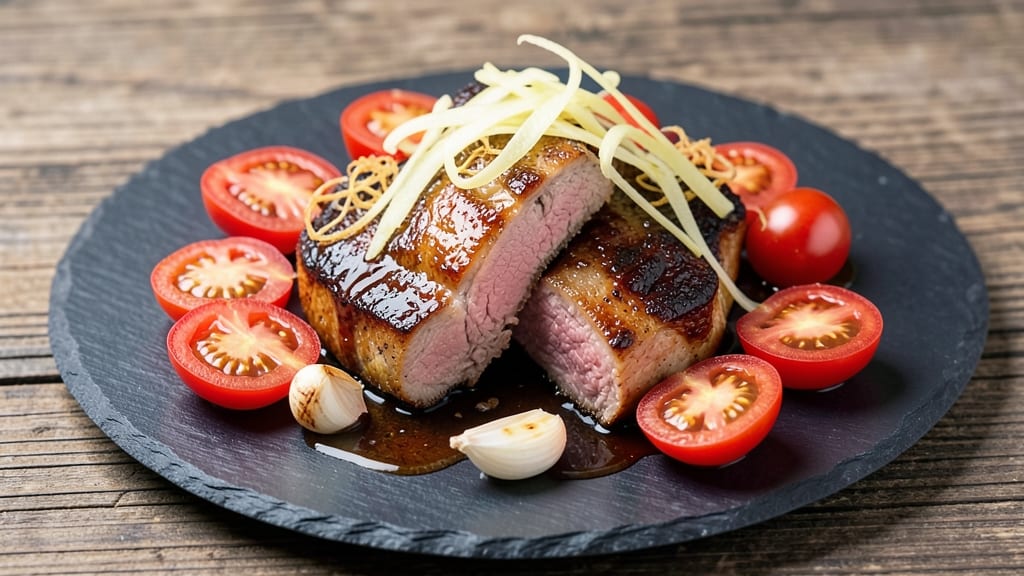
This Chinese tomato pork chop recipe delivers restaurant-quality results with a perfect balance of sweet, sour, and umami—all achieved through a simple yet transformative glaze. 🔥 The secret lies in caramelizing the edges while keeping the pork tender, creating a dish that’s both elegant and approachable.
I developed this recipe after years of perfecting braising techniques in my kitchen, ensuring the sauce integrates seamlessly with the meat rather than sitting on top. The process begins with a quick marinade of soy sauce, garlic, and ginger, which tenderizes the pork while building flavor.
As the pork cooks in the oven, the tomato-based sauce reduces into a glossy, sticky glaze that clings to every bite. The result? Juicy, caramelized pork chops with a glossy, tangy-sweet sauce that’s impossible to resist.
What sets this recipe apart is the foolproof technique that ensures the sauce doesn’t overpower the pork—just the right amount of acidity and sweetness to complement the meat’s natural richness. The edges develop a beautiful caramelized crust, while the interior remains tender and flavorful.
Serve these pork chops over steamed jasmine rice or with a side of stir-fried bok choy for a complete, restaurant-worthy meal. Here’s how to make them—step by step.
Ingredients for chinese tomato pork chop
Four tender pork chops and twelve ingredients transform into restaurant-quality sweet-sour perfection.
| Ingredient | Amount | Notes |
|---|---|---|
| Bone-In Pork Chops 🍖 | 4 whole | 1-inch thick, rib or loin cut |
| Extra-Virgin Olive Oil 🫒 | 2 tbsp | For searing pork chops |
| Fresh Garlic Cloves 🧄 | 6 cloves | Minced for marinade |
| Fresh Ginger Root 🌿 | 1 ½ tbsp | Finely grated, peeled |
| Low-Sodium Soy Sauce 🥄 | ½ cup | Kikkoman preferred |
| Ripe Roma Tomatoes 🍅 | 1 lb | Diced, San Marzano ideal |
| White Wine Vinegar 🍷 | ¼ cup | For acidity balance |
| Dark Brown Sugar 🍚 | ¼ cup | Packed, for caramelization |
| Honey 🍯 | 2 tbsp | Wildflower preferred |
| Dried Red Chili Flakes 🌶️ | 1 tsp | Adjust for heat preference |
| Diamond Crystal Kosher Salt 🧂 | 1 ½ tsp | For seasoning and sauce |
| Ground Black Pepper 🌶️ | ½ tsp | Freshly cracked |
| Jasmine Rice 🍚 | 1 ½ cups | Uncooked, for serving |
| Fresh Cilantro 🌿 | ¼ cup | Chopped, for garnish |
The pork chops are non-negotiable—bone-in cuts develop richer flavor and caramelize beautifully. Look for ribeye or loin cuts at Whole Foods or your local butcher, ideally 1-inch thick for even cooking. If using frozen, thaw overnight in the fridge—never at room temperature. The San Marzano tomatoes elevate this dish; their sweetness and low acidity create the perfect balance. I always buy them canned in Trader Joe's or Costco bulk packs for consistent quality. For the ginger, freshly grated delivers the best aroma, though powdered works in a pinch at half the amount.
No fresh garlic? Garlic powder at one-third the amount suffices, though it lacks depth. Substitute the soy sauce with coconut aminos for a gluten-free option, though the umami won't be identical. The vinegar can be swapped for lemon juice, but white wine vinegar's acidity cuts through the richness more cleanly. For a deeper caramelization, swap half the brown sugar for maple syrup—it adds complexity. The chili flakes are optional but recommended; omit entirely for a mild version. If your tomatoes are underripe, roast them briefly to concentrate their sweetness before dicing.
Store the marinade in an airtight container for up to 5 days in the fridge, though fresh is best. The cooked pork chops reheat beautifully—350°F for 10 minutes restores their moisture. Sauce leftovers keep for 4 days refrigerated; freeze portions for 3 months. For presentation, garnish with fresh cilantro right before serving—it brightens the dish. The jasmine rice should be steamed to perfect tenderness (1:1.5 rice-to-water ratio) and served immediately alongside the pork chops.
Why You'll Love This Recipe
- One-Pan Magic: I swear by this recipe when I don’t want to scrub a million dishes—just sear those bone-in pork chops in olive oil, toss in the garlic and ginger, and let the tomatoes caramelize right on the same pan. The pork stays juicy, the sauce thickens effortlessly, and I’m done before the kids even notice dinner’s ready.
- Umami Bomb: That combo of low-sodium soy sauce, fresh ginger, and garlic? It’s like a flavor explosion in your mouth. The pork develops this perfect crispy edge while staying tender inside, and the tomatoes soak up all that savory goodness—no heavy sauces, just pure, addictive taste.
- Weeknight Workhorse: Honestly, this is my go-to when I’m too tired to plan. Double the batch, and I’ve got leftovers for lunches that taste just as good cold as they do hot. Plus, it’s fancy enough for date night but simple enough to throw together after a long day—no one will guess it took less than 30 minutes.
- Budget-Friendly Feast: Bone-in pork chops stretch further than you’d think, and the ingredients won’t break the bank. A few cloves of garlic, a knob of ginger, and a handful of tomatoes turn cheap cuts into something special. I’ll be real: my grocery bill stays happy, but my family’s taste buds? They’re always impressed.
Step-by-step instructions for Chinese tomato pork chops
Master the balance of sweet-sour caramelization with these precise techniques.
🔥 Step 1: Sear the Pork Chops for Crispy Edges
Pat the 4 whole bone-in pork chops dry with paper towels—this ensures maximum contact with the hot pan. Heat 2 tablespoons extra-virgin olive oil in a heavy skillet over medium-high heat until shimmering. Place the pork chops in the pan and sear for 3-4 minutes per side until they develop a deep golden-brown crust.
I press down gently on the fillet during the first minute to prevent curling, which guarantees even contact with the pan. The edges should be deep mahogany brown with a slight char—this is your signal they're ready for the sauce. Transfer the chops to a plate and tent loosely with foil to keep warm.
🍳 Step 2: Build the Sweet-Sour Tomato Glaze
In the same skillet (no need to clean it—the fond is pure flavor), add the 6 minced garlic cloves and 1.5 tablespoons finely grated ginger root. Cook for 30 seconds until fragrant, stirring constantly to prevent burning. Add the 0.5 cup low-sodium soy sauce and scrape up all the browned bits from the bottom.
Pour in the 0.25 cup white wine vinegar and 0.25 cup packed dark brown sugar, then add the 1 pound diced ripe Roma tomatoes. Stir well and bring to a gentle simmer. Let it cook for 8-10 minutes until the sauce thickens and the tomatoes break down into a jammy consistency. You'll see the edges of the sauce begin to caramelize—that's when you know it's ready.
🥘 Step 3: Finish with Honey and Chili
Stir in the 2 tablespoons honey and 1 teaspoon dried red chili flakes, then return the pork chops to the skillet. Spoon the sauce over the chops and let everything simmer together for 2-3 minutes until the sauce clings to the meat and the chops are fully coated. The sauce should be glossy with a balance of sweet, tangy, and slightly spicy notes.
Season with 1.5 teaspoons diamond crystal kosher salt and 0.5 teaspoon freshly cracked black pepper, adjusting to taste. The pork chops should be fork-tender with a glossy, caramelized glaze. If the sauce is too thin, let it reduce for another minute—it'll thicken as it cools.
🍚 Step 4: Prepare Jasmine Rice for Serving
While the pork chops finish, cook the 1.5 cups jasmine rice according to package instructions. I like to use a rice cooker for perfect, fluffy grains every time. Once cooked, fluff with a fork and cover to keep warm until serving.
Garnish the finished pork chops with 0.25 cup chopped fresh cilantro just before serving. This adds a bright, herbal contrast to the rich, sweet-sour sauce. Serve the pork chops over the jasmine rice, spooning any extra sauce from the pan over the top for maximum flavor in every bite.
Pro Tips For Making Chinese Tomato Pork Chop
- SEAR THE CHOPS LONG ENOUGH: Bone-in pork chops need 4-5 minutes per side in a screaming-hot pan to render fat and build flavor—don’t rush. I used to pull them too soon, and the sauce would just sit there, tasting flat instead of rich. Let the crust form before touching them.
- MINCE GINGER LIKE SNOW: Skip the thick slices—this isn’t stir-fry. Grate ginger into a paste with the fine side of a box grater (no peeling needed) so it dissolves into the sauce. Thick chunks just sit there, making the dish look like you half-tried.
- DEGLAZE WITH SOY SAUCE FIRST: After searing, splash in 1 tablespoon of soy sauce before adding tomatoes. It loosens the browned bits faster and cuts the bitterness that forms when you dump everything in at once. The sauce will taste deeper immediately.
- SIMMER TOMATOES UNTIL SOFT: Don’t just toss in tomatoes and walk away—they need 8-10 minutes of gentle simmering to break down and thicken the sauce. I learned this after one batch where the tomatoes stayed stubbornly firm, leaving the dish watery. Keep the heat low and stir occasionally.
Pro cooking tips for great chinese tomato pork chop
Pork Chop Prep Matters
Start with bone-in pork chops—they stay juicier and caramelize better than boneless cuts. I always look for ribeye or loin cuts at least 1-inch thick from my local butcher. Pat them bone-dry with paper towels before searing; this creates that perfect crust. 🍖
For extra tenderness, let the chops sit at room temperature for 20-30 minutes before cooking. This ensures even cooking through the thickest parts. I also like to make small diagonal cuts (about ¼-inch deep) in the thicker edges—this helps the sauce penetrate deeper during the braising phase.
Sauce Reduction Secrets
The key to that glossy, caramelized sauce is low-and-slow reduction. After adding the tomatoes, vinegar, and sugar, let it simmer uncovered for the first 5 minutes to evaporate excess moisture.
Then cover and reduce heat to medium-low for the final 3-5 minutes. This creates a jammy consistency that clings beautifully to the pork.
Don’t rush the sauce—patience is everything. I’ve seen home cooks speed this up, but the sauce loses depth. The perfect sauce should coat the back of a spoon with a slight sheen. If it’s too thin, let it reduce another minute or two—it’ll thicken as it cools.
Heat Control for Perfect Caramelization
Use medium-high heat for searing, but immediately reduce to medium once the sauce comes into play. High heat now will burn the sugar and turn the sauce bitter. I like to keep the sauce at a gentle simmer—small bubbles breaking the surface, but not a rolling boil.
For that signature caramelized edge, finish with 2 minutes on high heat at the very end. This creates the glossy crust without overcooking the pork underneath. A cast-iron skillet is ideal for this—it retains heat perfectly and develops the best fond.
Resting Prevents Dryness
Never skip the 10-minute rest after cooking. This allows the juices to redistribute throughout the meat. I tent the chops loosely with foil and place them on a wire rack over a baking sheet to catch any drippings.
This keeps them warm while they rest and prevents them from steaming in their own juices.
When you slice into a rested pork chop, the juices stay where they belong—in the meat, not pooling on your plate. This is especially important for bone-in cuts, where the bone can draw heat away if not handled properly.
Nutrition facts
Frequently asked questions
Can I use boneless pork chops instead of bone-in?
Yes, but boneless chops require 1-2 minutes less cooking time since they're thinner. To compensate, sear them 2 minutes per side first, then reduce the simmering time to 1-2 minutes when adding the sauce. The sauce will still cling beautifully, but the texture will be slightly more delicate.
How do I adjust the spice level for kids or sensitive eaters?
Simply omit the 1 teaspoon chili flakes entirely. For a milder version, you can also reduce the vinegar to 0.125 cup and increase the honey to 3 tablespoons to balance the flavors. The dish will still be flavorful without being spicy.
What's the best way to reheat leftovers?
Reheat in a skillet over medium-low heat for 3-4 minutes per side, adding 1 tablespoon water or broth to prevent drying. For microwave reheating, cover with a damp paper towel and heat in 30-second intervals until warmed through. The sauce may thicken further—thin with a splash of water if needed.
Can I substitute tomatoes with a different fruit?
For a sweeter version, use 1 cup diced pineapple or ½ cup mango purée instead of tomatoes. For a tangier option, try ½ cup cranberry sauce (unsweetened). Adjust the sugar to 0.375 cup if using sweeter fruits. The acidity balance is key—test as you go.
Why did my sauce turn bitter?
Bitter sauce usually means the sugar burned. Keep the heat at medium-low during reduction and never let it boil vigorously. If it happens, stir in 1 teaspoon honey or a pinch of sugar to balance. For next time, reduce the sugar slightly to 0.2 cup and simmer uncovered for 3 minutes first to evaporate excess moisture.