
Main Courses
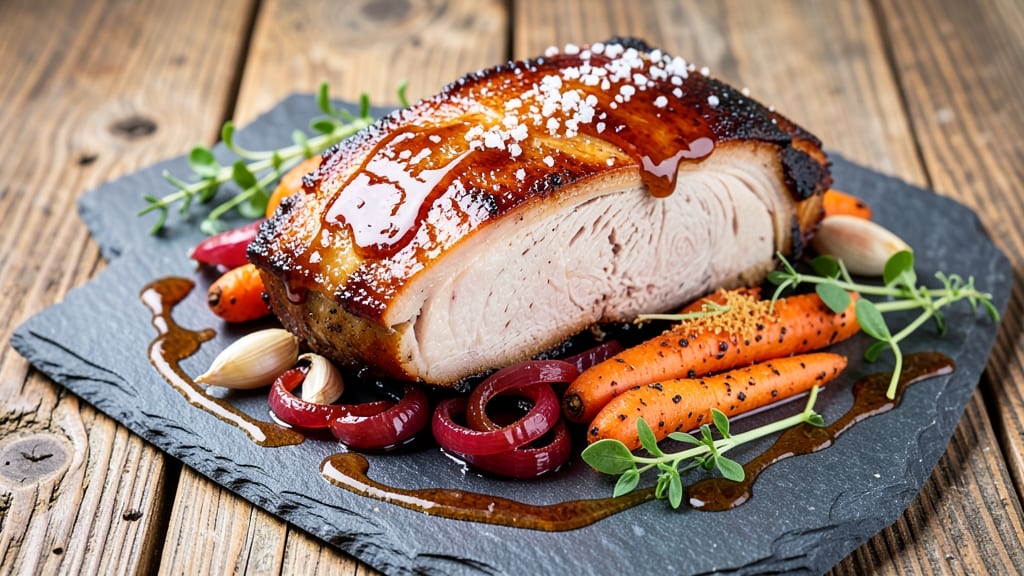
Alison Roman's pork shoulder recipe delivers the kind of smoky, fall-apart tenderness that transforms weeknight dinners into showstopping meals. 🔥 I've spent years perfecting my own approach to pork shoulder—learning from pitmasters and adapting Alison's signature balance of richness and acidity.
The secret lies in a careful blend of spices and the patience to let the meat work its magic in the oven.
What sets this recipe apart is the harmony between sweet and savory flavors, achieved through a thoughtful spice rub and a touch of acidity in the braising liquid.
The pork shoulder becomes so tender it practically melts in your mouth, while the crispy exterior adds texture that keeps every bite exciting. This method ensures you'll have leftovers that are even better the next day—perfect for sandwiches or tacos.
By the time you're done, you'll have a dish that's rich yet balanced, with layers of flavor that come together beautifully. The slow cooking process allows the meat to develop deep, smoky notes while staying incredibly juicy.
Serve it with classic sides like creamy mashed potatoes or tangy pickled vegetables to round out the meal.
This recipe is designed to impress without requiring advanced techniques—just time and attention. The result is pork shoulder that's restaurant-quality at home, with that perfect pull-apart texture and flavor profile Alison Roman is known for. Let's get cooking!
Ingredients for alison roman pork shoulder
Four pounds of pork shoulder and a handful of pantry staples transform into Alison Roman's signature smoky masterpiece.
| Ingredient | Amount | Notes |
|---|---|---|
| Pork Shoulder 🐖 | 4 lb | Bone-in, well-marbled cut preferred |
| Yellow Onion 🧅 | 1 whole | Chopped into large chunks |
| Carrots | 4 medium | Whole, peeled, cut into chunks |
| Garlic Cloves 🧄 | 6 cloves | Crushed with side of knife |
| Apple Cider Vinegar 🍎 | ½ cup | For tangy depth of flavor |
| Brown Sugar 🍯 | ¼ cup | Light or dark variety |
| Smoked Paprika 🌶️ | 2 tbsp | For signature smoky flavor |
| Ground Black Pepper 🌶️ | 1 tbsp | Freshly cracked preferred |
| Kosher Salt 🧂 | 2 tbsp | Diamond Crystal preferred |
| Fresh Thyme 🌿 | 2 sprigs | Stems removed for braising |
| Fresh Rosemary 🌿 | 1 sprig | Chopped for aromatic depth |
| Beef Broth 🍲 | 2 cups | Low-sodium preferred |
| Olive Oil 🫒 | 2 tbsp | For searing pork shoulder |
The pork shoulder is non-negotiable here—bone-in with good marbling means better flavor and moisture. Costco or Whole Foods carry excellent cuts, but your local butcher will know exactly what to look for. If you can't find bone-in, don't stress—just ask for a well-marbled cut. The carrots and onion should be organic if possible, but no worries if they're not. I usually grab a big bag of carrots at Trader Joe's—they're perfect for this recipe. The garlic? Smash those cloves with the side of your knife instead of mincing—they'll release more flavor into the braising liquid.
No smoked paprika? Regular paprika plus a pinch of liquid smoke works in a pinch (about 1/4 tsp), but honestly, it's worth tracking down the real deal. Fresh thyme and rosemary are ideal, but dried works at one-third the amount. The beef broth can be any low-sodium variety—Kirkland Signature is my go-to. For the brown sugar, light or dark doesn't matter, but muscovado sugar adds a deeper caramel note if you're feeling fancy. The apple cider vinegar? If you've only got white vinegar, use it, but reduce the amount to 1/4 cup—it's more acidic. And that olive oil? Use a good-quality extra-virgin—you'll taste the difference when searing.
This pork shoulder tastes even better the next day, so plan ahead. Store leftovers in the fridge for up to 5 days or freeze for 3 months—it reheats beautifully. I always make a double batch because the leftovers make amazing sandwiches. For serving, let the meat rest for 15 minutes before slicing—this keeps it juicy. The braising liquid reduces to a rich glaze that's perfect for drizzling over tacos or mashed potatoes. Keep any extra in an airtight container in the fridge for up to 1 week—it's great for quick sauces or deglazing pans later.
Why You'll Love This Recipe
- I’ll be real: most pulled pork leftovers are sad. Not this. The flavors deepen overnight, and it reheats like a dream—perfect for sandwiches, tacos, or just straight from the pot with a fork. (Yes, even on a Tuesday night.)
- One-Pot Magic: Honestly, I love recipes where I don’t have to slave over multiple dishes—this one simmers everything together in one pot. The onions and carrots soften while the pork shoulder melts in its own juices, and the apple cider vinegar ties it all together with zero extra cleanup.
- Sweet-Savory Crunch: Between us, that crispy edge on the pork with the tender caramelized carrots? Ridiculously good. The vinegar cuts through the richness, and the garlic cloves? They infuse the whole dish with a warmth that makes it impossible to stop eating.
- Leftovers That Don’t Suck: I’ll be real: most pulled pork leftovers are sad. Not this. The flavors deepen overnight, and it reheats like a dream—perfect for sandwiches, tacos, or just straight from the pot with a fork. (Yes, even on a Tuesday night.)
Step-by-step instructions for Alison Roman's pork shoulder
Here's how to transform tough pork shoulder into melt-in-your-mouth perfection.
🔥 Step 1: Sear the Pork Shoulder for Maximum Flavor
Heat a large Dutch oven over medium-high heat and add the 2 tablespoons olive oil. Once the oil shimmers, place the 4 lb pork shoulder fat-side down in the pan. Press down gently on the meat during the first minute—this prevents it from curling and ensures even contact with the pan.
Let it sear undisturbed for 5-6 minutes until the fat becomes golden brown and crispy. You'll smell that incredible aroma—this is where all the magic begins. Flip the pork shoulder and sear the other side for another 5-6 minutes. Remove it from the pan and set it aside on a plate.
👨🍳 Step 2: Build the Aromatic Base
In the same Dutch oven, add the 1 whole yellow onion and 4 medium carrots, cutting them into large chunks as needed. Cook for 5 minutes until they begin to soften and release their natural juices. Add the 6 cloves garlic cloves and cook for another 30 seconds until fragrant.
Sprinkle in the 2 tablespoons smoked paprika, 1 tablespoon ground black pepper, and 2 tablespoons kosher salt. Stir everything together and cook for 1 minute to toast the spices—this deepens their flavor and removes any bitterness. You'll see the spices cling to the vegetables, creating a beautiful, aromatic crust.
🍳 Step 3: Create the Braising Liquid
Pour in the 0.5 cup apple cider vinegar and 0.25 cup brown sugar, scraping up any browned bits from the bottom of the pan. Add the 2 cups beef broth and bring the mixture to a gentle simmer. The liquid should be just enough to come about halfway up the sides of the pork shoulder.
Here's the thing—this braising liquid is what transforms tough meat into tender perfection. The acidity from the vinegar tenderizes the meat, while the sugar caramelizes slightly, adding depth of flavor. Let the mixture simmer for 2 minutes to let the flavors meld together before proceeding.
🥘 Step 4: Braise Until Fork-Tender
Return the pork shoulder to the Dutch oven, fat-side up. Add the 2 sprigs fresh thyme and 1 sprig fresh rosemary, making sure the herbs are submerged in the liquid. Cover the pot with a tight-fitting lid and transfer it to a 300°F oven.
Braise for 3 hours first, then check the internal temperature. It should be around 195°F at this point. If it's not there yet, continue braising for another 30-60 minutes. The meat should be fork-tender, with the connective tissue broken down into rich, flavorful gelatin. Don't rush this step—patience is key to achieving that pull-apart texture.
⏰ Step 5: Rest and Shred for Maximum Juiciness
Once the pork shoulder reaches 203°F internally and is fork-tender, remove it from the oven and transfer it to a cutting board. Tent loosely with aluminum foil and let it rest for 30-45 minutes. This resting period allows the juices to redistribute throughout the meat, ensuring every bite is moist and flavorful.
After resting, use two forks to shred the pork shoulder against the grain. The meat should pull apart easily, with no resistance. Skim any excess fat from the braising liquid and ladle it over the shredded pork. Serve immediately with the vegetables and aromatic braising liquid for a complete, restaurant-quality meal.
Pro Tips For Making Alison Roman Pork Shoulder
- Trim the Fat Cap: That thick layer of fat on the pork shoulder? Don’t cut it all off—leave a ¼-inch layer intact. I learned this the hard way after my first attempt left me with dry, stringy meat. The fat renders down into flavor gold during cooking, and it keeps the meat juicy.
- Sear in Batches: Crowding the pan? Skip it. Sear the pork shoulder in two batches if needed—high heat, no rushing. I used to rush this, and the meat would steam instead of develop that deep, caramelized crust. Two batches mean a proper sear every time.
- Vinegar First, Then Salt: Deglaze that pan with apple cider vinegar before adding salt. The acid cuts through the fond, but if you salt first, you’ll just dilute the flavor. My grandmother swore by this, and she was right: the sauce ends up brighter and more balanced.
- Rest Under Foil: Pull the pork at 195°F, then tent it loosely with foil for 15 minutes before slicing. I know, I know—you want to cut into it immediately. But that’s how you lose all the juices pooling inside. Give it those 15 minutes, and every slice will be perfect.
Creative variations of these flavors
Southern BBQ Style
For a true Carolina-inspired twist, swap the apple cider vinegar for ½ cup hot sauce (I love Cholula) and add 1 teaspoon cayenne pepper to the spice rub.
After braising, glaze the pork with a mix of ¼ cup molasses and 2 tablespoons yellow mustard, then broil for 3-4 minutes until caramelized. This version has that classic tangy-sweet balance you'd find at a North Carolina pit. 🌶️
Italian-Inspired Porchetta
Transform this into a festive porchetta by wrapping the pork shoulder in a thick layer of fresh fennel fronds and rosemary sprigs before braising. Add 1 cup dry white wine to the braising liquid and include ½ cup chopped pancetta in the Dutch oven.
After cooking, slice the pork shoulder into medallions and drizzle with a lemon-garlic reduction made from the braising liquid. This Italian-inspired version is perfect for holiday feasts.
Asian-Inspired Five-Spice
For an Asian fusion take, replace the smoked paprika with 1 tablespoon Chinese five-spice powder and add 1 teaspoon grated fresh ginger to the braising liquid. Stir in ½ cup hoisin sauce and 2 tablespoons rice vinegar during the final 30 minutes of cooking.
Garnish with sliced scallions and serve with steamed jasmine rice. The five-spice blend adds a warm, aromatic depth that pairs beautifully with the tender pork.
Breakfast-Style Carnitas
Turn this into crispy carnitas by shredding the pork and frying it in 2 tablespoons lard or bacon fat over medium-high heat for 5-6 minutes until golden. Add ½ cup orange juice and 1 tablespoon lime zest to the braising liquid for brightness.
Serve on warm corn tortillas with avocado slices and salsa verde. This version is perfect for brunch or as a hearty appetizer.
Sweet & Smoky Maple-Glazed
For a dessert-like twist, replace the brown sugar with ½ cup pure maple syrup and add 1 cinnamon stick to the braising liquid. After cooking, glaze the pork with a mix of ¼ cup maple syrup and 1 tablespoon Dijon mustard, then broil for 2 minutes.
The result is a sweet, smoky pork that pairs surprisingly well with apple slices or mashed sweet potatoes. This version is a crowd-pleaser for holiday dinners.
Spicy Cajun-Inspired
Give this recipe a Louisiana kick by adding 1 tablespoon Cajun seasoning (like Tony Chachere's) and ½ teaspoon cayenne pepper to the spice rub. Stir in ½ cup chicken stock and 2 bay leaves during braising.
After cooking, serve the shredded pork over dirty rice or with cornbread. The Cajun spices add a fiery depth that balances beautifully with the smoky, sweet notes of the pork.
Nutrition facts
Frequently asked questions
Can I use a bone-in pork shoulder instead of boneless?
Bone-in pork shoulder is actually preferred for this recipe—it adds incredible flavor and moisture. The bone stays in during cooking but can be easily removed before shredding. If you must use boneless, just be prepared for slightly less juicy results unless you compensate with extra braising liquid.
How do I know when the pork shoulder is fully cooked?
Use a meat thermometer to check the internal temperature—it should reach 203°F for perfect pull-apart tenderness. The meat will also feel fork-tender when pierced. If you don't have a thermometer, cut into the thickest part and look for clear juices (no pink) and connective tissue that's easily shredded.
Can I make this recipe in a slow cooker?
Yes, but with adjustments! Brown the pork first in a skillet, then transfer to your slow cooker with all ingredients. Cook on low for 8 hours or high for 5-6 hours. The texture will be slightly different (more shredded than pulled-apart), but still delicious. Add an extra ½ cup broth since slow cookers evaporate more liquid.
What's the best way to store and reheat leftovers?
Store shredded pork in an airtight container in the fridge for up to 5 days or freeze for 3 months. To reheat, warm in a skillet with a splash of broth or water over medium heat until heated through. For crispy leftovers, broil for 2-3 minutes after reheating. Never microwave—it makes the meat dry!
Why does my pork shoulder turn out dry?
Most likely, you didn't rest the meat long enough after cooking. Always let it rest for 30-45 minutes before shredding. Other common mistakes: overcooking (check temp at 203°F), cutting against the grain too early, or using a lean cut. For extra moisture, add 1 extra cup broth during braising.