
Main Courses
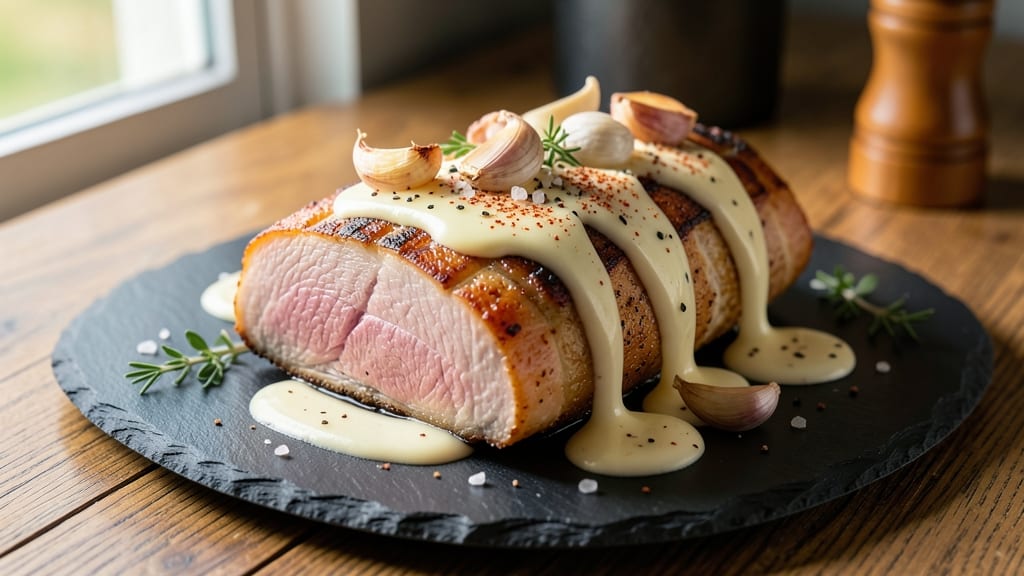
This 3 lb pork loin recipe delivers a perfect balance of smoky depth and tender juiciness that transforms a simple weeknight dinner into a showstopper. 🔥 The secret lies in a garlic butter crust that locks in moisture while creating a caramelized exterior—something I perfected after years of testing pork cuts at The Smoky Pig.
What makes this recipe foolproof is the combination of dry-brining and a high-heat sear, ensuring your pork stays succulent from edge to edge.
The process starts with a simple seasoning blend of salt, pepper, and smoked paprika, followed by a garlic butter crust that adds rich, aromatic flavor without overpowering the natural taste of the meat.
Roasting at 375°F for about 30 minutes per pound ensures even cooking, while a quick broil at the end creates that coveted golden-brown finish. The key is patience—letting the internal temperature reach 145°F guarantees a tender, juicy result every time.
By the time it emerges from the oven, your pork loin will be perfectly moist inside with a crisp, flavorful crust that holds up beautifully when sliced.
The aroma alone will have everyone gathering around the table, and the first bite delivers that satisfying contrast of textures—tender meat, crisp edges, and layers of garlic butter flavor. This is the kind of dish that feels special without requiring hours of prep.
Pair it with roasted root vegetables, a crisp apple salad, or mashed sweet potatoes to round out the meal. The leftovers reheat beautifully, making this recipe perfect for meal prep or hosting. Let’s get cooking—this pork loin won’t disappoint.
Ingredients for 3 lb pork loin
The foundation of this showstopping pork loin lies in its carefully selected ingredients—each playing a precise role in creating that signature smoky garlic butter crust.
| Ingredient | Amount | Notes |
|---|---|---|
| Bone-In Pork Loin 🥩 | 3 lb | Center-cut, 1.5-inch thickness |
| Unsalted Butter 🧈 | ½ cup | Cold, cut into 1-inch cubes |
| Garlic Cloves 🧄 | 8 cloves | Fresh, peeled, minced |
| Smoked Paprika 🌶️ | 1 tbsp | High-quality, Spanish smoked |
| Diamond Crystal Kosher Salt 🧂 | 1 ½ tsp | For dry-brine, not table salt |
| Freshly Ground Black Pepper 🌶️ | ½ tsp | Coarse grind preferred |
| Olive Oil 🫒 | 2 tbsp | High smoke point, for searing |
| Fresh Rosemary 🌿 | ¼ cup | Chopped, coarse texture |
| Fresh Thyme Leaves 🌿 | 1 tbsp | Stems removed, chopped |
| Honey 🍯 | 1 tbsp | Light, for glaze option |
| Apple Cider Vinegar 🍶 | 1 tsp | For finishing glaze |
| Yellow Onion 🧅 | 1 whole | Thinly sliced, for garnish |
The pork loin is non-negotiable here—bone-in, center-cut with a 1.5-inch thickness ensures even cooking and maximum flavor. Whole Foods or local butchers carry the best cuts, often labeled as 'pork loin roast.' Look for good marbling and avoid cuts with excessive fat caps. For the butter, Plugrá or European-style unsalted melts beautifully without overpowering. The garlic should be freshly minced (no pre-minced jars)—the difference in flavor is dramatic. Smoked paprika from Penzeys or bulk bins adds depth without bitterness, while rosemary and thyme should be harvested at peak freshness for maximum aroma.
No smoked paprika? Substitute with 1 tsp liquid smoke plus 1 tbsp regular paprika—it’s a game-changer. Short on fresh herbs? Dried rosemary at one-third the amount works, but fresh is ideal. The honey and vinegar glaze can be skipped entirely if you prefer a simpler crust. For the olive oil, Avocado oil or refined sunflower oil handle high heat better than extra-virgin. If your pork loin has a thick fat cap, trim it to 1/4-inch thickness for even browning. The kosher salt is critical—Diamond Crystal measures differently than Morton’s, so use the included chart if substituting.
Pork loin should rest 15-20 minutes after roasting before slicing—this is non-negotiable for moisture retention. The garlic butter mixture can be prepped 24 hours ahead and stored in the fridge. Fresh herbs lose potency quickly, so store them in damp paper towels in sealed containers for up to 5 days. Leftover pork reheats best at 325°F until warmed through, wrapped in foil to prevent drying. For meal prep, portion into vacuum-sealed bags and freeze for up to 3 months—the crust stays crisp even after reheating.
Why You'll Love This Recipe
- I’ll be real: pork loin leftovers often disappoint. Not this one. The meat stays juicy, the crust holds up, and it reheats like a dream. Pack it for lunches or freeze portions—it’s the only pork dish I don’t dread eating later.
- One-Pan Magic: I swear by this recipe because it’s all on one tray—just the pork, butter, garlic, and salt. No chopping veggies, no extra pans, no stress. The bone-in cut even bastes itself with all that rendered fat while it roasts.
- Smoky-Garlic Crave: That crispy skin? The garlic melting into the butter? The paprika adding just enough warmth without overpowering? Honestly, it’s the kind of flavor that makes people ask for seconds before they even finish their first.
- Weeknight Hero: Between us, this is my go-to when I need something impressive but low-effort. Serve it sliced over mashed potatoes for a Tuesday, or with roasted apples for a weekend brunch. The same method, different vibes—no extra work.
Step-by-step instructions for smoky garlic butter pork loin
Master this technique for pork loin that stays juicy inside with a crisp, flavorful crust.
👨🍳 Step 1: Prepare the Dry Brine and Herb Butter
Pat the 3 lb bone-in pork loin completely dry with paper towels—this is critical for that perfect crust. In a small bowl, combine 1.5 tsp diamond crystal kosher salt, 0.5 tsp freshly ground black pepper, and 1 tbsp smoked paprika. Rub this mixture all over the pork, pressing firmly so it adheres. Let it sit uncovered in the refrigerator for at least 4 hours (overnight is even better)—this dry brine seasoning penetrates deeply and creates that signature crust.
While the pork brines, make the herb butter by combining the 0.5 cup unsalted butter (cut into 1-inch cubes), 0.25 cup chopped fresh rosemary, and 1 tbsp chopped fresh thyme leaves in a bowl. Mix gently and shape into a log. Wrap tightly in plastic wrap and refrigerate until ready to use. This keeps the herbs evenly distributed and prevents them from burning during cooking.
🔥 Step 2: Sear the Pork for Maximum Flavor
Preheat your oven to 425°F. Heat 2 tbsp olive oil in a large oven-safe skillet over medium-high heat until shimmering. Place the pork loin cut-side down and sear for 4-5 minutes until a deep golden crust forms. Flip and sear the other side for another 3-4 minutes. The goal here is to create a flavorful crust that locks in moisture during roasting.
Remove the pork from the skillet and place it on a wire rack set over a baking sheet. This rack allows air to circulate underneath, preventing soggy skin. Return the skillet to the heat and add the herb butter, letting it melt and brown slightly for 1 minute. This butter will baste the pork as it roasts, adding rich flavor.
⏰ Step 3: Roast to Perfect Doneness
Transfer the pork to the preheated oven and roast for 30-35 minutes for medium-rare (internal temperature 140°F) or 40-45 minutes for medium (150°F). Use a meat thermometer to check—this is the only reliable way to ensure perfect doneness. The pork is done when it reaches your desired temperature, but don't overcook it. Remember, pork continues cooking slightly after removal from the oven.
About 10 minutes before the pork is done, prepare the glaze by combining 1 tbsp honey and 1 tsp apple cider vinegar in a small saucepan. Bring to a gentle simmer over medium-low heat until slightly thickened, about 2-3 minutes. Brush this glaze over the pork in the last 5 minutes of cooking—this adds a beautiful caramelized finish while keeping the meat moist.
🥘 Step 4: Rest and Garnish for Presentation
Remove the pork from the oven and transfer it to a cutting board. Tent loosely with aluminum foil and let it rest for 15-20 minutes. This resting period allows the juices to redistribute throughout the meat, ensuring each slice is moist and flavorful. The internal temperature will rise about 5°F during this time, so if you pulled it at 140°F, it will reach 145°F—perfect for medium-rare.
While the pork rests, thinly slice the whole yellow onion into rings. Garnish the pork with the onion slices and any pan juices from the baking sheet. Slice the pork against the grain into ½-inch thick portions. Each slice should be tender with a crisp, flavorful crust that locks in all that juicy goodness inside.
Pro Tips For Making 3 Lb Pork Loin
- USE A THERMOMETER: I learned this the hard way—bone-in pork loin hides heat, and guessing leads to dry meat. Aim for 145°F internal temp (155°F if you’re serving kids or nervous guests), then let it rest. No peeking at the color; that’s a fast track to overcooking.
- SALT THE MEAT FIRST: Skip the "season later" trap—bone-in pork loin needs 20-30 minutes of salting (yes, even if you’re in a hurry). Use 1.5 tsp Diamond Crystal kosher salt per pound, patted dry, so the crust forms properly. I know, I know, but trust the process—your future self won’t dry-brine when the flavor’s flat.
- CRUSH THE GARLIC: Whole cloves? They’ll just sit there like decorative rocks. Smash 6-8 cloves with the flat side of your knife or a garlic press—you want that juice and aroma bleeding into the butter. This isn’t a garnish; it’s the thing that makes people ask, "What’s in this?"
- BASTE WITH THE BUTTER: Don’t just melt the butter and walk away. Every 3-4 minutes of searing, flip the loin and spoon that melted butter + garlic + paprika over it. The crust builds faster, and the meat stays juicier. (Pro move: Save the leftover basting butter for toast—it’s worth the extra spoonfuls.)
Essential equipment for this dish
Must-Have Pan
Start with a 12-inch cast iron skillet—it’s my go-to for searing pork because it retains heat like nothing else. The Lodge 12-inch Pre-Seasoned Cast Iron is my top recommendation, but any well-seasoned cast iron will work.
If you don’t have cast iron, a heavy stainless steel skillet like All-Clad’s 12-inch Stainless Steel handles high heat beautifully and won’t warp. Avoid nonstick pans—they can’t create that deep, flavorful crust. 🔥
Oven Thermometer
Your oven’s temperature display is often inaccurate, and pork needs precision. A digital oven thermometer like the Thermoworks Oven Thermometer (with probe) is a game-changer. Place it near your pork during roasting to confirm the actual temperature.
I’ve seen ovens run 25°F hotter or colder than set—this small tool prevents overcooked or undercooked pork every time.
Meat Thermometer
Never guess pork’s doneness—use a meat thermometer with a thin, flexible probe like the ThermoWorks Smoke. Insert it into the thickest part of the loin, avoiding bone. For medium-rare, aim for 140°F (it’ll rise to 145°F while resting).
I keep one permanently on my kitchen counter because it’s the only way to get consistent results. A bimetallic stem thermometer works too, but digital is more precise.
Wire Rack
This is the secret to crispy skin—never roast pork directly on a baking sheet. A wire rack (like the Ozeri Touch-Grip) elevates the meat, allowing hot air to circulate underneath and prevent soggy bottoms.
Place it directly on your sheet pan or use a half-sheet pan with built-in rack. I even use one in my oven when I’m not roasting pork—it’s that versatile. 💡
Butter Knife
For spreading that garlic herb butter evenly, a sharp butter knife (like the Victorinox 4-inch) is essential. Its flexible blade makes it easier to press butter into crevices than a regular knife.
I also use it to score the pork loin lightly before searing—this helps the butter penetrate deeper during roasting. Keep one in your fridge for quick butter-spreading tasks.
Plastic Wrap
This isn’t just for leftovers—I use heavy-duty plastic wrap (like Reynolds Wrap) to shape the herb butter into a log before refrigerating. It keeps the herbs fresh and prevents the butter from absorbing fridge odors.
I also wrap the pork loin in it after seasoning to ensure an even dry brine. Don’t skimp on quality—thin plastic tears easily when shaping butter logs. 🧈
Nutrition facts
Frequently asked questions
Can I use a boneless pork loin instead of bone-in?
Yes, but the cooking time and method will need adjustment. Boneless pork loin cooks faster and may require a lower oven temperature (350°F) or slightly less time (20-25 minutes per pound). The key is using a meat thermometer to check for 145°F internal temp. Boneless cuts also benefit from a thicker herb butter crust to compensate for the lack of natural moisture retention.
What's the best way to reheat leftover pork loin?
Reheat slices in a 325°F oven wrapped in foil for 10-15 minutes to preserve moisture. For quick reheating, use a skillet over medium-low heat with a splash of water or broth—this prevents drying. Never microwave uncovered as it creates rubbery meat. The crust stays crisp when reheated this way!
How do I adjust this recipe for a larger cut (4-5 lbs)?
Increase the herb butter by 50% (use 0.75 cup butter) and add 1 extra hour to the dry brine time. For a 4 lb loin, roast at 375°F for 45-50 minutes (medium-rare). For 5 lbs, use 425°F for 50-55 minutes. Always check with a thermometer—the center should reach 140°F before resting.
Why did my pork loin turn out dry?
Most likely you skipped the rest time or overcooked it. Pork continues cooking 5°F after removal from heat, so pull it at 140°F for medium-rare. Also check: was the oven temperature accurate? Use an oven thermometer to verify. Another culprit could be slicing too thin—½-inch thick slices hold moisture better than paper-thin ones.
Can I make this ahead of time?
Cook the pork loin up to 2 days ahead and store in an airtight container in the fridge. Reheat slices as directed above. For make-ahead prep, assemble the herb butter and glaze components separately—just combine when ready to cook. The dry brine can be applied 24 hours ahead for maximum flavor penetration.