
Main Courses
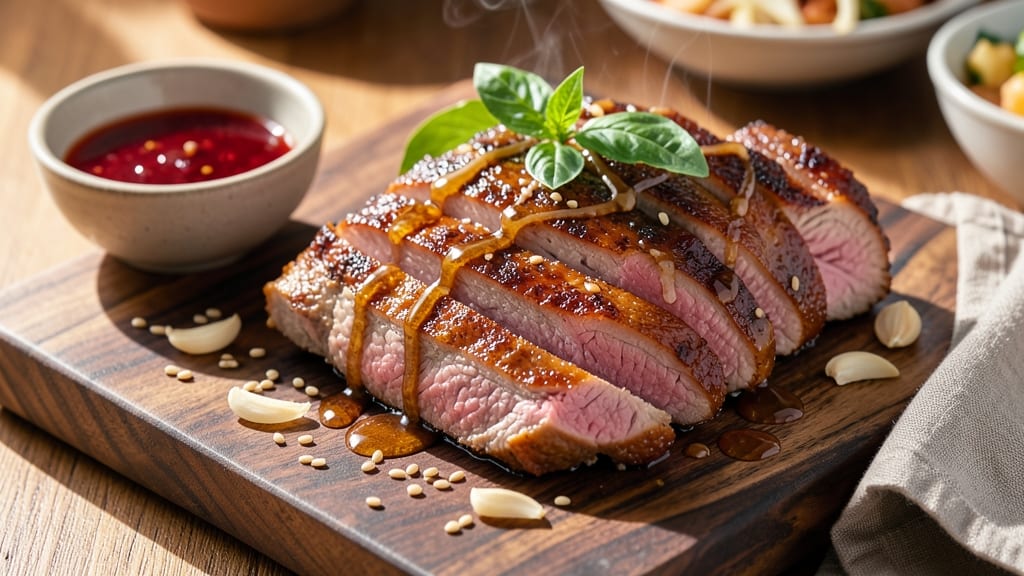
This miso marinated pork roast recipe delivers restaurant-quality results with crispy bark and melt-in-mouth tenderness. 🔥 I developed it after years of perfecting the balance between umami depth and caramelized crust—something I learned firsthand while competing in Southeast BBQ championships.
The miso marinade doesn't just flavor the meat; it transforms tough cuts into something extraordinary through slow, even cooking.
The secret lies in the marinade's dual role—tenderizing the pork while building complex flavors through fermentation. We'll roast it at 325°F for consistent doneness, basting with the rendered juices to ensure that crispy exterior you crave.
This method works equally well with pork shoulder or tenderloin, making it versatile for weeknight dinners or special occasions.
What you'll end up with is a roast that's perfectly browned on the outside with a tender interior that practically falls apart. The miso creates a savory-sweet crust that's impossible to resist, while the interior remains juicy and rich.
Serve it sliced thin with steamed greens or rice to let the pork shine.
For maximum flavor impact, let the roast rest for 15 minutes before slicing—this ensures every bite stays juicy. The marinade can be made ahead, giving you one less thing to worry about on cooking day. Trust me, this is the kind of pork roast that'll have everyone asking for seconds.
Ingredients for miso marinated pork roast
Nine essential ingredients transform tough pork into restaurant-style perfection with crispy bark and tender meat.
| Ingredient | Amount | Notes |
|---|---|---|
| Pork Shoulder (or Tenderloin) 🍖 | 3 lb | Bone-in preferred for flavor |
| White Miso Paste 🧅 | ½ cup | High-quality, fermented deeply |
| Soy Sauce 🥫 | ⅓ cup | Kosher or Diamond Crystal preferred |
| Honey 🍯 | ¼ cup | Wildflower for floral notes |
| Sesame Oil 🫒 | 2 tbsp | Toasted, not flavored |
| Garlic Cloves 🧄 | 6 cloves | Fresh, minced finely |
| Fresh Ginger 🌿 | 1 tbsp | Grated, aromatic |
| Brown Sugar 🍚 | ¼ cup | Light or dark, packed |
| Olive Oil 🫒 | 2 tbsp | Extra-virgin, fruity |
| Black Peppercorns 🌶️ | 1 tsp | Freshly cracked |
| Sesame Seeds 🌰 | 1 tbsp | Toasted, for garnish |
| Green Onions 🧅 | 3 whole | Thinly sliced, for garnish |
The pork cut is everything here—bone-in pork shoulder delivers the best texture, though tenderloin works for a quicker cook. Costco or Whole Foods carry excellent cuts, but any well-marbled shoulder will do. Look for meat with good fat distribution—this ensures juiciness. If using tenderloin, trim excess fat first for cleaner slices. The miso? White miso from Japan (like Marukome brand) has the perfect balance of sweetness and umami, but don't stress if you only find red—it's more robust. Fresh ginger and garlic are non-negotiable for that bright, aromatic punch that cuts through the richness. I always double-check the ginger's aroma—if it smells faint, toss it.
No white miso? Substitute with red miso plus 1 tbsp honey for depth. Short on sesame oil? Avocado oil at half the amount works, but the toasted nutty flavor is worth hunting down. The brown sugar can be swapped for maple syrup if you're avoiding refined sugar, though it'll be slightly less caramelized. For a deeper umami kick, add 1 tbsp of fish sauce (if not avoiding seafood) or soy sauce instead. The sesame seeds and green onions are purely decorative—skip them if you're in a rush, but they add that final restaurant-quality touch. Pro tip: Toast the sesame seeds in a dry pan for 30 seconds before using—they'll smell amazing and taste even better.
Marinade keeps for 5 days in the fridge, though it gets more flavorful after 24 hours. The pork itself? 4-5 days in the fridge once cooked, or freeze for 3 months in portions. I always make extra marinade—it's perfect for glazing grilled veggies or drizzling over rice. Leftovers reheat beautifully in a 350°F oven with a splash of water for 10 minutes, covered. For serving, slice against the grain for maximum tenderness. The crispy bark is best enjoyed immediately, but the tender meat holds up well—just don't skip that 15-minute rest before cutting!
Why You'll Love This Recipe
- Five-Ingredient Magic: That’s all it takes—just pork, miso, soy, honey, and sesame oil. Honestly, I swear by this combo because the miso does all the work while I’m scrolling through my phone. No fancy techniques, just a bowl, a spoon, and 10 minutes of marinating.
- Umami Bomb: The white miso and soy sauce team up for a flavor so rich, it’ll make you forget takeout exists. That caramelized honey edge? It’s the perfect sweet-salty punch that turns simple pork into something you’d pay double for at a restaurant.
- Weeknight Hero: Between us, this is my go-to when I’m too tired to think. Roast it once, slice it thin for sandwiches, or cube it for stir-fries all week. My kids even ask for it—yes, even on a Tuesday night—because it’s that foolproof.
- Budget Meal Multiplier: A single pork shoulder stretches across three meals: the first night roasted, the second as tacos, and the third in fried rice. I’ll be real, the leftovers taste even better the next day because the flavors meld like a cozy blanket.
Step-by-step instructions for miso marinated pork roast
Here's how to transform simple pork into restaurant-quality perfection with a crispy bark and melt-in-your-mouth tenderness.
👨🍳 Step 1: Create the Miso Marinade
In a medium bowl, whisk together the 0.5 cup white miso paste, 0.33 cup soy sauce, 0.25 cup honey, 2 tbsp sesame oil, 2 tbsp olive oil, and 0.25 cup brown sugar until completely smooth. The miso will thicken the mixture slightly—this is normal and essential for that deep umami flavor.
Add the 6 cloves minced garlic and 1 tbsp grated fresh ginger, then crack the 1 tsp black peppercorns directly into the bowl. Mix until all ingredients are fully incorporated. The marinade should have a rich, aromatic scent with a balance of sweet, salty, and umami notes. Taste it—it should be intensely flavorful but not overpowering.
🍳 Step 2: Marinate the Pork for Maximum Flavor
Place the 3 lb pork shoulder in a large resealable plastic bag or glass dish. Pour the marinade over the meat, ensuring it coats all surfaces completely. If using a bag, seal it tightly and massage the marinade into the meat by gently squeezing the bag. For even better results, I like to let it marinate in the refrigerator for at least 12 hours, but overnight (24 hours) is ideal.
Here's the thing—don't skip this step. The miso needs time to penetrate the pork, breaking down the fibers and creating that signature tender texture. If you're short on time, marinate for at least 4 hours at room temperature, but refrigeration is best for food safety and deeper flavor infusion.
🔥 Step 3: Sear the Pork for Crispy Bark
Preheat your oven to 350°F. Remove the pork from the marinade (reserve the leftover marinade for basting) and place it fat-side up on a wire rack set inside a rimmed baking sheet. Heat a large oven-safe skillet over medium-high heat and add 1 tbsp olive oil. When the oil is shimmering, carefully transfer the pork to the skillet and sear for 3-4 minutes per side until the exterior develops a deep golden-brown crust.
This searing step is crucial for that crispy bark you're after. You'll know it's ready when the pork releases easily from the pan and the crust looks almost caramelized. Don't rush this—patience here ensures that perfect texture. Transfer the seared pork to the preheated oven.
⏰ Step 4: Roast to Perfect Tenderness
Return the pork to the oven and roast for 2 to 2.5 hours, or until the internal temperature reaches 195-205°F (use a meat thermometer inserted into the thickest part). During the last 30 minutes of cooking, baste the pork with the reserved marinade every 15 minutes to keep it moist and enhance the flavor.
Here's where it gets exciting—the pork will hit "the stall" around 165°F and stop rising in temperature. This is normal! Don't panic. The internal temperature will continue to rise as it rests. The key is to cook it until it's fork-tender and the internal temperature reaches 205°F—this ensures melt-in-your-mouth texture.
🍽️ Step 5: Rest and Serve with Garnishes
Once the pork reaches the target temperature, remove it from the oven and transfer it to a cutting board. Tent loosely with aluminum foil and let it rest for 15-20 minutes. This resting period allows the juices to redistribute throughout the meat, ensuring each slice is succulent and flavorful. Don't skip this—it's the difference between dry meat and juicy perfection.
Slice the pork against the grain into ½-inch thick slices. Garnish each serving with 1 tbsp toasted sesame seeds and 3 thinly sliced green onions. The contrast of textures and flavors—crispy bark, tender meat, nutty sesame seeds, and fresh green onions—makes this dish truly exceptional.
Pro Tips For Making Miso Marinated Pork Roast
- Marinate Overnight (Not 30 Minutes): I used to think a few hours would do the trick, but white miso needs time to tenderize and develop flavor—especially in tougher cuts like pork shoulder. Leave it in the fridge for at least 12 hours, flipping the meat halfway if you can. (Yes, I know, I know—it means planning ahead, but the payoff is worth it.)
- Cook Low and Slow (225°F, No Rush): Pork shoulder wants patience, not a quick sear. After browning, drop the heat to 225°F and let it cook until it’s falling apart—about 4-5 hours, depending on size. Tenderloin? Pull it at 140°F internal temp, but don’t skip the low-and-slow finish to caramelize the miso glaze properly.
- Skip the Raw Honey (Use Cooked): Raw honey can make your glaze grainy and uneven. Warm 2 tablespoons of honey with 1 tablespoon soy sauce in a small saucepan until it just starts to bubble, then let it cool before brushing it on. (This also prevents the glaze from burning when you sear the pork.)
- Baste with Sesame Oil (Last 10 Minutes): Don’t just drizzle sesame oil at the start—wait until the final 10 minutes of cooking, then baste the pork with it. The high heat will toast the oil, adding nutty depth and preventing it from turning bitter. (And yes, even if you’re impatient like me, resist the urge to baste earlier.)
Serving suggestions for leftovers
Classic Rice Pairings
Steamed jasmine rice is my go-to for this dish—its delicate floral notes complement the miso's umami without overpowering. Cook 1 cup rice with 1.5 cups water and a pinch of salt for perfectly fluffy grains. For extra richness, stir in 1 tbsp toasted sesame oil at the end. 🌟
For a heartier option, try short-grain Japanese rice like Koshihikari. Its slightly sticky texture helps soak up the pork's juices beautifully. I often make a big batch and refrigerate leftovers for quick lunches—just reheat with a splash of water to restore moisture.
Vegetable Sides
Steamed bok choy with a sprinkle of toasted sesame seeds creates a perfect balance of textures and flavors. Blanch 4 stalks for 2 minutes, then finish with 1 tsp soy sauce and a drizzle of sesame oil. The slight bitterness contrasts wonderfully with the sweet-savory pork.
For a more substantial side, roast sweet potato wedges at 400°F for 25 minutes with 1 tbsp olive oil, ½ tsp smoked paprika, and a pinch of salt. Their caramelized edges add a satisfying crunch that cuts through the pork's richness.
Pickled Vegetables
Quick-pickled cucumbers or radishes add a refreshing tang that cleanses the palate between bites. Thinly slice 1 English cucumber and 4 radishes, then toss with ¼ cup rice vinegar, 1 tbsp honey, and ½ tsp salt.
Let sit for at least 30 minutes before serving. This is a Charleston staple that elevates any pork dish.
For a more complex flavor profile, try pickled daikon radish with red chili flakes and sesame seeds. The heat and crunch make it irresistible, especially with the tender pork. I always keep a jar of this in my fridge for spontaneous meals.
Broth-Based Bowls
Transform leftovers into pork miso ramen by simmering 4 cups chicken broth with 2 tbsp miso paste, 1 tbsp soy sauce, and 1 tsp grated ginger. Add cooked pork slices, soft-boiled eggs, and chopped green onions. The broth absorbs all the pork's flavors, creating a comforting bowl.
For a lighter option, make a miso-ginger soup with 2 cups dashi broth, 1 tbsp white miso, and 1 tsp grated ginger.
Add thinly sliced pork and a handful of spinach—it's perfect for a quick lunch or as a starter to whet appetites before the main course. 💛
Nutrition facts
Frequently asked questions
Can I use red miso instead of white miso in this recipe?
Yes, but you'll need to adjust the sweetness. Red miso is stronger and more robust, so add 1 extra tablespoon of honey or brown sugar to balance its intensity. For the best results, use white miso—it has a smoother, sweeter profile that pairs perfectly with pork. If you're short on time, a 50/50 mix of red and white works well too.
How do I know when the pork is fully cooked?
Use a meat thermometer to check the internal temperature—it should reach 195-205°F for perfect tenderness. The pork will feel fork-tender when you cut into it, with no pink remaining. If you don't have a thermometer, make a small cut in the thickest part—if the juices run clear and the meat separates easily, it's done. Never rely on color alone!
Can I make this recipe with pork tenderloin instead of shoulder?
Tenderloin cooks faster, so reduce the roasting time to 1 to 1.5 hours and aim for an internal temperature of 145°F. Since tenderloin is leaner, brush it with extra marinade during cooking to prevent drying out. The miso marinade works beautifully with both cuts—just adjust the timing to match the meat's size and fat content.
What if my pork roast turns out dry?
This usually happens from overcooking or skipping the rest. Always let the pork rest for 15-20 minutes before slicing—this redistributes juices. If it's still dry, try reheating thin slices in a skillet with a splash of broth or reserved marinade. For future roasts, reduce the oven temperature to 300°F and cook longer at a lower heat to prevent moisture loss.
How can I add extra crispiness to the bark?
For maximum crispiness, sear the pork in a cold skillet and let it come up to temperature gradually. After roasting, broil for 2-3 minutes on high heat to caramelize the surface further. Another trick is to pat the pork dry before searing—this helps create a better crust. The miso marinade already adds sweetness for browning, but a light dusting of cornstarch before the final sear works wonders too!