
Sauces & Condiments
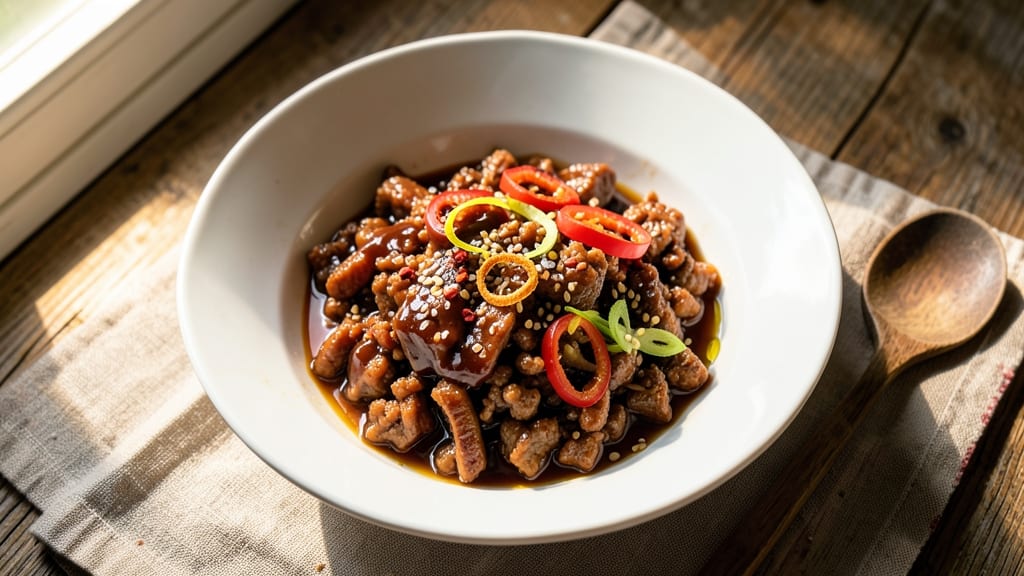
This minced pork soy sauce recipe delivers restaurant-quality stir-fry flavor in just 30 minutes—no takeout needed. The secret lies in proper marinating and high-heat searing, which transforms simple ground pork into tender, caramelized bites bursting with umami depth.
I perfected this technique after years of experimenting with Chinese home cooking, and it never fails to impress. What sets this dish apart is the balance of sweet, salty, and aromatic elements: soy sauce provides the foundation, while garlic, ginger, and a touch of sugar create layers of complexity.
The one-pan method keeps cleanup minimal while ensuring even cooking—no dried-out edges or undercooked centers. For extra depth, I recommend finishing with a drizzle of chili oil or sesame seeds, which adds both texture and visual appeal.
By the time you're done, you'll have a fragrant stir-fry with perfectly tender pork, glossy from the sauce and slightly crisp at the edges. The aroma alone will have everyone gathering around the table, and the first bite delivers that perfect harmony of savory, slightly sweet, and umami-rich flavors.
This recipe scales beautifully for weeknight dinners or meal prep. Serve it over steamed rice or noodles for a complete meal, or pair with quick-pickled vegetables to cut through the richness. The technique is straightforward, but the results are anything but basic—this is comfort food with restaurant-quality finesse.
Let's get cooking!
Ingredients for minced pork soy sauce
Ground pork, aromatic spices, and a touch of sweetness come together for this savory stir-fry.
| Ingredient | Amount | Notes |
|---|---|---|
| Ground Pork 🥩 | 1 ½ lb | 80% lean, finely minced |
| Soy Sauce 🍶 | ½ cup | Light or dark, high-quality |
| Garlic Cloves 🧄 | 6 cloves | Minced, fresh preferred |
| Fresh Ginger 🌿 | 2 tbsp | Grated, peeled |
| Sesame Oil 🫒 | 1 tbsp | Toasted, for aroma |
| Granulated Sugar 🍚 | 1 tbsp | White or brown |
| Cornstarch 🌾 | 1 tbsp | For tenderizing |
| Neutral Oil 🫒 | 1 tbsp | Vegetable or canola |
| Green Onions 🧅 | 3 whole | Thinly sliced, white/green parts |
| Sesame Seeds 🌱 | 1 tbsp | Toasted, for garnish |
| Salt 🧂 | 1 tsp | Kosher or sea salt |
| Black Pepper 🌶️ | ½ tsp | Freshly ground |
| Red Chili Flakes 🔥 | ½ tsp | Optional, for heat |
| Steamed White Rice 🍚 | 2 cups | Cooked, for serving |
The ground pork is the star here—80% lean gives you that perfect balance of tenderness and flavor. Look for finely minced pork at your local Asian market or butcher shop, as it cooks faster and more evenly than standard ground pork. If you can't find pre-minced, pulse it in your food processor for 20 seconds to break it down. Fresh ginger and garlic are non-negotiable for that authentic umami depth, but if you're in a pinch, dried ginger powder at half the amount will work. The soy sauce should be high-quality—Kikkoman or Pearl River Bridge are reliable brands that won't overpower the dish.
No sesame oil? Toasted peanut oil adds a similar nutty depth, though it's not identical. Running short on cornstarch? Potato starch or arrowroot powder work just as well for tenderizing the pork. The sugar isn't just for sweetness—it helps caramelize the pork for that restaurant-quality crust. For extra heat, swap the chili flakes for Sichuan peppercorns (toasted and ground)—they add a numbing spice that's pure magic. If you're serving this to kids or sensitive eaters, skip the chili entirely and boost the garlic and ginger instead. The green onions should be thinly sliced—white parts first, then green for color.
This dish reheats beautifully—just add a splash of water and a quick stir on high heat. Keeps for 3-4 days in the fridge, though the flavors are best within the first day. For meal prep, portion into airtight containers with a layer of plastic wrap pressed directly on the surface to prevent drying. Freezes for up to 3 months, though the texture may be slightly softer after thawing. Serve immediately over hot rice for the best experience—those crisp edges disappear fast once removed from the pan.
Why You'll Love This Recipe
- One-Pan Magic: I swear by this for lazy nights—just brown the pork, toss in the soy sauce and garlic, and let it simmer. No chopping mountains of veggies, no fancy techniques, just done. The ginger and sesame oil do all the flavor work while I’m still deciding what to watch on TV.
- Umami Bomb: That first bite? Chef’s kiss. The soy sauce caramelizes into something rich, the garlic hits like a warm hug, and the sesame oil adds this nutty finish that makes it taste like you slaved over it. Honestly, I’ve tried fancier cuts of pork, but this ground version wins every time—simpler, deeper flavor.
- Leftover Hero: This stuff actually improves the next day. Reheat it in a pan with a splash of water, and it’s even better—more concentrated, slightly crispy edges. I pack half for lunch or freeze it for when I’m too tired to cook. My roommate still steals my portions, no joke.
- Budget Night Saved: Ground pork is cheap, soy sauce lasts forever, and you only need a few cloves of garlic. I’ve made this for $3 a serving, and it still feels like a restaurant dish. Between us, it’s my go-to when the grocery budget’s tight but I refuse to eat sad salads.
Step-by-step instructions for minced pork soy sauce stir-fry
Master this one-pan technique for tender, flavor-packed pork with deep umami richness.
Prep and Tenderize the Pork
In a medium bowl, combine the 1.5 lb ground pork, 1 tbsp cornstarch, 1 tsp salt, 0.5 tsp black pepper, and 0.5 tsp red chili flakes (if using). Mix gently with your hands until the cornstarch coats the pork evenly—this creates a tenderizing barrier that prevents dryness during cooking. The mixture should hold together when pressed but still feel slightly crumbly.
Let the seasoned pork rest at room temperature for 10 minutes while you prepare the aromatics. This resting period ensures even cooking and maximum flavor absorption. I press the pork into a loose pat with my fingers to help it maintain shape during stir-frying—this prevents it from breaking apart into tiny pieces that burn before cooking through.
Build the Aromatic Base
Heat a large, deep skillet or wok over medium-high heat until hot. Add the 1 tbsp neutral oil and swirl to coat the bottom evenly. Once the oil shimmers (about 30 seconds), add the 6 minced garlic cloves and 2 tbsp grated fresh ginger. Cook for 30-45 seconds until the garlic turns golden and fragrant—this prevents bitter flavors from developing.
Immediately add the 0.5 cup soy sauce and 1 tbsp granulated sugar, stirring constantly. Let the mixture bubble vigorously for 1 minute until the soy sauce darkens slightly. The sugar helps balance the saltiness while adding subtle caramelization. If the sauce looks too thin, reduce heat briefly to medium to let it reduce slightly—this builds depth of flavor before adding the pork.
Stir-Fry the Pork to Perfect Doneness
Working in batches if needed, add the seasoned pork to the skillet. Stir-fry for 3-4 minutes until the pork loses its raw pink color and develops a light brown crust. The key here is constant motion—use a wooden spoon or spatula to keep the pork moving so it cooks evenly without sticking. If the pork starts to stick, add 1-2 tablespoons of water and stir to deglaze.
Once the pork is nearly cooked through (it should still have some pink centers), add the 3 thinly sliced green onions and 1 tbsp sesame oil. Stir for another 1 minute until the green onions wilt and the pork reaches 160°F internally. The sesame oil adds nutty aroma and helps emulsify the sauce, creating that signature glossy finish. Remove from heat immediately—overcooking turns tender pork dry.
Finish and Serve
Return the skillet to low heat and drizzle in the 1 tbsp toasted sesame oil, stirring gently to incorporate. Sprinkle with 1 tbsp toasted sesame seeds and toss once more. The sesame oil should coat the pork evenly, adding richness and depth. Taste and adjust seasoning—you may need a pinch more salt or a splash of soy sauce to balance flavors.
Serve the minced pork immediately over the 2 cups steamed white rice, spooning the aromatic sauce generously over each portion. The rice should absorb the sauce slightly, creating a cohesive bite with each mouthful. Garnish with additional green onion slices if desired. This dish tastes best fresh, so don't let it sit—every minute off the heat allows the pork to dry out.
Pro Tips For Making Minced Pork Soy Sauce
- CRANK THE HEAT FIRST: I learned this the hard way—minced pork sticks to pans like glue when you start slow. Blast that wok or skillet on high for 30 seconds, then add the pork in one go. The initial sear locks in juices and prevents a greasy, gloppy mess.
- GRATE THAT GINGER FINE: Fresh ginger is non-negotiable here, but don’t just chop it. Use the smallest holes on a box grater or pulse it in a food processor until it’s almost paste-like. This way, it dissolves into the soy sauce instead of sitting as chunks—trust me, your dish will taste deeper.
- STOP WHEN IT’S 80% DONE: The pork’s almost ready when it’s still slightly pink in the middle. Overcooking turns it rubbery, and you’ll end up with a dry, chewy pile. Pull it out when the edges are crispy but the center’s just firming up—it’ll finish cooking with the sauce.
- SWAP SESAME OIL LAST: Add that sesame oil when the dish is off the heat. Pour it in slowly while stirring, just a teaspoon or two, and let it bloom in the hot pan. Dumping it in early burns the delicate aroma, and you’ll be left with a flat, bitter aftertaste.
Wine and beer pairings for this minced pork soy sauce
Chinese Rice Wine
For this dish, I recommend a dry Shaoxing wine like Kweichow Moutai or Yanghe. The alcohol content (around 18-20% ABV) helps tenderize the pork while adding subtle floral notes that complement the soy sauce.
Use 2 tablespoons—just enough to deglaze the pan after stir-frying for a glossy finish. The wine's nutty undertones bridge the gap between the pork's richness and the dish's umami depth. 🍶
Light Japanese Sake
A crisp junmai sake (like Dassai or Gekkeikan) works beautifully with this recipe. Its clean, slightly sweet profile prevents the soy sauce from becoming overwhelming. Pour 1.5 tablespoons into the pan after cooking the pork, then reduce by half to concentrate the flavors.
The sake's acidity brightens the dish, making it especially refreshing when served with steamed rice. 🍶
Malty Belgian Witbier
If you prefer beer, a Belgian witbier like Stella Artois or Hoegaarden pairs surprisingly well. The coriander and orange peel notes in these beers echo the dish's aromatic spices.
Serve the stir-fry at room temperature alongside a cold witbier to balance the heat from the chili flakes. The beer's effervescence also helps cleanse the palate between bites. 🍺
Dry Riesling
For wine lovers, a dry Riesling (such as Dr. Loosen Blue Slate) is my top choice. Its citrus and mineral notes cut through the pork's richness while harmonizing with the soy sauce.
Chill the wine slightly before serving—around 50°F—to enhance its crispness. The acidity in Riesling also makes the dish feel lighter, especially when paired with a side of quick-pickled vegetables. 🍷
Umami-Enhanced Pairings
To elevate the dish further, consider adding a dash of mirin (a sweet Japanese rice wine) to your sauce before serving. The mirin's depth enhances the umami without overpowering the pork.
Alternatively, a sake reduction drizzled over the top adds a luxurious finish. Both options work beautifully with the wine or beer pairings mentioned above. ✨
Nutrition facts
Frequently asked questions
Can I use ground pork instead of minced pork?
Yes, but with one key adjustment! Regular ground pork will be slightly coarser, so pulse it in a food processor for 10-15 seconds to break it down further. This mimics the texture of true minced pork. For best results, choose 80% lean ground pork—it stays juicier during stir-frying. The recipe will still work, but expect slightly larger pieces unless you process it first.
What if I don't have cornstarch?
No problem! Substitute with 1 tbsp potato starch or arrowroot powder—they work just as well for tenderizing. If you're completely out of starch, try 1 tbsp all-purpose flour, though it may make the pork slightly denser. The cornstarch is what creates that signature tender texture, but these alternatives still prevent dryness. Mix them thoroughly with the pork before cooking.
How do I fix soggy rice when serving?
Prevent soggy rice by serving the stir-fry immediately over hot, just-steamed rice—the residual heat keeps it fluffy. If your rice has already absorbed too much sauce, spread it on a baking sheet and broil for 2-3 minutes to crisp the top layer. For extra insurance, use day-old rice (it's drier) or spread a thin layer of oil on top before serving. The key is timing—rice absorbs sauce fastest in the first 5 minutes after cooking.
Can I make this recipe in a slow cooker?
Not recommended for this dish! The high-heat stir-fry technique creates that signature caramelized crust and tender texture. However, you could adapt it as a braised pork dish by cooking the pork low-and-slow with the sauce for 2-3 hours on low. Use 1/4 cup extra soy sauce and 1/2 cup water or broth to prevent drying. The texture will be more tender than crispy, but still delicious.
Why does my pork turn out dry?
Overcooking is the most common cause—remove the pork from heat as soon as it reaches 160°F internally. Other culprits include: not resting the pork before cooking, using too much cornstarch (which can absorb moisture), or cooking in a pan that's too small (crowding steams instead of sears). For extra juiciness, add 1 tbsp water or broth when stir-frying and cover briefly to steam. Always use a meat thermometer to avoid guesswork!