
Side Dishes
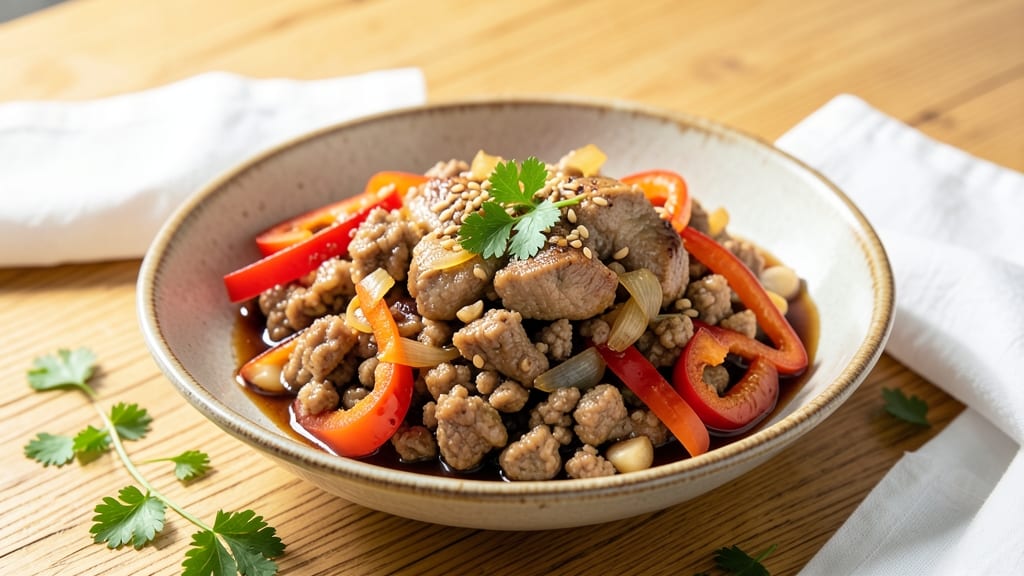
This minced pork and vegetables recipe transforms a simple stir-fry into a restaurant-worthy dish with deep umami flavor and tender textures. 🔥 As someone who's cooked thousands of pounds of pork professionally, I know how to balance savory, sweet, and aromatic elements to create a dish that's both satisfying and approachable.
The secret lies in proper meat preparation and high-heat cooking techniques that develop rich flavors without drying out the pork.
The beauty of this one-pan stir-fry is its versatility—it works as a complete meal or pairs beautifully with steamed rice or noodles. We'll use a combination of bell peppers, onions, and carrots that caramelize beautifully while the pork develops a perfect sear.
The key ingredients include ground pork (never lean, as fat renders flavor), soy sauce for depth, and a touch of honey to balance the savory notes.
What makes this recipe stand out is the professional technique of pre-cooking the pork separately before stir-frying the vegetables. This ensures tender, juicy meat that absorbs all the aromatic flavors from the wok.
The result is a dish with vibrant colors, complex umami depth, and textures that range from crisp-tender vegetables to perfectly cooked pork.
This method delivers restaurant-quality results in under 30 minutes while using just one pan for easy cleanup. The dish maintains its moisture and flavor even when reheated, making it perfect for meal prep or serving a crowd.
Let's create a stir-fry that tastes like it came from your favorite Asian bistro.
Ingredients for minced pork and vegetables
Restaurant-quality stir-fry starts with these 13 ingredients—simple but packed with umami and texture.
| Ingredient | Amount | Notes |
|---|---|---|
| Ground Pork 🐖 | 1 ½ lb | Never lean, 10-20% fat preferred |
| Bell Peppers 🌶️ | 2 whole | Any color, sliced into strips |
| Yellow Onion 🧅 | 1 whole | Thinly sliced, about 1 cup |
| Carrots 🥕 | 3 medium | Julienned into matchsticks |
| Garlic Cloves 🧄 | 4 cloves | Minced, about 1 tbsp |
| Soy Sauce 🥢 | ⅓ cup | Light or all-purpose |
| Honey 🍯 | 1 tbsp | Wildflower preferred |
| Sesame Oil 🫒 | 1 tbsp | Toasted, for aroma |
| Ginger Root 🌿 | 1 tbsp | Freshly grated |
| Vegetable Oil 🫒 | 2 tbsp | High smoke point |
| Salt 🧂 | 1 tsp | Kosher or sea salt |
| Black Pepper 🌶️ | ½ tsp | Freshly ground |
| Green Onions 🧅 | 3 whole | Sliced, for garnish |
The pork is non-negotiable—10-20% fat content is key for flavor and moisture. Costco or Trader Joe's carry excellent ground pork, but check the label for fat percentage. If you can't find it pre-ground, ask your butcher to grind chuck roast for you—it's far superior. The bell peppers should be firm with vibrant color; yellow and red add natural sweetness that caramelizes beautifully. For the carrots, organic is best if you're using the peel—it's edible and adds texture. Julienne them into even matchsticks so they cook uniformly.
No soy sauce? Coconut aminos or tamari work in a pinch, though tamari has a slightly richer flavor. Running short on honey? Maple syrup at half the amount gives similar sweetness without overpowering. The sesame oil is for aroma only—don't substitute with regular cooking oil. For ginger, fresh is non-negotiable; dried lacks the complexity. If you can't find toasted sesame oil, lightly toast regular sesame oil in a dry pan for 30 seconds before using. The green onions should be crisp—save the tops for garnish and use the bottoms in the stir-fry for extra flavor.
Prepped ingredients keep for 5 days in the fridge if stored properly: pork in an airtight container, veggies in sealed bags with paper towels to absorb moisture. The cooked stir-fry reheats beautifully—just add a splash of water or soy sauce to prevent drying. Portion into glass containers for meal prep; it stays vibrant for 4-5 days in the fridge. For longer storage, freeze portions for up to 3 months. The flavors actually deepen overnight, so leftovers often taste better the next day.
Why You'll Love This Recipe
- One-Pan Magic: I swear by this recipe when I’m too tired to scrub pots—just brown the pork, toss in the chopped veggies (onion, peppers, carrots), and let it simmer. The garlic cloves get crispy at the edges while the pork stays juicy, and cleanup? One spatula, one pan. Done.
- Umami Bomb: That first bite of caramelized pork with the sweet crunch of bell peppers and the deep punch of garlic? It’s the kind of flavor that makes you pause mid-chew. Honestly, I’ve tried fancier recipes, but this combo—simple, salty, slightly smoky—always hits the spot.
- Lunchbox Hero: Between us, this is my go-to for meal prep. I make a big batch on Sundays, portion it into containers, and it keeps perfectly for days. Add a sprinkle of soy sauce or a dash of chili flakes, and it’s lunch, dinner, or even a quick wrap filling. My kids beg for it.
- Budget Win: Ground pork stretches further than you’d think, and the veggies (especially carrots and onions) are cheap staples. I’ve fed four people for under $10 with this, and the leftovers? Even better the next day. Not the prettiest, but the taste makes up for it every time.
Step-by-step instructions for one-pan stir-fry with umami depth
Master this stir-fry technique and you'll transform simple ingredients into a restaurant-quality dish.
🔥 Step 1: Prep and Sear the Ground Pork
Heat a large, deep skillet or wok over medium-high heat and add the 2 tablespoons vegetable oil. Once the oil shimmers (about 1 minute), add the 1.5 lb ground pork and break it apart with a wooden spoon or spatula.
Cook the pork undisturbed for 2-3 minutes until it loses its raw color and begins to brown. This initial searing develops deep flavor and prevents a mushy texture. Once browned, break the pork into smaller pieces with your spoon—this ensures even cooking later. Remove the pork from the skillet and set it aside on a plate.
👨🍳 Step 2: Stir-Fry the Aromatics and Vegetables
In the same skillet (no need to wipe it clean—the browned pork bits add flavor), add the 1 whole yellow onion and 3 medium carrots julienned into matchsticks. Stir-fry for 3-4 minutes until the onions soften and the carrots begin to turn tender.
Add the 2 whole bell peppers sliced into strips and the 4 cloves garlic minced. Stir-fry for another 2-3 minutes until the peppers soften slightly and the garlic releases its fragrant aroma. You're looking for vibrant colors and just the beginning of caramelization—this ensures the vegetables stay crisp-tender.
🍳 Step 3: Combine and Season the Stir-Fry
Return the seared pork to the skillet and add the 1 tablespoon ginger root freshly grated, 1 tablespoon sesame oil, 0.33 cup soy sauce, and 1 tablespoon honey. Stir everything together vigorously for 2-3 minutes until the pork is fully coated and the sauce begins to thicken slightly.
Season with the 1 teaspoon salt and 0.5 teaspoon black pepper, then taste. The sauce should balance sweet, salty, and umami flavors. If it's too thick, add 1-2 tablespoons water to loosen it. The vegetables should be tender-crisp with just a slight bite remaining.
⏰ Step 4: Finish and Garnish
Continue cooking for another 1-2 minutes until the sauce coats the back of a spoon and the pork reaches an internal temperature of 160°F. Remove from heat and let it rest for 1 minute—this allows the flavors to meld and the sauce to thicken slightly.
Garnish with the 3 whole green onions sliced, adding fresh color and a bright finish. Serve immediately over steamed rice or noodles, ensuring each bite delivers perfectly balanced flavors and textures. The dish should be vibrant, aromatic, and packed with umami depth from the pork and soy sauce combination.
Pro Tips For Making Minced Pork And Vegetables
- CRISP THE PORK FIRST: Dump the raw ground pork into a cold, dry skillet and let it sit for 30 seconds before stirring—this guarantees a proper sear instead of a greasy mess. I used to rush this, and my pork always ended up undercooked or rubbery. The first 2 minutes on medium-high are non-negotiable; don’t walk away.
- CHOP VEGETABLES UNIFORM: Bell peppers and carrots should be cut into ½-inch dice, onions into ¼-inch pieces—anything larger than that won’t soften evenly. I learned this the hard way when my carrots stayed crunchy while the peppers turned to mush. A sharp knife and a little patience make all the difference here.
- SWEAT ONIONS LOW AND SLOW: Turn the heat down to medium-low once the onions hit the pan, and resist the urge to crank it up. You want them translucent and sweet, not browned—this takes 5-7 minutes, not 2. I was skeptical until I tried it; the flavor depth changes completely.
- SAVE TIME WITH GARLIC: Mince the garlic cloves just before adding them to the pan—raw garlic burns in seconds. If you’re short on time, use a garlic press, but don’t skip the quick sear (30 seconds max) to release the aroma. Yes, even if you’re impatient like me.
Best sauces and condiments for these flavors
Soy-Ginger Glaze
This classic combination of soy sauce and fresh ginger forms the flavor backbone of the dish. I recommend using Kikkoman soy sauce for its balanced saltiness, and always fresh ginger—never powdered.
For extra depth, add 1 teaspoon of fish sauce (like Red Boat brand) to the sauce mixture before combining with the pork. The fish sauce adds a subtle umami complexity that elevates the dish to restaurant-level quality. 🌿
Sweet-Savory Sauce
The honey and soy sauce pairing creates a perfect balance of sweet and salty that complements the pork's natural richness. For a deeper caramelized flavor, substitute half the honey with 1 tablespoon of brown sugar or 1 teaspoon of maple syrup.
I also like adding a pinch of white pepper to the sauce for a subtle warmth that pairs beautifully with the ginger. This sauce works equally well as a dipping sauce for spring rolls or dumplings.
Umami Boosters
For an extra umami punch, stir in 1 teaspoon of oyster sauce (like Lee Kum Kee) or 1 tablespoon of mushroom powder when combining the pork and vegetables. These ingredients add depth without overpowering the dish.
If you're feeling adventurous, a splash of Mirin (about 1 teaspoon) brightens the sauce with its fruity notes. The key is to taste as you go—this sauce should be vibrant, not flat. 🍯
Spicy Kick
Add ½ teaspoon of chili crisp or 1 teaspoon of sriracha to the finished dish for heat lovers. I prefer Lao Gan Ma chili crisp for its complex, slightly smoky flavor. For a more traditional approach, add 1 teaspoon of doubanjiang (spicy fermented chili bean paste) when stir-frying the aromatics.
This adds a deep, spicy-savory dimension that pairs perfectly with the pork's richness. Adjust to taste—start small and add more if needed.
Creamy Finish
For a luxurious touch, stir in 2 tablespoons of coconut milk or 1 tablespoon of sour cream at the very end of cooking. This adds a velvety texture that contrasts beautifully with the crisp-tender vegetables.
I also like finishing with 1 tablespoon of toasted sesame seeds for crunch and aroma. The creaminess balances the dish's bold flavors while keeping it light enough for a summer meal. 🥥
Nutrition facts
Frequently asked questions
Can I substitute ground beef for the pork in this recipe?
Yes, but expect different flavor and texture results. Ground beef (especially 80% lean) works well, though pork has a more delicate, slightly sweet taste that pairs better with the sweet-savory sauce. If using beef, reduce cooking time by 1 minute—it browns faster. For best results, use 1 lb ground pork shoulder instead of chuck, as it stays juicier during stir-frying.
How do I prevent the pork from becoming dry or rubbery?
Never overcook the pork—it's done at 160°F internal temperature. The secret is searing it first (2-3 minutes undisturbed) to render fat, then removing it while still slightly underdone before stir-frying with vegetables. Also, use 10-20% fat pork—leaner cuts dry out faster. If the sauce seems thin, add 1 tablespoon cornstarch mixed with water as a slurry at the end.
What if I don't have fresh ginger or garlic?
For garlic, powdered garlic works in a pinch (use ½ teaspoon instead of 4 cloves), but fresh is ideal. For ginger, ground ginger lacks complexity—try ½ teaspoon plus 1 teaspoon lemon juice to mimic fresh flavor. Both substitutes will change the dish's depth, but they're better than skipping them entirely. The recipe's umami comes from the pork and soy sauce, so these aromatics enhance rather than carry the flavor.
Can I make this recipe in a slow cooker or Instant Pot?
Not recommended—this stir-fry relies on high-heat searing for flavor development. However, you can adapt it: Sear pork first in a skillet, then transfer everything to an Instant Pot on high pressure for 3 minutes with ½ cup water. Release pressure naturally, then finish with fresh green onions. The texture will be softer, but the flavors work. For slow cooker, cook on low for 2-3 hours with ¼ cup broth instead of water.
What vegetables can I swap in for the carrots and bell peppers?
Great flexibility here! Try snap peas (add at the end for crunch), broccoli florets (cut small so they cook fast), or zucchini sliced thinly. For heartier options, use mushrooms (add with onions) or green beans**. The key is cutting veggies uniformly so they cook evenly. Avoid watery veggies like tomatoes or cucumbers—they'll dilute the sauce. Always add denser veggies first, then lighter ones at the end.