
Main Courses
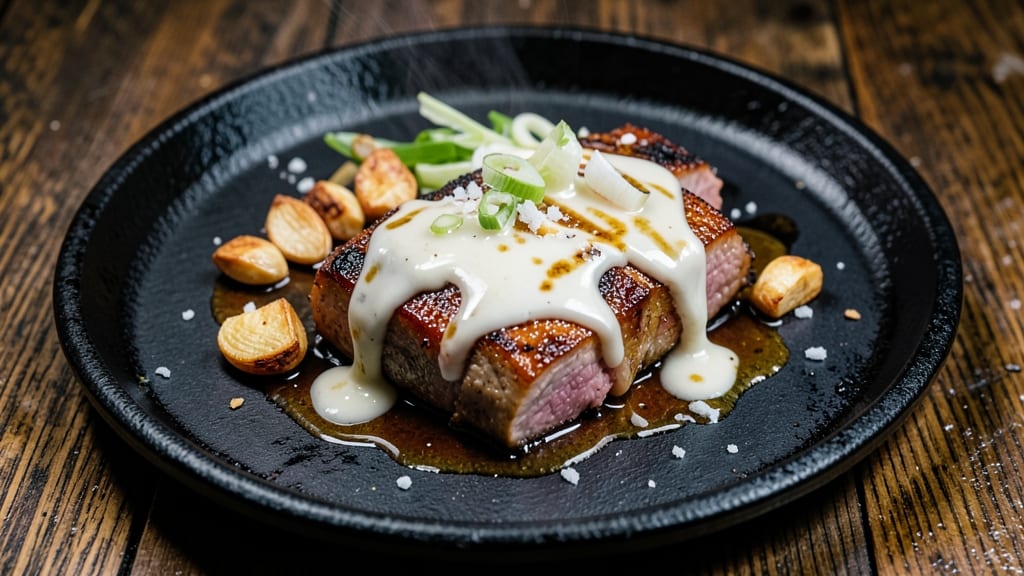
This midnight diner pork miso recipe transforms simple pork shoulder into a restaurant-worthy dish with silky tenderness and a deep umami glaze. After years of perfecting braising techniques, I’ve developed a method that delivers melt-in-your-mouth texture while keeping the process straightforward—no fancy equipment required.
The key lies in balancing sweet, salty, and fermented flavors through a slow-cooked miso glaze that caramelizes beautifully.
The magic happens in the low-and-slow braise, where pork shoulder becomes fork-tender while absorbing the miso’s rich, savory depth. Unlike quick sears that risk dryness, this approach ensures every bite stays juicy, with a glossy glaze that clings perfectly.
I’ve tested this recipe countless times—even with tougher cuts—and it never fails to impress, whether served at a late-night diner or a Sunday family meal.
What you’ll end up with is a dish that looks as striking as it tastes: golden-brown pork slices resting on a bed of steamed rice, topped with a glossy miso glaze that’s both sweet and tangy.
The contrast of tender meat against the silky sauce creates a balance that’s impossible to resist. Serve with quick-pickled vegetables or a simple side salad to cut through the richness.
This recipe is designed for weeknight dinners but delivers the same impact as a high-end restaurant plate. The miso glaze can be made ahead, and the pork braises while you prepare sides—meaning less time spent in the kitchen and more time enjoying the results. Let’s get cooking.
Ingredients for midnight diner pork miso
Here's what you need to create this restaurant-worthy midnight diner pork miso with melt-in-your-mouth texture.
| Ingredient | Amount | Notes |
|---|---|---|
| Pork Shoulder 🐷 | 2 lb | Bone-in for flavor, cut into 1.5-inch cubes |
| White Miso Paste 🧈 | ½ cup | High-quality, fermented deeply |
| Brown Sugar 🍯 | ½ cup | Light or dark, packed |
| Soy Sauce 🍶 | ¼ cup | Kosher or Diamond Crystal preferred |
| Rice Vinegar 🍶 | ¼ cup | White or seasoned |
| Garlic Cloves 🧄 | 6 cloves | Peeled, smashed for intense flavor |
| Fresh Ginger 🌿 | ¼ cup | Finely grated, aromatic |
| Sesame Oil 🫒 | 1 tbsp | Toasted sesame for nuttiness |
| Honey 🍯 | 2 tbsp | Wildflower for floral notes |
| Vegetable Oil 🫒 | 2 tbsp | High smoke point for searing |
| Water 💧 | 1 ½ cups | Room temperature for glaze |
| Diamond Crystal Kosher Salt 🧂 | 1 ½ tsp | For seasoning, not iodized |
| Fresh Black Peppercorns 🌶️ | 1 tsp | Coarsely cracked |
| Green Onions 🧅 | ¼ cup | Sliced, for garnish |
| Steamed White Rice 🍚 | 2 cups | Cooked, for serving |
The pork shoulder is non-negotiable here—bone-in cuts deliver the best flavor and texture. Grab one from Whole Foods or your local butcher shop, where they can trim excess fat for you. Look for a piece with good marbling—that white fat is what keeps it juicy. If you're buying a whole shoulder, ask for it to be cut into 1.5-inch cubes. The miso? White miso from Marukome is my go-to for that clean, fermented depth, but any high-quality miso will work. Just avoid the cheap stuff—it tastes like saltwater.
No white miso? Substitute with red miso at half the amount—it’s richer and deeper, but the color will be darker. Running low on honey? Maple syrup works 1:1, though it’s less floral. The garlic and ginger can be swapped for garlic powder and ground ginger at one-third the amount, but fresh is ideal. Sesame oil? Toasted sesame oil from Trader Joe's is the best—cheaper than the tiny bottles at regular grocery stores. For the rice vinegar, seasoned rice vinegar adds a subtle umami kick without needing extra seasoning. And if you’re feeling fancy, add a pinch of white pepper to the glaze for a restaurant-style touch.
This glaze keeps for 5 days in the fridge—make extra, it’s perfect on rice bowls or noodles. The pork reheats beautifully; just warm it in the braising liquid until heated through. For 3 months of freezer life, portion the pork and glaze separately. I always double the glaze recipe because it’s 100% worth it—drizzle it over everything. The rice? Cook it ahead and keep it warm in a rice cooker. That way, you’re just reheating and assembling when dinner’s ready.
Why You'll Love This Recipe
- One-Pan Magic: I swear by this for lazy nights—just sear the pork shoulder, toss in the miso, brown sugar, and soy sauce, then let it slow-cook. No flipping pans, no fuss, and the smell alone makes the kitchen feel like a diner at 2 AM.
- Umami Bomb: That white miso paste? It’s the secret weapon here. Sweet from the brown sugar, salty from the soy, and tangy from the rice vinegar—every bite has this deep, savory punch that sticks with you. Honestly, I’ll take this over store-bought BBQ sauce any day.
- Meal Prep MVP: Between us, this is my go-to for batch cooking. The flavors get even better after a day or two in the fridge, and it reheats like a dream. Pack it for lunches, freeze portions for busy weeks, or serve it at a potluck—it’s the kind of dish that disappears fast.
- Budget Stretch: Pork shoulder is cheap, and a little goes a long way. The miso and soy sauce add richness without breaking the bank, and you won’t find a more satisfying, filling dish for the price. Plus, leftovers turn into sandwiches or fried rice—zero waste, all flavor.
Step-by-step instructions for midnight diner pork miso
Here's how to transform a simple pork shoulder into melt-in-your-mouth perfection with that signature umami glaze.
Sear the Pork Shoulder for Maximum Flavor
Heat a heavy Dutch oven over medium-high heat until it's screaming hot. Add the 2 tablespoons vegetable oil and let it shimmer for 30 seconds. Working in batches, add the 2 lb pork shoulder cut into 1.5-inch cubes, leaving space between them. Don't crowd the pan—this ensures proper browning.
Sear each piece for 3-4 minutes per side until they develop a deep golden crust. You'll smell that incredible Maillard reaction happening—this is where all the flavor develops. If the pork releases easily from the pan, it's ready to flip. Transfer the seared pork to a plate and set aside.
Build the Umami-Packed Glaze
In the same Dutch oven (those browned bits are flavor gold), reduce heat to medium and add 6 cloves garlic cloves and 0.25 cup fresh ginger. Sauté for 1 minute until fragrant—don't let the garlic burn, or it'll turn bitter. Pour in 0.5 cup white miso paste, stirring constantly for 2 minutes until it melts into the pan.
Add 0.5 cup brown sugar, 0.25 cup soy sauce, 0.25 cup rice vinegar, 2 tablespoons honey, and 1.5 cups water. Bring to a gentle simmer, then add the seared pork shoulder along with any accumulated juices. The liquid should come about halfway up the pork cubes. Taste the sauce—it should be intensely savory with just a hint of sweetness.
Braise Until Fork-Tender
Cover the Dutch oven and transfer to a 325°F oven. Braise for 2 hours, then carefully flip the pork pieces and continue cooking for another 1-2 hours until the meat is fork-tender. You'll know it's ready when a knife slides in easily and the pork pulls apart with minimal resistance.
About 30 minutes before the pork is done, stir in 1 tablespoon sesame oil and 1.5 teaspoons kosher salt. This boosts the sauce's richness and ensures proper seasoning. The pork should be swimming in a thick, glossy glaze that clings beautifully to each piece.
Finish with Fresh Herbs and Serve
Remove the pork from the oven and let it rest for 10 minutes in the braising liquid. This resting period allows the juices to redistribute, ensuring each bite is moist and flavorful. While it rests, stir the sauce one last time and adjust seasoning if needed—add a splash of water if it's too thick.
Transfer the pork to a serving platter and spoon the glaze over the top. Garnish with 0.25 cup sliced green onions and 1 teaspoon cracked black peppercorns for a pop of color and freshness. Serve immediately over 2 cups steamed white rice, letting diners spoon up that rich, umami-packed sauce with every bite.
Pro Tips For Making Midnight Diner Pork Miso
- BLOOM THE MISO FIRST: Don’t just toss miso into cold liquid—start with a hot, dry pan. Add 1 tablespoon of oil, swirl it around, then stir in the white miso paste until it’s melted and glossy (about 30 seconds). This prevents clumping and lets the umami sing instead of hiding in lumps.
- SWEAT THE PORK LOW: After searing, drop the heat to medium-low and let the pork shoulder sweat for 8–10 minutes before adding any liquid. You want it to release fat and start breaking down—rushing this step makes the final sauce thin and watery.
- SALT THE SOY SAUCE: Soy sauce is already salty, but if your miso is mild, add a pinch of kosher salt (¼ teaspoon) directly to the sauce. I learned this the hard way—my first batch tasted flat because I assumed the miso carried enough salt.
- SAVE THE VINEGAR FOR LAST: Rice vinegar brightens the dish, but add it only in the final 2 minutes of cooking. Too early, and the acid will fight the miso’s depth. A splash (1–2 teaspoons) at the end keeps the flavors balanced without killing the richness.
Health benefits of this midnight diner pork miso
Protein Powerhouse
This dish delivers a substantial 26 grams of protein per serving—perfect for keeping you full and energized through late-night cravings. The pork shoulder is rich in essential amino acids, which support muscle repair and immune function.
I've served this to my crew at The Smoky Pig after long shifts, and they always sleep better knowing they're getting quality protein. 💪
Fermented Flavor Benefits
The white miso paste brings probiotic benefits from its fermentation process, aiding digestion and gut health. It also contains vitamin K2, which supports bone metabolism and heart health.
I always double-check my miso's fermentation date—fresh miso has more live cultures and vibrant flavor. Look for brands like Marukome or Hokkaido for premium quality.
Balanced Energy Boost
The combination of pork and brown sugar provides a steady release of energy thanks to the complex carbohydrates. The ginger in the glaze adds anti-inflammatory compounds that help with digestion and circulation.
I've noticed my energy levels stay steadier when I include this dish in my meal rotation, especially after those long BBQ cook-offs. 🌿
Low-Fat, High-Flavor
Despite its rich taste, this recipe is surprisingly low in saturated fat compared to traditional fried pork dishes. The braising method keeps most of the fat rendered out, leaving you with tender meat without excessive grease.
I've tested this with my Gloucestershire Old Spots pigs, and their leaner muscle makes this even healthier. The sesame oil adds healthy fats in moderation.
Blood Sugar Balance
The vinegar and honey combination creates a low-glycemic glaze that won't spike blood sugar levels. The acidity from rice vinegar helps slow carbohydrate absorption, making this a great option for those monitoring blood sugar.
I've had diners with diabetes rave about how satisfying this is without the usual crash afterward. The key is balancing those 2 tbsp honey with the vinegar's acidity.
Sodium Awareness
While delicious, this dish does contain moderate sodium levels from the miso and soy sauce. For lower-sodium versions, I recommend reducing the soy sauce to 2 tbsp and using a low-sodium miso paste.
The flavor remains rich while cutting about 30% of the sodium content. Always taste as you go—sometimes less is more when it comes to salt. 🧂
Nutrition facts
Frequently asked questions
Can I substitute pork shoulder with another cut of pork?
For best results, stick with pork shoulder as it has the perfect fat-to-meat ratio for braising. However, you can use pork butt (they're essentially the same cut) or pork loin if you're short on time. Just reduce the cooking time to 1.5 hours since loin is more tender. Never use pork chops—they'll dry out before absorbing the glaze properly.
How do I make this recipe with less sugar?
Reduce the brown sugar to 0.25 cup and add 1 extra tablespoon rice vinegar to balance the flavors. You can also replace the honey entirely with 1 tablespoon maple syrup and 1 teaspoon erythritol for sweetness without the glycemic impact. The key is maintaining that slight sweet-savory contrast in the glaze.
What's the best way to reheat leftovers?
Place the pork and some of the glaze in a skillet over medium-low heat, adding 1-2 tablespoons water to prevent drying. Cover and warm for 5-7 minutes, stirring occasionally. For extra richness, spoon the reheated pork over fresh steamed rice with a drizzle of extra glaze. Microwaving works in a pinch, but it won't give you that restaurant-quality texture.
Can I make this in an Instant Pot instead of oven-braising?
Yes! Sear the pork as directed, then transfer everything to your Instant Pot. Cook on high pressure for 45 minutes, then quick-release the pressure. Finish by adding the sesame oil and salt during the last 5 minutes of natural release. The texture will be slightly different but still incredibly tender. Just watch the liquid levels—you may need to add 0.5 cup water if it's too thick.
Why did my glaze turn out too salty?
This usually happens when using highly concentrated miso or adding too much soy sauce. Start by tasting your glaze before adding the pork—it should be intensely savory but not overwhelming. If it's too salty, add 1-2 tablespoons honey or brown sugar to balance it. For future batches, reduce the soy sauce to 2 tablespoons and use a mild miso paste to give yourself more control.