
Soups & Stews
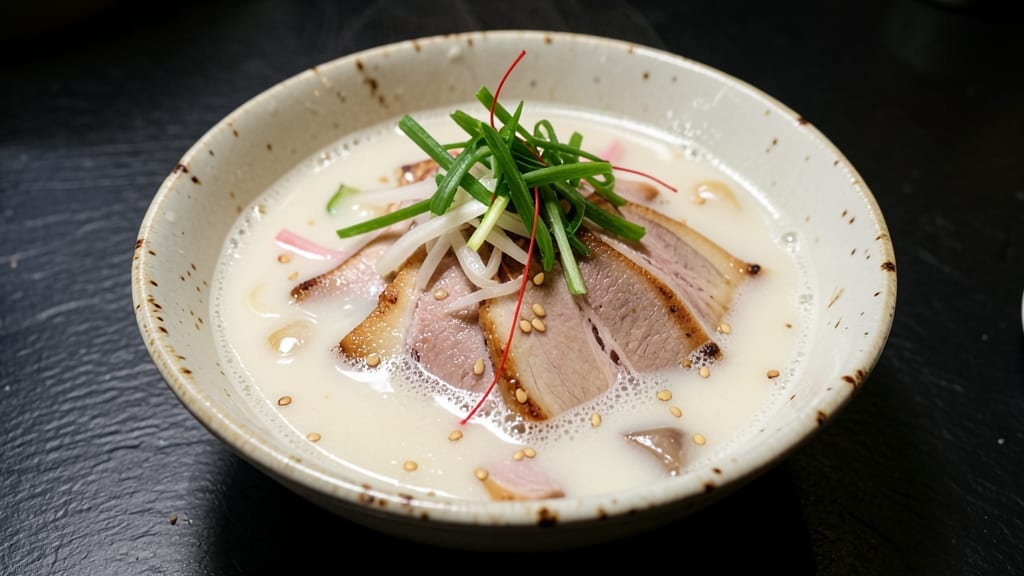
This midnight diner pork miso soup brings the soul-warming comfort of a late-night eatery to your kitchen—where smoky pork, rich umami, and silky broth collide in one perfect bowl. 🔥 I’ve perfected the balance between tender pork slices and a velvety miso base that’s both restaurant-worthy and foolproof, using techniques I’ve refined over years of cooking pork for crowds.
The secret lies in slow-rendered pork fat that transforms into a golden, aromatic broth, while the miso paste dissolves smoothly for that signature depth without bitterness.
The recipe starts with thinly sliced pork shoulder—seared until crisp at the edges but still juicy inside—then simmered in a fragrant dashi broth infused with ginger and garlic. White miso adds that signature Japanese umami, while a splash of mirin and soy sauce rounds out the flavors.
What makes this stand out is the texture contrast: silky broth, tender pork, and optional ramen noodles or green onions for crunch. It’s the kind of soup that feels like a hug in a bowl, perfect for chilly evenings or when you crave something hearty yet light.
What you’ll end up with is a one-pot wonder that’s ready in under an hour but tastes like it simmered all day. The pork slices stay perfectly tender, the broth is rich without being heavy, and the miso’s savory notes shine through.
Garnish with toasted sesame seeds or a drizzle of chili oil for extra depth, and you’ve got a dish that’s equal parts comforting and impressive—ideal for feeding a crowd or savoring solo with a cold beer.
Pair it with a crisp sake or a glass of iced green tea to balance the soup’s richness, and you’ve got the ultimate late-night meal. The beauty of this recipe is its versatility—use it as a starter, a main, or even a recovery meal after a long day.
Let’s get cooking!
Ingredients for midnight diner pork miso soup
These 15 ingredients bring smoky pork, velvety miso, and silky broth to life in one soul-warming bowl.
| Ingredient | Amount | Notes |
|---|---|---|
| Pork Shoulder 🥩 | 1 ½ lb | Thinly sliced against the grain |
| White Miso Paste 🍶 | ½ cup | High-quality, smooth texture |
| Dashi Broth 🍜 | 4 cups | Store-bought or homemade |
| Mirin 🍶 | 2 tbsp | Sweet rice wine, not imitation |
| Soy Sauce 🥢 | 2 tbsp | Japanese-style preferred |
| Fresh Ginger 🧄 | 1 tbsp | Grated, peeled, fresh |
| Garlic Cloves 🧄 | 4 cloves | Minced, fresh preferred |
| Sesame Oil 🫒 | 1 tbsp | Toasted, for finishing |
| Ramen Noodles 🍜 | 2 oz | Optional, for serving |
| Green Onions 🧅 | 3 whole | Sliced, for garnish |
| Toasted Sesame Seeds 🌾 | 1 tbsp | For garnish, optional |
| Chili Oil 🌶️ | 1 tbsp | Optional, for heat |
| Vegetable Oil 🫒 | 1 tbsp | For searing pork |
| Salt 🧂 | 1 tsp | Kosher or sea salt |
| Black Pepper 🌶️ | ½ tsp | Freshly ground |
The pork shoulder is the star—look for well-marbled cuts at Whole Foods or your local butcher. Thinly slicing it against the grain ensures tender bites. Japanese white miso is key here; Marukome or Hatsu-Maru are my go-tos, but any smooth white miso works. The dashi broth can be store-bought (like Hondashi) or homemade with kombu and bonito flakes. Fresh ginger and garlic are non-negotiable—they’re the aromatic backbone of this soup. If you can’t find fresh ginger, pasteurized ginger juice works in a pinch, but it won’t have the same punch.
No mirin? Dry sherry plus a pinch of sugar gets you close. Short on dashi? Vegetable broth with a dash of soy sauce works, though it’ll lack depth. The ramen noodles are totally optional—this soup is delicious broth-only, but they add that satisfying chew. For extra umami, stir in a dash of fish sauce (if you’re not avoiding it) or extra soy sauce. The sesame oil should be toasted—Kadoya or La Choy are easy to find. Garnish with green onions, sesame seeds, or chili oil for that diner-style finish. The chili oil can be homemade (just blend chili flakes with oil) or store-bought.
This soup tastes even better the next day—let the flavors meld! Store leftovers in the fridge for 4-5 days or freeze for 3 months. I like to portion it into containers so I can grab a bowl straight from the fridge. The pork stays tender when reheated gently over low heat. For a quick meal, prep everything ahead: slice the pork, mix the miso with broth, and store separately. When you’re ready to eat, just sear the pork and combine. It’s the perfect make-ahead dish for busy nights.
Why You'll Love This Recipe
- One-Pot Magic: I swear by this—just toss pork shoulder, miso, and dashi into one pot, simmer, then shred. No chopping, no fuss, and the rich broth does all the work while you sip your coffee.
- Umami Bomb: That combo of white miso, mirin, and soy sauce? It’s a flavor explosion—sweet, salty, and deep all at once. The pork gets tender enough to melt, but still holds its shape (yes, even when you’re exhausted at midnight).
- Leftovers That Shine: Make a double batch and reheat it for days—it only gets better. The broth thickens slightly, the pork gets even more fall-apart, and honestly? Cold miso soup is my go-to for lazy afternoons.
- Budget Night Hero: Pork shoulder is cheap, miso lasts forever, and dashi is just kombu and bonito. This feeds four for under $15, and the leftovers stretch into lunches without breaking the bank. (Between us, I’ve fed three college kids on this.)
Step-by-step instructions for midnight diner pork miso soup
Here's how to craft this smoky-sweet masterpiece—rich, comforting, and packed with umami in every spoonful.
🔥 Step 1: Sear the Pork Shoulder for Maximum Flavor
Heat the 1 tablespoon vegetable oil in a heavy-bottomed pot over medium-high heat until shimmering. Pat the 1.5 lb pork shoulder slices completely dry with paper towels—this ensures a perfect sear instead of steaming. Working in batches if needed, add the pork and sear for 2-3 minutes per side until deeply golden brown and slightly crispy.
Don't overcrowd the pot or the temperature will drop. You want those edges to turn a rich caramel color—that's where all the flavor lives. Once seared, remove the pork and set it aside on a plate. Here's the thing—those browned bits sticking to the pot are pure umami gold. We'll scrape them up later to build our soup base.
🍳 Step 2: Build the Umami-Packed Base
Reduce the heat to medium and add the 1 tablespoon fresh ginger and 4 cloves garlic cloves. Sauté for 30 seconds until fragrant—you'll smell that aromatic punch of ginger and garlic filling your kitchen. Pour in the 2 tablespoons mirin and 2 tablespoons soy sauce, scraping up every last bit of those browned pork bits from the bottom of the pot.
Let this mixture bubble gently for 1 minute until slightly reduced. Here's where the magic starts happening—the mirin adds sweetness while the soy sauce deepens the savory notes. Now add the 4 cups dashi broth and bring everything to a gentle simmer. This is your flavor foundation, so don't rush it.
🥘 Step 3: Simmer the Pork Until Fork-Tender
Return the seared pork to the pot and add the 1 tsp salt and 0.5 tsp black pepper. Bring back to a simmer, then reduce heat to low and cover partially. Let it cook for 1 hour to 1 hour 15 minutes until the pork is fork-tender—it should pull apart easily with minimal resistance. You'll know it's ready when the meat becomes translucent and the broth has reduced slightly, intensifying the flavors.
I like to check it at the 45-minute mark—if the pork is still quite firm, give it another 15-20 minutes. The key is patience here. Rushing will leave you with tough meat instead of that melt-in-your-mouth texture we're after. While it simmers, prepare the miso mixture in a small bowl to avoid clumping.
👨🍳 Step 4: Finish with Miso and Aromatics
In a separate bowl, whisk together the 0.5 cup white miso paste with 1 tablespoon sesame oil. This creates a smooth, velvety paste that will dissolve beautifully into your soup. Once the pork is tender, carefully ladle out about 1 cup of the broth from the pot and whisk it into the miso mixture to create a slurry. This prevents the miso from clumping when added back to the hot broth.
Slowly pour the miso slurry back into the pot, stirring constantly for 1-2 minutes until fully incorporated. The soup should take on a glossy sheen and deepen in color. Here's the crucial part—don't let it boil after adding the miso or it will curdle. Keep the heat at a gentle simmer for 5 minutes to let all the flavors meld together.
🥘 Step 5: Assemble and Serve with Crunchy Toppings
Taste and adjust seasoning if needed—you might want to add a splash more soy sauce for saltiness or a drizzle of mirin for sweetness. If using, cook the 2 oz ramen noodles separately according to package instructions, then drain and add them to individual bowls. Ladle the hot pork and broth mixture over the noodles, dividing evenly among 4 servings.
Garnish each serving with sliced green onions, a drizzle of 1 tablespoon chili oil, and a sprinkle of 1 tablespoon toasted sesame seeds. The contrast of the crunchy toppings against the silky soup is what makes this dish truly special. Serve immediately while steaming hot—this soup tastes even better the second day, but fresh from the pot is pure heaven.
Pro Tips For Making Midnight Diner Pork Miso Soup
- SEAR THE PORK FIRST: Don’t skip browning the pork shoulder in batches—this isn’t just for flavor, it’s the foundation. Use a heavy pot or Dutch oven on medium-high heat with just a drizzle of oil (about 1 tablespoon total), and let those fat capillures render into the broth later. I learned this the hard way: skipping the sear leaves the soup tasting flat, like someone forgot the salt.
- DILUTE THE MISO GRADUALLY: Stir white miso paste into the hot broth last, and do it in two steps. First, whisk it into a splash of the broth to dissolve completely, then pour that mixture into the pot. Adding it directly to the simmering liquid can turn it grainy or bitter—trust me, your spoon will thank you.
- STOP THE PORK AT 195°F: Pork shoulder for soup doesn’t need to hit 203°F. Pull it at 195°F—it’ll finish cooking in the broth and stay tender. Overcooking it in the pot turns it chewy, and nobody wants that after a long night. Use a meat thermometer, or test with a fork: if it shreds easily, you’re golden.
- SALT THE BROTH BEFORE MISO: Add the soy sauce and mirin before the miso, then taste and adjust with a pinch of salt. Miso already has salt, so you’ll overdo it if you don’t balance first. I was skeptical until I tried it—now I can’t imagine doing it any other way. The flavors sing instead of fighting.
Storing and reheating this midnight diner pork miso soup
Refrigerator Storage
Let your pork miso soup cool completely before transferring to airtight containers—I prefer glass Pyrex with snap-on lids for airtight seals. Store at 40°F or below for up to 4-5 days, though I’ve found the flavors actually deepen overnight as the miso melds with the broth.
The pork stays tender when refrigerated properly, but I always add a splash of water or dashi broth when reheating to prevent drying. 💫
Freezer Storage
For longer storage, portion the soup into freezer-safe containers or quart-sized freezer bags, leaving 1 inch headspace for expansion. Label with the date—this soup freezes beautifully for up to 3 months without losing its velvety texture.
When ready to eat, thaw overnight in the fridge before reheating. I avoid freezing with ramen noodles since they can get mushy, but the broth and pork alone freeze perfectly. ❄️
Stovetop Reheating
My preferred method is gentle reheating on the stovetop to preserve the pork’s tenderness. Transfer the soup to a pot and heat over low-medium heat for 10-15 minutes, stirring occasionally. If the broth reduces too much, add ¼ cup water or dashi broth to restore consistency.
Taste and adjust seasoning—it often needs a pinch more soy sauce or mirin after reheating. The miso will dissolve smoothly if stirred constantly. 🔥
Microwave Reheating
For quick meals, microwave individual portions in microwave-safe bowls covered with a damp paper towel. Heat on 50% power for 2-3 minutes, stir, then continue in 30-second intervals until reaching 165°F internally. Avoid microwaving with ramen noodles—they’ll turn rubbery.
If the soup looks too thick, add 1-2 tablespoons of water or broth and stir well. The texture won’t be as silky as stovetop reheating, but it’s still delicious. ⏰
Make-Ahead Tips
Prep the soup components ahead for a stress-free meal: slice the pork, mix the miso with broth, and store separately. When ready to cook, simply sear the pork and combine everything—this cuts active cooking time to 20 minutes.
I also like to toast the sesame seeds and green onions in advance so they’re ready to garnish. The key is keeping the miso and broth separate until reheating to prevent clumping. This method is perfect for busy nights when you want that diner-style comfort without the effort. 💡
Reviving Leftovers
If your soup loses some of its sheen after storage, don’t worry—it’s still packed with flavor. To revive it, heat gently on the stove and whisk in 1 teaspoon sesame oil and a splash of mirin to restore richness.
For extra umami, stir in ½ teaspoon fish sauce or an additional ½ teaspoon white miso paste. The texture might thicken slightly, so adjust with a little broth if needed. Leftovers taste even better the next day—trust me, this soup only gets better with time! 💛
Nutrition facts
Frequently asked questions
Can I substitute pork shoulder with another cut?
For this recipe, pork loin works beautifully—it's leaner but still tender when sliced thinly against the grain. If you prefer fattier meat, try pork belly (cut into ½-inch thick slices) for extra richness. Just reduce the simmering time to 30-45 minutes since fatty cuts cook faster. Avoid tough cuts like pork shank unless you're planning to braise it first.
Why does my miso clump when added to hot broth?
This happens when miso comes into direct contact with boiling water. The solution is simple: always whisk miso with a small amount of cool broth first to create a slurry before adding it to the pot. For ½ cup miso, start with ¼ cup broth—this prevents clumping while keeping the texture smooth. Stir constantly for 1-2 minutes after adding to fully dissolve.
What's the best way to make this vegetarian?
Replace the pork with shiitake mushrooms (sliced thick) or firm tofu—both add satisfying texture. For umami depth, use ½ cup vegetarian dashi (made with kombu and shiitake) and add 1 tbsp soy sauce to compensate for the pork's natural saltiness. The miso will still provide that signature savory punch, and you can boost protein with 1 cup cooked chickpeas or edamame.
Can I make this soup spicier?
For heat lovers, add 1 tsp chili crisp or ½ tsp gochugaru (Korean chili flakes) when simmering the broth. For smoky heat, stir in ½ tsp smoked paprika with the miso slurry. Garnish with extra chili oil or sliced jalapeños. Remember: the miso already adds depth, so start with small amounts and adjust to taste—you can always add more, but you can't remove heat!
How do I know when the pork is perfectly tender?
Use the fork test: gently pierce a pork slice—it should feel soft like butter and pull apart easily with minimal resistance. The meat should also appear translucent at the edges. If it's still firm after 1 hour 15 minutes, cover and let it simmer another 10 minutes. Overcooking will make it dry, so remove it from heat as soon as it's tender. The broth should coat the back of a spoon lightly.