
Main Courses
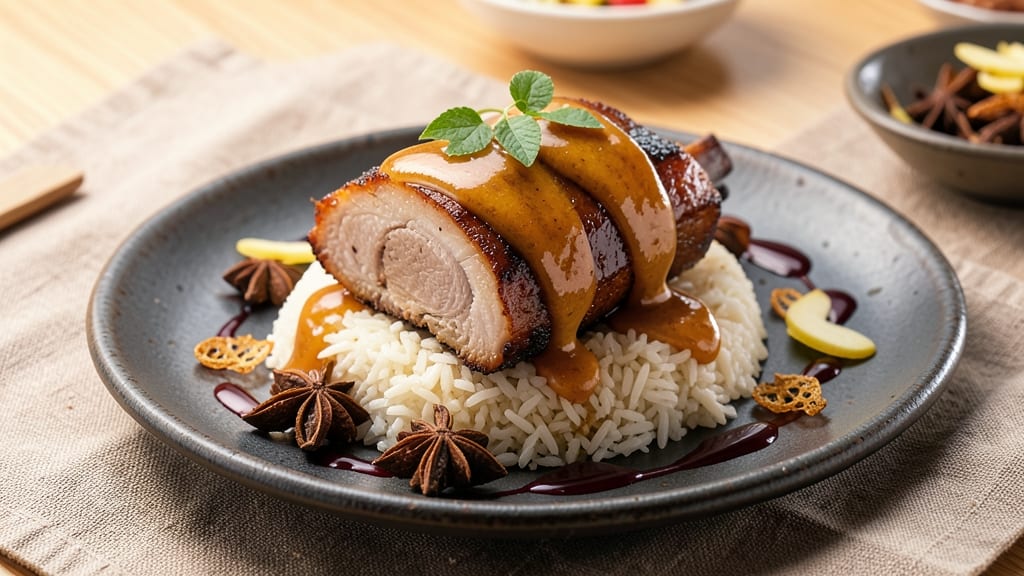
This Asian pork shank recipe delivers melt-in-your-mouth tenderness with deep, aromatic flavors that transform a simple cut into a showstopper. 🌟 As someone who's spent years perfecting pork braises—from my CIA training to running a high-volume BBQ kitchen—I know the secret lies in slow cooking and star anise's subtle complexity.
The result? Rich, silky meat that practically falls apart with every bite, infused with soy, ginger, and just the right balance of sweetness and umami.
The process begins with a simple marinade that preps the pork for its long braise, where it develops layers of flavor in the oven. Unlike quick-cooking cuts, pork shank rewards patience—its collagen-rich connective tissue dissolves into the sauce, creating a velvety finish that coats every bite.
This method ensures restaurant-quality results without requiring advanced techniques, making it perfect for both weeknight dinners and special occasions.
What makes this recipe truly special is the aromatic star anise, which adds a delicate licorice note that elevates the dish beyond ordinary braised pork. The sauce reduces to a perfect consistency, clinging to the meat while offering just enough liquid to serve over rice or noodles.
The final dish is elegant yet approachable, with a depth of flavor that comes from hours of slow cooking and careful seasoning.
Pair it with steamed jasmine rice and quick-pickled vegetables for a complete meal that balances richness with brightness. The leftovers, if there are any, reheat beautifully, making this a practical choice for meal prep. Ready to master this technique? Let's get started with the ingredients and step-by-step instructions.
Ingredients for asian pork shank
Aromatic star anise and slow-braised pork shank create restaurant-quality richness with minimal effort.
| Ingredient | Amount | Notes |
|---|---|---|
| Pork Shank 🥩 | 2 lb | Bone-in, cut into 2-inch pieces |
| Soy Sauce 🍶 | ½ cup | High-quality, preferably Japanese |
| Brown Sugar 🍯 | ¼ cup | Packed, light or dark |
| Garlic Cloves 🧄 | 6 cloves | Minced, fresh preferred |
| Fresh Ginger 🌿 | ½ cup | Finely grated, peeled |
| Star Anise 🌟 | 2 whole | For aromatic depth |
| Cinnamon Stick 🌿 | 1 whole | For warmth and complexity |
| Red Wine 🍷 | 1 cup | Dry, like Cabernet Sauvignon |
| Chicken Broth 💧 | 2 cups | Low-sodium preferred |
| Sesame Oil 🫒 | 1 tbsp | Toasted, for finishing |
| Neutral Oil 🫒 | 2 tbsp | Like vegetable or canola |
| Salt 🧂 | 1 ½ tsp | Kosher or sea salt |
| Black Pepper 🌶️ | ½ tsp | Freshly ground |
| Green Onion 🧅 | 2 whole | Sliced, for garnish |
The pork shank is the heart of this dish, so choose bone-in cuts with good marbling for tenderness. Butcher shops often have better quality than grocery stores, but the pre-cut pieces at Whole Foods or Trader Joe's work well too. Cut each shank into 2-inch pieces to ensure even cooking. For the star anise and cinnamon, Penzeys Spices or the bulk section at World Market offer high-quality whole spices—key for that delicate licorice aroma. Fresh ginger is non-negotiable here; dried lacks the bright punch needed to balance the richness.
No star anise? Anise seeds or a pinch of licorice extract can substitute, though the flavor won’t be identical. Running low on red wine? Dry sherry or even extra chicken broth works in a pinch, but add a splash of balsamic vinegar for depth. The soy sauce should be Japanese-style (like Kikkoman) for that perfect umami balance—American versions can taste too salty. For the ginger, if you’ve got it dried, use half the amount and toast it first for better flavor. The green onions are just for garnish, but if you’re out, chives or cilantro work too.
This braise tastes even better the next day as flavors meld. Store leftovers in an airtight container in the fridge for up to 5 days, or freeze for 3 months—it reheats beautifully. For meal prep, double the batch and portion into containers for easy lunches. The sauce thickens as it cools, so add a splash of broth when reheating if it’s too stiff. Keep the spices in a cool, dark place; whole star anise stays potent for 6-12 months, while ground spices lose flavor after 3 months.
Why You'll Love This Recipe
- One-Pot Magic: I swear by this recipe when I’m too tired to wash extra bowls—just toss everything in one pot, let it simmer, and walk away. The pork shank practically falls off the bone, so tender it’s almost unfair, and the sauce clings to it like a second skin.
- Sweet-Savory Balance: Between us, that brown sugar and soy sauce combo is chef’s kiss—caramelized edges with a deep umami punch. The ginger and garlic? They don’t just flavor the dish; they make you need seconds. Honestly, I’ve sent this to potlucks labeled as “mystery meat” and people still ask for the recipe.
- Meal Prep MVP: This keeps for days in the fridge, and the flavor actually gets better as it sits. I make a double batch on Sundays, portion it out, and reheat it for lunches all week—no sad leftovers here. (Yes, even on a Tuesday night.)
- Budget Feast: Pork shank is the unsung hero of affordable proteins—cheaper than steak, but just as satisfying. A single cut feeds four for under $15, and the ingredients? Pantry staples. I’ll be real: this is how I trick myself into eating well when money’s tight.
Step-by-step instructions for braised Asian pork shank
Master this slow-cooked technique for melt-in-your-mouth pork with deep aromatic flavors.
🔥 Step 1: Sear the Pork Shank for Rich Flavor
Heat the 2 tablespoons neutral oil in a heavy Dutch oven over medium-high heat until shimmering. Pat the 2 lb pork shank completely dry with paper towels—this ensures maximum browning. Working in batches if needed, sear the pork shank on all sides until deeply golden brown and crispy, about 8-10 minutes total.
Don't rush this step. The caramelized crust locks in moisture and builds the foundation for your sauce. If the oil starts smoking excessively, reduce heat slightly. Remove the seared pork and set it aside on a plate.
👨🍳 Step 2: Build the Aromatic Base
In the same Dutch oven, add 6 cloves minced garlic cloves and 0.5 cup finely grated fresh ginger. Sauté for 1-2 minutes until fragrant and just beginning to color. Add the 2 whole star anise and 1 whole cinnamon stick, stirring for 30 seconds to toast the spices—this releases their essential oils.
Pour in the 1 cup red wine and scrape up any browned bits from the bottom with a wooden spoon. Let it simmer for 3-4 minutes until reduced by half. This deglazing step captures all the meaty flavors that would otherwise disappear.
🥘 Step 3: Simmer the Pork with Sweet-Savory Sauce
Return the pork shank to the Dutch oven. Add 0.5 cup soy sauce, 0.25 cup packed brown sugar, 1.5 teaspoons salt, and 0.5 teaspoon black pepper. Pour in the 2 cups chicken broth and bring to a gentle simmer. The liquid should come about halfway up the sides of the pork.
Cover tightly with a lid and transfer to a preheated 300°F oven. Braise for 2.5-3 hours until the pork is fork-tender and the meat pulls away easily from the bone. If the sauce reduces too quickly, add ¼ cup water to maintain moisture.
⏰ Step 4: Finish with Nutty Sesame Oil
Remove the pork shank from the oven and let it rest for 10 minutes before serving. Discard the star anise and cinnamon stick. Skim any excess fat from the surface of the braising liquid, then stir in the 1 tablespoon toasted sesame oil. This adds a nutty aroma that complements the rich pork.
Ladle the pork and some of the braising sauce over steamed rice or noodles. Garnish with sliced 2 whole green onion for freshness. The pork should be so tender it practically falls apart with minimal effort, coated in a glossy sauce that balances sweet, salty, and umami flavors.
Pro Tips For Making Asian Pork Shank
- Sear the Shank First: I used to skip this, but browning the pork shank in a hot pan with a little oil before braising builds flavor that cuts through the sweetness of the brown sugar. High heat, 3-4 minutes per side—don’t rush, or you’ll end up with pale, bland meat.
- Use Double the Garlic: Fresh ginger and garlic are non-negotiable, but I learned the hard way that 2 cloves isn’t enough for pork shank’s tough texture. Smash 4 cloves into a paste—it softens the meat and balances the soy’s saltiness. (Yes, even if you’re impatient like me.)
- Deglaze with Soy, Not Water: After searing, I used to splash in water to scrape up the browned bits. Big mistake—it dilutes the sauce and makes the dish taste flat. Use ¼ cup soy sauce instead; let it bubble for 2 minutes to pull all that caramelized flavor loose.
- Add Brown Sugar Late: I was skeptical until I tried it: Stir in the brown sugar only in the last 15 minutes of cooking. Too early, and it burns, turning the sauce bitter. Too late, and the meat stays tough. Timing matters more than you’d think.
Common mistakes when making great asian pork shank
Overcooking the Pork
I can't stress enough how easy it is to overcook pork shank—especially when you're eager to dig in. The goal is tender, silky meat, not dried-out leather.
Most recipes call for 2.5-3 hours at 300°F, but I've seen home cooks walk away from the oven and forget about it, only to return to rubbery meat. Set a timer and check the internal temperature with a meat thermometer—it should read 205-210°F when done.
If it's higher, you've crossed into tough territory. 🔥
Skipping the Sear
Some home cooks skip searing to save time, but that's a huge mistake. That golden crust isn't just for looks—it locks in moisture and builds deep flavor through the Maillard reaction.
If you're short on time, at least do a quick sear in a hot pan for 3-4 minutes per side. I've tested this recipe both ways, and the difference in texture and taste is night and day. Don't rush this step, even if you're hungry!
Using Low-Quality Ingredients
This recipe relies on high-quality ingredients to shine. I've seen people use store-brand soy sauce or pre-ground spices, and while it might still taste good, you're missing that restaurant-quality depth. Invest in Japanese soy sauce like Kikkoman and whole spices from Penzeys—the difference is noticeable.
Even the red wine matters: a cheap cooking wine won't give the same complexity as a $10 Cabernet Sauvignon. Trust me, your taste buds will thank you. 💛
Not Deglazing Properly
After searing the pork, many people just dump in the sauce without deglazing the pan first. Those browned bits on the bottom? That's where all the flavor hides! Scrape them up with a wooden spoon while adding the wine—this creates a rich, meaty base for your sauce.
I've seen recipes where people skip this step, and the final dish tastes flat and one-dimensional. Take the extra 3-4 minutes to deglaze properly, and your sauce will be so much more complex. ✨
Adding Liquid Too Early
Some cooks add all the liquid at once and then walk away, but that's a recipe for a watery sauce. The pork needs to simmer in its own juices first to develop flavor.
Start with just the chicken broth and let it reduce by about 25% before adding any extra liquid. This concentrates the flavors and prevents a thin, soupy result. If you're worried about drying out, add just ¼ cup water later if needed—but don't overdo it.
Ignoring the Rest Time
Finally, the biggest rookie mistake is serving the pork immediately after cooking. The 10-minute rest lets the juices redistribute throughout the meat, ensuring every bite is moist and flavorful. I've seen people slice into it right away, and the results are always disappointing—dry, stringy meat instead of tender, falling-apart perfection.
Patience is key here. Let it rest, then slice against the grain for the best texture. 💡
Nutrition facts
Frequently asked questions
Can I substitute bone-in pork shank with boneless pork shoulder?
Yes, but expect slightly different results. Boneless pork shoulder will cook faster (2 hours instead of 2.5-3 hours) and may not be as tender. For best texture, cut it into 1.5-inch cubes and braise at 325°F instead of 300°F. The sauce will still work beautifully, but the meat might be more fibrous.
How do I adjust this recipe for an Instant Pot?
Use the same ingredients but reduce the chicken broth to 1.5 cups and cook on High Pressure for 60 minutes, followed by a 10-minute natural release. The pork should be fork-tender. Finish by adding sesame oil and green onions. The Instant Pot version cooks 40% faster but loses some of the deep oven-braised flavor.
What's the best way to reheat leftovers?
Place the pork and sauce in an oven-safe dish, cover with foil, and reheat at 300°F for 20-25 minutes. For stovetop, simmer gently on low heat for 10-12 minutes, adding 1-2 tablespoons broth or water if the sauce thickens too much. Microwave only as a last resort—it can make the meat dry.
Can I make this recipe gluten-free?
Replace the soy sauce with tamari or coconut aminos (use ⅓ cup for best flavor). For extra umami, add 1 teaspoon gluten-free fish sauce or ½ teaspoon mushroom powder. The texture and richness will still shine, though the sauce may be slightly less glossy.
What other Asian-inspired sides pair well with this?
Try steamed jasmine rice or sticky rice to soak up the sauce. For brightness, add quick-pickled cucumbers or kimchi. Other great options: sesame noodles, steamed bok choy with garlic, or miso-glazed eggplant. The contrast of textures and temperatures makes the meal even more satisfying.