
Main Courses
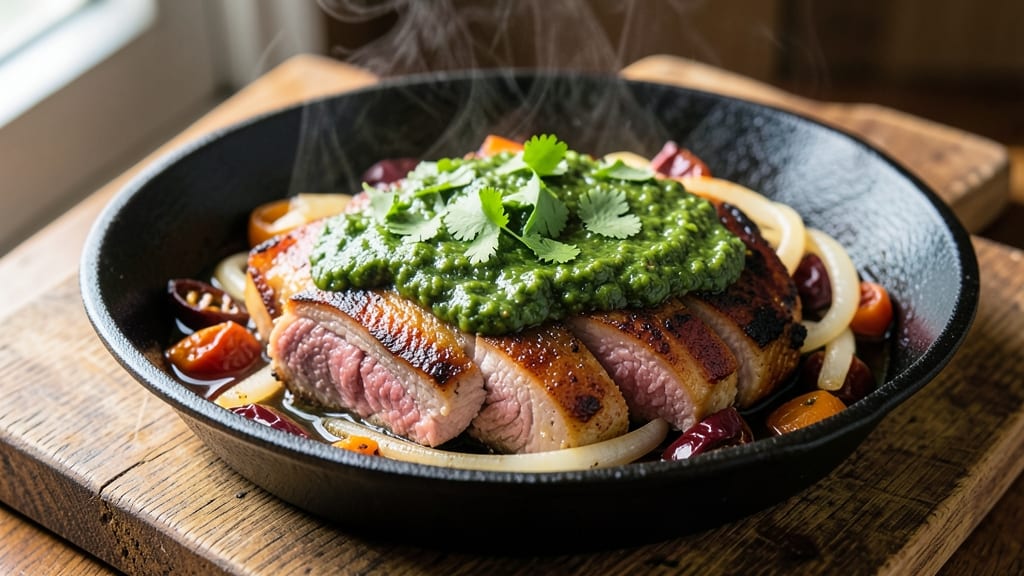
This Mexican pork verde recipe delivers tender, smoky chipotle-braised pork that falls apart at the touch—just like my abuela used to make, but with modern efficiency. The secret lies in slow-cooking pork shoulder until it’s fork-tender, then finishing it in a vibrant green salsa that balances heat and freshness.
I’ve perfected this technique over years of testing, ensuring every bite has that perfect harmony of smoky, tangy, and herby flavors.
The star of this dish is the homemade verde sauce—tomatillos, serrano peppers, and cilantro blend into a bright, slightly spicy base that clings to the pork like a second skin.
Unlike many recipes that rely on store-bought salsa, this version builds flavor from scratch, with a touch of chipotle in adobo for that signature smokiness. The result?
A dish that’s rich enough for a weekend dinner but simple enough for a weeknight, thanks to a one-pot braising method that minimizes cleanup.
What you’ll end up with is restaurant-quality pork verde that’s juicy, flavorful, and packed with layers of texture—crisp edges on the pork, velvety sauce, and a bright finish from fresh herbs.
The slow braising ensures the meat stays moist, while the verde sauce adds a refreshing contrast that cuts through the richness. Serve it with warm tortillas, cilantro-lime rice, and refried beans for the full experience, or enjoy it as-is for a satisfying main course.
This recipe is a testament to how traditional techniques can meet modern convenience—no fancy equipment needed, just time and patience to let the flavors develop. Whether you’re feeding a crowd or treating yourself to a special meal, this pork verde will impress without the fuss. Let’s get cooking!
Ingredients for mexican pork verde
Sixteen ingredients for a dish that tastes like home—smoky, tangy, and full of abuela's love.
| Ingredient | Amount | Notes |
|---|---|---|
| Pork Shoulder 🐖 | 3 lb | Bone-in, cut into 2-inch chunks |
| Tomatillos 🍅 | 1 ½ lb | Husk removed, rinsed, quartered |
| Serrano Peppers 🌶️ | 4 whole | Stems and seeds removed |
| Chipotle Peppers in Adobo 🌶️ | 2 whole | Chopped, plus 1 tbsp sauce |
| Fresh Cilantro 🌿 | 1 cup | Stems included, roughly chopped |
| White Onion 🧅 | 1 whole | Quartered, skin on |
| Garlic Cloves 🧄 | 6 cloves | Peeled, smashed |
| Lime 🍋 | 2 whole | Juiced, plus zest for garnish |
| Beef Broth 💧 | 2 cups | Low-sodium preferred |
| Olive Oil 🫒 | ¼ cup | For searing pork |
| Salt 🧂 | 1 ½ tsp | Kosher or sea salt |
| Ground Black Pepper 🌶️ | ½ tsp | Freshly ground |
| Cumin 🌿 | 1 tsp | Ground, toasted |
| Bay Leaves 🍃 | 2 whole | Dried |
| Flour Tortillas 🌯 | 8 whole | For serving (optional) |
The pork shoulder is the backbone of this recipe—bone-in gives more flavor, but boneless works too. Look for a cut with good marbling at Costco or your local butcher—it’s worth the extra money. If you can’t find bone-in, just add a few extra minutes to the cooking time. The tomatillos? Mexican markets or the Latin aisle have the freshest ones, but any grocery store with a produce section should carry them. Skip the green ones—they’re underripe and bland. Serrano peppers pack heat, so adjust based on your tolerance (seeds in = more spice).
No chipotle in adobo? Substitute smoked paprika plus a pinch of cayenne—it won’t be identical, but it’ll get you close. Fresh cilantro is a must here (dried just won’t cut it), but if you’re out, substitute half the amount of dried cilantro plus a pinch of oregano. The beef broth can be swapped for chicken or even vegetable broth, but beef adds that deep, savory note. For the lime, Key limes if you can find them—they’re brighter than regular limes. No lime zest? A pinch of lime salt works in a pinch (literally). The cumin? Toast it in a dry pan for 30 seconds first—trust me, it makes a difference.
This dish tastes even better the next day—make extra and freeze half for lazy weeknights. Store the pork and sauce separately in airtight containers for up to 4 days, or freeze for 3 months. Reheat gently on the stove with a splash of water to keep it moist. The tortillas? Warm them in a dry pan for 20 seconds per side—no need for fancy equipment. Leftovers reheat beautifully, but the sauce might thicken. Just add a splash of water or broth to loosen it up.
Why You'll Love This Recipe
- Foolproof Roast: The pork shoulder practically cooks itself—just season, sear, and let the oven do the work while you chop tomatillos. Between us, this is the kind of dish where you can actually leave the kitchen for 20 minutes and still end up with fall-apart meat.
- Smoky Tangy Magic: That chipotle in adobo? It’s the secret weapon—deep, smoky heat that lingers but doesn’t overpower. The serrano peppers add a bright kick, while the tomatillos keep it fresh and tangy. Honestly, the first bite makes me want to make it again immediately.
- Weeknight Workhorse: Tacos on Tuesday? Burritos for a crowd? This sauce is your go-to—slather it on grilled pork for tacos, toss it with rice and beans, or even drizzle it over eggs. I’ve served it at BBQs, potlucks, and lazy Sundays, and it never lets me down.
- Leftovers That Don’t Suck: Most recipes turn into sad, dry meat after Day 2. Not this one. The pork stays juicy, the sauce thickens just right, and reheating it? A breeze. I’ll be real: I’ve eaten this for breakfast the next morning, and no one batted an eye. Budget-friendly, too—pork shoulder stretches forever.
Step-by-step instructions for smoky chipotle pork verde
This braised pork shoulder delivers melt-in-your-mouth tenderness with bold chipotle heat.
Sear the Pork Shoulder for Deep Flavor
Heat the 0.25 cup olive oil in a large Dutch oven over medium-high heat until shimmering. Working in batches, add the 3 lb pork shoulder cut into 2-inch chunks, letting each piece sear undisturbed for 3-4 minutes until deeply browned on all sides. This step builds the flavor foundation—don't rush it, even if it takes 15-20 minutes total.
As you sear, you'll notice the pork releases juices that caramelize in the pan. These browned bits pack serious flavor—don't wipe them out. Once all pieces are browned, transfer them to a plate and set aside. If your pan looks crowded, work in two batches to avoid steaming instead of searing.
Build the Smoky Verde Sauce
In the same Dutch oven, reduce heat to medium and add the 1 whole white onion (quartered with skin on) and 6 cloves garlic (smashed). Cook for 5 minutes until softened and slightly caramelized. Add the 4 whole serrano peppers (stems and seeds removed) and cook for another 2 minutes until fragrant.
Stir in the 1.5 lb tomatillos (quartered), 2 whole chipotle peppers in adobo (chopped), and 1 tablespoon adobo sauce from the jar. Cook for 3 minutes until the tomatillos begin to soften. This is where the sauce starts developing its signature tangy-sweet flavor—you'll smell the chipotle's smoky depth mingling with the tomatillos' citrusy brightness.
Simmer the Pork in Flavorful Broth
Pour in the 2 cups beef broth and scrape up any browned bits from the bottom of the pan. Return the pork to the Dutch oven, along with the 1.5 tsp salt, 0.5 tsp ground black pepper, 1 tsp toasted cumin, and 2 whole bay leaves. Bring to a simmer, then reduce heat to low and cover tightly.
Simmer for 2.5-3 hours until the pork is fork-tender. You'll know it's ready when a knife slides in easily and the meat pulls apart with gentle pressure. The sauce should thicken slightly but remain saucy enough to coat the pork. If it reduces too quickly, add a splash of water or broth to maintain moisture.
Finish with Fresh Herbs and Lime
Remove the pork from the sauce and transfer it to a cutting board. Tent with foil and let it rest for 15 minutes—this crucial step allows the juices to redistribute, ensuring each bite stays moist. Meanwhile, strain the cooking sauce through a fine-mesh sieve into a clean pot and discard the solids.
Return the strained sauce to medium heat and stir in the 1 cup fresh cilantro (stems included) and juice of 2 whole lime. Simmer for 2-3 minutes until heated through. The cilantro brightens the sauce, while the lime adds a final citrusy punch that cuts through the richness. Taste and adjust seasoning if needed—you might want to add a pinch more salt or lime juice to balance the flavors.
Serve with Warm Tortillas
Slice the pork against the grain into ½-inch thick pieces. Ladle the sauce over the top and serve immediately with the 8 whole flour tortillas on the side. The tortillas soak up the smoky verde sauce beautifully, creating the perfect vehicle for this tender pork. Garnish with lime zest for a pop of color and an extra citrusy note that ties everything together.
Pro Tips For Making Mexican Pork Verde
- BLISTER THE PORK FIRST: Hit the pork shoulder with a screaming-hot pan—no oil needed—until it’s deeply browned in spots. This locks in flavor and prevents the sauce from turning into a watery mess later. (Yes, it’ll look scary, but that’s how you know it’s working.)
- CHAR THE TOMATILLOS: Don’t just toss them in raw—char the tomatillos whole over an open flame or under a broiler until blackened in patches. That smoky bitterness cuts through the pork’s richness and makes the sauce sing. (I used to skip this and wondered why my verde tasted one-dimensional.)
- STRAIN THE ADOBO SAUCE: Chipotle peppers in adobo sauce are delicious, but the chunky bits can make the final dish look messy. Strain the sauce through a fine-mesh sieve before adding it to the pork—you’ll keep the heat and depth without the texture fight.
- SALT THE PORK TWICE: Generously salt the pork shoulder before searing, then add another layer of salt when it’s halfway through braising. The first round seasons the meat, the second ensures it’s properly cured for that tender, juicy pull. (Trust me, the second round isn’t overkill—it’s insurance.)
Wine and beer pairings for this dish
Crisp White Wine
For this smoky, herbaceous pork verde, I reach for a dry Spanish Albariño—its bright acidity and citrus notes mirror the lime and cilantro in the dish. A bottle like Pazo de Señorans from Rías Baixas cuts through the richness while enhancing the chipotle’s smokiness.
Serve slightly chilled (45-50°F) to balance the meal’s bold flavors. 🍷
Mexican Lager Balance
A Mexican lager like Modelo Especial or Pacífico Clara is my go-to beer pairing—its crisp, clean profile complements the dish without overpowering it. The subtle malt sweetness harmonizes with the tomatillo’s tang, while the carbonation refreshes the palate between bites.
For a craft option, try a hoppy Mexican IPA like Cerveza Modelo Negra to contrast the smoky pork.
Spicy Margarita Twist
If you prefer cocktails, a spicy margarita elevates the meal. Rim the glass with tajín and muddle 2 serrano peppers with 1 oz lime juice before shaking with 2 oz reposado tequila, ½ oz agave syrup, and ice.
Serve over crushed ice—this adds a fiery kick that mirrors the verde’s heat while keeping the dish’s balance. 🍹
Red Wine for Heartier Palates
For those who prefer red, a light-bodied Spanish Garnacha (like Bodegas Muga) offers earthy notes that pair beautifully with the chipotle’s smokiness. Avoid heavy Cabernets—they’ll clash with the dish’s brightness. Decant for 30 minutes to soften tannins and serve at 60-65°F for optimal harmony.
Non-Alcoholic Refreshers
For a non-alcoholic option, horchata or jamaica iced tea work perfectly. The cinnamon in horchata complements the cumin in the pork, while the hibiscus in jamaica adds a tart contrast. Serve both chilled with ice for a refreshing finish to the meal. ✨
Nutrition facts
Frequently asked questions
Can I substitute bone-in pork shoulder with boneless for this recipe?
Yes, you can use boneless pork shoulder—it's actually more convenient for many home cooks! Just be prepared to add 15-20 extra minutes to the cooking time since boneless cuts tend to cook faster. The flavor will be just as rich, but you'll lose the beautiful bone marrow flavor that bone-in adds.
How do I adjust the heat level in the verde sauce?
For milder heat, remove the seeds and membranes from the serrano peppers before cooking. If you prefer extra spice, keep the seeds in or add 1 extra serrano pepper. For a smoky kick without heat, increase the chipotle in adobo to 3 peppers instead of 2. Always taste as you go!
What's the best way to reheat leftovers?
Reheat pork verde gently in a skillet over medium-low heat with 2 tablespoons broth or water to prevent drying. Cover and warm for 5-7 minutes, stirring occasionally. The sauce may thicken—add more liquid if needed. Never microwave directly from the fridge, or the pork will turn rubbery.
Can I make this dish in a slow cooker?
Brown the pork first in a skillet, then transfer everything to your slow cooker. Cook on low for 6-7 hours or high for 4 hours. The slow cooker method actually enhances the tenderness. For best results, use a 6-quart model to prevent overflowing.
What's the secret to perfectly tender pork?
The magic happens in three steps: proper searing (deep browning), low-and-slow cooking (don't rush it!), and resting time (never skip the 15-minute rest). The pork should pull apart easily with two forks—this means it's perfectly tender, not overcooked.