
Sauces & Condiments
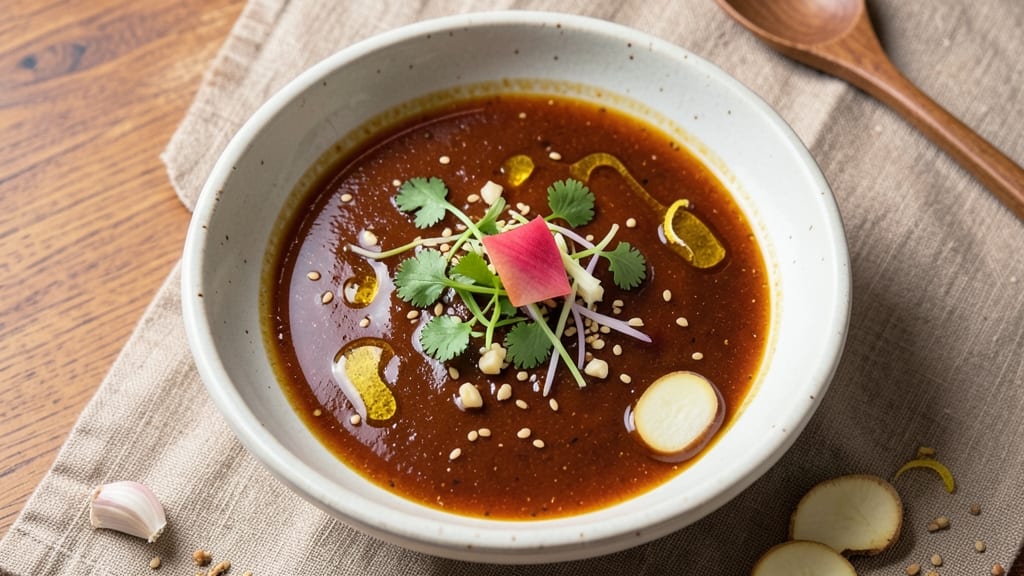
This Asian pork sauce recipe transforms simple pantry staples into a versatile, umami-rich glaze that elevates stir-fries, noodles, and grilled proteins. The secret lies in balancing sweet, salty, and aromatic elements—soy sauce, hoisin, garlic, ginger, and brown sugar—simmered until thick and glossy.
I developed this after years of testing sauces that either fell flat or required hard-to-find ingredients, and this version delivers restaurant-quality depth in just 20 minutes.
The beauty of this sauce is its 5-ingredient base, which you can customize with chili paste for heat or sesame oil for nutty richness. Unlike store-bought versions, this one builds flavor through controlled reduction, creating a glossy finish that clings perfectly to meat or vegetables.
The sauce keeps well in the fridge for up to 2 weeks, making it ideal for meal prep or batch cooking.
What sets this recipe apart is its adaptability—use it as a stir-fry glaze, noodle sauce, or dipping sauce for dumplings. The caramelized edges from simmering add complexity, while the garlic and ginger infuse layers of warmth.
Once you taste the difference between this homemade version and bottled alternatives, you’ll never go back.
For best results, let the sauce sit for 10 minutes after cooking to deepen the flavors. Store in an airtight container, and reheat gently on the stove before using. This isn’t just a sauce—it’s a flavor multiplier that turns simple dishes into standout meals.
Ingredients for asian pork sauce
Five core ingredients plus optional heat—this sauce starts with pantry staples you already own.
| Ingredient | Amount | Notes |
|---|---|---|
| Light Soy Sauce 🍶 | ½ cup | Kikkoman preferred for balance |
| Hoisin Sauce 🍶 | ¼ cup | Store-bought or homemade |
| Brown Sugar 🍯 | ¼ cup | Packed, light brown preferred |
| Fresh Garlic Cloves 🧄 | 6 cloves | Minced for aromatic punch |
| Fresh Ginger Root 🌿 | 1 tbsp | Finely grated, not powdered |
| Sesame Oil 🫒 | 1 tbsp | Toasted, for nutty finish |
| Red Chili Paste 🌶️ | 1 tbsp | Optional for heat, adjust to taste |
| Cornstarch 🌾 | 1 tsp | For thickening, dissolve first |
| Water 💧 | ¼ cup | Room temperature preferred |
The soy sauce and hoisin are your flavor anchors—Kikkoman soy sauce has the perfect balance of saltiness and umami, while hoisin adds that deep, fermented sweetness. Grab the Kikkoman brand if you can, but any good-quality light soy sauce works. For hoisin, Lee Kum Kee is my go-to, but the store brand is fine too. Brown sugar isn't just for sweetness—it helps caramelize during simmering, creating those rich, glossy edges. Light brown sugar has more molasses flavor, which translates to deeper caramel notes. If you're using dark brown sugar, reduce by a teaspoon or two to avoid over-sweetening.
No sesame oil? Toasted peanut oil works in a pinch, though the flavor will differ slightly. Short on garlic? Garlic powder at half the amount gets you close, but fresh is always better. The chili paste is optional—if you're sensitive to heat, skip it entirely or use half the amount. For extra depth, add a splash of rice vinegar or mirin (1 tsp each) to brighten the sauce. The cornstarch is key for that restaurant-quality thickness—don't skip it, but if you're gluten-free, use arrowroot powder instead. And trust me, the water is non-negotiable—it helps dissolve the cornstarch properly and prevents the sauce from seizing up.
This sauce keeps like a dream—2 weeks in the fridge sealed in an airtight container. For longer storage, freeze in ice cube trays and transfer to a bag. Thaw overnight in the fridge or microwave for 20 seconds. The sauce actually improves with time as the flavors meld, so make extra if you can. It reheats beautifully—just warm gently on the stove over medium-low heat, stirring constantly. If it thickens too much, add a splash of water. Pro tip: Add a splash of water or broth when reheating to restore that glossy, clingy texture. Use it within 3 days of reheating for best results.
Why You'll Love This Recipe
- Pantry Magic: I swear by this sauce—no fancy ingredients, just what’s already in my cabinet. Light soy, hoisin, and brown sugar? That’s it. Honestly, I’ve made it with whatever I had, and it still tastes like a restaurant brought it home.
- Sweet-Savory Balance: The garlic and ginger hit first—sharp and bright—then the hoisin and sugar melt it all into something rich and sticky. Between us, that contrast is chef’s kiss without the pretension. It’s the kind of flavor that makes you go back for seconds before the plate’s even empty.
- Weeknight Workhorse: Drizzle it over rice and eggs for breakfast, toss it with noodles for lunch, or slather it on grilled pork for dinner. I’ll be real: my kids ask for it more than any other sauce, and it’s the only one that survives three days in the fridge without tasting sad.
- Budget Stretch: A little goes a long way—this sauce turns cheap pork into something special without breaking the bank. Plus, it doubles easily, so I make a big batch and freeze half. No waste, no stress, just flavor whenever I need it. (Yes, even on a Tuesday night.)
Step-by-step instructions for Asian pork sauce
This umami-packed sauce comes together in minutes—no fancy techniques required.
Mince the Garlic and Grate the Ginger
Peel all 6 cloves fresh garlic cloves and finely mince them using a sharp knife or microplane. I like to press the garlic against the blade with the flat of my knife for even, tiny pieces—this ensures maximum flavor release without burning. Transfer the minced garlic to a small bowl and set aside.
Next, peel the 1 tablespoon fresh ginger root and grate it using a fine grater or microplane. You want the ginger to be finely textured so it blends smoothly into the sauce. The ginger should yield about 1 tablespoon of fresh grated ginger—if it's less, don't worry, it's normal. Fresh ginger adds a bright, zesty kick that powdered ginger can't match.
Combine the Wet Ingredients
In a medium saucepan, whisk together the 0.5 cup light soy sauce, 0.25 cup hoisin sauce, and 0.25 cup brown sugar (packed). I use a fork for this step to make sure the brown sugar dissolves completely—it's easy to miss those little sugar crystals. Let the mixture sit for 1 minute to allow the sugar to fully integrate.
Add the minced garlic and grated ginger to the saucepan. Stir well to combine, then bring the mixture to a gentle simmer over medium heat. Let it cook for 3-4 minutes until the aromatics are fragrant and the sugar has mostly dissolved. You'll notice the sauce darkening slightly—that's the caramelization happening, which deepens the flavor.
Add the Chili Paste and Sesame Oil
Reduce the heat to low and stir in the 1 tablespoon red chili paste and 1 tablespoon sesame oil. The chili paste will add a subtle heat and complexity, while the sesame oil contributes a nutty aroma. Let the sauce simmer for another 2-3 minutes, stirring occasionally, until the chili paste is fully incorporated and the flavors meld together.
Here's where it gets good—the sauce should start to thicken slightly as the starches in the hoisin sauce begin to break down. If you're using a particularly spicy chili paste, taste the sauce now and adjust the heat to your preference by adding a pinch more or less. The sesame oil will give the sauce a beautiful sheen and an aromatic finish that elevates everything.
Thicken the Sauce with Cornstarch
In a small bowl, whisk together the 1 teaspoon cornstarch and 0.25 cup water until the cornstarch is completely dissolved—this prevents lumps from forming in your sauce. Pour this mixture into the saucepan with the simmering sauce and stir constantly for 1-2 minutes until the sauce thickens to your desired consistency.
You want the sauce to coat the back of a spoon but still be pourable—think of it like a thick glaze rather than a syrup. If the sauce thickens too quickly, add a splash more water, 1 tablespoon at a time, until you reach the perfect consistency. The cornstarch acts as a natural thickener, giving the sauce that signature glossy finish that clings beautifully to pork or vegetables.
Simmer and Finish
Continue simmering the sauce for another 2-3 minutes over low heat, stirring occasionally, until it reaches a smooth, glossy texture. The sauce should smell rich and complex—like a mix of sweet, savory, and slightly spicy notes. If you want to take it to the next level, strain the sauce through a fine-mesh sieve to remove any lingering bits of garlic or ginger, but this step is optional.
Taste the sauce and adjust the seasoning if needed. You might want to add a touch more soy sauce for saltiness, a bit of brown sugar for sweetness, or a pinch of red chili paste for heat. Once you're happy with the flavor, remove the sauce from heat and let it cool slightly before using. This sauce keeps well in the refrigerator for up to 1 week, making it perfect for meal prep or storing for future stir-fries.
Pro Tips For Making Asian Pork Sauce
- Bloom the Ginger First: Toss the peeled ginger slices into the pan before the garlic—let them sizzle for 10 seconds until fragrant. I learned this the hard way: skipping this step makes your sauce smell like a missed opportunity. The ginger’s oils release faster when it’s the first thing to hit the heat.
- Reduce Soy Sauce Slow: Don’t dump the light soy sauce all at once. Add half first and let it bubble until it darkens slightly—about 2 minutes—before adding the rest. This deepens the umami without turning your sauce into a salty swamp. (Yes, even if you’re impatient like me.)
- Melt Sugar Gradually: Sprinkle the brown sugar in small batches while stirring constantly. Dumping it all at once creates a sticky mess that burns before it dissolves. Think of it like snow—ease it in, or you’ll end up with charred bits instead of a glossy glaze.
- Taste Before Hoisin: Check your base (soy, garlic, ginger, sugar) before adding hoisin. That way, you’ll catch if the sugar’s too sweet or the soy’s too sharp—fixing it now is easier than masking it later. Hoisin’s sweetness can hide imbalances, and you’ll regret it if you don’t.
Creative variations of these flavors
Sweet and Spicy Fusion
Transform your sauce into a sweet-spicy glaze by adding 1 tbsp sriracha and 1 tbsp honey during the final simmer. This fusion works beautifully with grilled pork skewers or as a dipping sauce for spring rolls.
For extra depth, finish with a splash of rice vinegar—just ½ tsp—to brighten the flavors. 🌶️
Creamy Sesame Twist
For a creamy, nutty variation, stir in 2 tbsp tahini and 1 tbsp soy milk after removing the sauce from heat. This version pairs perfectly with roasted pork belly or as a sauce for cold noodles.
If you prefer a smoother texture, blend the sauce briefly with an immersion blender to remove any lingering bits. 🥄
Umami Bomb with Mushrooms
Boost the umami factor by sautéing ½ cup finely chopped shiitake mushrooms in 1 tbsp sesame oil until golden before adding the wet ingredients. The mushrooms add a deep, earthy richness that complements the pork beautifully.
Deglaze the pan with 1 tbsp soy sauce before combining everything—this captures all the flavorful bits. 🍄
Tangy Lime Glaze
Add a zesty kick by finishing the sauce with 1 tbsp lime juice and 1 tsp lime zest. This variation works amazingly with grilled pork chops or as a marinade for pork tenderloin.
The acidity cuts through the richness, balancing the sweet and savory notes perfectly. For extra brightness, add a pinch of cayenne pepper while the sauce is still warm. 🍋
Smoky Chipotle Version
For a smoky depth, replace the red chili paste with 1 tsp adobo sauce from a can of chipotle peppers in adobo. Simmer the sauce for an extra 1-2 minutes to let the smoky flavors meld.
This version is ideal for slow-cooked pork dishes or as a glaze for grilled pork ribs. If you love heat, add ½ tsp smoked paprika for an extra layer of complexity. 🔥
Coconut Milk Creaminess
Create a lighter, tropical version by replacing ¼ cup of water with ¼ cup coconut milk during the cornstarch thickening step. This variation is perfect for curry-based pork dishes or as a sauce for coconut rice.
The coconut milk adds a subtle creaminess without overpowering the original flavors. For a touch of freshness, garnish with cilantro leaves before serving. 🥥
Nutrition facts
Frequently asked questions
Can I make this sauce without hoisin?
Replace the ¼ cup hoisin with 2 tablespoons oyster sauce and 1 tablespoon dark soy sauce for a similar umami depth. The dark soy sauce will add color too, while oyster sauce brings that rich, savory complexity. If you're avoiding shellfish, use 2 tablespoons fish sauce instead—it delivers the same salty punch without the hoisin's sweetness.
How do I adjust the heat level?
The recipe includes 1 tablespoon red chili paste for subtle heat. For milder sauce, reduce to ½ tablespoon or omit completely. For extra spice, add 1 teaspoon sriracha or chili flakes during the final simmer. If using fresh chili, start with ½ teaspoon finely chopped red chili and adjust to taste—remember, flavors meld as it cools.
Can I use this sauce as a marinade?
Yes! Thin the sauce with ¼ cup water or broth to create a marinade. Coat 1 pound pork tenderloin or pork chops and marinate for 2-4 hours in the fridge. The sauce's sweet-savory balance works beautifully for grilling or pan-searing. For extra tenderness, add 1 tablespoon honey to the marinade mixture.
Why did my sauce turn out too thick?
This usually happens when the cornstarch mixture cooks too long or the heat is too high. To fix it, whisk in 1-2 tablespoons warm water while stirring constantly. For prevention, reduce heat to low-medium during thickening and stir continuously. If you prefer a thinner sauce, reduce the cornstarch to ½ teaspoon next time.
How can I use this sauce beyond pork?
This versatile sauce works wonderfully with chicken, shrimp, tofu, or vegetables. Use it as a glaze for grilled chicken skewers, stir-fry sauce for veggies, or dipping sauce for spring rolls. For seafood, reduce the chili paste to ½ teaspoon to avoid overpowering delicate flavors. The sauce's balance of sweet, salty, and umami makes it a perfect all-purpose condiment!