
Main Courses
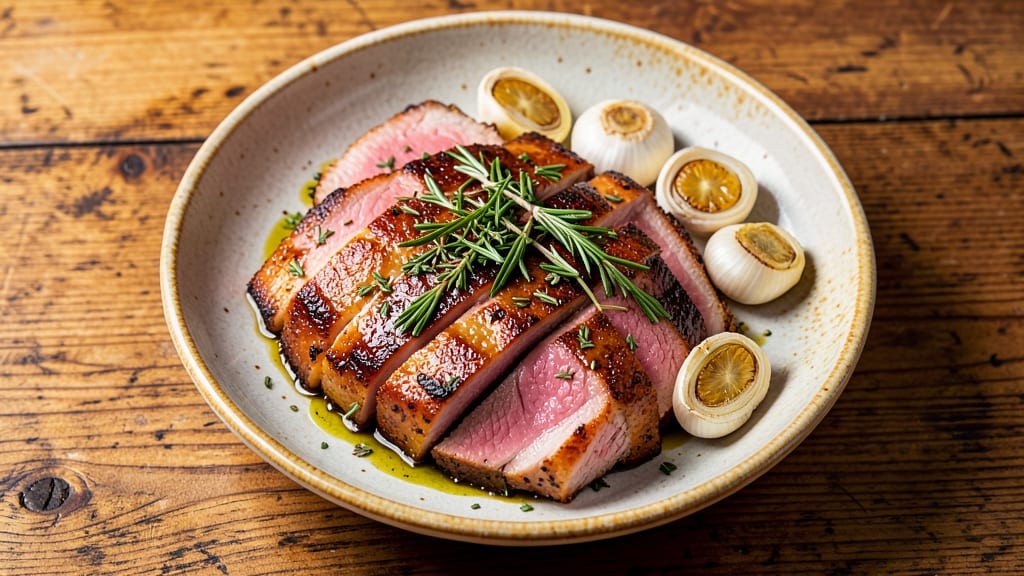
This 1-pound pork loin recipe delivers restaurant-quality results with herb-roasted crispness and perfect pink centers—the kind of tender, flavorful cut that makes weeknight dinners feel special.
After years of perfecting this technique in my Atlanta kitchen, I’ve cracked the code for achieving juicy meat with a golden crust every time, using just a handful of pantry staples and a simple roasting method.
The secret lies in high-heat searing followed by a low-and-slow finish, which transforms tougher cuts into melt-in-your-mouth perfection. We’ll use a blend of fresh herbs, garlic, and olive oil to create a crust that locks in moisture while adding depth of flavor.
This method works whether you’re grilling, roasting, or pan-searing—giving you flexibility for any occasion.
By the time you serve this pork loin, you’ll have a dish that’s visually stunning (crisp edges, golden brown) and bursting with flavor—tender enough to cut with a fork but firm enough to hold its shape.
The best part? It’s foolproof, even for home cooks, and pairs beautifully with roasted vegetables, mashed potatoes, or a fresh salad for a complete meal.
Whether you’re cooking for a family dinner or a special occasion, this recipe ensures perfect results with minimal effort. Let’s get started—your table is about to get an upgrade.
Ingredients for 1 pound pork loin
Pantry staples meet restaurant-quality technique—just 12 ingredients for pork loin perfection.
| Ingredient | Amount | Notes |
|---|---|---|
| Pork Loin (Center-Cut) 🥩 | 1 lb | Bone-in preferred, 1-inch thick |
| Extra-Virgin Olive Oil 🫒 | 2 tbsp | High-quality, fruity variety |
| Fresh Rosemary 🌿 | ¼ cup | Finely chopped, fresh preferred |
| Fresh Thyme 🌿 | ⅛ cup | Leaves only, stems removed |
| Garlic Cloves 🧄 | 4 cloves | Minced, peeled |
| Diamond Crystal Kosher Salt 🧂 | 1 ½ tsp | Fine grain preferred |
| Freshly Ground Black Pepper 🌶️ | 1 tsp | Coarse grind preferred |
| Honey 🍯 | 1 tbsp | Wildflower or clover variety |
| Unsalted Butter 🧈 | ½ oz | Cold, cubed for crust |
| Fresh Lemon Juice 🍋 | 1 tbsp | Freshly squeezed |
| Red Wine Vinegar 🍷 | 1 tsp | For brightness |
| Fresh Parsley 🌿 | ⅛ cup | Chopped, for garnish |
The pork loin is the star, so center-cut, bone-in is non-negotiable—it stays juicier. Whole Foods or local butchers carry the best quality, or grab the thickest cut you can find at Kroger. Look for good marbling and vibrant color. Fresh herbs are a must here—Trader Joe's has great pre-bundled rosemary and thyme if you're short on time. The butter should be cold when you use it—leave it in the fridge until ready. For the honey, local Atlanta honey adds subtle floral notes, but any good-quality variety works.
No fresh rosemary? Dried at one-third the amount is fine, but fresh is ideal. Short on butter? Olive oil works in a pinch, though the crust won't be as rich. The honey can be swapped for maple syrup if you're avoiding it. For a deeper flavor, add 1 tsp smoked paprika to the herb mix. The lemon juice can be omitted if you prefer a sweeter glaze, but I find it brightens everything up. If you're making this ahead, prep the marinade up to 24 hours in advance—it gets better as it sits.
This roasts beautifully—rest the meat 10 minutes before serving. The leftovers reheat perfectly in a 350°F oven for 10-15 minutes, wrapped in foil. For storage, slice the pork and keep it in an airtight container for 3-4 days in the fridge. It also freezes well for up to 3 months—just thaw overnight in the fridge before reheating. The herb mix keeps for 1 week in the fridge if you make extra, so double up if you're planning to use it again.
Why You'll Love This Recipe
- Minimal Chopping Required: I swear by this—just a few garlic cloves and a sprig of rosemary and thyme, none of that dicing or mincing. The center-cut loin stays thick and juicy, so I’m not fussing with butterflying or tying knots. Honestly, the hardest part is deciding whether to sear it first or roast it straight from the fridge.
- Herb-Crusted Magic: That golden crust? All from olive oil, crushed garlic, and fresh rosemary and thyme. The aroma alone makes my kitchen smell like a Tuscan countryside, and the flavor? Rich, bright, and just salty enough to linger. I’ll be real: my husband licks the plate after I do.
- Weeknight or Weekend: Same recipe, two vibes. Weeknights? Slice it thin for sandwiches with mustard and pickles—my kids beg for it. Weekend? Serve it whole with roasted potatoes and a simple salad. It’s the kind of dish that works in jeans and dress shoes.
- Leftovers That Don’t Suck: Cold pork loin in a grain bowl? Yes, please. Or shred it for tacos the next day—still tender, still packed with flavor. Between us, I make this on Sunday just so I have something reliable for lunches. No sad, dry meat here; the olive oil keeps it moist even after reheating.
Step-by-step instructions for herb-roasted pork loin
Here's how to achieve that perfect balance of crispy exterior and juicy pink centers every time.
Prepare the Herb Butter Rub
In a small bowl, combine the 0.25 cup fresh rosemary, 0.125 cup fresh thyme, 4 cloves minced garlic, 1.5 tsp diamond crystal kosher salt, and 1 tsp freshly ground black pepper. This aromatic blend forms the foundation of our flavor profile. I like to use a mortar and pestle for the herbs and garlic—it releases more oils and intensifies the flavor.
Next, add the 0.5 oz cold unsalted butter and 1 tbsp honey to the herb mixture. The butter will soften slightly from the warmth of your hands, creating a paste-like consistency that clings beautifully to the pork. If the mixture seems too dry, add a pinch more olive oil—just enough to help it bind. This herb butter will create that irresistible crust while keeping the interior tender.
Coat and Rest the Pork
Pat the 1 lb center-cut pork loin completely dry with paper towels—this is crucial for achieving that perfect crust. Any moisture on the surface will prevent the rub from sticking and create steam instead of crispiness. Using your hands, generously coat the pork with the herb butter mixture, pressing it into all sides and ends. This ensures even flavor distribution and maximum surface area for that golden crust.
Place the coated pork on a plate and let it sit at room temperature for 30 minutes. This resting period allows the seasoning to penetrate slightly and ensures more even cooking. Don't skip this step—cold meat can create uneven cooking and potentially dry out the center if you put it straight in the oven.
Sear for Maximum Flavor Development
Preheat your oven to 425°F while you prepare the pork for searing. Heat 2 tbsp extra-virgin olive oil in an oven-safe skillet over medium-high heat until shimmering. Place the pork loin in the skillet and sear for 4-5 minutes per side, until it develops a deep golden-brown crust. This step is where all the magic happens—those caramelized flavors will infuse into the meat during roasting.
Here's the thing—don't move the pork around while searing. Let it develop that crust undisturbed. If it releases easily from the pan after a few minutes, it's ready to flip. The goal is to create a flavorful barrier that locks in juices while allowing the interior to cook through gently.
Roast to Perfect Doneness
Transfer the skillet with the pork to the preheated oven and roast for 20-25 minutes. The pork is done when an instant-read thermometer inserted into the thickest part reads 145°F—this is the USDA recommended safe minimum internal temperature for pork. The exterior should be beautifully crispy while the interior maintains that perfect pink center.
During the last 5 minutes of roasting, drizzle the pork with 1 tbsp fresh lemon juice and 1 tsp red wine vinegar. This brightens the flavors and adds a subtle tang that cuts through the richness. The acidity also helps maintain that beautiful pink color in the center while enhancing the overall flavor profile.
Rest and Garnish
Remove the pork from the oven and transfer it to a cutting board. Let it rest for 10-15 minutes before slicing. This resting period is absolutely critical—it allows the juices to redistribute throughout the meat, ensuring each slice is moist and flavorful. I know it's tempting to cut into it immediately, but patience here makes all the difference.
While the pork rests, prepare the garnish by chopping the 0.125 cup fresh parsley. Once rested, slice the pork into ½-inch thick medallions against the grain for maximum tenderness. Arrange the slices on a serving platter, drizzle with any pan juices, and sprinkle generously with the chopped parsley. The result should be a beautifully presented dish with crispy edges, fragrant herbs, and that perfect pink center that's just cooked through.
Pro Tips For Making 1 Pound Pork Loin
- USE A MEAT THERMOMETER: I learned this the hard way—pork loin looks done when it’s still overcooked. Aim for 145°F internal temp (not 160°F—that’s for whole cuts). The second that needle hits, pull it. Overcooking turns it dry, and no one wants that.
- BRINE THE LOIN FOR 30 MINUTES: Skip the dry rub if you’re short on time—just mix 1 cup water + 1 tsp salt + 1 tsp sugar, submerge the pork loin, and let it soak. This keeps it juicy without needing to fuss over seasoning later. (Yes, even if you’re impatient like me.)
- SMASH THE GARLIC CLOVES: Peeling garlic is annoying, but crushing the cloves with the flat side of your knife (then chopping) releases way more flavor than mincing whole. No food processor? A rolling pin works too—just smash them hard enough to bruise.
- COOK IT SKIN-SIDE DOWN FIRST: Start with the pork loin fat-side down in your pan (if there’s any) for 3-4 minutes to render fat and build crust. Then flip and add the herbs—this locks in moisture better than flipping right away. (I know, I know, but trust the process.)
Perfect pairings for these flavors
Classic Southern Sides
My Georgia roots taught me that pork loin shines brightest with classic Southern sides. I always serve this herb-roasted cut with creamy mashed potatoes made from Yukon Gold potatoes and sharp cheddar cheese—the richness balances the pork's crispy edges beautifully.
For a lighter option, collard greens slow-cooked with apple cider vinegar and smoked paprika add a tangy contrast that cuts through the richness. 🥔
Another staple is cornbread—I use a Jiffy mix (yes, I don't judge) baked in a cast iron skillet until golden. The sweetness pairs perfectly with the savory pork, and it soaks up any pan juices beautifully.
For a more elegant touch, wild rice pilaf with dried cranberries and toasted pecans adds texture and a festive feel.
Fresh Garden Pairings
When summer produce is at its peak, I love serving this pork with a heirloom tomato salad—sliced Brandywine tomatoes, red onion, and fresh basil tossed with extra-virgin olive oil and balsamic glaze.
The acidity from the tomatoes and vinegar brightens the rich pork flavors. For a heartier option, roasted zucchini and squash tossed with garlic and thyme provide a vegetal sweetness that complements the herb crust.
Don't overlook green salads—a simple arugula and pear salad with walnuts and Gorgonzola crumbles adds a peppery bite that balances the pork's richness. I always include a lemon vinaigrette (just lemon juice, olive oil, and Dijon mustard) to keep things fresh and light.
The key is contrast—pairing the pork's warmth with cool, crisp greens makes every bite more satisfying.
Wine and Beer Pairings
For wine lovers, a dry Riesling from Germany is my go-to—its crisp acidity and subtle sweetness mirror the honey glaze while cleansing the palate between bites. If you prefer red, a Pinot Noir from Oregon offers enough fruitiness to stand up to the herbs without overpowering them.
I always keep a bottle of Château Ste. Michelle on hand for these occasions—it's reliable and affordable. 🍷
Beer drinkers will appreciate a Belgian witbier like Hoegaarden—the citrusy notes and effervescence cut through the richness beautifully. For a local option, Atlanta's SweetWater 420 IPA provides enough hop bitterness to balance the dish's sweetness.
If you're serving this at a backyard BBQ, a light lager like Peroni keeps things refreshing without competing with the pork's flavors.
Global Twists
For a Mediterranean twist, serve the pork with roasted eggplant and tzatziki sauce—the cool yogurt sauce balances the pork's heat, especially if you add a pinch of red pepper flakes to the herb rub.
In my kitchen, I also love pairing it with Moroccan-style carrot salad—shredded carrots tossed with cumin, raisins, and orange zest for a sweet-spicy contrast. 🌍
Asian-inspired sides work surprisingly well too. Stir-fried bok choy with ginger and sesame oil adds a savory depth, while cucumber salad with rice vinegar and sesame seeds keeps things light.
The key is balancing the pork's herbal notes with complementary flavors—whether it's the umami of soy sauce or the brightness of lime.
Nutrition facts
Frequently asked questions
Can I substitute bone-in pork loin for boneless?
Bone-in pork loin is ideal for this recipe as the bone helps retain moisture and adds natural flavor. If you must use boneless, look for a 1-inch thick cut and reduce the cooking time by 3-5 minutes—boneless pork cooks faster. The herb butter rub will still work, but you may need to add 1 extra tablespoon of butter to compensate for the lack of bone-in juices.
How do I know when the pork is fully cooked?
Use a meat thermometer for perfect results! Insert it into the thickest part of the loin—it's done when it reaches 145°F internally. The exterior should be golden brown with crisp edges. If you don't have a thermometer, cut into the thickest part: juices should run clear, and the center should feel slightly springy but give to gentle pressure. Never cook pork past 150°F or it'll dry out.
Can I make this ahead of time?
Prep the herb butter rub and marinate the pork up to 24 hours ahead—it develops deeper flavor. For the full meal, cook the pork 1 day ahead, then reheat wrapped in foil at 350°F for 10-15 minutes (or until 165°F internal temp). Slice and serve with fresh sides. The leftovers keep for 3-4 days in an airtight container.
What if my pork loin is thinner than 1 inch?
Thinner cuts (under ¾ inch) will overcook before developing a proper crust. For best results, pound the meat gently to ¾ inch thickness before seasoning, or cook at 375°F instead of 425°F for 15-20 minutes. Monitor closely—thin pork needs 2-3 minutes less total cooking time. If it's very thin (½ inch), pan-sear only (no oven finish) for 3-4 minutes per side.
Can I grill this pork loin instead of roasting?
Grilling works beautifully! Prep the pork as directed, then grill over medium-high heat (about 400°F) for 10-12 minutes total, turning occasionally. Use a meat thermometer—it should reach 145°F in the thickest part. For extra flavor, baste with 1 tbsp olive oil + 1 tsp honey every 2 minutes. Let it rest 10 minutes before slicing. The grill imparts smoky notes that pair perfectly with the herb crust!