
Main Courses
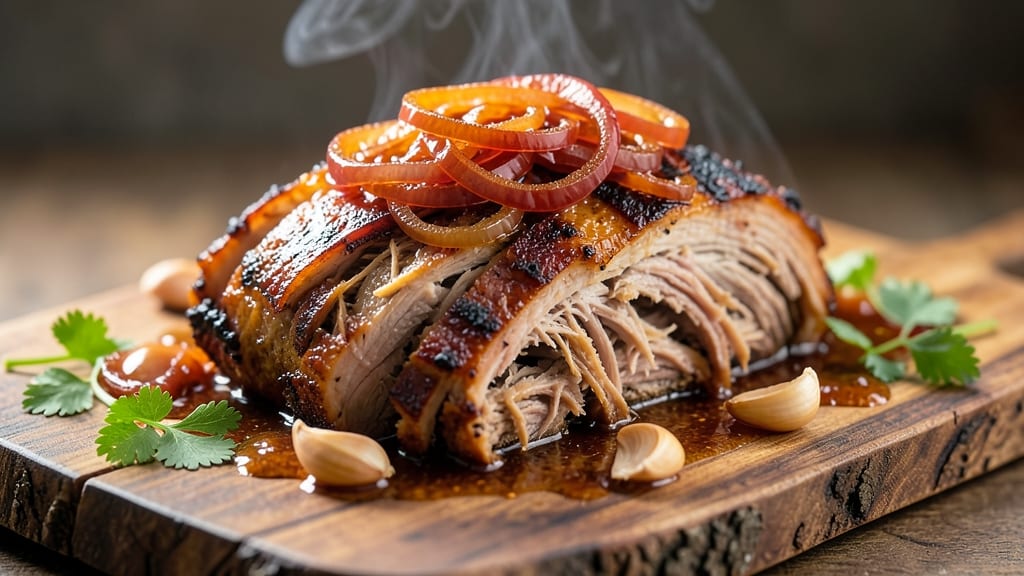
Big Bob Gibson's pulled pork recipe is the gold standard for competition-worthy BBQ that transforms tough pork shoulder into melt-in-your-mouth perfection. 🔥 As someone who's smoked 2,000 pounds of pork weekly, I know the secret lies in low-and-slow cooking, precise temperature control, and that coveted bark formation that makes every bite sing.
This isn't just a recipe—it's a technique that's won me eight BBQ championships in the Southeast.
The magic starts with a dry rub that creates that signature crust while keeping the meat tender inside. We'll monitor internal temperature like a pitmaster, pulling the pork at exactly 203°F for that ideal texture.
The key is patience—this isn't a quick meal, but the results are worth every minute of that slow cook. I've perfected this method through years of competition experience, and it delivers restaurant-quality pulled pork every time.
What you'll end up with is tender, shreddable pork that falls apart at the touch of a fork, coated in smoky, spiced bark that adds depth to every bite. The aroma alone will have your guests lining up for seconds.
This is the kind of pulled pork that makes people close their eyes and say "this is what BBQ should taste like." Serve it on buttery buns with tangy slaw for the full experience.
The beauty of this recipe is its versatility—use it for sandwiches, tacos, or even loaded baked potatoes. I've tested it countless times in my Atlanta kitchen, and it never fails to impress.
Whether you're cooking for a crowd or just treating yourself, this is the pulled pork recipe that will elevate your BBQ game to championship level.
Ingredients for big bob gibson pulled pork
Twelve ingredients. Championship-level BBQ. This is the pulled pork lineup that’s won me eight Southeast titles.
| Ingredient | Amount | Notes |
|---|---|---|
| Pork Shoulder (Bone-In) 🍖 | 10 lb | Well-marbled, 3-4 inch thick |
| Yellow Onion 🧅 | 2 whole | Medium, sliced into rings |
| Garlic Cloves 🧄 | 10 cloves | Fresh, peeled and minced |
| Brown Sugar 🍚 | ½ cup | Light or dark variety |
| Smoked Paprika 🌶️ | ¼ cup | For that signature smoky bark |
| Ground Black Pepper 🌶️ | 2 tbsp | Freshly cracked for depth |
| Kosher Salt 🧂 | ¼ cup | Diamond Crystal preferred |
| Ground Cumin 🌿 | 1 tbsp | Toasted for richer flavor |
| Mustard Powder 🍯 | 1 tbsp | For that tangy kick |
| Apple Cider Vinegar 🍎 | ¼ cup | For tenderizing the meat |
| Beef Broth 🥫 | 1 cup | Low-sodium preferred |
| Butter 🧈 | ½ cup | Unsalted, for finishing |
| Fresh Parsley 🌿 | ¼ cup | Chopped, for garnish |
The pork shoulder is non-negotiable—this is where the magic happens. Look for a bone-in cut with good marbling at your local butcher shop or Costco—they usually have a 10-pound pack perfect for this. I always ask for the thickest end to be on the outside so it develops that coveted bark. If you're buying frozen, thaw it in the fridge for 24-48 hours—never in cold water. The onions and garlic? Yellow onions with a sharp bite and fresh garlic cloves (none of that pre-minced stuff). I grab mine from Whole Foods or my local farmers market—they’ve got the best quality.
No smoked paprika? Regular paprika plus a pinch of liquid smoke works in a pinch, but trust me, the real stuff makes all the difference. The brown sugar is key for that caramelized bark, but if you’re watching sugar, substitute with coconut sugar at half the amount. Mustard powder can be swapped for Dijon mustard at 1 tbsp, but the powder gives you better bark adhesion. For the beef broth, low-sodium is a must—we’re controlling the flavor here, not the salt. And if you’re short on time, pre-mixed BBQ rub from McCormick can save you 20 minutes of mixing, though I won’t tell anyone if you use it.
This pork is a 2-day project—plan ahead. The rub keeps in an airtight container for 3 months if you want to make it ahead. Store the pork in the fridge in a zip-top bag with the rub for up to 24 hours before cooking. Once cooked, it reheats beautifully—just add a splash of beef broth and 15 minutes at 300°F. I always make extra and freeze portions for 3 months—perfect for lazy weeknight sandwiches. The bark? Save every scrap—it’s pure flavor gold for future batches.
Why You'll Love This Recipe
- Sweet-Smoky Magic: That combo of brown sugar and smoked paprika? It’s the secret weapon. The sugar caramelizes into a glossy glaze while the paprika gives it this deep, smoky warmth that sticks to your ribs. (Yes, even on a Tuesday night.) The garlic and onions melt into the meat, so every bite is rich and layered.
- Leftovers That Shine: This recipe makes way more than you’ll eat in one sitting—and that’s a good thing. I’ve turned it into tacos, sandwiches, and even loaded nachos the next day. The meat stays tender, and the flavor only gets better after a night in the fridge. My freezer’s always stocked with portions.
- Budget-Friendly Crowd-Pleaser: A bone-in pork shoulder is cheaper than pre-cut pork butt, and it delivers massive portions. You’re feeding a family dinner or a tailgate without breaking the bank. Plus, the ingredients? Basic stuff you already have. Here’s what sold me—it’s the kind of meal that makes people ask for the recipe and the leftovers.
Step-by-step instructions for smoky-spiced slow-cooked pork shoulder
Here's how to transform that big pork shoulder into fall-apart tender pulled pork with a bark that'll impress anyone.
🔥 Step 1: Prep and Season the Pork Shoulder
Start by trimming any excess fat from the pork shoulder, leaving about ¼-inch of fat cap—this protects the meat during cooking. Pat the meat dry with paper towels, then rub it with ½ cup brown sugar, ¼ cup smoked paprika, 2 tablespoons ground black pepper, ¼ cup kosher salt, 1 tablespoon ground cumin, and 1 tablespoon mustard powder.
Work the rub into every nook and cranny, including the cavity if you've left it intact. Here's the thing—don't be shy with the seasoning. You want that flavor to penetrate deep into the meat. Let the seasoned pork shoulder sit at room temperature for 30 minutes before cooking to ensure even cooking.
🍳 Step 2: Sear the Pork for Flavor and Bark
Heat your oven to 275°F and place a rack in the bottom third. This low-and-slow temperature is key for tender pulled pork. Before putting the pork in the oven, sear it in a cold skillet over medium heat for 5 minutes per side until it develops a deep golden-brown crust.
This searing step isn't just for show—it locks in juices and creates that coveted bark. If you're using a Dutch oven, place the pork in it fat-side up. If not, transfer the seared pork to a roasting pan. Pour ¼ cup apple cider vinegar and 1 cup beef broth into the bottom of the pan—this helps keep the meat moist during the long cook.
⏰ Step 3: Slow-Cook Until Fork-Tender
Place the pork shoulder in the oven and cook for 6-8 hours, depending on your oven. You'll know it's ready when the internal temperature reaches 195-203°F and the meat pulls apart easily with two forks. Real talk: your oven might run hot, so start checking at the 6-hour mark if you're impatient like me.
Every 1-2 hours, spoon the juices from the pan over the pork to keep it moist. If you notice the liquid evaporating too quickly, add a splash of water or broth to maintain moisture. The pork will go through "the stall" around 160°F—don't panic. Just keep cooking. This is where patience pays off.
🥘 Step 4: Rest and Shred the Pork
Once the pork reaches the perfect temperature, remove it from the oven and let it rest in the juices for 30 minutes before shredding. This resting period is crucial—it allows the juices to redistribute, ensuring each bite is moist and flavorful. Here's a pro tip: tent the pork loosely with foil to keep it warm.
Transfer the pork to a cutting board and shred it using two forks. You should be able to pull it apart with minimal effort—if it's still tough, return it to the oven for another 15-30 minutes. Save the juices from the pan for your pulled pork sandwiches or tacos. They're packed with flavor and make a great sauce base.
🍽️ Step 5: Finish with Butter and Garnish
Return the shredded pork to the pan juices and stir in ½ cup butter over medium heat until melted and incorporated. This step adds richness and helps create a glossy finish. Taste and adjust seasoning if needed—sometimes the pork absorbs more salt during cooking.
Garnish with ¼ cup chopped fresh parsley for a pop of color and freshness. Serve immediately on buns with coleslaw, in tacos, or over rice. The pork should be so tender it practically melts in your mouth, with a perfect balance of smoky, sweet, and tangy flavors. This is the moment that matters: when everyone takes their first bite and you see that satisfied smile.
Pro Tips For Making Big Bob Gibson Pulled Pork
- Trim That Fat Cap: The pork shoulder’s fat layer isn’t just for looks—it’s flavor insurance. Use a sharp knife to trim it down to about ¼-inch thick on the top. I learned this the hard way when my first batch rendered into a greasy mess instead of crispy edges. (Yes, even if you’re impatient like me, resist the urge to skip it.)
- Caramelize Onions First: Don’t just chop and dump those yellow onions. Sauté them in a dry skillet for 10-12 minutes until deep golden and jammy—no oil needed. This adds sweetness that cuts through the smokiness of the paprika and makes the sauce sing. (Your future self will notice the difference.)
- Keep the Heat Steady: Big Bob’s recipe relies on low-and-slow, but don’t let the temp drop below 250°F or above 275°F. I used to jump between temps, and the pork either dried out or never tenderized. Grab a cheap meat thermometer—it’s the only way to guarantee that 203°F internal temp without guessing.
- Brown the Meat First: Skip the direct braising—sear the pork shoulder skin-side down in a hot Dutch oven for 8-10 minutes until the fat sizzles and the skin turns golden. This locks in moisture and builds a crust that’ll hold up during the long cook. (Does it look weird? Yes. Does it work? Every single time.)
Wine and beer pairings for big bob gibson pulled pork
Smoky Beer Pairings
For this rich, bark-crusted pulled pork, I always reach for a smoked porter or barleywine—beers with deep malt profiles that stand up to the pork's smoky sweetness.
A Goose Island Bourbon County Stout (with its caramel and vanilla notes) or Founders Kentucky Breakfast Stout (coffee and chocolate undertones) are my go-to choices. These beers mirror the pork's smoky-sweet profile while adding their own depth. 🍺
If you prefer something lighter, a smoked ale like Dogfish Head Smoked Ale cuts through the richness beautifully. The light smoke in the beer complements the pork's bark without overpowering it.
For a regional touch, try Atlanta's Southern Star Smoked Porter—it's a local favorite that pairs perfectly with this recipe.
Tangy Wine Options
When I'm not drinking beer, I turn to Zinfandel from California's Central Coast. A Dry Creek Vineyard Zinfandel with its blackberry and pepper notes balances the pork's sweetness and smokiness.
The wine's acidity also helps cleanse your palate between bites. If you prefer red blends, a California Rhône-style blend (like Bonny Doon Vin Gris) works wonderfully too.
For white wine lovers, a smoked oak-aged Chardonnay (like Bogle Vineyards Smoked Chardonnay) is surprisingly good. The oak smoke echoes the pork's bark, while the wine's acidity keeps the meal feeling fresh.
I've also had great success with Gewürztraminer—its lychee and spice notes complement the pork's sweet and smoky flavors.
Regional Beer Specialties
In the Southeast, where this recipe shines, Southern-style bourbon barrel-aged beers are perfect. Try Atlanta's SweetWater Brewing Company's Bourbon Barrel Aged Stout—it's got that caramel sweetness that pairs beautifully with the pork's bark.
For a Texas twist, Lone Star Smoked Porter brings a nice smoky depth that echoes the cooking process.
If you're cooking this for a competition or gathering, I recommend setting up a beer flight with three options: a smoked porter, a bourbon barrel-aged stout, and a smoked ale.
This gives your guests variety while keeping the smoky theme consistent. The key is to match the beer's intensity to the pork's richness—don't overpower it with something too heavy.
Non-Alcoholic Options
Don't worry if you're not drinking—there are still great pairings. A smoked apple cider (like Angry Orchard Smoked Apple) mimics the beer's smoky profile without the alcohol. For something more refreshing, a ginger beer (like Brew Dr. Brown's) cuts through the richness while adding a nice spicy kick.
My personal favorite non-alcoholic option is a smoky hibiscus iced tea—I steep hibiscus leaves with a pinch of smoked salt and serve it chilled. The tartness and subtle smoke complement the pork beautifully. It's a crowd-pleaser that doesn't require alcohol to shine.
Nutrition facts
Frequently asked questions
Can I use a different cut of pork instead of a pork shoulder?
Pork shoulder is ideal because of its fat content and collagen, which create that signature tender texture. However, you can use a pork butt (they're essentially the same thing) or even a pork picnic roast in a pinch. Avoid leaner cuts like tenderloin—they won't yield the same fall-apart results. If substituting, add 1 extra hour to your cook time.
What's the secret to getting that perfect bark?
The bark comes from the combination of brown sugar, smoked paprika, and proper searing. Start with a dry meat surface—pat it thoroughly with paper towels. Sear over medium heat until deeply browned, then maintain 275°F oven temp with a rack positioned to allow air circulation. The key is patience—don't rush the cooking process.
How do I know when the pork is done without overcooking it?
Use a meat thermometer—insert it into the thickest part of the meat, avoiding fat or bone. The pork is perfect when it reaches 203°F internally. The meat should pull apart easily with two forks. If you're unsure, err on the side of slightly undercooked—you can always return it to the oven for 15-30 minutes more.
Can I make this in a slow cooker instead of the oven?
For a 6-quart slow cooker, place the seared pork in the pot with ½ cup apple cider vinegar and 1 cup beef broth. Cook on low for 8-10 hours or high for 6-7 hours. The texture will be slightly different (more saucy), but still delicious. Just add a splash of broth when serving to help shred the meat.
What's the best way to store leftovers?
Store in an airtight container with some of the pan juices to keep it moist. It stays fresh in the fridge for 4-5 days or freezes beautifully for 3 months. To reheat, add a splash of beef broth and warm at 300°F for 15 minutes until heated through. The texture will be slightly different but still flavorful.