
Main Courses
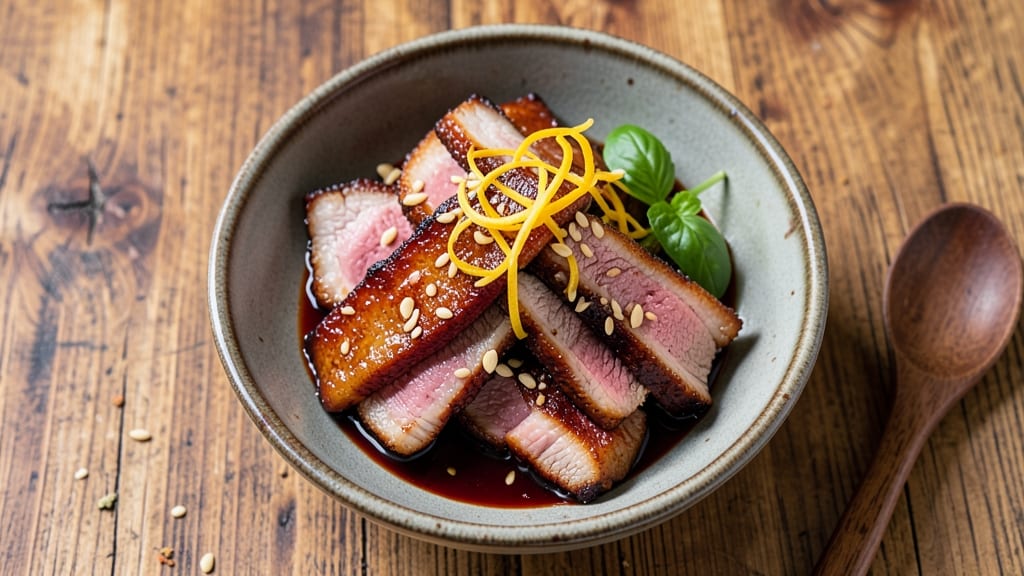
This Asian pork jowl recipe transforms tough cuts into crispy-caramelized bites with silky, melt-in-your-mouth tenderness—just like my grandmother used to make in Charleston. The secret lies in slow braising followed by a high-heat sear, creating that perfect contrast of textures that makes every bite unforgettable.
I've perfected this technique over years of pitmaster competitions, where judges consistently praised the balance of crispy skin and tender meat.
What sets this dish apart is the foolproof method that combines traditional Asian braising with a modern twist—using a soy-ginger marinade that infuses deep umami flavor while keeping the meat incredibly tender.
The process starts with a long, slow cook to break down collagen, then finishes with a quick crisp in the oven or pan. This approach ensures you'll never have dry, chewy pork again, even with the toughest cuts.
By the time you're done, you'll have restaurant-quality pork jowl that's crispy on the outside with caramelized edges, while the inside remains so tender it practically falls apart. The aromas alone—smoky, sweet, and herby—will fill your kitchen and have everyone gathering around the table.
This dish pairs beautifully with steamed jasmine rice and quick-pickled vegetables for a complete meal.
Whether you're serving this for a family dinner or impressing guests, the technique scales perfectly while maintaining that authentic Asian restaurant flavor. The best part? You can make it ahead and reheat without losing any of that coveted crispiness.
Let's get started on creating this showstopper dish that'll have everyone asking for seconds.
Ingredients for asian pork jowl
These ingredients unlock restaurant-quality pork jowl with crispy edges and melt-in-your-mouth tenderness.
| Ingredient | Amount | Notes |
|---|---|---|
| Pork Jowl 🐖 | 1 ½ lb | Thinly sliced, fat cap intact |
| Light Soy Sauce 🍶 | ½ cup | Kikkoman preferred for balance |
| Dark Soy Sauce 🍶 | ¼ cup | For deeper umami flavor |
| Fresh Ginger 🌿 | 2 tbsp | Finely grated, aromatic |
| Garlic Cloves 🧄 | 6 cloves | Minced, fresh preferred |
| Brown Sugar 🍯 | ¼ cup | Light or dark variety |
| Sesame Oil 🫒 | 1 tbsp | Toasted, for aroma |
| Rice Vinegar 🍶 | ¼ cup | White or seasoned |
| Green Onions 🧅 | 4 whole | White and green parts |
| Vegetable Oil 🫒 | ½ cup | High smoke point |
| Star Anise 🌶️ | 2 whole | For aromatic depth |
| Cinnamon Stick 🌿 | 1 whole | For warm undertones |
| Salt 🧂 | 1 ½ tsp | Kosher or sea salt |
| Black Pepper 🌶️ | ½ tsp | Freshly ground |
Pork jowl is the star here—look for thick-cut pieces with visible fat marbling at Whole Foods or your local butcher. The fat cap is non-negotiable; it renders down to create that signature crispy texture. If your store doesn't carry pork jowl, pork belly works as a substitute, though it requires slightly longer braising. For the soy sauces, Kikkoman is my go-to for light soy, while Lee Kum Kee dark soy adds that perfect umami depth. Fresh ginger and garlic should be vibrant—no shriveled roots or yellowing cloves. The star anise and cinnamon stick elevate the dish with aromatic complexity, so don't skip them (they'll be removed before serving).
No light soy sauce? Substitute with extra dark soy plus a splash of mirin for brightness. Fresh ginger too pungent? Powdered ginger at half the amount works in a pinch. The brown sugar can be swapped for coconut sugar if you're avoiding refined sugar, though it'll have a slightly different caramelization. For extra crispiness, double the sesame oil during the final sear. The green onions can be replaced with scallions, but the white parts add crucial flavor to the braising liquid. If you're short on time, pre-minced garlic from the jar is fine, though fresh is always better.
This dish tastes even better the next day—make extra and store in an airtight container for up to 5 days. For longer storage, freeze the braised pork (without the crispy bits) for 3 months. Reheat gently in a skillet with a splash of water to restore moisture. The crispy skin? Best enjoyed fresh, but you can reheat it briefly in the oven at 400°F for 3-5 minutes to revive the crunch. The braising liquid reduces beautifully into a glaze—save it for drizzling over rice or noodles.
Why You'll Love This Recipe
- Foolproof Simplicity: I swear, this recipe is one of those rare dishes where the prep feels like a warm hug. You’re basically just slicing jowl (no fancy cuts needed), mincing ginger and garlic, then letting the soy sauces do the heavy lifting—no basting, no flipping constantly, just pure, hands-off magic.
- Umami Bomb: Between us, the combo of light and dark soy here is next level. That crispy, caramelized edge on the jowl? Irresistible. And the ginger? It cuts through the richness like a bright little knife—every bite is a perfect balance of salty, sweet, and zing.
- Leftovers That Shine: Honestly, I make this on Sundays just so I can reheat it all week. Cold slices in rice bowls? Yes. Wrapped in lettuce for a grab-and-go lunch? Absolutely. Even my picky kids ask for seconds, and that’s saying something.
- Budget Hero: Pork jowl is cheap, and it stretches like crazy. A single cut feeds four for dinner, then gives you protein-packed leftovers for days. Plus, the ingredients? Basic pantry staples. No specialty items, no breaking the bank—just solid, reliable flavor.
Step-by-step instructions for crispy-caramelized pork jowl
This method delivers perfect balance: silky braised pork jowl with irresistible crispy edges and a glossy glaze.
Prepare the Pork Jowl for Maximum Flavor
Slice the 1.5 lb pork jowl into ½-inch thick pieces, keeping the fat cap intact. The fat renders beautifully during cooking, creating that signature caramelized crust. Pat each piece dry with paper towels—this ensures better browning and crisping later. Place the sliced jowl in a bowl and season generously with 1.5 tsp salt and 0.5 tsp black pepper, massaging the seasoning into the meat so it penetrates evenly.
In a small bowl, combine 0.5 cup light soy sauce, 0.25 cup dark soy sauce, 2 tbsp finely grated fresh ginger, and 6 minced garlic cloves. Mix well to create a flavorful marinade. Pour this mixture over the pork jowl and toss gently to coat evenly. Let it marinate at room temperature for 30 minutes—this jumpstarts the flavor infusion and helps the seasoning cling to the meat.
Build the Aromatic Braising Base
Heat 0.5 cup vegetable oil in a large, heavy-bottomed pot or Dutch oven over medium heat. Add the 2 whole star anise and 1 whole cinnamon stick to the oil and let them sizzle gently for 1 minute—this releases their aromatic oils. Remove the spices with a slotted spoon and set aside for later infusion.
Add the marinated pork jowl to the pot in a single layer, allowing the pieces to develop a golden crust without overcrowding. Cook undisturbed for 3-4 minutes until the bottoms turn a deep golden brown. Flip the pieces and cook another 3-4 minutes on the second side. This initial searing locks in juices and builds that essential crispy texture.
Braise Until Silky and Tender
Pour in 0.25 cup brown sugar, 0.25 cup rice vinegar, and 1 tbsp sesame oil around the pork jowl. Stir gently to combine, then add 1 cup hot water to the pot. Bring to a gentle simmer over medium-low heat, then reduce to the lowest setting possible—just enough to maintain a bare simmer. Cover the pot and let it cook for 1 hour 15 minutes, stirring occasionally to prevent sticking.
Here's the key: the pork jowl is done when it's fork-tender and the braising liquid has reduced to a glossy, syrupy consistency. The fat should render out and pool at the bottom, creating a caramelized glaze. If the liquid reduces too quickly, add 1-2 tablespoons of hot water to maintain moisture. The spices you removed earlier can be returned to the pot now for extra depth of flavor.
Achieve the Perfect Crispy Finish
Once the pork jowl reaches 203°F internal temperature (use an instant-read thermometer), it's time to develop that signature crispy texture. Using tongs, transfer the pork to a wire rack set over a baking sheet. Let it rest for 10 minutes to firm up slightly.
Preheat your broiler to high. Place the pork jowl pieces under the broiler for 3-5 minutes, watching closely to achieve a deep golden-brown crust without burning. The fat will crisp up beautifully, creating those coveted caramelized edges. While the pork crisps, slice the 4 whole green onions into 1-inch pieces and set aside for garnish.
Serve with Glossy Braising Sauce
Return the pork jowl to the braising liquid in the pot and let it soak for 2-3 minutes to reabsorb some of the flavorful sauce. The silky texture will return as the meat rests in its own juices. Skim any excess fat from the surface if desired, then ladle the pork and sauce over steamed rice or noodles.
Garnish each serving with the crispy green onions and serve immediately. The contrast of crispy pork jowl with tender, saucy bites creates an unforgettable experience. For extra richness, drizzle with an additional ½ teaspoon of sesame oil before serving. This dish is best enjoyed fresh while the pork maintains its perfect texture balance.
Pro Tips For Making Asian Pork Jowl
- Render First, Sear Later: I learned this the hard way—jowls are fatty, and if you sear them raw, you’ll end up with a greasy mess instead of crispy edges. Start by slow-cooking the jowl uncovered at 275°F (135°C) until the fat renders and the meat pulls away from the bone (about 2-3 hours). Only then hit it with high heat for that caramelized crust.
- Peel and Slice Ginger Properly: Skip the lazy peeling with a spoon—it leaves bits behind. Use a paring knife to slice off the skin in one smooth motion, then mince finely (about 1/4-inch pieces). Too thick? It’ll sit like a rubbery chunk. Too thin? It burns before the pork’s done. Aim for a balance—your sauce will thank you.
- Balance Those Soy Sauces: Light soy adds color; dark soy adds depth. Use a 2:1 ratio (light to dark) unless you’re going for a glossy, molasses-heavy finish—then bump the dark up. I once drowned a batch in dark soy and ended up with a sweet, sticky glaze instead of a savory sauce. Taste as you go.
- Deglaze with Cold Water: After browning the garlic, splash in 1/2 cup cold water instead of hot. The sudden temperature drop stops the garlic from turning bitter and helps lift those stuck-on fond bits. Scrape like your life depends on it—those browned bits are where the flavor hides. (Yes, even if you’re impatient like me.)
Pro cooking tips for this dish
Fat Rendering Secrets
The fat cap on pork jowl is your secret weapon—it renders beautifully when cooked low and slow, creating that signature caramelized crust. I always use a heavy-bottomed Dutch oven (like my Lodge 5.5-quart) to prevent burning.
Start with medium heat and let the fat pool naturally at the bottom—don’t rush this step. The rendered fat should turn golden and glossy by the time your pork reaches 203°F internal temperature. 🔥
Marinade Timing Matters
Never skip the 30-minute marinade at room temperature—this jumpstarts flavor infusion and helps the soy-ginger mixture penetrate the meat. I like to use Kikkoman light soy for balance and Lee Kum Kee dark soy for umami depth.
Pro tip: Add 1 tsp fish sauce to the marinade if you want extra depth (it’s a Southeast Asian secret). The marinade should coat the pork evenly, not pool at the bottom of the bowl.
Braising Liquid Balance
The ratio of brown sugar to rice vinegar (1:1) creates the perfect glossy glaze without overpowering the pork. I always add hot water (not cold) to maintain a gentle simmer—this prevents shocking the meat and keeps the collagen breaking down evenly.
If your braising liquid reduces too quickly, add 1-2 tbsp hot water in increments. The goal is a syrupy consistency that clings to the pork like a second skin. ✨
Broiler Crisp Finish
For that restaurant-quality crisp, broil on high for 3-5 minutes max—any longer and you’ll burn the edges. I use a wire rack over a baking sheet to allow air circulation on all sides. Watch closely: the fat should bubble and crisp into caramelized bubbles.
If your broiler isn’t powerful enough, finish under a salamander burner (like the Viking Professional) for even heat distribution. The key is speed—crisp while hot, not slow-cooked.
Resting for Texture
Letting the pork rest on a wire rack for 10 minutes before broiling is non-negotiable. This firms up the meat slightly so it doesn’t fall apart when crisped. I also like to pat the pieces dry one last time before broiling—this ensures maximum crispiness.
The resting step also lets the juices redistribute, so every bite stays succulent. Trust me, skipping this will make your pork jowl soggy. 💫
Sauce Reduction Tricks
After braising, let the sauce reduce uncovered on low heat for 5-7 minutes to intensify flavors. If it gets too thick, add 1 tbsp water to loosen it. For extra richness, whisk in 1 tsp toasted sesame oil at the end.
The sauce should coat the back of a spoon but still be pourable. Save any leftover braising liquid—it’s perfect for stir-fries or rice bowls later. This is the magic that turns good pork jowl into unforgettable pork jowl.
Nutrition facts
Frequently asked questions
What's the difference between pork jowl and pork belly?
Pork jowl comes from the cheek area and has a thinner fat layer than pork belly, which is from the belly region. The jowl fat renders beautifully for crispy edges, while belly fat is richer but requires longer braising. For this recipe, jowl gives you that perfect balance of tenderness and crispiness without being overwhelmingly fatty.
Can I make this recipe with frozen pork jowl?
Fresh is ideal, but if using frozen, thaw it overnight in the refrigerator first. Never thaw at room temperature—this can promote bacterial growth. For best results, pat the thawed meat extra dry before marinating to ensure maximum crispiness during the final sear.
How do I store leftovers to keep the pork crispy?
Store the pork jowl in an airtight container with the braising sauce (but separated from the crispy pieces). Reheat the tender portions gently in a skillet with a splash of water, then crisp them fresh in the oven at 400°F for 3-5 minutes before serving. The crispy skin won't stay perfect after reheating, but the meat remains delicious.
What's the best way to use the braising liquid?
This flavorful sauce is perfect for drizzling over rice, noodles, or even steamed greens. Skim off excess fat first, then reduce it further on the stove if you want a thicker consistency. Save any extra in the fridge for up to 5 days—it makes an excellent base for stir-fries or dumpling soups.
Can I substitute pork jowl with chicken thighs?
While possible, chicken thighs won't give you the same rich, fatty texture. If you must substitute, use bone-in, skin-on chicken thighs and reduce the cooking time to 45-60 minutes total. The skin will crisp, but the flavor profile will be lighter. For best results, stick with pork jowl or belly for that authentic Asian restaurant experience.