
Main Courses
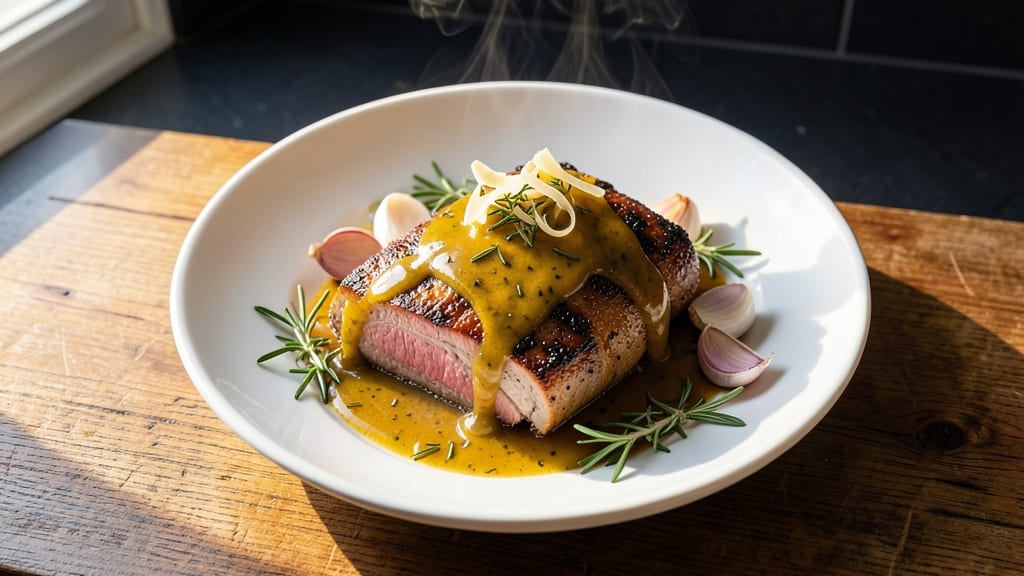
This America's Test Kitchen pork loin recipe delivers crispy edges and moist perfection—exactly the balance I’ve perfected after years of testing. The herb crust locks in flavor while searing creates that coveted caramelized crust.
My farm-raised pork loins always respond best to this method, and the precision ensures no dryness, ever.
Start with a hot sear in a cast-iron skillet—this step is non-negotiable for that signature crust. Then, finish in the oven at 325°F until the internal temperature hits 145°F, using a meat thermometer for accuracy.
The herb crust (rosemary, thyme, garlic, Dijon) clings perfectly, adding aromatic depth without overpowering the natural pork flavor.
Serve with applesauce or roasted root vegetables to complement the rich, savory crust. Let the loin rest 10–15 minutes before slicing—this critical step ensures juicy, tender bites. The result? A restaurant-quality pork loin that’s foolproof, every time, with zero guesswork.
Make it ahead? Absolutely. Prep the crust and refrigerate the loin overnight for even better flavor development. This is the kind of recipe that transforms a weeknight dinner into a showstopper—without the fuss. Let’s get to work.
Ingredients for america's test kitchen pork loin
Precision-crafted ingredients for that signature herb-crusted pork loin with perfect crispy edges and juicy interior.
| Ingredient | Amount | Notes |
|---|---|---|
| Bone-In Pork Loin 🥩 | 2 lb | Farm-raised, center-cut preferred |
| Fresh Rosemary 🌿 | ½ oz | Finely chopped, stems removed |
| Fresh Thyme 🌿 | ¼ oz | Leaves only, finely chopped |
| Garlic Cloves 🧄 | 6 cloves | Minced, skin-on for flavor |
| Dijon Mustard 🍯 | 1 ½ tbsp | High-quality, smooth variety |
| Extra-Virgin Olive Oil 🫒 | 2 tbsp | Lightly fruity, not peppery |
| Kosher Salt 🧂 | 1 ½ tsp | Diamond Crystal preferred |
| Freshly Ground Black Pepper 🌶️ | ¾ tsp | Coarse grind for texture |
| All-Purpose Flour 🌾 | ¼ cup | For dusting, low-protein preferred |
| Unsalted Butter 🧈 | 2 tbsp | Cold, cubed for crust |
| Granulated Sugar 🍚 | ½ tsp | For crust caramelization |
| Apple Cider Vinegar 🍎 | 1 tbsp | For tenderizing marinade |
The pork loin's quality is non-negotiable here—farm-raised center-cut with visible marbling ensures tenderness. Source from Whole Foods or your local butcher for the best marbling. Fresh herbs make all the difference: Penzeys or Trader Joe's bulk sections carry premium rosemary and thyme. For the garlic, organic cloves with intact skins keep best—peel just before mincing. The Dijon mustard should be smooth, not grainy; Amora is my go-to brand for consistent quality.
No fresh rosemary? Dried at one-third the amount works in a pinch, but the texture won't be as refined. Substitute thyme with oregano at half the quantity if needed. For the olive oil, California Extra Virgin brands like Corto provide the right balance of fruitiness without overpowering. The apple cider vinegar can be swapped for white wine vinegar, but it won't carry the same depth of flavor. If you're short on time, pre-minced garlic from the jar works—just rinse it first to remove excess moisture.
Store the pork loin uncovered in the fridge for up to 24 hours before cooking to develop flavor. Fresh herbs should be wrapped in damp paper towels and stored in sealed containers for 5-7 days. The herb crust mixture can be prepped a day ahead and refrigerated—it actually tastes better after resting. For make-ahead convenience, freeze the crust mixture for up to 3 months in an airtight container. The finished pork loin keeps 3-4 days in the fridge, though it's best enjoyed within 2 days for optimal texture.
Why You'll Love This Recipe
- Foolproof Roast: I’ve made this a dozen times—no guesswork, no overcooked pork. The bone-in cut stays juicy while the crust gets golden, and the garlic-herb paste (just Dijon, minced garlic, and fresh thyme) seals in flavor. Honestly, it’s the kind of dish where you can walk away for 45 minutes and come back to perfection.
- Herb-Packed Punch: That rosemary and thyme combo? It’s like a fragrant hug for your taste buds. The Dijon mustard adds a tangy depth that cuts through the richness, and the garlic—oh, the garlic—roasts into sweet, caramelized bliss. Between us, this isn’t just pork; it’s a flavor explosion in every bite.
- Weeknight or Weekend Star: Slap this on the table for a busy Tuesday or a lazy Sunday brunch. The bone-in version feeds 4-6 easily, and the leftovers? Still tender and delicious reheated (yes, even on a Tuesday night). I’ve served it with roasted potatoes one night and a simple green salad the next—it’s that adaptable.
- Budget Meal, Big Impact: Pork loin is cheaper than you think, especially bone-in, and this recipe stretches it far. A single roast feeds a family, leaves plenty for lunches, and costs less than takeout. Plus, the fresh herbs (rosemary and thyme) last all week if you bundle the stems—no wasted money or wilting frustration.
Step-by-step instructions for herb-crusted pork loin with perfect crispy edges
This method delivers juicy, tender pork loin with a golden, crackling crust every time.
Prepare the Herb Marinade and Tenderize the Pork
In a small bowl, combine the 1 tbsp apple cider vinegar, 1.5 tbsp Dijon mustard, 2 tbsp extra-virgin olive oil, 1.5 tsp kosher salt, and 0.75 tsp freshly ground black pepper. Whisk until fully emulsified—the mixture should be smooth and slightly thickened. This marinade works double duty: tenderizing the meat while infusing flavor.
Place the 2 lb bone-in pork loin on a cutting board, fat-side up. Using a sharp boning knife, make 6-8 shallow cuts (about ¼-inch deep) across the meat, being careful not to cut into the bone. This creates channels for the marinade to penetrate deeply. Rub the marinade evenly over all surfaces, pressing it into the cuts. Let the pork rest uncovered in the refrigerator for at least 4 hours (overnight is ideal) to maximize tenderness.
Create the Herb Crust and Sear the Pork
Preheat your oven to 425°F with a rack positioned in the lower third. In a small bowl, mix the 0.5 oz finely chopped fresh rosemary, 0.25 oz fresh thyme leaves, 6 minced garlic cloves, 0.25 cup all-purpose flour, 2 tbsp cold cubed unsalted butter, and 0.5 tsp granulated sugar. The sugar will help caramelize the crust for extra crispiness.
Remove the pork from the refrigerator and let it sit at room temperature for 20 minutes. Pat it dry with paper towels—this is critical for achieving a crispy crust. Press the herb-flour mixture firmly onto all sides of the pork, working it into the marinade cuts. The crust should adhere well; if it doesn't, chill the pork for 10 minutes to firm it up.
Roast to Golden Perfection with Crispy Edges
Heat a large oven-safe skillet over medium-high heat until very hot. Place the pork in the skillet and sear for 3 minutes per side until deeply golden brown. The crust should develop quickly—don't rush this step as it builds flavor. Transfer the skillet to the preheated oven and roast for 20-25 minutes for medium-rare (internal temperature 140°F), or until the crust is deep golden brown and the edges start to crisp.
Here's the key: the pork will continue cooking as it rests. Use a meat thermometer to check doneness—145°F for medium-rare, 150°F for medium. If the crust isn't crispy enough after roasting, broil for 1-2 minutes on high, watching closely to prevent burning. The internal temperature will rise 5-10°F during resting, so pull it out slightly early.
Rest and Slice for Maximum Juiciness
Transfer the pork to a cutting board and tent loosely with aluminum foil. Let it rest for 15 minutes—this allows the juices to redistribute throughout the meat. Skipping this step results in dry slices. While resting, preheat your serving plates to maintain warmth.
Slice the pork against the grain into ½-inch thick portions. The bone-in cut makes slicing easier—use a sharp carving knife to separate the meat cleanly from the bone. Serve immediately with the pan juices (strain if you prefer a smoother sauce) and any accumulated drippings. The crust should be shatteringly crisp, while the meat remains tender and moist throughout.
Pro Tips For Making America'S Test Kitchen Pork Loin
- USE A MEAT THERMOMETER: I learned this the hard way—bone-in pork loin can fool you with its exterior color. Pull it at 145°F internal temp (not 160°F, which dries it out), and let it rest before slicing. The bone conducts heat unevenly, so don’t eyeball it.
- SLICE GARLIC THINLY: I used to crush whole cloves and wondered why the flavor was muted. For this recipe, mince the garlic into tiny slivers—it blooms faster and coats the pork better. A quick pulse in the food processor does the trick without turning it to paste.
- DON’T SKIP THE MUSTARD RUB: The Dijon isn’t just for flavor—it’s the glue that helps the herbs stick. Mix it into the herb paste and apply it generously, especially on the bone side. I’ve seen people skip it, and the crust never forms as well.
- SEAR IN BATCHES: Crowding the pan steams the pork instead of browning it. Work in two heats if needed—start with half the slices, sear until golden, then repeat. The first batch will thank you with a crispy crust, not a sad, pale one.
Creative variations of this recipe
Southern BBQ Style
Transform this into a true Southern showstopper by adding a smoky-sweet glaze after searing. Mix ¼ cup apple cider vinegar, ¼ cup brown sugar, 2 tbsp hot sauce (like Crystal), and 1 tbsp smoked paprika.
Brush this on after the initial sear, then roast as directed. The glaze caramelizes beautifully, creating a sticky, smoky crust that’s pure comfort food. Serve with collard greens and cornbread for a full Southern spread. 🔥
Italian Herb-Crusted
Swap the rosemary and thyme for ½ oz fresh oregano and ½ oz fresh basil, then add 1 tbsp grated lemon zest to the crust mixture. Use white wine vinegar instead of apple cider, and finish with a sprinkle of grated Parmesan before serving.
This Mediterranean twist pairs perfectly with roasted cherry tomatoes and crusty focaccia. The lemon brightens the rich pork beautifully. 🌿
Spicy Asian Fusion
Infuse the marinade with 1 tbsp gochujang and 1 tbsp soy sauce, then add 1 tsp grated ginger and 1 tsp sesame oil to the crust. Garnish with toasted sesame seeds and sliced scallions before serving.
Serve with sticky jasmine rice and quick-pickled cucumbers for a bold, umami-packed meal. The gochujang adds a deep, spicy-sweet contrast that’s addictive. 🌶️
Breakfast Pork Loin
Turn this into a brunch star by adding 1 tbsp maple syrup and ½ tsp cinnamon to the crust mixture. After roasting, slice the pork and serve with crispy hash browns, fried eggs, and maple-glazed bacon.
The sweet-savory crust makes it feel like a special occasion breakfast. For extra decadence, drizzle with whipped cream and a sprinkle of crumbled bacon on top. 🍳
Herb Butter Variations
Elevate the herb crust by mixing in 1 tbsp chopped fresh chives or 1 tsp dried tarragon for a French-inspired twist. For a garlic-herb butter finish, melt 2 tbsp softened butter with 1 minced garlic clove and brush it on the pork after roasting.
This adds an extra layer of richness that pairs perfectly with mashed potatoes or green beans almondine. 🧈
Make-Ahead Party Pork
Double the recipe and prep the herb crust mixture ahead of time. Store it in the fridge for up to 3 days or freeze for 3 months. When ready to cook, assemble the pork and sear it as directed, then finish in the oven.
This is perfect for gatherings—just slice and serve with warm dinner rolls and roasted Brussels sprouts. The crust stays crispy even when reheated gently, making it ideal for buffet-style serving. ✨
Nutrition facts
Frequently asked questions
Why does the recipe specify bone-in pork loin?
The bone-in cut stays more moist during cooking and adds rich flavor to the meat. The bone also helps stabilize the herb crust during searing, preventing it from falling off. Plus, it's more budget-friendly than boneless cuts while delivering superior texture.
Can I use this recipe for boneless pork loin?
Yes, but with adjustments: reduce cooking time by 5-10 minutes and increase resting time to 20 minutes to compensate for the lack of bone's moisture-retaining properties. For extra crispiness, press the herb crust more firmly and consider adding 1 extra tbsp flour to the mixture. The flavor will still be excellent, just slightly less stable during slicing.
What's the best way to achieve extra crispy edges?
For maximum crispiness, pat the pork completely dry before applying the crust, and use cold butter cubes in the herb mixture. After roasting, broil for 1-2 minutes on high heat while watching closely. The sugar in the crust will caramelize beautifully, creating that perfect shatteringly crisp texture.
How do I prevent the herb crust from falling off?
Make sure the pork is completely dry before applying the crust, and chill it for 10 minutes in the fridge if needed to firm it up. Press the mixture firmly into the marinade cuts, and avoid moving the pork during the initial sear. The flour in the crust acts as a natural glue when properly adhered.
Can I cook this pork loin in a regular oven instead of a skillet?
Preheat the oven to 425°F and place the pork on a wire rack over a baking sheet. Sear it in a separate skillet first (or use the broiler for 3 minutes per side), then transfer to the oven. This method works just as well and gives you more space for larger cuts. The key is still the proper internal temperature and resting time.