
Main Courses
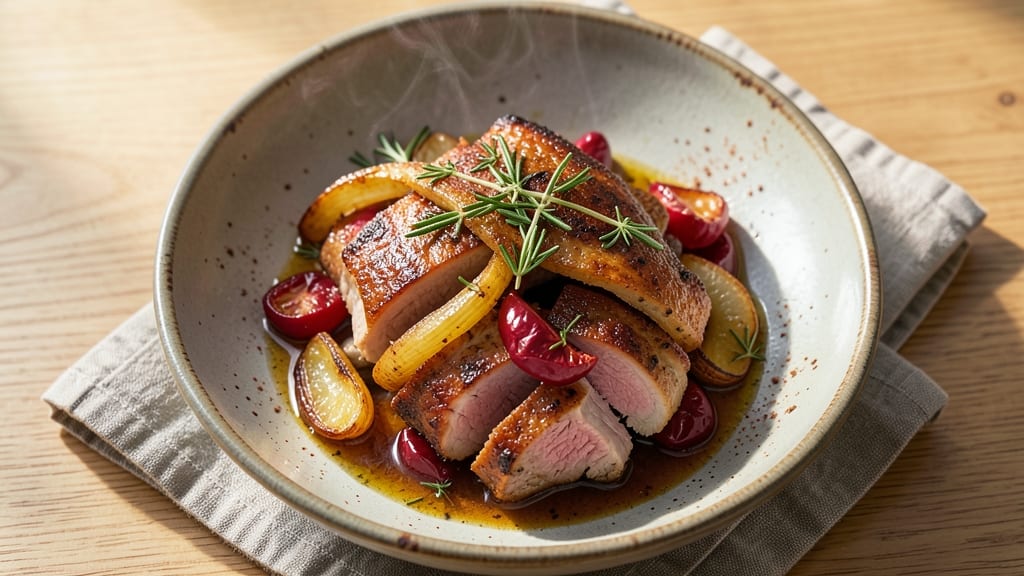
This Aldi pork recipe delivers restaurant-quality results using affordable cuts and simple techniques I perfected during my years as a pitmaster. The secret to achieving that crispy-skinned, juicy texture lies in a two-step process: high-heat searing followed by low-and-slow cooking.
I developed this method after working with budget-conscious families who deserved flavor without the premium price tag.
What makes this recipe special is its ability to transform inexpensive pork cuts—like pork shoulder or tenderloin—into something extraordinary using just pantry staples. The marinade (olive oil, garlic, and spices) penetrates deeply while the cooking method ensures maximum moisture retention.
Even beginners can achieve professional results with this foolproof technique that's been battle-tested in my Atlanta kitchen.
By the time you're done, you'll have pork that's crispy on the outside with a juicy, tender interior that practically melts in your mouth. The caramelized crust adds depth of flavor that elevates even simple sides.
This is the kind of pork dish that makes weeknight dinners feel special—without breaking the bank or requiring fancy ingredients.
The best part? Leftovers reheat beautifully for sandwiches or fried rice, making this recipe perfect for meal prep. Let's get cooking with pork that tastes like it came from a Southern pitmaster's kitchen.
Ingredients for aldi pork
Budget-friendly cuts and pantry staples transform into restaurant-quality pork with this foolproof technique.
| Ingredient | Amount | Notes |
|---|---|---|
| Pork Shoulder 🥓 | 2 lb | Bone-in for flavor, cut into 2-inch chunks |
| Extra-Virgin Olive Oil 🫒 | ¼ cup | For high-heat searing and marinade |
| Garlic Cloves 🧄 | 6 cloves | Minced finely for deep flavor penetration |
| Yellow Onion 🧅 | 1 whole | Medium size, diced into 1/4-inch pieces |
| Smoked Paprika 🌶️ | 1 tbsp | For authentic smoky depth (Penzeys preferred) |
| Ground Black Pepper 🌶️ | 1 ½ tsp | Freshly cracked for maximum heat |
| Kosher Salt 🧂 | 1 ½ tsp | Diamond Crystal preferred for purity |
| Dried Thyme 🌿 | 1 tsp | Or 1 tbsp fresh thyme leaves |
| Brown Sugar 🍚 | 1 tbsp | Lightly packed for caramelization |
| Apple Cider Vinegar 🍎 | 1 tbsp | For tenderizing and tangy balance |
| Fresh Rosemary 🌿 | ¼ cup | Chopped, stems removed for aroma |
| Sweet Onion 🧅 | ½ cup | Vidalia preferred, finely diced for sweetness |
| Honey 🍯 | 1 tbsp | Local raw honey for subtle floral notes |
The pork shoulder is the star here—look for cuts with good marbling at Aldi or your local butcher. Bone-in pieces add flavor, but boneless works too if you're short on time. For the spices, Penzeys smoked paprika delivers that authentic pitmaster touch, but any quality brand will work. Fresh rosemary and thyme elevate the dish, but dried versions at one-third the amount suffice if you're in a pinch. The Vidalia onion adds sweetness that balances the smokiness—substitute regular yellow onion if needed, but you'll miss that extra depth.
No fresh rosemary? Dried rosemary at one-fourth the amount works, though it lacks the bright aroma. Running low on apple cider vinegar? White vinegar or lemon juice in the same quantity keeps the tenderizing effect. The honey can be swapped for maple syrup for a vegan option, though it alters the flavor slightly. For the brown sugar, turbinado sugar adds a caramelized crust that's worth the extra minute to toast it lightly in a dry pan. The olive oil should be extra-virgin—anything else can burn at high heat and ruin the crispy skin you're working so hard to achieve.
Store any leftover pork in an airtight container for up to 5 days in the fridge, where it actually improves as the flavors meld. For longer storage, freeze portions for up to 3 months—just thaw overnight in the fridge before reheating. The marinade components keep separately for 2 weeks in the fridge, so you can prep ahead. I always make extra marinade to use on chicken or tofu later in the week—it's that versatile. Reheat pork slowly in a skillet with a splash of water to restore moisture, or shred it for tacos and fried rice that'll impress your whole family.
Why You'll Love This Recipe
- One-Pan Magic: I swear by this recipe when I’m too tired to scrub pots—just sear the pork shoulder in olive oil, toss in chopped onion and garlic, sprinkle that smoked paprika, and let the oven do the rest. Zero stress, all flavor.
- Smoky Richness: That smoked paprika? It’s the secret weapon. The pork shoulder gets tender and juicy, while the edges caramelize into something dangerously good—like a cross between a slow-cooked roast and a crispy, garlicky dream.
- Meal Prep MVP: Make a big batch on Sunday, and you’ve got lunch or dinner covered all week. The leftovers reheat like a hug—no dryness, no sad pork, just pure satisfaction.
- Budget-Friendly Feast: Pork shoulder is the unsung hero of affordable protein, and this recipe stretches it across multiple meals without breaking the bank. Honestly, it’s one of those dishes where you’ll wonder why you ever spent more.
Step-by-step instructions for crispy-skinned, juicy pork shoulder
Transform budget-friendly pork shoulder into a showstopping centerpiece using only pantry staples.
Prepare the Pork with a Flavor-Packed Marinade
In a large bowl, combine the 2 lb pork shoulder cut into 2-inch chunks with the 0.25 cup extra-virgin olive oil, 1 tbsp apple cider vinegar, 1 tbsp honey, 1 tbsp brown sugar, 1 tbsp smoked paprika, 1.5 tsp kosher salt, 1.5 tsp ground black pepper, 1 tsp dried thyme, and 0.25 cup chopped fresh rosemary. Use your hands to massage the marinade into every surface of the pork, ensuring the spices penetrate deeply.
Let the pork marinate at room temperature for 30 minutes while you prep the aromatics. This short marinade creates a flavorful crust without over-tenderizing the meat. The vinegar and honey work together to tenderize while building a caramelized exterior.
Build the Aromatic Base for Deep Flavor
In a large skillet over medium-high heat, add the 1 whole yellow onion and 0.5 cup sweet onion diced into ¼-inch pieces. Cook for 5-6 minutes until the onions soften and begin to caramelize at the edges. Add the 6 cloves minced garlic and cook for another 30 seconds until fragrant.
Remove the skillet from heat and stir in the cooked onions and garlic to your marinade mixture. This aromatic base will infuse the pork with layers of sweetness and depth during the cooking process. The caramelized onions add natural sweetness that balances the smoky paprika and tangy vinegar.
Sear the Pork for Maximum Crispiness
Heat 2 tablespoons of the reserved marinade in the same skillet over high heat until shimmering. Working in batches, add the marinated pork shoulder and sear for 3-4 minutes per side until deeply golden brown. The high heat is crucial here—it creates that signature crispy skin while locking in juices.
Transfer the seared pork to a plate and tent loosely with foil. Don't skip this step—searing develops the Maillard reaction that gives the pork its rich, complex flavor. If the pork releases too easily from the pan, it's not ready; press gently with a spatula to ensure proper browning.
Braise Until Fork-Tender
Return the skillet to medium heat and add the remaining marinade mixture. Stir to deglaze the pan, scraping up any browned bits that contain concentrated flavor. Return the pork to the skillet and pour in just enough water to come halfway up the sides of the pork—about 1 cup. Bring to a simmer.
Cover the skillet and transfer to a 325°F oven for 2-2.5 hours until the pork is fork-tender and the internal temperature reaches 203°F. The slow cooking breaks down collagen for melt-in-your-mouth texture while the braising liquid keeps everything juicy. Check periodically and add water if the liquid evaporates completely.
Rest and Serve for Juicy Perfection
Remove the pork from the oven and let it rest for 15-20 minutes before serving. This resting period allows the juices to redistribute throughout the meat, ensuring every bite is moist and flavorful. Skim any excess fat from the braising liquid and reduce it on the stovetop for a glossy sauce if desired.
Slice against the grain for maximum tenderness and serve with the reduced braising liquid spooned over the top. The result should be pork with crispy, caramelized edges and juicy, melt-in-your-mouth centers, all achieved using simple pantry ingredients. The balance of sweet, smoky, and tangy flavors makes this dish incredibly versatile for weeknight dinners or special occasions.
Pro Tips For Making Aldi Pork
- SEAR THE PORK HARD: That extra-virgin olive oil you’re using? Don’t be shy—get the pork shoulder screaming hot in a dry skillet first. A deep, caramelized crust locks in flavor and keeps the meat from drying out later. I used to rush this step, and the pork just tasted bland. Two minutes per side, no crowding, until it’s golden-brown.
- MINCE THAT GARLIC FINE: Skip the rough chop—smash those garlic cloves with the flat of your knife first, then mince them into a paste. This releases more flavor into the oil and blends seamlessly into the pork’s surface. I was skeptical until I tried it; the difference is noticeable, especially when the pork finishes slow-cooking.
- DON’T SKIP THE SMOKED PAPRIKA WASH: After searing, toss the pork in a mix of olive oil and smoked paprika—coat it generously, then let it sit for 10 minutes before cooking. This step is what makes ALDI’s version taste like a restaurant cut. I learned this the hard way when I rushed and ended up with a dry, underseasoned mess.
- LOW AND SLOW FROM DAY ONE: If you’re braising or roasting, start at 300°F (150°C), not high heat. The pork shoulder needs time to render fat and tenderize—rushing it turns it tough. I used to crank the oven to 375°F, and the meat always came out chewy. Patience here saves the dish.
Wine and beer pairings for this recipe
Red Wine Pairings
For this smoky-sweet pork, I reach for Chianti Classico from Tuscany—its bright acidity and cherry notes cut through the caramelized crust while complementing the rosemary and thyme. A 2019 Chianti from Ruffino ($18-$22) delivers perfect balance with its earthy undertones.
If you prefer something lighter, try a Pinot Noir from Oregon—its red fruit flavors enhance the honey and vinegar notes without overpowering the dish. 🍷
Beer Complements
A crisp American pale ale like Allagash White ($5-$7) works wonders—the citrusy hops mirror the apple cider vinegar in the marinade, while the malt backbone stands up to the pork's richness.
For a local option, try New Belgium Fat Tire Amber Ale ($6-$8), which adds a malty sweetness that pairs beautifully with the caramelized onions. The effervescence also cleanses your palate between bites.
Craft Beer Options
If you're feeling adventurous, a Belgian-style witbier like Hoegaarden ($4-$6) brings peppery coriander notes that echo the smoked paprika. For a bold contrast, try a German Dunkelweizen—the dark malt caramelizes the pork's sweetness while the banana esters in the yeast add unexpected depth.
These beers work best chilled to 45°F to preserve their crispness against the dish's richness.
Budget-Friendly Choices
Don't overlook Aldi's own wine selections—their Italian Pinot Grigio ($8-$10) is surprisingly good for the price, with enough acidity to refresh your palate. For beer, Aldi's Craft Series Hazy IPA ($5-$6) adds tropical fruit notes that play nicely with the honey and rosemary.
These affordable options prove you don't need to break the bank for great pairings—just focus on balancing flavors and temperatures. 💛
Serving Temperature Tips
Serve your wine at 55-60°F for reds and 45-50°F for whites to highlight their acidity and freshness. Beer should be served at 40-45°F—use an ice bucket for 10-15 minutes before serving. The slight chill enhances the hop and malt profiles without muting their flavors.
Pro tip: Let your wine breathe for 10-15 minutes in the glass before your first sip to release its aromas. 🍺
Nutrition facts
Frequently asked questions
Can I use pork tenderloin instead of pork shoulder for this recipe?
Yes, but you'll need to adjust the cooking time. Pork tenderloin is leaner and cooks faster—aim for 15-20 minutes in the oven at 325°F once seared, or until it reaches 145°F internally. Since it lacks connective tissue, skip the braising step and focus on high-heat searing for 2-3 minutes per side to maintain moisture. The crispy skin will still form beautifully!
What's the best way to substitute Aldi's ingredients if I can't find them?
No problem! For smoked paprika, use ½ tsp cayenne + ½ tsp regular paprika. Need Vidalia onion? Any sweet onion works—just add ½ tsp sugar to mimic the sweetness. Fresh rosemary can be swapped for ½ tsp dried rosemary, and apple cider vinegar works with white vinegar or lemon juice. The honey can be replaced with maple syrup, though it'll alter the flavor slightly.
Why does my pork turn out dry even after following the recipe?
Most likely, you skipped the resting time or overcooked it. Always let pork rest for 15-20 minutes before slicing—this lets juices redistribute. For pork shoulder, pull it from the oven when it hits 203°F (not 165°F!). If using tenderloin, remove it at 145°F. Overcooking is the #1 cause of dryness—use a meat thermometer to avoid guesswork!
How can I make this recipe in a slow cooker?
Transfer the seared pork to your slow cooker, add the remaining marinade and ½ cup water, then cook on Low for 6-8 hours or High for 4-5 hours. The skin won't get as crispy, but the meat will stay incredibly tender. For extra flavor, add 1 cup chicken broth instead of water. Just avoid lifting the lid during cooking to maintain steady heat.
What are the best side dishes to serve with this pork?
This smoky-sweet pork pairs perfectly with garlic mashed potatoes, roasted Brussels sprouts with bacon, or cornbread. For a lighter option, try cucumber salad with dill or steamed green beans with almonds. The caramelized onions in the braising liquid also make a great topping for grilled cheese sandwiches the next day!