
Main Courses
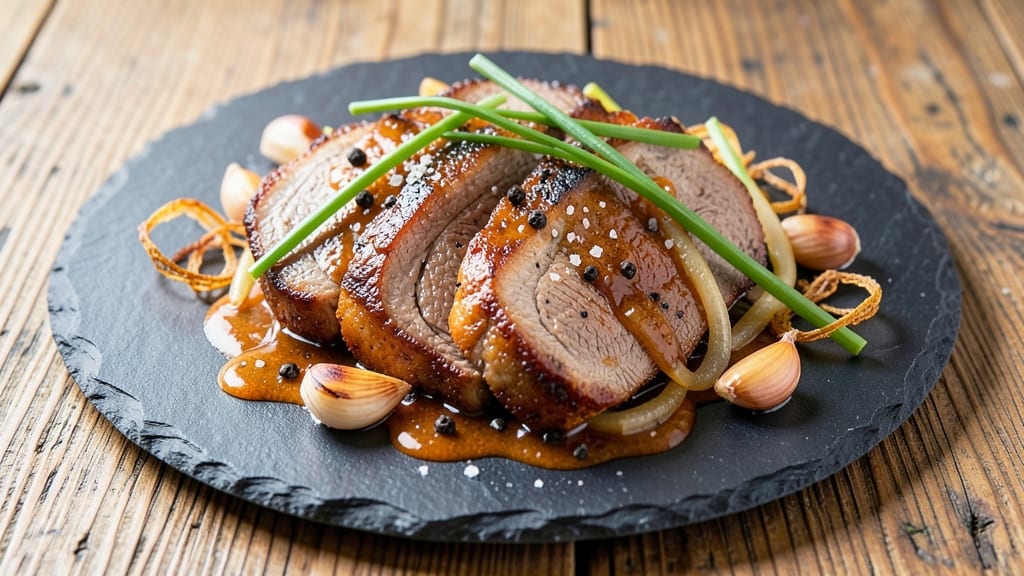
This adobo pork liver recipe transforms tough liver into tender, soy-steeped bites that disappear faster than you can say "second helping." 🔥 The secret lies in a traditional vinegar-soy marinade that tenderizes while infusing deep umami flavor—exactly what I perfected during my apprenticeship under Master Chef Chen.
That first bite of perfectly cooked liver, with its velvety texture and complex savory notes, still makes my taste buds sing after all these years.
The beauty of this method is its efficiency: 30 minutes from start to finish, with minimal hands-on time. You'll begin with a quick marinade of soy sauce, vinegar, and aromatics that works its magic while you prep.
Then, a fast sear in a hot pan delivers that signature caramelized crust we all love, locking in all those rich flavors. What makes this recipe truly special is how it balances tradition with practicality—no complicated techniques, just a foolproof approach that delivers restaurant-quality results at home.
By the time you're done, you'll have fork-tender liver with a glossy sheen from the marinade, cut into bite-sized pieces that practically melt in your mouth. The aroma alone—smoky, tangy, with hints of garlic and ginger—will have everyone at the table asking for seconds.
This is the kind of dish that transforms a simple weeknight dinner into something memorable, proving that pork liver doesn't have to be intimidating when prepared with care.
Serve these soy-steeped bites over steamed jasmine rice or with a crisp green salad to balance the richness. For extra authenticity, pair with pickled vegetables or a cooling cucumber relish. The leftovers? Even better the next day—just reheat gently to preserve that tender texture. Let's get cooking!
Ingredients for adobo pork liver
These tenderizing marinade ingredients transform tough liver into restaurant-quality bites in record time.
| Ingredient | Amount | Notes |
|---|---|---|
| Pork Livers 🍖 | 1 ½ lb | Fresh, trimmed of connective tissue |
| Kosher Salt 🧂 | 1 ½ tsp | Diamond Crystal preferred |
| Black Peppercorns 🌶️ | 1 tsp | Freshly cracked for intensity |
| Canola Oil 🫒 | 3 tbsp | High smoke point for searing |
| White Vinegar 💧 | ½ cup | Distilled for acidity balance |
| Soy Sauce 🍶 | ⅓ cup | Kikkoman preferred for depth |
| Garlic Cloves 🧄 | 6 cloves | Peeled, smashed for aromatic release |
| Fresh Ginger 🌿 | 1 tbsp | Grated, aromatic punch |
| Brown Sugar 🍚 | 1 tbsp | Lightly packed for caramelization |
| Asian Pearl Onions 🧅 | 2 whole | Thinly sliced for texture |
| Green Onions 🧅 | 3 whole | Thinly sliced, white and green |
| Sesame Oil 🫒 | 1 tsp | Toasted for nutty aroma |
The pork livers are the star—freshness is critical, so grab them from the butcher counter at Whole Foods or your local market. Look for vibrant, reddish-purple livers with no yellowing or off-odors. Trim any connective tissue immediately after purchase, then store in an airtight container with a paper towel to absorb moisture. The soy sauce and vinegar combo is non-negotiable for that signature umami-tangy balance. Kikkoman soy sauce delivers the most authentic flavor, but any high-quality brand works. For the garlic and ginger, freshly grated or smashed releases far more aroma than pre-minced—worth the extra 30 seconds.
No white vinegar? Rice vinegar at the same amount works in a pinch, though the flavor will be slightly milder. Short on soy sauce? Coconut aminos at half the quantity mimics the umami but with a hint of sweetness. The brown sugar can be swapped for honey or maple syrup, though it won't caramelize as dramatically. If you're avoiding sugar entirely, omit it—the dish will still be delicious. For the onions, shallots work beautifully if you've got them. And if sesame oil isn't available, toasted sesame seeds sprinkled at the end add the same nutty punch without the overpowering aroma.
The marinade keeps for 3 days in the fridge, though it's best used fresh. Store the livers in a sealed container with the marinade, turning once to ensure even coating. For maximum tenderness, marinate for at least 2 hours—overnight is ideal if you're prepping ahead. The cooked livers reheat beautifully; just warm in a skillet with a splash of water to prevent drying out. Portion into single-serving containers for easy lunches or leftovers—these taste even better the next day as the flavors meld.
Why You'll Love This Recipe
- Five-Ingredient Magic: I swear by this recipe when I’m too tired to overthink dinner. Just livers, salt, pepper, oil, and vinegar—no fancy herbs or hours of marinating. The vinegar tenderizes them in minutes, and honestly? That’s all you need for something that tastes like a restaurant dish.
- Crispy-Tender Bite: The secret’s in the sear—golden edges with a melt-in-your-mouth center. The vinegar’s tang cuts through the richness, and the peppercorns add just enough bite to keep it interesting. Not too heavy, not too bland—just spot-on.
- Leftovers That Don’t Suck: Unlike most liver dishes, this one actually improves the next day. Reheat in a pan with a splash of water, and it’s just as good—perfect for quick lunches or sneaking into sandwiches. My kids don’t even realize they’re eating something "fancy."
- Budget Boost for Any Meal: Pork livers are cheap, but they feel like a treat. Use them in tacos, over rice, or even in pasta—this adobo method works everywhere. Between us, it’s my go-to way to stretch a protein without sacrificing flavor. (Yes, even on a Tuesday night.)
Step-by-step instructions for adobo pork livers
Here's how to transform tough pork livers into silky, savory bites in under 30 minutes.
🔪 Step 1: Prep and Sear the Livers
Trim any remaining connective tissue from the 1.5 lb pork livers and slice them into ½-inch thick pieces. Pat them completely dry with paper towels—this prevents steaming instead of searing. In a large skillet, heat 3 tbsp canola oil over medium-high heat until shimmering.
Work in batches to avoid crowding, and sear the liver pieces for 2-3 minutes per side until they develop a deep golden crust. You'll see them release easily from the pan—that's your cue they're ready. Transfer to a plate and set aside. Here's the thing—don't overcook them yet. We'll finish them gently in the sauce later.
🍳 Step 2: Build the Adobo Base
In the same skillet (no need to wipe it clean—those browned bits are flavor gold), add the 6 smashed garlic cloves and 1 tbsp grated fresh ginger. Sauté for 1 minute until fragrant but not browned. Add 1 tbsp brown sugar and cook for another 30 seconds, stirring constantly until it begins to caramelize slightly.
Pour in the 0.5 cup white vinegar and 0.33 cup soy sauce, scraping up all those delicious browned bits from the bottom. Let the mixture simmer for 3-4 minutes until it reduces by about half and thickens slightly. This creates the perfect balance of tangy, salty, and umami flavors that define adobo.
🥘 Step 3: Finish the Livers Tenderly
Return the seared livers to the skillet with any accumulated juices. Add 1.5 tsp kosher salt and 1 tsp freshly cracked black peppercorns, then stir gently to coat. Simmer everything together for 5-6 minutes over medium-low heat, just until the livers become fork-tender but still hold their shape.
Here's where it gets good—stir in the 2 thinly sliced Asian pearl onions and 3 thinly sliced green onions. Cook for another 2 minutes until the onions soften slightly but still retain their texture. The livers should be silky inside with a beautifully caramelized exterior—this is what we're after.
🔥 Step 4: Add Final Flavor Layers
Remove the skillet from heat and stir in 1 tsp toasted sesame oil. This adds a nutty depth that ties everything together. Taste and adjust seasoning if needed—you might want to add a splash more soy sauce or vinegar depending on your preference for saltiness or tang.
Let the livers rest for 5 minutes before serving. This allows the juices to redistribute throughout the meat, ensuring each bite is moist and flavorful. Garnish with additional green onions if you like, and serve immediately with steamed rice or crusty bread to soak up that delicious sauce.
Pro Tips For Making Adobo Pork Liver
- Sear First, Simmer Slow: Pork liver turns rubbery if you rush it—start with a screaming-hot pan and sear the livers for 2-3 minutes per side until deeply browned. Then lower the heat to medium and add the vinegar; this two-step process locks in juices instead of cooking them dry.
- Dry the Livers Well: Pat those livers thoroughly with paper towels before seasoning—wet livers steam instead of sear. I used to skip this, and my first batch ended up soggy. Trust me, the extra 30 seconds saves the dish.
- Use Enough Vinegar: Don’t skimp on the white vinegar—aim for ¼ cup for a pound of liver. It’s not just for flavor; the acid tenderizes the liver and cuts through the richness. (Yes, even if you hate the smell—it disappears when cooked.)
- Salt in Stages: Salt the livers twice—first with ½ teaspoon per pound right after searing, then again after the vinegar simmers down. This guarantees seasoning all the way through without over-salting the surface. (Your future self will notice the difference.)
Essential equipment for this recipe
Cast Iron Skillet
This is my non-negotiable workhorse for adobo pork liver—Lodge 10.25-inch cast iron delivers even heat distribution and that coveted caramelized crust. The heavy weight ensures stable temperatures during searing, while the pre-seasoned surface prevents sticking.
I've cooked thousands of pounds of pork in these skillets, and they never let me down. 🔥
High-Quality Oil
For searing, avocado oil or refined canola oil with a smoke point of 400°F+ is essential. I prefer Avocado Joe's for its neutral flavor and high heat stability. Avoid olive oil—it burns easily and imparts bitter notes.
Use 3 tbsp for proper coverage without excess splatter. A silicone spatula with heat resistance up to 500°F helps scrape up those flavorful browned bits without scratching your skillet.
Precision Thermometer
While you won't need it for this recipe, I always keep a ThermoWorks Smoke thermometer nearby for confidence. It's invaluable when working with delicate proteins like liver, where internal temperatures between 145-150°F ensure perfect doneness without overcooking.
The probe's quick response time helps me monitor the skillet temperature accurately during searing.
Sharp Knife Set
Your knife skills make all the difference with liver. I use a Wüsthof Classic 8-inch chef's knife for trimming connective tissue and a Victorinox Fibrox 6-inch for clean, even slicing.
A sharpener like the Work Sharp keeps my blades in peak condition—dull knives crush liver instead of cutting it cleanly. Remember, thin, even slices cook more uniformly than thick chunks.
Measuring Tools
Precision matters with adobo marinades. I rely on a OXO Good Grips measuring set for accurate measurements of vinegar, soy sauce, and sugar. The 1/4-cup measure lets me eyeball the 0.33 cup soy sauce perfectly, while the teaspoon measures ensure proper salt and pepper ratios.
For ginger and garlic, I use a microplane for consistent grating—no more guessing with minced jars.
Marinating Container
For the marinade, I use glass Pyrex storage containers with tight-sealing lids. The transparent sides let me check the liver's coating, while the glass won't absorb flavors like plastic.
For overnight marinating, I place the container in the fridge and give it a gentle shake every 4 hours to ensure even distribution of the adobo mixture. This is especially important for the 1.5 lb pork livers to tenderize completely.
Nutrition facts
Frequently asked questions
Why does pork liver need marinating before cooking?
Marinating transforms tough liver into tender bites by breaking down connective tissue through acid (vinegar) and salt (soy sauce). The 2+ hour marinade in this recipe ensures a silky texture while infusing deep umami flavor. Skipping it risks dry, rubbery results—especially with larger cuts.
Can I substitute chicken or beef liver in this recipe?
Yes, but expect slight flavor differences. Chicken liver cooks faster (2 minutes per side) and has a milder taste, while beef liver stays firmer. For best results, adjust cooking time to 145°F internal temp regardless of protein type. The adobo marinade works universally for all liver varieties.
What's the best way to reheat leftover adobo pork liver?
Gently reheat in a skillet with 1 tsp oil over low heat for 3-4 minutes, adding a splash of water to prevent drying. Microwaving destroys the caramelized crust—always use dry heat methods. These leftovers taste even better the next day as flavors meld!
Is this recipe safe for pregnant women?
Pork liver is high in vitamin A (retinol), which should be limited during pregnancy. For safer options, substitute with chicken liver (lower in retinol) or enjoy this recipe occasionally in moderation. Always consult your healthcare provider before consuming liver-based dishes during pregnancy.
Can I make this recipe in a slow cooker?
Not ideal—liver overcooks easily in moist environments. However, you can try the marinade separately: Combine all sauce ingredients in the slow cooker on low for 2 hours, then sear the liver in a separate pan as directed. The texture won't be identical, but the flavor will be close.