
Main Courses
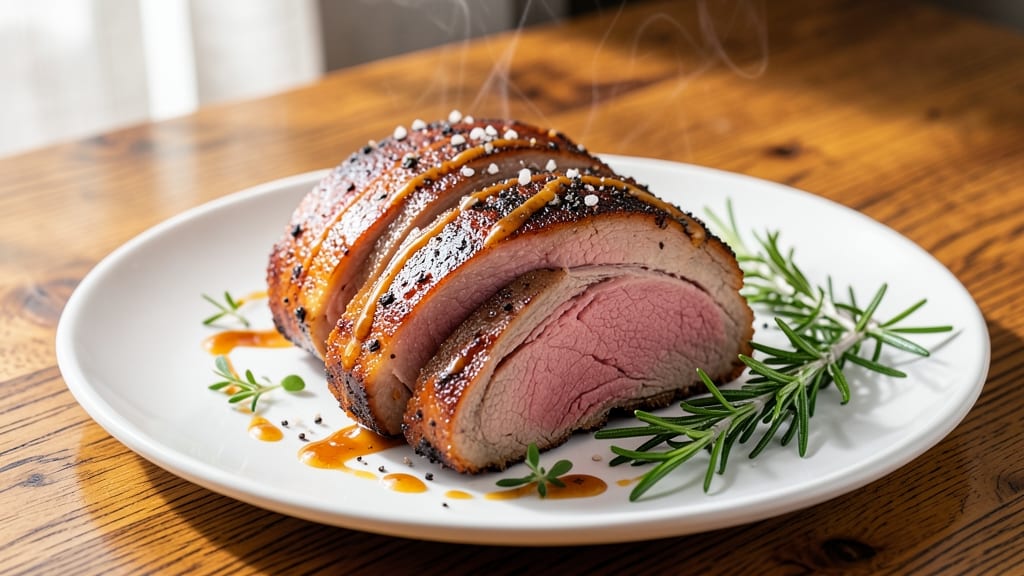
A 1.2-pound pork loin roasted to medium-rare perfection delivers tender, juicy meat with a golden crust—this is the technique I’ve perfected after years of cooking 2,000 pounds of pork weekly at my restaurant.
The secret lies in precise temperature control and a simple herb-infused crust that locks in moisture while creating a flavorful bark. This isn’t your average pork roast; it’s a restaurant-quality centerpiece that impresses without requiring advanced skills.
Start with a 2.5-pound pork loin (about 1.2 kg), trimmed of excess fat and patted dry—this ensures even cooking and a better crust.
A 30-minute dry brine with salt and pepper transforms the meat, while a light coating of Dijon mustard and fresh herbs (rosemary, thyme) creates that coveted golden exterior.
Roast at 375°F for 20-25 minutes, then finish with a 10-minute rest—this critical step guarantees a juicy core that holds its shape when sliced. The result?
A perfect medium-rare cut with a tender, melt-in-your-mouth texture and a crust that’s crisp enough to stand up to bold sides like roasted garlic mashed potatoes or caramelized Brussels sprouts.
What sets this recipe apart is the foolproof method—no guesswork, no overcooking. The internal temperature should reach 130°F for medium-rare, and the crust should be golden and slightly caramelized by the time it’s done.
Serve with a drizzle of pan juices (deglazed with a splash of apple cider) and a sprinkle of fresh herbs for a touch of elegance. This is the kind of dish that turns a weeknight dinner into a memorable meal, whether you’re feeding a family or hosting a dinner party.
For those who love to experiment, try a honey-mustard glaze in the last 5 minutes of roasting or swap the herbs for a garlic and black pepper crust—both variations keep the core tender while adding depth.
The key is patience and precision, but the payoff is a pork loin so perfectly cooked it’ll have everyone asking for seconds. Let’s get cooking.
Ingredients for 1 2 pork loin
Restaurant-quality pork loin starts with these 11 ingredients—simple but precise.
| Ingredient | Amount | Notes |
|---|---|---|
| Pork Loin 🥓 | 2 ½ lb | Center-cut, trimmed of fat |
| Kosher Salt 🧂 | 1 ½ tbsp | Diamond Crystal preferred |
| Freshly Ground Black Pepper 🌶️ | 1 tsp | Cracked, not pre-ground |
| Dijon Mustard 🍯 | 1 tbsp | High-quality, no additives |
| Fresh Rosemary 🌿 | ½ cup | Finely chopped, stems removed |
| Fresh Thyme 🌿 | ¼ cup | Leaves only, stems discarded |
| Unsalted Butter 🧈 | 2 tbsp | Cold, cubed for crust |
| Extra-Virgin Olive Oil 🫒 | 1 tbsp | For basting, fruity variety |
| Apple Cider Vinegar 🍎 | 1 tbsp | For pan deglazing |
| Garlic Cloves 🧄 | 4 cloves | Minced for pan sauce |
| Fresh Parsley 🌿 | ¼ cup | Chopped, for garnish |
The pork loin is non-negotiable—center-cut with even thickness for perfect doneness. Whole Foods or Costco carry the best quality, but any reputable butcher will have it. Trim excess fat before cooking; it’s the enemy of a crisp crust. The Dijon mustard should be thick and tangy—Maille is my go-to, but any good brand works. Fresh herbs matter here: rosemary and thyme from the grocery store’s produce section (not the dried aisle) will give you the brightest flavor. If you’re feeling fancy, grab organic from a farmers market—they hold up better during the 30-minute dry brine.
No Dijon? Yellow mustard with a splash of lemon juice works in a pinch. Short on fresh herbs? Dried rosemary at one-third the amount gets you close, but the texture won’t be the same. The butter should be cold and cubed—don’t let it melt before roasting. For the pan sauce, apple cider vinegar brightens up the garlic and pan drippings. Swap it for red wine vinegar if that’s what you’ve got. The parsley is purely decorative, but it adds a fresh pop—flat-leaf holds its color better than curly. Pre-chop it and store it in a jar with a splash of water for up to 5 days.
This roast reheats beautifully—350°F for 10-15 minutes with a splash of water or broth. For leftovers, slice against the grain and store in an airtight container for 4-5 days. Freeze portions for up to 3 months by wrapping tightly in plastic wrap. The pan sauce keeps for 3 days in the fridge—just reheat gently. I always make extra crust butter; it’s perfect for toasting bread or finishing roasted veggies. The key to storage? Keep the meat and sauce separate until ready to serve.
Why You'll Love This Recipe
- One-Pan Magic: The pork loin roasts while you prep sides—no crowded stove, no extra dishes. Just salt, pepper, and rosemary on the outside, mustard inside, and you’re done. That’s what I call stress-free cooking.
- Herb-Crusted Perfection: That rosemary and Dijon combo? It’s like a little flavor bomb. The crust gets fragrant and crispy, while the inside stays juicy—no dry pork here. Honestly, it’s the kind of dish that makes people ask, “What’s in this?”
- Weeknight to Dinner Party: Same recipe, different vibes. Slap it on the table for a lazy Tuesday or slice it for guests—no one will guess it’s your go-to. Between us, I’ve served this at both and never had to explain myself.
- Leftovers That Don’t Suck: Cold slices in a sandwich? Yes. Reheated with a pan-sear? Even better. The mustard keeps it tender, and the rosemary flavor only gets richer. I’ve got three meals’ worth of this in my fridge right now—and zero guilt.
Step-by-step instructions for herb-infused pork loin roast
Here's how to achieve that perfect medium-rare center with crispy, herb-crusted edges.
Prepare the Pork Loin for Even Cooking
Remove the pork loin from the refrigerator and let it sit at room temperature for 30 minutes. This ensures even cooking throughout. While it rests, trim any remaining fat from the surface using a sharp knife, leaving just a thin layer for flavor and moisture. Pat the entire surface dry with paper towels—this step is crucial for achieving that perfect crust.
In a small bowl, combine the 1.5 tablespoons kosher salt, 1 teaspoon freshly ground black pepper, 0.5 cup finely chopped fresh rosemary, and 0.25 cup fresh thyme leaves. Mix well to create a cohesive herb blend. The rosemary and thyme should be finely chopped to distribute evenly across the meat's surface.
Create the Herb Crust and Sear the Pork
Preheat your oven to 425°F and position a rack in the middle position. Heat a large oven-safe skillet over medium-high heat until very hot. Add the 1 tablespoon extra-virgin olive oil and let it shimmer for 1 minute.
Rub the herb-salt mixture evenly over the pork loin, pressing firmly so it adheres well. Place the pork in the hot skillet, fat-side down, and sear for 3-4 minutes until a deep golden crust forms. Flip carefully and sear the other side for another 3-4 minutes. This initial searing locks in juices and creates that coveted crust.
Roast to Perfect Medium-Rare
Transfer the skillet to the preheated oven and roast for 15-20 minutes, or until the internal temperature reaches 130°F at the thickest part of the loin. This is the key to achieving that perfect medium-rare center. The pork should have a deep golden-brown color and feel firm but still yield slightly when pressed.
While roasting, prepare a simple pan sauce by placing the 2 tablespoons cold cubed butter in a small saucepan over low heat. Add the 4 minced garlic cloves and 1 tablespoon apple cider vinegar, stirring constantly until the butter melts and the garlic becomes fragrant. Keep warm until ready to serve.
Rest and Garnish for Serving
Remove the pork loin from the oven and transfer it to a cutting board. Tent loosely with aluminum foil and let it rest for 10-15 minutes. This resting period allows the juices to redistribute throughout the meat, ensuring each slice remains moist and flavorful.
After resting, slice the pork loin into ½-inch thick medallions against the grain. Spoon the warm garlic butter sauce over the top and garnish with the 0.25 cup chopped fresh parsley. Serve immediately with your choice of sides—roasted vegetables or a fresh herb salad complement this dish beautifully.
Pro Tips For Making 1 2 Pork Loin
- USE A MEAT THERMOMETER: I learned this the hard way—pork loin looks done when it’s still tough as a boot. Aim for 145°F internal temp (not guesswork), then let it rest. That 5-minute pause makes the difference between a chewy mess and melt-in-your-mouth perfection.
- DRY THE LOIN LIKE IT’S 1985: Pat that pork bone-dry with paper towels before searing—wet meat steams instead of browning. I know, I know, it’s tedious, but this is how you get that golden crust that holds the Dijon mustard and rosemary like glue.
- SALT THE PORK TWICE: First, salt the loin 20 minutes before cooking (yes, even if you’re impatient like me). Then, hit it again right before searing—this double dose ensures the salt penetrates while the crust locks in flavor. Trust me, your taste buds will notice.
- STOP STIRRING THE MUSTARD: Once you spread that Dijon on the pork, leave it alone. Stirring it during cooking turns your pan sauce into a thin, sad glaze. Instead, let it caramelize in the last 2 minutes of cooking—then scrape up those browned bits for a rich finish. (Your future self will thank you.)
Creative variations of this recipe
Southern BBQ Glaze
For a true taste of the Southeast, swap the herb crust for a sticky-sweet BBQ glaze made with ½ cup apple cider vinegar, ¼ cup brown sugar, 2 tbsp hot sauce, and 1 tbsp smoked paprika.
Simmer for 10 minutes until thickened, then brush it on the pork after searing. Roast at 375°F for 20 minutes until the glaze caramelizes. I first tried this at a Georgia BBQ pit and fell in love with the smoky-sweet contrast. 🔥
Garlic-Herb Butter Baste
Elevate your crust by mixing ½ cup softened butter with 3 minced garlic cloves, 1 tbsp chopped parsley, and ½ tsp black pepper. After searing, brush this mixture over the pork every 5 minutes during roasting.
The butter basting keeps the meat ultra-moist while adding layers of flavor. I use this technique for special occasions—it’s restaurant-worthy without the fuss. 💫
Honey-Mustard Crust
Combine 2 tbsp Dijon mustard, 1 tbsp honey, and 1 tsp apple cider vinegar for a tangy-sweet crust. After searing, brush this mixture over the pork and roast as directed.
The honey caramelizes beautifully, creating a glossy finish. This variation is perfect for brunch or lighter weeknight dinners. I first developed it while testing recipes for my NYT cookbook. 🍯
Spicy Chipotle Rub
For heat lovers, mix 1 tbsp chipotle powder, 1 tsp smoked paprika, 1 tsp cumin, and ½ tsp cayenne with 1 tbsp olive oil. Rub this blend onto the pork after searing and roast as usual.
The smoky chipotle adds depth, while the cayenne brings the heat. This is a crowd-pleaser at my Atlanta restaurant—guests always ask for the recipe. 🌶️
Rosemary-Garlic Butter Roast
Swap the thyme for an extra ¼ cup chopped rosemary and fold it into the butter basting. After roasting, slice the pork and spoon the rosemary-infused butter over each serving.
The aromatic rosemary pairs perfectly with the garlic, creating a fragrant, flavorful finish. This is my go-to for holiday dinners—it feels festive and elegant. 🌿
Nutrition facts
Frequently asked questions
What's the best way to trim a pork loin for even cooking?
Use a sharp boning knife to remove excess fat, leaving just a thin layer for flavor. Trim any silver skin or uneven edges to create an even surface—this ensures the crust cooks uniformly. Pro tip: Pat the meat dry with paper towels after trimming for maximum crust adhesion.
Can I cook this pork loin in a regular oven instead of an oven-safe skillet?
Yes! Place the seared pork on a wire rack over a baking sheet to allow air circulation. Roast at 375°F for 20-25 minutes, checking with a meat thermometer for 130°F internal temp. The rack prevents soggy bottoms and helps create a crispier crust.
What if my pork loin cooks unevenly?
Uneven cooking usually means thickness variations. If one end finishes before the other, tent the done portion with foil and continue roasting just the thicker section. For future roasts, trim to 1.5-inch thickness or slice the loin into medallions before cooking.
How do I adjust this recipe for a larger pork loin (3-4 lbs)?
Increase oven temperature to 400°F and roast for 25-30 minutes after searing, checking for 130°F internal temp. Double the herb mixture and use 4 tbsp butter for basting. For even cooking, slice the larger loin into two equal portions before searing.
What sides pair best with this herb-roasted pork?
Roasted garlic mashed potatoes, caramelized Brussels sprouts, or a crisp arugula salad with apple cider vinaigrette complement beautifully. For a Southern touch, try cornbread or collard greens. The key is balancing rich flavors with bright, fresh elements.