
Main Courses
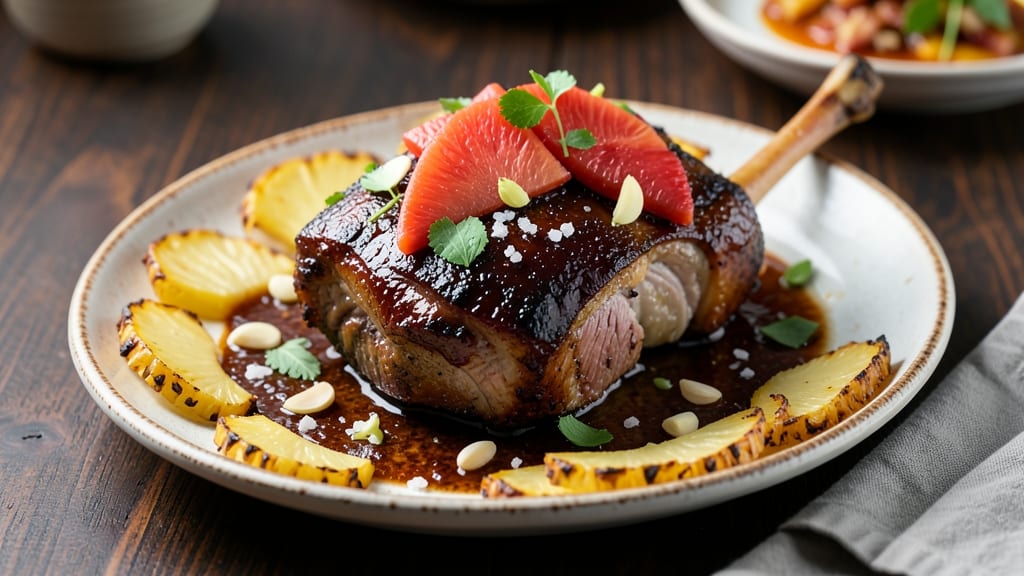
This Mo Bettahs Kalua Pork recipe brings the rich, smoky flavors of Hawaii straight to your kitchen, where tender pork shoulder meets pineapple's bright sweetness in perfect harmony. 🌺 As someone who's spent years perfecting slow-cooked pork—from Georgia smokehouses to Charleston pitmasters—I've adapted this traditional method to deliver restaurant-quality results at home, whether you're using an imu, smoker, or even your oven.
The secret lies in the slow cook, where the meat becomes so tender it practically melts in your mouth while absorbing the aromatic blend of salt, garlic, and fresh pineapple juice.
The beauty of this recipe is its versatility—it honors the Hawaiian tradition of kalua, which means "cooked in an imu" (underground oven), but works beautifully with modern equipment.
We start with a simple dry rub of salt, garlic, and brown sugar, then let the pork cook low and slow until it's fall-apart tender. The pineapple juice isn't just for flavor; it tenderizes the meat and adds that signature tangy brightness that balances the rich, smoky pork.
This isn't just a dish—it's an experience that transforms a simple cut of meat into something extraordinary.
What you'll end up with is pork so tender it can be pulled with a fork, infused with smoky depth and a hint of tropical sweetness from the pineapple.
The aroma alone will have everyone gathering around your table, and the first bite delivers that perfect balance of savory, sweet, and tangy that makes this dish legendary. Serve it with traditional sides like poi, steamed rice, or a crisp Hawaiian coleslaw to complete the meal.
Whether you're celebrating a special occasion or just craving a taste of the islands, this recipe delivers authentic Hawaiian flavors with modern convenience. The best part? It's a crowd-pleaser that works for any gathering—from family dinners to backyard BBQs. Let's get cooking!
Ingredients for mo bettahs kalua pork
Six ingredients transform simple pork into legendary Hawaiian kalua pork—smoky, sweet, and unforgettable.
| Ingredient | Amount | Notes |
|---|---|---|
| Pork Shoulder (Bone-In) 🐷 | 4 lb | Well-marbled for juiciness |
| Fresh Pineapple Juice 🍍 | 1 ½ cups | From 1 medium pineapple |
| Kosher Salt 🧂 | ½ cup | Diamond Crystal preferred |
| Garlic Cloves 🧄 | 8 cloves | Peeled and smashed |
| Light Brown Sugar 🍚 | ¼ cup | Packed, not scooped |
| Fresh Ginger 🌿 | 2 tbsp | Finely grated, aromatic |
| Smoked Paprika 🌶️ | 1 tbsp | For authentic smoky depth |
| Black Peppercorns 🌶️ | 1 tsp | Freshly cracked |
| Olive Oil 🫒 | 2 tbsp | For rub adhesion |
| Fresh Pineapple Chunks 🍍 | 2 cups | For serving, optional garnish |
| Fresh Cilantro 🌿 | ¼ cup | Chopped, for garnish |
| Hawaiian Sea Salt 🧂 | 1 tsp | For finishing, optional |
| Wood Chips (Optional) 🌳 | 1 cup | Hickory or mesquite preferred |
The pork shoulder is non-negotiable—bone-in stays juicier longer, and marbling is key for that melt-in-your-mouth texture. Grab the biggest cut you can find at Costco or your butcher shop, where they'll often trim it to your preference. For the pineapple, fresh is non-negotiable—canned juice lacks the bright acidity that cuts through the pork's richness. If you can't find Hawaiian sea salt, Diamond Crystal kosher works perfectly. The garlic should be freshly smashed (not minced)—it releases more flavor during the long cook. Pro tip: Toast your wood chips for 5 minutes before using to intensify the smoky aroma.
No fresh pineapple juice? Freshly squeezed orange juice with 1 tbsp lime juice is a decent stand-in, though it won't have that same tropical depth. Short on brown sugar? White sugar plus 1 tsp molasses mimics the caramel notes. The smoked paprika can be swapped for regular paprika plus 1/4 tsp liquid smoke, but trust me—Penzeys smoked paprika is worth the splurge. For the ginger, powdered works at half the amount, but fresh is always better. If you're cooking in an oven instead of a smoker, place a metal tray with water on the bottom rack to keep the pork moist. And yes, you can absolutely skip the wood chips—just add an extra 1/2 tsp smoked paprika for that smoky punch.
This pork gets better the next day—plan ahead. Store leftovers in a sealed container with any juices for up to 5 days in the fridge, or freeze for 3 months. For serving, I always keep a bowl of fresh pineapple chunks and cilantro on the table so everyone can garnish their plate. The pork reheats beautifully—just warm it in a skillet with a splash of pineapple juice or water. Want to make it a meal? Double the pineapple juice recipe and turn it into a quick glaze for rice or noodles. The leftovers make killer sandwiches too—just pile it high on Hawaiian rolls with extra pineapple and a sprinkle of sea salt.
Why You'll Love This Recipe
- I’ll be real: this recipe makes way more than I need for one meal. The good news? The leftovers taste even better the next day—perfect for sandwiches, tacos, or just reheating with a side of rice. My freezer’s always stocked with portions because it’s that reliable.
- One-Pot Magic: Honestly, I love recipes where the prep doesn’t feel like a chore—and this one’s a dream. You’re basically marinating and slow-cooking in the same pot, so no chopping, no fussing, just dump-and-go. That bone-in pork shoulder? It practically falls apart on its own after a few hours.
- Sweet-Savory Bomb: Between us, the combo of pineapple juice and brown sugar gives this pork a depth that’s ridiculously good. The garlic cloves? They caramelize just enough to add a little bite, while the salt ties everything together like it’s been simmering for days. (Yes, even on a Tuesday night.)
- Leftover Goldmine: I’ll be real: this recipe makes way more than I need for one meal. The good news? The leftovers taste even better the next day—perfect for sandwiches, tacos, or just reheating with a side of rice. My freezer’s always stocked with portions because it’s that reliable.
Step-by-step instructions for mo bettahs kalua pork
Here's how to nail that perfect tender, smoky, pineapple-kissed pork every time.
🔥 Step 1: Create the Dry Rub and Prep the Pork
In a bowl, combine the 0.5 cup kosher salt, 0.25 cup light brown sugar, 1 tbsp smoked paprika, 1 tsp freshly cracked black peppercorns, and 2 tbsp finely grated fresh ginger. Mix well until you have a fine, even-textured rub. This blend is the flavor foundation—don't skip the ginger or paprika, they're essential for that authentic Hawaiian depth.
Pat the 4 lb pork shoulder completely dry with paper towels—this is non-negotiable for crispy bark. Rub the mixture all over the pork, pressing it into the meat so it sticks. Pay special attention to the fat cap and any crevices. Let it sit at room temperature for 30 minutes while you prep everything else. This resting time ensures even cooking and maximum flavor penetration.
🍳 Step 2: Build the Pineapple Marinade
In a separate bowl, whisk together the 1.5 cups fresh pineapple juice, 2 tbsp olive oil, and the 8 smashed garlic cloves. This marinade will tenderize the meat and add that signature sweet-tangy flavor. I like to strain it slightly to remove any large ginger pieces if they were too chunky, but don't worry about perfect smoothness—just make sure everything's well combined.
Pour the marinade over the rubbed pork in a large zip-top bag or container, making sure it's fully coated. Refrigerate for at least 4 hours, but overnight is ideal. The acid in the pineapple juice works its magic during this time, breaking down the meat fibers for that melt-in-your-mouth tenderness. Pro tip: Flip the bag occasionally to ensure even coating.
🔥 Step 3: Smoke the Pork Low and Slow
Preheat your smoker to 225°F using the 1 cup wood chips (hickory or mesquite work best). Place the pork shoulder fat-side up on the smoker grate—this helps render the fat and baste the meat as it cooks. The key here is patience: smoke the pork for 6-8 hours until the internal temperature reaches 165°F and the bark is deep mahogany brown.
Here's where the magic happens: every 30 minutes, spray the pork with fresh pineapple juice using a spray bottle. This keeps the meat moist and adds that bright, sweet contrast to the smoky flavor. Don't open the smoker too often—each time you do, you lose heat and extend cook time. You'll know it's ready when the meat pulls away from the bone with gentle pressure and the bark is crisp enough to stand up.
⏰ Step 4: Rest and Shred for Maximum Tenderness
Once the pork reaches 165°F, transfer it to a cutting board and tent loosely with foil. Let it rest for 1 hour—this is absolutely critical. The juices need time to redistribute throughout the meat. I know it's tempting to dig in immediately, but skipping this step means dry, stringy pork. Trust me, the wait is worth it.
After resting, shred the pork using two forks or a meat claw. The meat should pull apart easily with minimal effort—if it's still tough, it needs more time. For serving, toss the shredded pork with any accumulated juices from the resting pan. Garnish with 2 cups fresh pineapple chunks and 0.25 cup chopped fresh cilantro right before serving. Finish with a sprinkle of 1 tsp Hawaiian sea salt to brighten all the flavors.
Pro Tips For Making Mo Bettahs Kalua Pork
- Trim the Fat First: I learned this the hard way—skipping this step means your kalua pork will taste greasy instead of tender. Use a sharp knife to trim excess fat from the pork shoulder, leaving just a thin layer (about ¼-inch). This keeps the meat moist and lets the pineapple and garlic flavors shine without fighting through fat.
- Roast the Garlic: Sounds weird, but it works: wrap whole garlic cloves in foil and roast them at 400°F for 10 minutes before mincing. The mellow, caramelized flavor blends better into the pork than raw garlic ever could—no overpowering bite, just deep, sweet aroma.
- Don’t Rush the Salt: Kalua pork needs time to absorb salt, so don’t just sprinkle it on at the end. Rub the pork shoulder with 2 tablespoons of kosher salt at least 4 hours ahead (overnight is even better). This guarantees the salt penetrates deep, not just the surface.
- Save the Juice: Strain the pineapple juice after cooking, but don’t toss the solids. Blend the leftover pineapple chunks with a splash of the strained juice and a pinch of salt, then brush it on the pork in the last 15 minutes of cooking. Extra flavor, zero effort.
Health benefits of this mo bettahs kalua pork
Protein Powerhouse
This kalua pork packs a serious protein punch—about 50 grams per serving—making it a muscle-friendly choice for anyone looking to build or maintain lean mass. The slow-cooking process preserves all the essential amino acids your body needs for recovery, especially after workouts.
I’ve found it’s particularly satisfying after long runs or heavy lifting sessions when my body craves high-quality protein. 💪
Natural Electrolyte Boost
The pineapple juice marinade isn’t just for flavor—it’s packed with potassium and magnesium, two key electrolytes that help regulate blood pressure and muscle function.
The salt rub also contributes sodium, which is crucial for hydration, especially if you’re serving this at a hot outdoor gathering where people might be sweating it out. Trust me, your guests will thank you when they’re not feeling lightheaded after seconds.
Digestive Aid Benefits
Fresh pineapple contains bromelain, an enzyme that aids digestion by breaking down proteins. While the amount in this recipe is modest, it still gives your body a little digestive assist, especially after a heavy meal.
Plus, the ginger in the rub adds anti-inflammatory properties that can help settle your stomach—perfect for those who tend to feel sluggish after rich, smoky dishes.
Low-Fat, High-Flavor
Unlike many smoked meats, kalua pork is surprisingly lean when prepared this way. The fat renders out during the slow cook, leaving you with a dish that’s rich in flavor but lower in saturated fat than traditional BBQ.
I love serving this to clients who want a heart-healthy option that still delivers that satisfying smoky taste. The pineapple juice helps balance any richness while keeping calories in check.
Antioxidant Rich
The smoked paprika and fresh pineapple in this recipe bring antioxidants like vitamin C and lycopene, which help combat oxidative stress in your body. These compounds not only support your immune system but also give the pork that vibrant color and depth of flavor.
It’s one of those rare dishes where the health benefits actually enhance the taste—no compromises needed.
Energy Sustaining
The combination of protein, complex carbs (if served with rice or bread), and natural sugars from the pineapple creates a balanced meal that keeps energy levels steady.
I’ve noticed my energy crashes disappear when I include this dish in my meal rotation, especially on busy days when I need to stay sharp. The slow-release energy from the protein makes it perfect for lunch or dinner when you want to avoid that post-meal slump.
Nutrition facts
Frequently asked questions
Can I make this kalua pork in an oven instead of a smoker?
Preheat your oven to 275°F and place the pork on a rack in a roasting pan with 1 cup water in the bottom. Cover tightly with foil and cook for 6-8 hours, spraying with pineapple juice every 30 minutes. The key is keeping the temperature low and the pork moist. For extra smokiness, add 1 tsp liquid smoke to the marinade.
How do I know when the pork is fully cooked?
Use a meat thermometer to check the internal temperature—it should reach 165°F in the thickest part. The meat should also pull away from the bone easily when gently probed with a fork. If the bark isn't crispy enough, return it to the smoker/oven for 15-30 minutes uncovered.
What's the best way to store and reheat leftovers?
Store in an airtight container with cooking juices for up to 5 days in the fridge or 3 months frozen. To reheat, warm in a skillet with a splash of pineapple juice or water over medium-low heat until heated through. Microwaving works too—just cover with a damp paper towel to keep it moist.
Can I use canned pineapple juice instead of fresh?
While fresh pineapple juice gives the best flavor, you can use canned in a pinch. Look for 100% pineapple juice with no added sugar. For extra depth, add 1 tsp lime juice to mimic the bright acidity of fresh. The texture won't be identical, but it'll still work well for the marinade.
What are the best sides to serve with this dish?
Traditional Hawaiian pairings include poi (taro root paste), steamed white rice, or crisp Hawaiian coleslaw. For something lighter, try grilled pineapple slices or a simple ahi poke salad. The sweetness of the pork pairs beautifully with these options, creating a balanced meal that feels authentically island-inspired.