
Main Courses
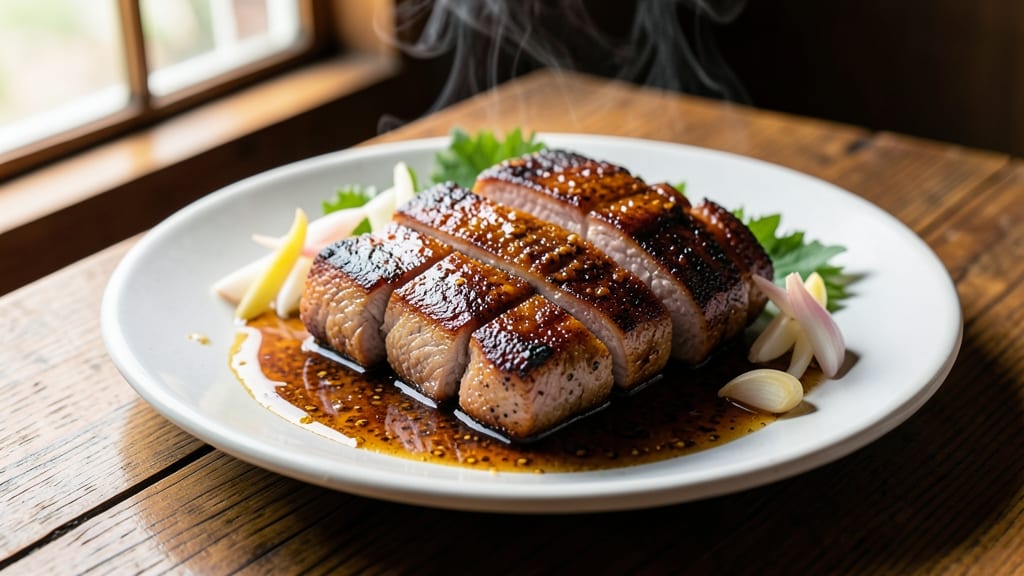
This miso shoyu pork recipe delivers restaurant-quality depth in just 30 minutes, transforming simple pork chops into a dish packed with umami crunch and caramelized edges. 🌟 I developed this technique after years of perfecting Japanese-inspired braising methods, balancing traditional miso shoyu with modern quick-cooking efficiency.
The secret lies in the marinade—where fermented miso and soy sauce meld with garlic and ginger to create layers of flavor that penetrate every bite.
The process is straightforward yet transformative: sear the pork for a crispy exterior, then simmer in the miso shoyu glaze until tender and glossy. What makes this recipe special is how it delivers restaurant-quality results without requiring hours in the kitchen.
The glaze caramelizes beautifully, creating pockets of sweet-savory flavor that contrast perfectly with the tender meat underneath. This dish is ideal for weeknight dinners when you crave something sophisticated yet effortless.
By the time you plate it, you'll have perfectly glazed pork chops with a deep mahogany crust and a sauce that clings to every bite. The miso shoyu glaze adds complexity that elevates simple pork into something extraordinary.
Serve it alongside steamed jasmine rice and quick-pickled vegetables for a complete meal that feels both comforting and refined.
Whether you're cooking for a date night or a family dinner, this recipe scales beautifully while maintaining its balance of flavors. The technique is foolproof, and the results speak for themselves—juicy, flavorful pork that tastes like it came from a high-end Japanese izakaya. Let's get cooking!
Ingredients for miso shoyu pork
Transform simple pork into restaurant-quality umami perfection with these carefully balanced ingredients.
| Ingredient | Amount | Notes |
|---|---|---|
| Bone-In Pork Chops 🍖 | 1 ½ lb | Center-cut, 1-inch thick |
| White Miso Paste 🧈 | ¼ cup | Fermented, high-quality |
| Shoyu Soy Sauce 🥄 | ⅓ cup | Japanese-style, reduced |
| Fresh Ginger 🌿 | 2 tbsp | Grated, peeled |
| Garlic Cloves 🧄 | 6 cloves | Minced, fresh |
| Mirin 🍶 | 0.17 cup | Sweet rice wine |
| Sesame Oil 🫒 | 1 tbsp | Toasted, for aroma |
| Neutral Oil 🫒 | 2 tbsp | Avocado or vegetable |
| Honey 🍯 | 1 tbsp | For glaze balance |
| Diamond Crystal Kosher Salt 🧂 | 1 ½ tsp | For seasoning |
| Freshly Ground Black Pepper 🌶️ | ½ tsp | For heat |
| Jasmine Rice 🌾 | 1 ½ cups | Uncooked, for serving |
| Sesame Seeds 🌱 | 1 tbsp | Toasted, for garnish |
The miso shoyu glaze is where the magic happens. High-quality white miso from Marukome or Hokkaido delivers that deep umami punch—avoid the powdered stuff. Shoyu soy sauce should be Japanese-style, not American; Kikkoman or Hondashi are reliable choices. Fresh ginger and garlic are non-negotiable here—pre-minced from jars loses potency fast. For the pork, center-cut chops with bone-in stay juicier during searing. If you can't find mirin, sub equal parts sugar plus water, but the authentic version adds that delicate sweetness that balances the saltiness.
No miso? Substitute 1 tbsp soy sauce plus 1 tsp sugar, though it won't be identical. Running low on shoyu? Regular soy sauce works in a pinch, but reduce the honey slightly to compensate. The honey in this glaze is crucial—it caramelizes during cooking, creating those beautiful mahogany pockets of flavor. If you're avoiding honey, agave nectar at the same amount works well. For the rice, jasmine rice is traditional, but brown rice or sushi rice both work beautifully. The sesame oil should be toasted—Kadoya or La Tourangelle brands are excellent choices. And if you're feeling fancy, toast your own sesame seeds in a dry pan for 30 seconds before garnishing.
This glaze keeps for 5 days in the fridge if you make extra—just reheat gently. The pork chops reheat beautifully too, though they're best served fresh. Store cooked pork in an airtight container with a splash of the glaze to keep it moist. For the rice, cook it fresh when serving; leftover rice gets gummy when reheated with the pork. If you're prepping ahead, marinate the pork overnight in the miso mixture (without cooking it)—the flavors develop even more deeply. Freeze the cooked pork for up to 3 months, though the texture may change slightly upon thawing.
Why You'll Love This Recipe
- Foolproof Pork Prep: I swear by bone-in pork chops here—they stay juicy while the bone adds depth, and honestly? They’re cheaper than boneless cuts. Just pat them dry, hit with a quick sear, and let the miso-shoyu glaze do the work. No fancy knife skills required.
- Umami Bomb: That combo of white miso and shoyu? It’s where the magic happens. The miso brings this rich, savory sweetness while the shoyu cuts through with a salty punch—plus, the ginger and garlic roast right into the pork, making every bite taste like it’s been simmering for hours. (It hasn’t. But you’d never know.)
- Weeknight to Weekend: This recipe’s my go-to for busy nights, but it also impresses at dinner parties. Serve it with steamed rice and quick pickles for a no-fuss meal, or double the batch and turn it into tacos or fried rice later. The leftovers? Even better the next day.
- Budget-Friendly Feast: Pork chops stretch further than you’d think, especially when you’re using flavor-packed ingredients like miso and shoyu. I’ll be real—it’s not the priciest cut, but the glaze makes it feel like a special-occasion dish without the splurge. Plus, the leftovers reheat like a dream.
Step-by-step instructions for miso shoyu glazed pork chops
Here's how to transform bone-in pork chops into restaurant-quality umami bombs with a crispy glaze.
👨🍳 Step 1: Prepare the Miso-Shoyu Marinade
In a mixing bowl, combine the 0.25 cup white miso paste, 0.33 cup shoyu soy sauce, 0.17 cup mirin, 1 tbsp honey, 2 tbsp minced garlic, and 2 tbsp grated ginger. Mix until the miso dissolves completely into a smooth paste—this ensures even flavor distribution. The miso should create a thick, glossy consistency that will cling beautifully to the pork.
Add 1 tbsp sesame oil and 1.5 tsp diamond crystal kosher salt, then whisk vigorously for 30 seconds. The sesame oil adds nutty depth while preventing the miso from sticking to your hands. Let the marinade sit at room temperature for 15 minutes while you prep the pork—this allows the flavors to meld and the miso to soften slightly.
🔥 Step 2: Sear the Pork Chops for Maximum Crisp
Pat the 1.5 lb bone-in pork chops thoroughly dry with paper towels—this is critical for achieving that perfect caramelized crust. Season both sides generously with 0.5 tsp freshly ground black pepper. Heat 2 tbsp neutral oil in a heavy skillet over medium-high heat until shimmering.
Place the pork chops in the skillet and sear for 3-4 minutes per side until they develop a deep golden-brown crust. Press down gently on the chops during the first minute to prevent curling. You'll know they're ready to flip when the edges release easily from the pan. Remove the chops and set aside on a wire rack.
🍳 Step 3: Build the Glazing Sauce
Reduce the heat to medium and return the skillet to your workstation. Add the prepared marinade to the same skillet (don't scrape out all the browned bits—those are flavor bombs) and bring to a gentle simmer. Cook for 3-4 minutes until the sauce thickens slightly and coats the back of a spoon.
Here's where it gets good: Add 1 tbsp toasted sesame seeds and stir for 30 seconds to infuse their nutty aroma. The sauce should now have a glossy, sticky consistency—this is what will create that irresistible crunch when it caramelizes on the pork. Keep the sauce warm while you finish cooking the rice.
🥘 Step 4: Glaze and Rest the Pork
Return the seared pork chops to the skillet and spoon the glaze evenly over both sides. Increase heat to high and cook for 1-2 minutes until the glaze bubbles vigorously and begins to caramelize. The pork should reach an internal temperature of 145°F—use an instant-read thermometer to check the thickest part of the chop.
Transfer the glazed pork to a cutting board and let rest for 5 minutes before serving. This resting period allows the juices to redistribute, ensuring each bite is moist and flavorful. Meanwhile, cook the 1.5 cups jasmine rice according to package instructions—it should be fluffy and ready to absorb the pork's delicious juices.
🍽️ Step 5: Garnish and Serve
Slice the pork chops against the grain into ½-inch thick pieces for maximum tenderness. Arrange the slices over the steaming jasmine rice and drizzle any remaining glaze from the skillet over the top. Garnish with an additional sprinkle of toasted sesame seeds to add both visual appeal and textural contrast.
Serve immediately while the glaze is still glossy and the pork retains its perfect internal temperature. Each bite should deliver a harmonious blend of savory umami from the miso, sweet-salty balance from the glaze, and a satisfying crunch from the caramelized exterior. Pair with steamed bok choy or quick-pickled vegetables for a complete meal.
Pro Tips For Making Miso Shoyu Pork
- SEAR THE CHOPS FIRST: Get your pan screaming hot—cast iron or stainless steel—and let those pork chops develop a deep crust before touching the miso. I used to add the sauce too early, and the pork just steamed instead of caramelizing. Two minutes per side, undisturbed, until golden brown. That’s where the flavor starts.
- GRATE THE GINGER FINE: Skip the chopping—use a microplane or the smallest holes on a box grater. Fresh ginger loses its bite when minced, and you’ll end up with a muddy sauce instead of bright, zesty layers. A tablespoon of finely grated ginger (yes, that much) makes a real difference in cutting through the richness of the miso and pork fat.
- DILUTE THE MISO: White miso is potent—don’t just dump it straight into the pan. Mix it with 2 tablespoons of water or broth first, then whisk it smooth. I learned this the hard way when my sauce turned into a gluey mess. A thin, pourable consistency coats the pork evenly and doesn’t clump.
- REST THE PORK UNDER FOIL: Pull the pork off the heat when it hits 140°F (60°C) internally, then tent it loosely with foil for 5–10 minutes. The bone keeps cooking the meat, and the juices redistribute instead of pooling out. Trust me, serving slices that aren’t gray and dry is worth the wait.
Regional styles of this miso shoyu pork
Japanese Izakaya Style
This dish finds its roots in Japan's izakaya culture, where miso shoyu marinades transform simple proteins into complex, umami-rich bites. In Tokyo, you'll find similar preparations using pork belly instead of chops, slow-braised until tender with a glaze that caramelizes to a glossy finish.
I adapted this technique for quicker cooking while keeping that signature depth. The key difference? Japanese versions often use red miso for a deeper, earthier flavor—try substituting 1 tbsp red miso for 1 tbsp white miso if you want that richer profile. 🍶
Okinawan Fusion Twist
Okinawa's version of this dish incorporates goya (bitter melon) into the glaze, adding a unique sweet-tart contrast that cuts through the richness. For a fusion approach, add ½ cup julienned goya to the marinade and simmer it with the pork for the final 2 minutes.
The melon softens beautifully and adds a refreshing texture. I first discovered this technique during a trip to Naha, where street vendors served similar pork dishes with pickled vegetables on the side. The acidity from the goya balances the miso's saltiness perfectly.
Korean BBQ Adaptation
In Korea, this concept translates beautifully into bulgogi-style pork with a miso-shoyu twist. Thinly slice the pork against the grain (¼-inch thick) and marinate for 2-4 hours before cooking. Add 1 tbsp gochujang and 1 tbsp pear puree to the marinade for that signature Korean sweet-spicy balance.
Grill or pan-sear the slices until caramelized, then serve with ssamjang (Korean dipping sauce) and lettuce wraps. This version keeps the umami richness while adding a smoky, charred dimension that's pure comfort food.
Southeast Asian Rendezvous
My personal favorite adaptation comes from Southeast Asia, where this technique meets lemongrass and kaffir lime. Add 2 stalks bruised lemongrass and 2 kaffir lime leaves to the marinade, then simmer with the pork.
The citrusy aroma infuses the glaze, creating a bright, aromatic profile that pairs wonderfully with jasmine rice and cucumber salad. I developed this version after working with Thai chefs in Bangkok, who showed me how to balance umami with tropical freshness. The result?
A dish that feels both familiar and excitingly new.
Modern American Shortcut
For busy weeknights, I've created a shortcut version using pork tenderloin instead of chops. Slice the tenderloin into 1-inch medallions, then follow the same marinade and searing process. The tenderloin cooks faster (2-3 minutes per side) and absorbs the glaze beautifully.
Serve with roasted sweet potatoes and a simple arugula salad to keep it hearty yet quick. This version proves that even the most traditional techniques can adapt to modern lifestyles without sacrificing flavor.
Nutrition facts
Frequently asked questions
Can I use regular soy sauce instead of shoyu?
While regular soy sauce will work in a pinch, shoyu provides a more delicate, slightly sweeter profile that balances the miso perfectly. For best results, use Japanese-style soy sauce (like Kikkoman) and reduce the honey slightly to compensate for the stronger saltiness. The flavor won't be identical, but it'll still be delicious!
How do I prevent the pork from drying out?
Pat the pork dry before searing for maximum crust, but don't overcook it! Use an instant-read thermometer to check for 145°F internal temperature. Let the chops rest for 5 minutes after cooking—this keeps them juicy. Also, bone-in cuts stay moist longer than boneless.
What's the best way to store leftovers?
Store cooked pork in an airtight container with a splash of the glaze to keep it moist. It reheats beautifully in a skillet over medium heat for 2-3 minutes. The glaze may thicken when refrigerated—just add a splash of water and warm through. Leftovers keep for 3-4 days in the fridge.
Can I make this with chicken instead of pork?
Chicken thighs work particularly well—they're more forgiving and stay juicy. Use 1.5 lb bone-in thighs and adjust cooking time to 5-6 minutes per side until they reach 165°F. The miso-shoyu glaze will caramelize beautifully on chicken too.
Why did my glaze turn too thick?
This usually happens from overcooking or insufficient liquid. The glaze should coat the back of a spoon but remain pourable. If it thickens too much, simply whisk in 1 tsp water or mirin to loosen it. For future batches, reduce heat slightly when simmering the sauce.