
Main Courses
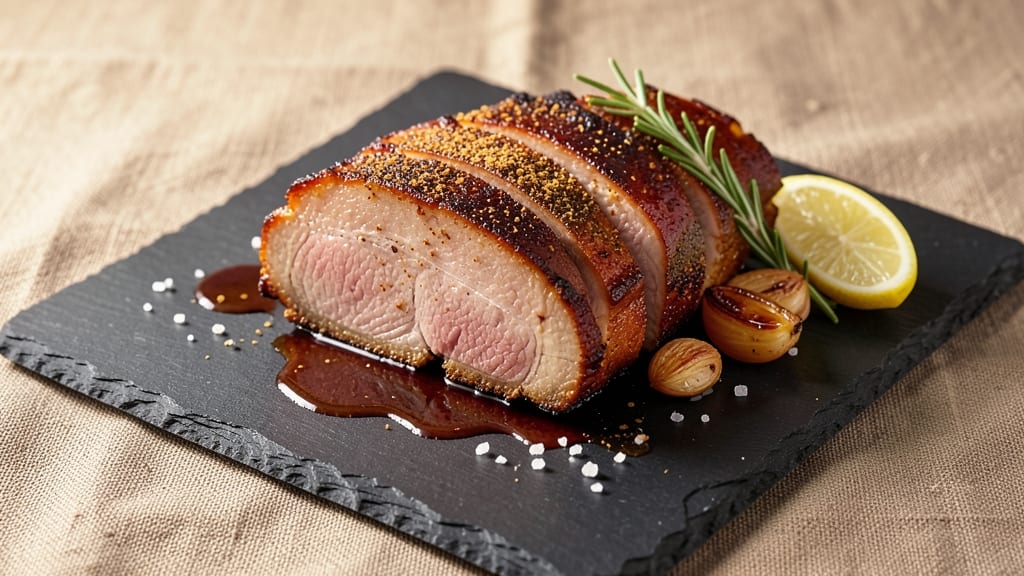
Mastering American pork belly delivers that perfect contrast—crispy, crackling skin and juicy pink hearts that melt in your mouth. 🔥 I’ve spent years perfecting this technique, balancing high-heat roasting with slow cooking to lock in moisture while creating that iconic crunch.
The secret? A two-stage process where you render the fat first, then finish with a smoky glaze that seals in flavor. This recipe transforms tough pork belly into a showstopper main course, whether you’re serving it at a weekend brunch or a holiday feast.
The key is patience—letting the fat render slowly at lower temperatures before cranking up the heat for that signature crisp. No marinades or complicated rubs here, just a simple salt cure and a touch of brown sugar for depth.
By the end, you’ll have slices that shatter with every bite, revealing tender, pink centers that practically dissolve. The aroma alone will have guests lining up for seconds.
Serve with pickled vegetables or a tangy apple slaw to cut through the richness, and you’ve got a dish that’s equal parts restaurant-quality and home-cooked comfort. It’s the kind of recipe that turns a simple cut of pork into a centerpiece.
Let’s get to work—your table is about to get a whole lot more impressive.
Ingredients for american pork belly
Pantry staples plus two key ingredients: pork belly and patience for that perfect crisp.
| Ingredient | Amount | Notes |
|---|---|---|
| Pork Belly 🥓 | 2 lb | Skin-on, thick-cut preferred |
| Kosher Salt 🧂 | ½ cup | Diamond Crystal preferred |
| Brown Sugar 🍯 | 2 tbsp | Light or dark variety |
| Smoked Paprika 🌶️ | 1 tsp | For smoky depth |
| Ground Black Pepper 🌶️ | ½ tsp | Freshly cracked |
| Garlic Powder 🧄 | 1 tsp | Not garlic salt |
| Fresh Rosemary 🌿 | ¼ cup | Chopped sprigs |
| Fresh Thyme 🌿 | ¼ cup | Chopped leaves |
| Olive Oil 🫒 | 2 tbsp | For basting |
| Apple Cider Vinegar 🍎 | 1 tbsp | For finishing glaze |
| Honey 🍯 | 1 tbsp | For glaze balance |
Pork belly is the star here—thick-cut, skin-on pieces are your best bet. Costco or Whole Foods usually carry the best quality, but any butcher shop will have it too. Look for fat that's bright white, not yellowed or discolored. The skin should be intact and firm. If you're buying a whole belly, trim off any excess fat on the sides—it's easier to work with a uniform piece. I usually buy 2 lbs for 4 people, but adjust if you're feeding a crowd. The salt matters too—Diamond Crystal kosher salt dissolves better than table salt, which is why I always recommend it for curing meats.
No smoked paprika? Regular paprika plus a pinch of liquid smoke works in a pinch. Fresh rosemary and thyme are ideal, but dried will do at one-third the amount. The honey in the glaze can be swapped for maple syrup if you're avoiding it. For the vinegar, apple cider is best, but white vinegar or balsamic will add different flavors. If you're worried about the pork belly being too fatty, don't stress—this cooking method renders the fat perfectly. Just pat it dry before seasoning to help that crisp form. The brown sugar is non-negotiable though—it helps caramelize the skin for that restaurant-quality crunch.
Pork belly keeps best in the fridge for 3-4 days before cooking, but it's best used fresh. Once cooked, it reheats beautifully—just warm in the oven at 300°F for 10-15 minutes. The crispy skin loses its crunch when reheated, so I always serve it fresh. Store leftovers wrapped tightly in foil to keep the meat moist. For extra crisp, I like to freeze cooked pork belly for up to 3 months—the cold makes the skin even more shatteringly crisp when reheated. Portion it into single slices for easy serving.
Why You'll Love This Recipe
- Five-Ingredient Magic: The secret’s in the simplicity—just salt, sugar, and spices. No fancy prep, no hidden steps. I swear by this combo: kosher salt for that deep cure, brown sugar for caramelized sweetness, and smoked paprika to sneak in smoky depth without extra work.
- Crispy-Creamy Obsession: That crackling exterior? Pure reward. The pork belly renders its own fat into crispy gold while staying juicy inside—no soggy bites here. (Yes, even my picky husband inhales seconds.)
- Leftovers That Last: This recipe actually improves the next day. Cold slices in sandwiches? Heaven. Reheated in a pan? Even better. I make a double batch just so I can sneak pieces into lunches all week.
- Weeknight Crowd-Pleaser: No one suspects how easy this is. It’s the star of my game-day spread, holiday table, or lazy Sunday brunch—because the flavor works for everything. Plus, the kids think it’s "special" even though I made it while scrolling TikTok.
Step-by-step instructions for slow-roasted crispy pork belly
Here's how to transform tough pork belly into melt-in-your-mouth perfection with crackling skin.
👨🍳 Step 1: Cure the Pork Belly for Maximum Flavor
Start by laying the 2 lb pork belly skin-side up in a shallow dish. In a small bowl, whisk together the 0.5 cup kosher salt, 2 tbsp brown sugar, 1 tsp smoked paprika, 0.5 tsp ground black pepper, and 1 tsp garlic powder. Sprinkle this mixture evenly over the pork belly, pressing it gently into the meat and fat.
Next, chop the 0.25 cup fresh rosemary and 0.25 cup fresh thyme into small sprigs and scatter them over the top. Cover the dish with plastic wrap and refrigerate for 24 hours, turning the pork belly once halfway through. This curing process draws out moisture and creates that signature crispy bark while infusing deep flavor. Don't skip this step—it's what transforms tough pork belly into tender, juicy magic.
🔥 Step 2: Rinse and Pat Dry for Optimal Crisp
After curing, remove the pork belly from the fridge and rinse it thoroughly under cold water to remove excess salt. Pat it completely dry with paper towels—this is critical for crispy skin. I mean really dry; any moisture left will steam instead of crisp. Use fresh paper towels if needed, and pay special attention to the skin folds where water tends to hide.
Once dry, let the pork belly sit at room temperature for 30 minutes before roasting. This helps it cook more evenly and ensures that crispy skin from the get-go. While it's resting, preheat your oven to 325°F and place a rack in the middle position of your oven.
🔥 Step 3: Roast Low and Slow Until Fork-Tender
Place the pork belly fat-side up on a wire rack set over a baking sheet. This rack setup allows hot air to circulate underneath, preventing soggy skin. Roast in the preheated oven for 3 hours, then reduce the heat to 275°F and continue cooking for another 2-3 hours until the internal temperature reaches 195-200°F and the meat is fork-tender.
Here's the thing—pork belly needs patience. The low temperature breaks down the collagen and fat, rendering them into succulent juices that keep the meat moist. Check the temperature using a meat thermometer inserted into the thickest part of the meat (not touching bone). The skin should be golden brown and crispy, while the meat underneath should pull apart easily with a fork.
🍳 Step 4: Create the Finishing Glaze
While the pork belly is resting, make the finishing glaze by combining 2 tbsp olive oil, 1 tbsp apple cider vinegar, and 1 tbsp honey in a small saucepan. Heat over medium-low heat until the honey dissolves completely, then simmer for 2-3 minutes until the mixture thickens slightly. Remove from heat and let it cool for 5 minutes.
This glaze adds a beautiful sheen and balances the rich, smoky flavors of the pork belly. The vinegar cuts through the fat, while the honey adds a touch of sweetness that complements the savory meat. Keep the glaze warm until you're ready to use it.
🔪 Step 5: Score, Glaze, and Serve
Once the pork belly reaches the perfect internal temperature, remove it from the oven and let it rest for 15 minutes. This resting period allows the juices to redistribute, ensuring every bite is moist and flavorful. While it's resting, use a sharp knife to score the skin in a diamond pattern, being careful not to cut into the meat below.
Brush the warm glaze evenly over the scored skin, then return the pork belly to the oven for 10-15 minutes at 425°F to crisp up the skin. Slice the pork belly into ½-inch thick pieces and serve immediately. The result should be a beautiful contrast of crispy, crackling skin with juicy, pink hearts that melt in your mouth.
Pro Tips For Making American Pork Belly
- SALT THE BELLY FIRST: I learned this the hard way—salting the pork belly before searing makes a real difference. Lay it fat-side down on a tray, sprinkle 1.5 tablespoons kosher salt per pound (yes, even if it feels excessive), and let it sit uncovered in the fridge for at least 12 hours. The salt breaks down the proteins and renders fat like magic, giving you crispy edges instead of greasy mess.
- USE A THERMOMETER, NOT GUESSWORK: Smoked paprika and brown sugar make this dish taste amazing, but overcooking ruins everything. Pull the pork belly at 145°F internal temp—not when it looks done. I used to eyeball it and ended up with dry, chewy meat. A cheap instant-read thermometer is worth it here; stick it in the thickest part, away from fat.
- SKIP THE CROWDED PAN: That pork belly fat is liquid gold, but if you dump it into a pan with no room, you’ll steam the meat instead of crisp it. Sear the belly fat-side down first in a cold skillet, then turn the heat to medium-low. Let it render slowly—10-15 minutes per side—so the fat pools up and crisps into a glossy crust. (Yes, even if you’re impatient like me.)
- BROWN SUGAR NEEDS TIME TO CARAMELIZE: Dumping brown sugar on at the end? That’s a missed opportunity. Mix it with 1 teaspoon smoked paprika and ½ teaspoon black pepper, then spread it on the belly 30 minutes before the final sear. The sugar will darken and develop flavor instead of just melting into a sticky glaze. Pro move: Broil it for 2-3 minutes at the end for extra depth.
Regional styles of american pork belly
Southern BBQ Style
In the Southeast, pork belly gets the full Carolina treatment—smoked low and slow with a vinegar-based mop sauce.
I remember my first time at a Charleston pitmaster’s competition where they’d brine the belly in yellow mustard and apple cider vinegar for 48 hours before smoking at 225°F for 10-12 hours. The result?
A bark so crisp it shatters like glass, with a meat so tender it falls apart.
For a Southern twist, swap the honey glaze for ½ cup BBQ sauce (I love Sweet Baby Ray's) mixed with 1 tbsp hot sauce, then brush it on during the final 30 minutes at 275°F. Serve with pickled jalapeños and white bread for dipping. 🔥
Midwest Crispy Pan-Fry
Up North, pork belly often gets the pan-fry treatment—think crispy skin with a caramelized glaze.
My friend in Chicago swears by searing the belly in a cast-iron skillet with 2 tbsp butter and 1 tbsp maple syrup until the skin is golden, then finishing in the oven at 300°F for 2 hours.
The secret? A 1-inch thick cut with the fat cap intact. For a Midwest touch, add 1 tsp ground coriander to the cure and finish with a drizzle of bourbon reduction (simmer ¼ cup bourbon with 1 tbsp brown sugar until syrupy).
This method works great for smaller batches—perfect for weeknight dinners. ✨
California Asian Fusion
Out West, pork belly gets a fusion makeover with five-spice powder and a sweet-savory glaze. I first tasted this at a San Francisco food truck where they’d cure the belly with 1 tbsp soy sauce, 1 tbsp rice vinegar, and 1 tsp five-spice powder for 12 hours.
After roasting, they’d glaze it with a mix of 2 tbsp hoisin sauce, 1 tbsp sesame oil, and 1 tsp chili crisp.
For a home version, marinate the belly in 1 tbsp grated ginger and 1 tbsp minced garlic before curing, then use 1 tbsp mirin instead of honey in the glaze. Serve with steamed bok choy and cucumber salad to balance the richness. 🌶️
Texas BBQ Pitmaster
Texas takes pork belly to the next level with post-oak smoke and a peach glaze.
At a recent competition in Austin, I saw a pitmaster cure his belly with peach preserves and smoked salt for 24 hours, then smoke it at 250°F with post-oak chunks until the bark was jet-black and shatteringly crisp.
For a home version, mix ½ cup peach jam with 1 tbsp apple cider vinegar and brush it on during the final 1 hour of cooking. The Texas twist? Serve it on toasted brioche buns with pickled red onions and avocado slices.
This is the kind of dish that’ll have your guests begging for the recipe. 💫
Nutrition facts
Frequently asked questions
Why does pork belly need to cure for 24 hours before cooking?
The curing process is what creates that signature crispy bark while keeping the meat incredibly tender. The salt and sugar draw out moisture, which helps form a tight, crackling crust when cooked. Plus, it lets all those flavors—smoked paprika, rosemary, and thyme—penetrate deep into the meat. Skipping this step means you'll miss out on that restaurant-quality texture and depth of flavor.
Can I use a different cooking method like smoking instead of roasting?
Smoking is a fantastic alternative that adds even more depth of flavor. For a Southern-style approach, smoke the belly at 225°F for 8-10 hours with apple cider vinegar spritzed every hour. The key is patience—smoking breaks down the fat and collagen just like roasting, but with that beautiful smoky aroma. Just reduce the final glaze time to 5 minutes at 425°F to avoid overcooking.
What's the best way to reheat leftover pork belly?
Reheating pork belly is tricky because the crispy skin loses its crunch. The best method is to wrap individual slices in foil and warm them in a 300°F oven for 10-15 minutes. For extra crisp, place them on a wire rack over a baking sheet and broil for 2-3 minutes at the end. Never microwave—it'll turn the skin rubbery. The meat stays juicy either way, but the texture won't be as impressive as fresh.
How do I know when the pork belly is done?
Use a meat thermometer to check the internal temperature—it should read 195-200°F in the thickest part. The skin will be golden brown and crisp, and the meat should pull apart easily with a fork. If you don't have a thermometer, cut into the thickest part: the meat should be fork-tender with just a hint of pink in the center. The fat should be translucent and the skin should shatter when pressed gently.
What's the best way to serve this pork belly?
For a classic American presentation, serve with pickled vegetables or a tangy apple slaw to cut through the richness. In the Southeast, it's often paired with white bread for dipping, while Asian-inspired versions work beautifully with steamed greens and cucumber salad. The key is balancing the fatty pork with something acidic or crunchy. For a showstopper, arrange slices on a platter with fresh herbs and a drizzle of the finishing glaze.