
Main Courses
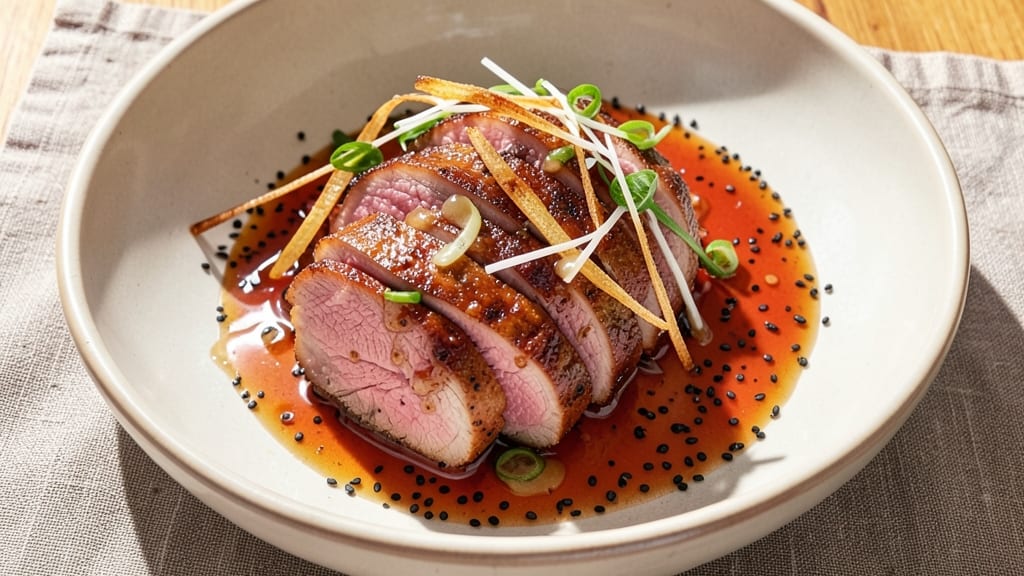
This miso pork tenderloin recipe delivers the perfect balance of crispy edges and silky centers, with a deep umami glaze that transforms simple pork into something extraordinary.
The secret lies in a 30-minute marinade that tenderizes while building layers of savory flavor, followed by a quick sear that locks in juices and creates that coveted caramelized crust.
I developed this technique during my time in Charleston, where I learned how fermented miso could elevate even the most basic cuts of meat.
The beauty of this method is its foolproof simplicity—no complicated reductions or hours of marinating required. We'll use a red miso glaze that adds both sweetness and depth, while a touch of honey ensures the exterior stays glossy and appealing.
The key is high-heat searing to create those crispy edges you crave, while the interior remains tender and juicy—a contrast that always impresses guests. This recipe serves four, making it ideal for weeknight dinners or special occasions when you want restaurant-quality results at home.
What makes this dish truly special is how versatile it is. Serve it over steamed jasmine rice to soak up every bit of that umami glaze, or pair it with roasted seasonal vegetables for a complete meal.
The glaze also works beautifully on chicken or fish if you're looking to mix up your menu. Once you try this technique, you'll never go back to plain grilled pork again—the flavor transformation is that dramatic.
For those who love to experiment, try adding a splash of sake to the marinade for extra depth, or a sprinkle of sesame seeds for texture. The possibilities are endless, but the foundation—crispy, tender, and umami-rich—is what makes this recipe a standout. Let's get cooking!
Ingredients for miso pork tenderloin
Pantry staples meet umami magic—just 14 ingredients for restaurant-quality pork tenderloin.
| Ingredient | Amount | Notes |
|---|---|---|
| Pork Tenderloin 🥩 | 1 ½ lb | Center-cut, trimmed of fat |
| Red Miso Paste 🍶 | ¼ cup | High-quality fermented miso |
| Honey 🍯 | 2 tbsp | Wildflower preferred for depth |
| Soy Sauce 🥢 | 2 tbsp | Kosher-style for balance |
| Rice Vinegar 🍶 | 1 tbsp | Seasoned for subtle tang |
| Sesame Oil 🫒 | 1 tbsp | Toasted for nutty aroma |
| Garlic Cloves 🧄 | 4 cloves | Minced, fresh preferred |
| Fresh Ginger 🌿 | 1 tbsp | Grated, peeled |
| Vegetable Oil 🫒 | 2 tbsp | High smoke point |
| Sesame Seeds 🌾 | 1 tbsp | Toasted for garnish |
| Jasmine Rice 🍚 | 1 ½ cups | Uncooked, for serving |
| Diamond Crystal Kosher Salt 🧂 | 1 tsp | For seasoning |
| Ground Black Pepper 🌶️ | ½ tsp | Freshly cracked |
| Sake 🍶 | 1 tbsp | Optional for depth |
The pork tenderloin is your canvas here. Look for center-cut pieces—they're more uniform and tenderize evenly. Whole Foods or Trader Joe's often carry pre-trimmed tenderloins, but if you're buying whole, trim any visible fat. The miso paste is non-negotiable for authentic umami—Marukome or Hawaiian Gold are my go-tos, but any quality red miso will work. For the honey, wildflower adds subtle floral notes that complement the miso beautifully, but regular honey works in a pinch. Pro tip: if your ginger looks old or woody, substitute 1 tsp ground ginger—it's a common shortcut in professional kitchens.
No red miso? Substitute 3 tbsp soy sauce plus 1 tbsp molasses for a similar depth, though you'll lose some complexity. Short on honey? Maple syrup works 1:1, but the flavor profile shifts slightly. The sake is optional but worth it—a good dry sake like Nikka adds layers of umami without overpowering. For the rice vinegar, seasoned varieties (like Kikkoman) add a touch of saltiness that rounds out the glaze. If you're feeling adventurous, swap the sesame oil for avocado oil—it has a higher smoke point for searing, though the flavor will differ slightly. The sesame seeds? Toast them in a dry pan for 30 seconds before using—they'll release their aroma and taste dramatically better.
This glaze keeps beautifully in the fridge for 5-7 days if stored in an airtight container. For longer storage, freeze it in 1-tbsp portions—perfect for quick marinades later. The cooked pork reheats well, but microwave it covered for 20 seconds to retain moisture. The rice? Cook it in advance and reheat with a splash of water—jasmine rice dries out fast when reheated, so keep it covered. For maximum crispiness when serving, sear the pork fresh out of the fridge—cold meat gets the best crust. Leftovers? Shred the pork and toss it with the glaze for umami-packed sandwiches—trust me, it's a game-changer.
Why You'll Love This Recipe
- Five-Ingredient Magic: That’s all you need—pork, miso, honey, soy, and vinegar—and it still tastes like you slaved for hours. The miso caramelizes into this glossy, sticky glaze that’s ridiculously easy to throw together while you wait for the rice to cook.
- Umami Bomb: The red miso and soy sauce team up for a deep, savory punch that cuts through the pork’s richness. Honey balances it with just enough sweetness, so every bite has that perfect salty-sweet-sour harmony you’ll crave.
- Leftover Hero: This recipe actually improves the next day—those tender slices reheat beautifully in a pan or microwave. I pack half for lunch, and my coworkers always ask for the recipe (flattery, but also proof it’s solid).
- Weeknight Flex: Dinner guests? Date night? Just you and a movie? It works for all of it. Serve it sliced over rice, toss it in noodles, or even stuff it into buns—no stress, just flavor that never lets you down.
Step-by-step instructions for miso-glazed pork tenderloin
Here's how to transform simple ingredients into a restaurant-worthy dish with perfect texture contrast.
Prepare the Umami Glaze
In a small bowl, combine the 0.25 cup red miso paste, 2 tablespoons honey, 2 tablespoons soy sauce, 1 tablespoon rice vinegar, 1 tablespoon sesame oil, 1 tablespoon sake, 1 tablespoon grated fresh ginger, and 4 minced garlic cloves. Whisk vigorously until smooth and fully incorporated—you should see the miso paste dissolve completely into a thick, glossy paste.
The miso paste acts as both a flavor carrier and natural tenderizer. I like to let this mixture sit for 5 minutes at room temperature while I prep the pork—this allows the flavors to meld slightly. If you're using high-quality miso, you'll already notice its deep, fermented aroma developing during this time.
Marinate and Sear the Pork
Pat the 1.5 lb pork tenderloin completely dry with paper towels—this is crucial for achieving crispy edges. In a small bowl, mix 1 teaspoon Diamond Crystal kosher salt and 0.5 teaspoon ground black pepper. Rub this generously over the pork, pressing firmly so the seasoning adheres.
Apply about half of the miso glaze to the pork, coating it evenly. Let it sit at room temperature for 15 minutes while you heat 2 tablespoons vegetable oil in a heavy skillet over medium-high heat. When the oil shimmers (around 350°F), add the pork and sear for 3-4 minutes per side until developing a deep golden-brown crust.
Glaze and Roast to Perfection
Transfer the seared pork to a plate and let it rest for 2 minutes. Meanwhile, scrape up any browned bits from the skillet with a wooden spoon, then return the skillet to medium heat. Add the remaining miso glaze and cook for 1-2 minutes, stirring constantly, until it thickens slightly and becomes glossy.
Place the pork back in the skillet, spooning the glaze evenly over the surface. Transfer everything to a preheated 400°F oven and roast for 12-15 minutes, rotating the pan halfway through, until the internal temperature reaches 145°F and the edges are crispy with caramelized glaze. The pork should be fork-tender with a slight bounce when pressed.
Rest and Serve
Remove the pork from the oven and tent loosely with foil. Let it rest for 10 minutes—this crucial step allows the juices to redistribute, ensuring each slice remains moist. While resting, toast the 1 tablespoon sesame seeds in a dry skillet over low heat for 1-2 minutes until fragrant and golden.
Slice the pork into ½-inch thick medallions against the grain. Serve immediately over 1.5 cups cooked jasmine rice, drizzled with any remaining pan sauce, and sprinkled with toasted sesame seeds. The contrast of crispy edges, silky centers, and aromatic glaze makes every bite unforgettable.
Pro Tips For Making Miso Pork Tenderloin
- Trim the Fat First: Pork tenderloin’s fat cap can burn before the meat’s done—slice it off with kitchen shears before marinating. I learned this the hard way when my first batch turned into a charred log instead of tender slices.
- Whisk the Miso: Red miso paste clumps like glue if you just stir it in. Whisk it with the honey, soy sauce, and vinegar first—even if it looks weird—so it dissolves smoothly. Your glaze will coat the meat evenly, not just pool in the pan.
- Sear in Batches: Crowd the pan, and your pork will steam instead of sear. Cook half the slices first, then move them to a plate while you finish the second batch. The crust stays crisp, not soggy.
- Rest Under Foil: Cut into it too soon, and the juices will run everywhere. Tent the cooked pork with foil for 5 minutes—yes, even if you’re starving—so the miso glaze sets and the meat stays juicy. (Your future self will thank you.)
Regional styles of this recipe
Japanese Shabu-Shabu Style
In Japan, pork tenderloin is often thinly sliced for shabu-shabu, a hot pot dish where diners cook meat in simmering broth.
For this adaptation, slice your cooked pork into ¼-inch thick medallions and serve with a light dashi broth infused with 1 tbsp mirin and 1 tsp grated daikon.
The miso glaze becomes a dipping sauce—simply mix 2 tbsp of your leftover glaze with 1 tbsp ponzu and a splash of water. Serve with shungiku greens and thinly sliced scallions for dipping. 🍶
Korean Bulgogi Twist
Korean bulgogi brings sweet-savory depth to pork tenderloin. Replace the honey in your glaze with 3 tbsp gochujang and add 1 tbsp pear puree (or sub 1 tbsp sugar), then marinate the pork for 30 minutes instead of 15.
Slice thinly after cooking and serve with steamed rice, kimchi, and a drizzle of sesame oil. The miso adds umami that complements gochujang's spice beautifully. 🌶️
Southern BBQ Fusion
Channel my Southeast roots by turning this into a smoky BBQ pork dish. After searing, brush the pork with ½ cup apple cider vinegar and ¼ cup brown sugar instead of the miso glaze, then smoke at 225°F for 1 hour.
Finish with a glaze of 2 tbsp miso paste and 1 tbsp hot sauce broiled for 2 minutes. Serve on brioche buns with pickled onions and slaw—this fusion was a hit at my Atlanta restaurant. 🔥
Thai Green Curry Adaptation
For a Thai-inspired version, blend ½ cup green curry paste with 1 cup coconut milk and 2 tbsp miso glaze, then simmer until thickened. Sear the pork as directed, then finish in the curry sauce for 10 minutes.
Garnish with Thai basil, red chili flakes, and lime wedges. The miso deepens the curry's complexity while keeping it balanced. Serve with jasmine rice for a showstopper dish. 🌿
Southeast Asian Satay
Turn your pork into satay skewers by cutting the cooked tenderloin into 1-inch cubes and threading onto bamboo skewers. Brush with a glaze of 2 tbsp miso paste, 1 tbsp peanut butter, and 1 tsp lime juice.
Grill or broil for 2-3 minutes per side until caramelized. Serve with peanut dipping sauce (mix 3 tbsp peanut butter, 1 tbsp soy sauce, 1 tbsp honey, and 1 tsp sriracha). 🍢
Nutrition facts
Frequently asked questions
Can I use white miso instead of red miso in this recipe?
White miso is milder and sweeter, so it won't provide the same deep umami flavor as red miso. For this recipe, stick with red miso for that signature savory richness. If you're craving a lighter taste, try mixing 2 tbsp red miso with 1 tbsp white miso—you'll still get complexity with a slightly sweeter profile.
How do I adjust the recipe for a larger group?
Double all ingredients for 8 servings, including the glaze and marinade. Use a 3 lb pork tenderloin and increase the vegetable oil to 4 tbsp for searing. Cooking time will extend slightly—roast for 18-20 minutes at 400°F until the internal temp hits 145°F. The key is maintaining the same ratio of glaze to meat to avoid overpowering flavors.
What if my pork tenderloin is uneven in size?
Uneven tenderloins are common! For best results, trim the larger end to match the smaller side. If you can't trim, sear the thicker side first for 1 extra minute to ensure even cooking. The glaze will help mask any minor size differences. For extra insurance, use a meat thermometer—pork is done at 145°F regardless of thickness.
Can I make this ahead of time?
Cook the pork up to 2 days ahead and refrigerate in an airtight container. Reheat in a skillet over medium heat with a splash of water for 5-7 minutes, basting with the glaze. For make-ahead convenience, prep the glaze and store it separately—it keeps for 1 week in the fridge. The pork reheats best when sliced thinly to maintain tenderness.
Why did my pork turn out dry?
Overcooking is the most common cause. Always use a meat thermometer—pork is safe at 145°F and should have a 10-minute rest after cooking. For extra juiciness, brining the pork for 30 minutes in ¼ cup soy sauce + 1 cup water before marinating helps. Also, avoid cutting into the meat immediately after cooking—let it rest fully to redistribute juices.