
Main Courses
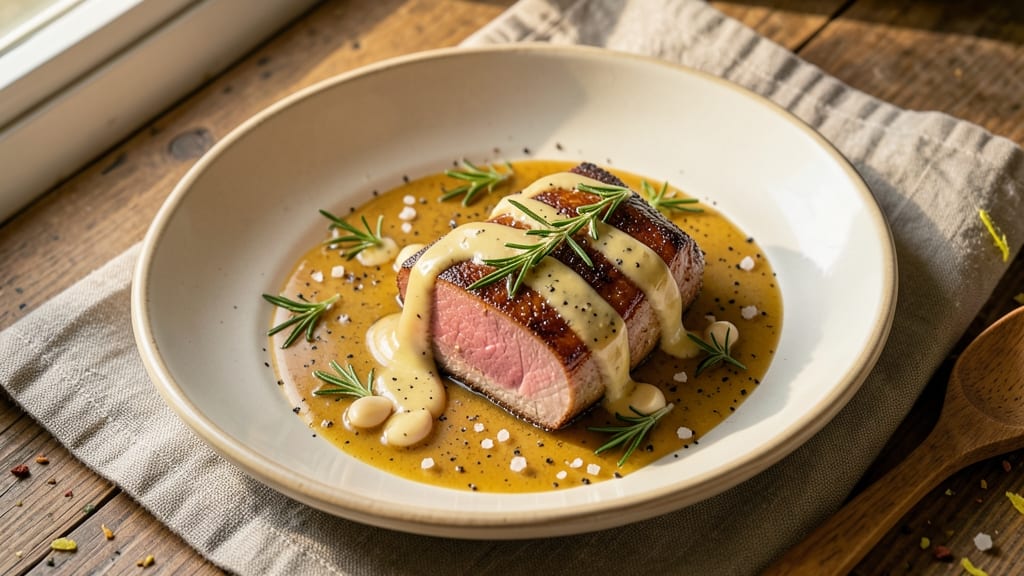
This 1.5 lb pork tenderloin recipe delivers restaurant-quality results with a perfect balance of herb-buttered crust and a juicy pink center—exactly what you need for a weeknight dinner that feels like a special occasion. I've cooked pork tenderloin for years, and this method guarantees tender, flavorful meat every time without overcomplicating the process. The secret lies in proper seasoning and precise cooking temperatures to maintain that ideal doneness.
What sets this recipe apart is the combination of a simple herb butter that creates a flavorful crust while keeping the interior moist. We start with a dry brine to enhance tenderness, then sear the pork in a hot pan to lock in juices before finishing in the oven.
This method ensures tender meat with a crisp exterior, and it only takes about 30 minutes from start to finish—ideal for busy weeknights.
The result is a perfectly cooked pork tenderloin with a golden-brown crust and a juicy, pink center that's impossible to resist. The herb butter adds layers of flavor without overwhelming the natural taste of the meat, making it versatile enough to pair with almost any side dish.
Whether you're serving it with roasted vegetables, mashed potatoes, or a fresh salad, this recipe delivers consistent, professional-quality results.
This approach is perfect for home cooks who want restaurant-quality pork without the fuss. The recipe includes clear instructions for achieving the perfect internal temperature of 145°F, along with tips for resting the meat to ensure maximum juiciness.
Serve with your favorite sides and enjoy a meal that's both impressive and satisfying.
Ingredients for 1.5 lb pork tenderloin
The perfect blend of tender pork and aromatic herb butter transforms a simple weeknight meal into a restaurant-worthy experience.
| Ingredient | Amount | Notes |
|---|---|---|
| Pork Tenderloin 🥩 | 1 ½ lb | Center-cut for even cooking |
| Unsalted Butter 🧈 | ½ cup | Cold, cut into 1-inch pieces |
| Fresh Rosemary 🌿 | ¼ cup | Finely chopped, stems removed |
| Fresh Thyme Leaves 🌿 | ¼ cup | Packed, stems removed |
| Garlic Cloves 🧄 | 6 cloves | Minced, fresh preferred |
| Diamond Crystal Kosher Salt 🧂 | 1 ½ tbsp | For dry brine |
| Ground Black Pepper 🌶️ | 1 tsp | Freshly cracked |
| Olive Oil 🫒 | 2 tbsp | For searing |
| Fresh Parsley 🌿 | ⅛ cup | Chopped, for garnish |
| Lemon Juice 🍋 | 1 tbsp | Freshly squeezed |
| Fresh Sage Leaves 🌿 | ⅛ cup | Finely chopped |
The pork tenderloin is the star—look for a center-cut piece with even thickness for consistent cooking. Costco or Whole Foods carry excellent quality, but your local butcher will have the freshest cuts. For the herb butter, unsalted butter is non-negotiable (salted throws off the seasoning balance). Fresh herbs make all the difference—Trader Joe's sells pre-chopped rosemary and thyme if you're short on time, but I always grab whole sprigs to chop myself. The garlic should be fresh, plump cloves—none of that jarred minced stuff. Pro tip: Let the pork sit at room temperature for 20 minutes before cooking to ensure even searing.
No fresh rosemary? Dried works at half the amount, but it won't have that same vibrant aroma. Short on thyme? Oregano or marjoram can step in, though the flavor profile shifts slightly. Running out of butter? Olive oil or ghee keeps the crust crisp, though butter gives that unmatched richness. The lemon juice is optional but brightens the dish beautifully—skip it if you're serving with a citrusy side like roasted lemons. For the dry brine, Diamond Crystal kosher salt dissolves perfectly, but any light salt will work. The parsley garnish is just for looks, but those fresh leaves add a pop of color that makes the dish feel special. If you're prepping ahead, make the herb butter up to 2 days early and store it chilled.
This pork keeps best at room temperature for 30 minutes after cooking—resting is crucial for juiciness. For leftovers, wrap tightly in foil and refrigerate for up to 3 days, though it reheats best from cold (microwave with a damp paper towel for 2-3 minutes). The herb butter crust reheats beautifully—broil for 2-3 minutes if you want to revive that golden crunch. Portion into single-serving containers for easy lunches. Freeze for up to 3 months if you're planning ahead, but thaw overnight in the fridge to maintain texture. The secret to restaurant-quality results? Don't overcook—pull it at 145°F internal temp and let it rest.
Why You'll Love This Recipe
- No-Fuss Roast: I swear by this one—just sear the pork, toss in the butter, rosemary, and thyme, then let the oven do the work. No basting, no fussing, no stress. The butter bastes itself while it roasts, and honestly? That’s half the battle won.
- Herb-Crisped Magic: That crispy skin with the tender inside? It’s all in the garlic and herbs—minced thyme and rosemary tucked under the butter, garlic cloves cracked right on top. Every bite has this bright, aromatic punch that makes it taste like you slaved over it (but you didn’t).
- Weeknight to Dinner Party: Same prep, different vibes. Serve it sliced with roasted potatoes for a Tuesday night win, or carve it for guests and call it elegant. The butter and herbs give it that restaurant-worthy feel without the pretension.
- Leftovers That Don’t Suck: Roast a 1.5 lb tenderloin, and you’ll have enough for sandwiches, salads, or even a quick stir-fry the next day. The flavor only gets better as it rests—no sad, dry leftovers here. Just reliable, delicious pork that won’t go to waste.
Step-by-step instructions for herb-buttered pan-seared pork tenderloin
This method delivers a perfectly seared exterior with an impossibly tender, juicy pink center every time.
Prepare the Herb Butter Compound
In a small bowl, combine the 0.5 cup unsalted butter, 0.25 cup finely chopped fresh rosemary, 0.25 cup packed fresh thyme leaves, 6 minced garlic cloves, 1.5 tablespoons Diamond Crystal kosher salt, and 1 teaspoon freshly cracked ground black pepper. Mix thoroughly until the herbs are evenly distributed throughout the butter.
Here's the thing—chilling this mixture is crucial. Spread it out on parchment paper and refrigerate for at least 30 minutes until firm but still pliable. This cold butter will create a flavorful crust while keeping the pork moist. If you're short on time, freeze it for 15 minutes before using, but don't let it get rock hard or it'll be difficult to work with.
Dry Brine the Pork Tenderloin
Pat the 1.5 lb pork tenderloin completely dry with paper towels—this step can't be skipped. Moisture is the enemy of a good sear. Place the tenderloin on a wire rack set over a baking sheet and refrigerate uncovered for 1-2 hours. This dry brine process creates a perfect crust while keeping the interior juicy.
You'll know it's ready when the surface looks matte and dry. I like to do this while the herb butter chills, so both components are ready simultaneously. Pro tip: if you're in a hurry, you can dry brine for 30 minutes at room temperature, but the longer you wait, the better the results.
Sear the Pork to Golden Perfection
Heat a large oven-safe skillet over medium-high heat until smoking hot. Add the 2 tablespoons olive oil and swirl to coat the bottom evenly. Place the pork tenderloin in the skillet and sear for 3-4 minutes per side until the exterior develops a deep golden-brown crust. Press down gently on the fillet during the first minute—this prevents it from curling and ensures even contact with the pan.
Here's where it gets fun: after searing, reduce heat to medium and add the chilled herb butter compound. Tilt the pan slightly and spoon the melted butter over the pork, basting it generously for 1-2 minutes until the butter bubbles and coats the meat. The butter should sizzle but not burn—watch it carefully. This basting step is what creates that signature herb-buttered crust we're after.
Finish in the Oven for Even Cooking
Transfer the skillet to a 400°F preheated oven and roast for 12-15 minutes for medium-rare (internal temperature 140°F) or 15-18 minutes for medium (145°F). The pork is done when it reaches your desired doneness and the internal temperature is 5°F below your target—it'll rise as it rests.
Don't cut into it yet. Remove from the oven and tent loosely with foil. Let it rest for 10 minutes—this resting period is what transforms good pork into exceptional pork. The juices redistribute throughout the meat instead of pooling and running out when you cut. I know it's hard to wait when it smells this good, but trust me on this.
Garnish and Serve with Confidence
After resting, transfer the pork to a cutting board and slice it into ½-inch thick medallions. Drizzle with the 1 tablespoon freshly squeezed lemon juice and sprinkle generously with the 0.125 cup chopped fresh parsley and 0.125 cup finely chopped fresh sage leaves. The acidity from the lemon brightens all those rich herb flavors while the fresh herbs add a pop of color and freshness.
Serve immediately with your favorite sides—roasted vegetables, mashed potatoes, or a simple arugula salad. Each bite should deliver that perfect combination of crispy, golden crust and impossibly tender, juicy pink center. This is the kind of pork tenderloin that makes people ask, "What's your secret?"—and now you can tell them exactly how you did it.
Pro Tips For Making 1.5 Lb Pork Tenderloin
- Trim the Fat Pockets: Pork tenderloins often hide little fat pockets that can turn to grease instead of flavor. Use kitchen shears to snip these out before seasoning—it’s faster than scraping and keeps your butter from getting soggy later.
- Sear in Butter, Then Roast: After searing the tenderloin in half the butter (about 3 tablespoons), transfer it to a roasting pan with the remaining butter, herbs, and garlic. The butter pools at the bottom will baste the meat as it cooks, making it juicier than just roasting dry.
- Skip the Overcrowded Pan: If you’re roasting, resist the urge to add other veggies or potatoes to the same pan. They’ll steam the pork instead of letting it brown. Use a separate tray for sides—your tenderloin will stay crisp on the outside.
- Rest Under Foil: After pulling it from the oven at 145°F, tent the tenderloin loosely with foil and let it sit for 5-10 minutes. This traps heat and keeps it from drying out while you finish the pan sauce—no one wants a slice that falls apart at the table.
Perfect pairings for this recipe
Classic Southern Sides
Nothing complements this herb-buttered pork like creamy mac and cheese—the rich, cheesy sauce soaks up the pork's juices beautifully. I love using sharp cheddar and Gruyère for depth, then topping with crispy fried onions for texture.
Another Southern staple is collard greens slow-cooked with smoked bacon and a splash of apple cider vinegar—the tang cuts through the pork's richness perfectly. 🥗
Fresh Spring Vegetables
For lighter options, asparagus roasted with lemon zest and garlic brings bright acidity that balances the pork's herby crust.
Toss ½-inch asparagus spears with 2 tablespoons olive oil, 1 teaspoon lemon zest, 2 minced garlic cloves, and ½ teaspoon red pepper flakes, then roast at 425°F for 12 minutes.
A spring pea salad with mint and shaved fennel adds freshness—toss 2 cups peas with ¼ cup mint leaves, ¼ cup fennel, and a light vinaigrette.
Crusty Bread Pairings
Serve with freshly baked crusty bread to soak up those herb butter juices. I love sourdough or brioche—toast slices until golden, then rub with a garlic clove and drizzle with extra virgin olive oil.
For a heartier option, try cheesy cornbread with a touch of honey—the sweetness contrasts the pork's savory notes. A simple tomato and basil salad with balsamic glaze also works wonders.
Beverage Harmony
A crisp Sauvignon Blanc from New Zealand—like Cloudy Bay—pairs perfectly with the herb butter's brightness. The wine's citrus notes echo the lemon garnish while cutting through the richness. For beer lovers, a Belgian witbier such as Hoegaarden brings effervescence and coriander notes that cleanse the palate.
If you prefer something lighter, sparkling lemonade with a rosemary sprig adds a refreshing twist.
Make-Ahead Sides
Prep roasted potatoes ahead—they reheat beautifully. Toss 2 lbs baby potatoes with 2 tablespoons olive oil, 1 teaspoon smoked paprika, and ½ teaspoon salt, then roast at 400°F for 45 minutes. Store in an airtight container for up to 3 days.
For quinoa salad, cook 1 cup quinoa, then mix with ½ cup diced cucumber, ¼ cup crumbled feta, and a lemon-olive oil dressing. Both sides keep well and reheat perfectly.
Nutrition facts
Frequently asked questions
Can I cook this pork tenderloin without an oven?
If you don't have an oven, finish the cooking process on the stovetop. After searing both sides for 3-4 minutes each, reduce heat to medium-low and cover the skillet with a lid. Cook for 10-12 minutes, checking the internal temperature with a meat thermometer. The pork should reach 145°F for medium doneness. Just be sure to baste with the herb butter frequently to prevent drying out.
How do I know when the pork is fully cooked?
Use a meat thermometer to check the internal temperature—it should read 145°F for medium doneness. Insert the probe into the thickest part of the tenderloin, avoiding the bone if present. The thermometer gives you an accurate reading, while visual cues like color can be misleading. For extra assurance, let the pork rest for 10 minutes after removing from heat, as the temperature will rise 5°F during this time.
What if my pork tenderloin is uneven in thickness?
Uneven thickness is common with pork tenderloins. To ensure even cooking, place the thicker end of the tenderloin in the pan first and sear for 1-2 minutes longer on that side. If the thinner end finishes before the thicker portion, transfer it to a warm plate to keep warm while you finish cooking the thicker side. This prevents overcooking the thinner sections while ensuring the entire piece reaches the desired temperature.
Can I make this recipe ahead of time?
You can prep the herb butter up to 2 days ahead and store it in the refrigerator. For the pork itself, cook it completely, then let it cool to room temperature. Wrap it tightly in plastic wrap and refrigerate for up to 3 days. Reheat by placing it in a cold skillet and warming over medium-low heat for 5-7 minutes, basting with a little butter or olive oil to revive the crust. For leftovers, microwave for 2-3 minutes with a damp paper towel covering it.
What's the best way to slice the pork tenderloin?
Slice the pork tenderloin against the grain into ½-inch thick medallions for maximum tenderness. Look for the muscle fibers running lengthwise and cut perpendicular to them. A sharp knife makes all the difference—use a long, serrated blade for cleaner cuts. For presentation, fan the slices slightly on the plate and garnish with fresh herbs and lemon juice right before serving.