
Main Courses
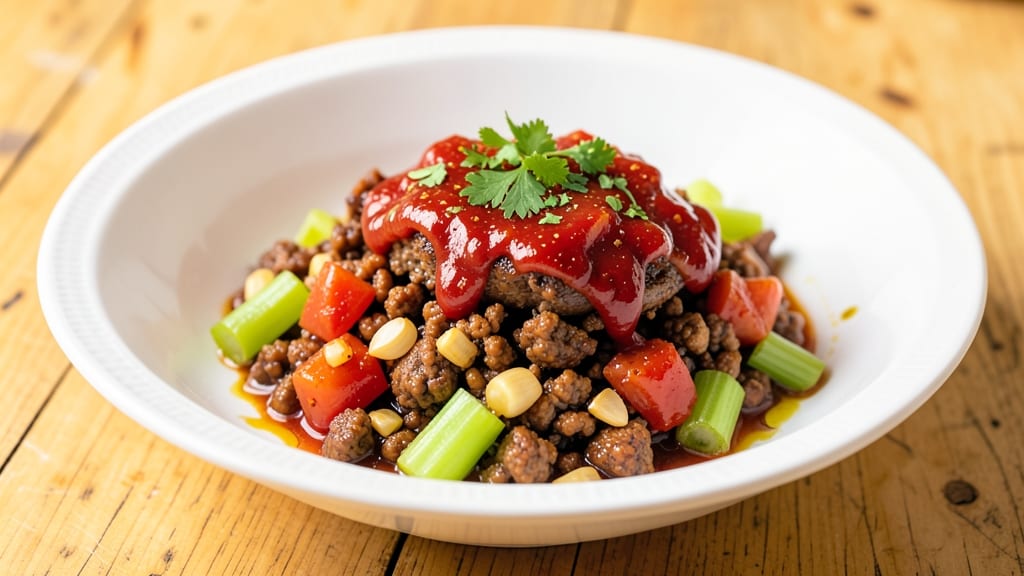
This one-pot minced pork recipe Pinoy brings the heart of Filipino home cooking to your kitchen table. 🌟 My grandmother's handwritten notes for mechado—a classic tomato and celery stew—were the inspiration, and this version simplifies the process without losing that rich, silky sauce that makes every bite unforgettable.
The secret lies in slow simmering the pork until it's tender enough to melt, while the tomatoes and celery develop deep, caramelized flavors.
What makes this recipe special is how it transforms simple ingredients into a restaurant-quality dish with minimal effort. You'll start with ground pork that browns beautifully in the pot, then simmers in a tangy tomato base until the meat is fork-tender and the sauce clings perfectly.
The celery adds that signature Filipino crunch, while garlic and onions build the aromatic foundation. It's the kind of dish that tastes even better the next day, making it perfect for meal prep.
By the time you're done, you'll have a pot filled with tender minced pork swimming in a glossy, slightly sweet-tangy sauce that's just right—neither too thick nor too thin.
The texture is what makes this dish special: silky pork that falls apart easily, balanced by the bright acidity of the tomatoes and the subtle crunch of celery. Serve it over steamed rice, and you've got a complete meal that's comforting, satisfying, and full of homey flavors.
This recipe works beautifully as a weeknight dinner or for gatherings, and the leftovers reheat perfectly. For extra authenticity, pair it with atchara (pickled papaya) or a simple green salad.
The one-pot method ensures easy cleanup, so you can spend more time enjoying the meal and less time scrubbing pots. Let's get cooking!
Ingredients for minced pork recipe pinoy
Simple ingredients that transform into a restaurant-quality Filipino comfort dish.
| Ingredient | Amount | Notes |
|---|---|---|
| Ground Pork 🐖 | 1 ½ lb | 80% lean for best texture |
| Onions 🧅 | 2 whole | Yellow or white, diced |
| Garlic Cloves 🧄 | 6 cloves | Minced for aromatic base |
| Celery Stalks 🥬 | 3 whole | Diced, for signature crunch |
| Canned Tomatoes 🍅 | 2 cans | 14.5 oz each, crushed by hand |
| Tomato Sauce 🍅 | 1 cup | Canned, for silky texture |
| White Vinegar 💧 | 2 tbsp | For tangy brightness |
| Sugar 🍚 | 1 tbsp | Balances acidity |
| Salt 🧂 | 1 ½ tsp | Kosher or sea salt |
| Black Pepper 🌶️ | ½ tsp | Freshly ground preferred |
| Bay Leaves 🌿 | 2 whole | For deep flavor infusion |
| Olive Oil 🫒 | 2 tbsp | For browning pork |
| All-Purpose Flour 🌾 | 1 tbsp | For thickening sauce |
| Green Onions 🧅 | 2 whole | Sliced, for garnish |
The ground pork is the star—look for 80% lean at the meat counter for that perfect melt-in-your-mouth texture. Trader Joe's and Costco often have it pre-packaged, but the butcher section at your local grocery store usually has better quality. If you can't find ground pork, substitute ground beef but reduce the cooking time slightly. The celery is non-negotiable for that authentic Filipino crunch—use the stringy kind you'd normally skip for soups. For the tomatoes, San Marzano cans make all the difference, but any good-quality crushed tomatoes work in a pinch. I always buy extra because they're so versatile.
No vinegar? A splash of lemon juice works just as well. Running short on sugar? Honey or brown sugar are great swaps—they'll deepen the sauce's caramel notes. Fresh bay leaves are ideal, but if you only have dried, use half the amount. The flour is just for thickening at the end—don't skip it, but don't overdo it either. For extra richness, some cooks add a splash of soy sauce or a pinch of ground black pepper at the end. The green onions are purely decorative but add that final pop of color that makes the dish feel complete.
This sauce gets better with time—3-4 days in the fridge is perfect. Portion it into containers with a layer of olive oil on top to preserve freshness. Freezes beautifully for up to 3 months, though the texture might change slightly. I always make double batches because the leftovers reheat into an even more flavorful meal. Store the celery separately if you're prepping ahead—it keeps its crunch better that way. Serve over steamed rice, and you've got a weeknight dinner that feels like a celebration.
Why You'll Love This Recipe
- One-Pot Magic: I swear by this recipe—just brown the pork, toss in the onions, garlic, and celery, then let the canned tomatoes simmer. No extra pans, no fuss, and the house smells like home by the time it’s done.
- Savory Soul: That caramelized pork with the sweet-tart tomatoes? It’s the kind of flavor that makes you pause mid-bite. The garlic and onions mellow into something rich, while the celery adds a fresh crunch that keeps it bright.
- Weeknight Workhorse: Between us, this feeds a crowd or stretches into leftovers without breaking a sweat. Double the batch, freeze half, and you’ve got a ready-made meal for lazy days. (Yes, even on a Tuesday night.)
- Budget Hero: Ground pork’s affordable, and the rest of the ingredients? Pantry staples. I’ve made this for under $10 for six servings—no splurges, just good food that doesn’t skimp on taste.
Step-by-step instructions for one-pot silky tomato and celery minced pork
This classic Filipino dish comes together in one pot with rich, velvety sauce.
🍳 Step 1: Sear the Ground Pork Until Browned
Heat the 2 tablespoons olive oil in a large, deep skillet or Dutch oven over medium-high heat. Add the 1.5 lb ground pork and break it apart with a wooden spoon, letting it sizzle undisturbed for 3-4 minutes until it loses its raw color and begins to brown.
Here's the thing—don't rush this step. You want the pork to develop a deep, caramelized crust that will infuse the sauce with incredible depth of flavor. Once the pork is nicely browned, use a wooden spoon to break it into smaller pieces, about the size of small peas. This ensures even cooking and better texture in your final dish.
👨🍳 Step 2: Sauté the Aromatic Vegetables
Add the 2 whole diced onions, 6 minced garlic cloves, and 3 diced celery stalks to the skillet. Stir everything together and cook for 5-6 minutes until the onions become translucent and the celery softens slightly. You'll notice the kitchen filling with that wonderful aromatic steam—this is where all the magic begins.
I like to press down gently on the vegetables with the spoon during the first minute or two. This helps them break down faster and releases more flavor into the pork. Once they're softened, you're ready to add the tomatoes and build your sauce.
🥘 Step 3: Build the Tomato Sauce Base
Pour in the 2 cans crushed canned tomatoes, 1 cup tomato sauce, 2 tablespoons white vinegar, 1 tablespoon sugar, 1.5 teaspoons salt, and 0.5 teaspoon black pepper. Add the 2 whole bay leaves and stir everything together thoroughly. Bring the mixture to a gentle boil over medium heat, then reduce the heat to low and let it simmer uncovered for 20-25 minutes.
This simmering time is crucial. You want the sauce to thicken and develop a rich, velvety consistency. Stir occasionally to prevent sticking, and if the sauce reduces too quickly, add 2-3 tablespoons of water to maintain the proper texture. The bay leaves will infuse the sauce with their earthy aroma, so don't forget to remove them before serving.
🍳 Step 4: Thicken the Sauce with Flour
In a small bowl, mix the 1 tablespoon all-purpose flour with 2 tablespoons water to create a smooth paste. Once the sauce has simmered for 20 minutes and has thickened slightly, remove the skillet from heat and stir in the flour slurry. Return the skillet to the stove over low heat and cook for another 5-7 minutes, stirring constantly, until the sauce reaches your desired thickness.
This flour slurry acts as a natural thickener, giving your minced pork that signature silky texture. If you prefer a slightly thinner sauce, you can add a splash more water at this stage. The sauce should coat the back of a spoon but still be smooth and glossy—not gluey or pasty.
🍽️ Step 5: Finish and Garnish
Once the sauce has reached the perfect consistency, remove the skillet from heat and let it cool slightly for 2-3 minutes. Discard the bay leaves and give the mixture one final taste, adjusting the seasoning if needed. The dish should be well-balanced with sweet, tangy, and savory flavors.
Garnish with the 2 sliced green onions and serve hot with steamed rice. The green onions add a fresh, bright contrast to the rich, savory pork. This one-pot wonder delivers all the comforting flavors of home cooking with minimal cleanup—just what you want for a satisfying family meal.
Pro Tips For Making Minced Pork Recipe Pinoy
- Brown the Pork First: I learned this the hard way—skipping the initial sear means your minced pork will taste raw and greasy no matter how long you simmer. Cook the pork over medium-high heat until it loses its pink color (about 5-7 minutes), stirring often. This step builds flavor that canned tomatoes alone can’t match.
- Slice Celery Thin: Does it look weird? Yes. Does it work? Every single time. Thinly sliced celery (almost like matchsticks) softens faster and blends into the sauce instead of turning to mush. Use a sharp knife and cut against the grain—this is the thing that matters most for texture.
- Deglaze with Tomato Juice: After browning the pork, don’t just add water or soy sauce. Pour in ¼ cup of the canned tomato juice (strained from the tomatoes) to scrape up the fond. This adds depth instantly—it’s the shortcut that makes a real difference when you’re short on time.
- Don’t Overmix the Tomatoes: Once you add the canned tomatoes, stir just enough to combine. Overmixing turns the sauce into a thick paste and releases bitterness. Let it simmer uncovered for 10 minutes—this lets the flavors meld without turning into glue. (Your future self will thank you.)
Common mistakes when making perfect results
Overcooking the Pork
I've learned the hard way that minced pork needs gentle handling—overcooking turns it rubbery and dry. The moment the pork reaches 160°F internal temperature, it's done. Keep an eye on it after adding the tomatoes; simmering too long after that can break down the meat's texture.
I now set a timer for 20 minutes after the sauce starts boiling to avoid this. 🌡️
Skipping the Browning Step
That initial sear isn't just for flavor—it's the foundation of your dish. When I first tried this recipe, I rushed through browning the pork, and the final sauce lacked depth. Take your time here: let the pork brown 3-4 minutes undisturbed until deeply caramelized.
This creates the Maillard reaction that builds complex flavors. Trust me, your taste buds will thank you.
Ignoring the Celery
Celery isn't just a vegetable—it's the secret to authentic Filipino flavor. Some recipes skip it, but that's a mistake. The celery's subtle bitterness balances the sweetness of the tomatoes and adds that signature crunch.
Use 3 stalks diced into ¼-inch pieces—don't chop them too fine or they'll disappear into the sauce. I've tried versions without celery, and while they're still good, they just don't feel complete. 🥬
Rushing the Simmering Time
This isn't a dish you can rush. The sauce needs 20-25 minutes of gentle simmering to develop its velvety texture. I once tried cutting this to 10 minutes for a quick meal, and the sauce was watery and bland.
The tomatoes need time to break down and meld with the pork's flavors. If you're short on time, at least simmer for 15 minutes—it makes a noticeable difference.
Using Low-Quality Tomatoes
Not all tomatoes are created equal. I've made this dish with cheap canned tomatoes, and while it was edible, it lacked that rich, complex flavor. Invest in San Marzano tomatoes if you can—they're sweeter and less acidic, which balances perfectly with the vinegar.
If you're using regular crushed tomatoes, look for brands with minimal additives. The difference in flavor is worth the extra cost. 🍅
Forgetting to Taste as You Go
This is where most home cooks go wrong. I used to add all the seasonings at once and then wonder why the dish tasted flat. Instead, taste the sauce after adding the tomatoes, then again after simmering.
Adjust the vinegar, sugar, or salt as needed. The sauce should be balanced—slightly sweet, tangy, and savory. Don't be afraid to make small adjustments; that's how you perfect the flavor. 💡
Nutrition facts
Frequently asked questions
Can I substitute ground beef for the minced pork?
Yes, but there are a few adjustments. Ground beef works well, but reduce the cooking time by about 5 minutes since it browns faster. For extra richness, use 80% lean beef and add 1 teaspoon soy sauce to the sauce for deeper umami flavor. The texture will be slightly firmer than pork, but still delicious.
How do I make this recipe spicier?
Add ½ teaspoon ground black pepper and 1-2 tablespoons chopped chili peppers (like siling labuyo) when sautéing the aromatics. For heat control, remove the chili seeds first. You can also stir in ½ teaspoon chili flakes at the end. Start with less if you're sensitive to spice—it's easy to adjust!
What's the best way to store leftovers?
Let the dish cool completely, then transfer to airtight containers. Store in the fridge for up to 4 days, or freeze for 3 months. For reheating, warm gently on low heat with a splash of water to restore the silky texture. Leftovers actually improve as the flavors meld!
Can I make this in an Instant Pot?
Sauté the pork and vegetables as directed, then add all other ingredients except flour. Pressure cook for 15 minutes, then quick-release. For thickening, mix 1 tbsp cornstarch with 2 tbsp water and stir in at the end. The sauce will be slightly thinner but still delicious.
What sides pair best with this dish?
Steamed white rice is traditional, but you could also serve with garlic fried rice, sautéed string beans, or pinakbet (Filipino mixed vegetable stew). For a modern twist, add a simple green salad with lime dressing to cut through the richness.