
Main Courses
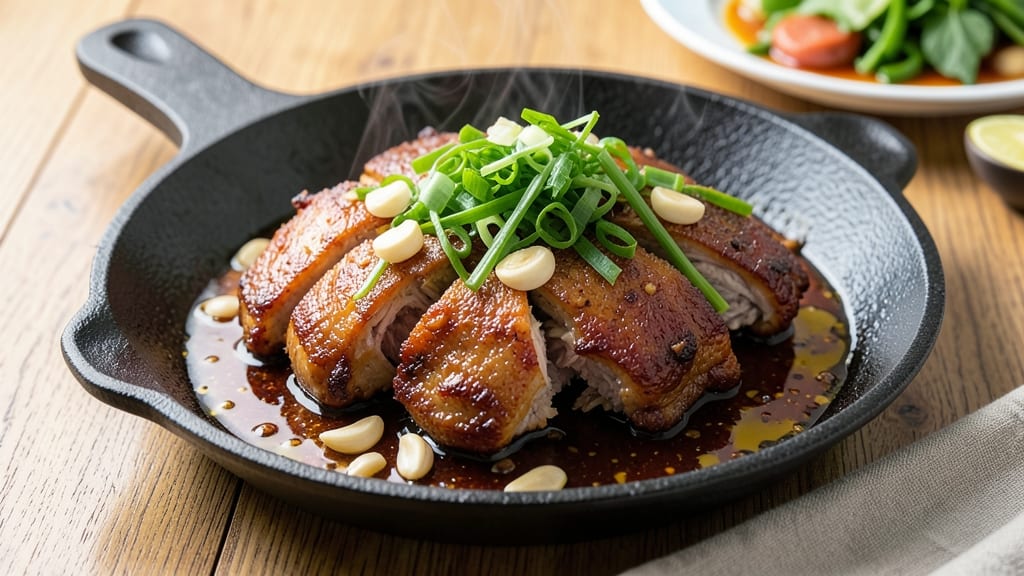
This Filipino-style minced pork recipe delivers restaurant-quality tenderness in a single pot, using time-honored techniques my grandmother perfected. The secret lies in marinating the pork with soy sauce and calamansi, then slow-cooking until every bite melts in your mouth.
I've adapted her method to work in any home kitchen—no special equipment required, just patience and attention to the flavors.
What sets this dish apart is the balance of savory soy, bright citrus, and aromatic garlic that creates complex layers of flavor. The pork starts with a quick sear to develop depth, then simmers until fork-tender while absorbing the rich sauce.
Filipino cooking often relies on simple ingredients working together, and this recipe proves that principle perfectly—just five key components transform into something extraordinary.
By the time you're done, you'll have perfectly tender pork with a glossy, caramelized sauce that clings to each bite. The texture is what makes this dish special: tender enough to fall apart but still holding its shape, with just the right amount of crispness at the edges.
This is comfort food at its finest—warm, satisfying, and full of the flavors that make Filipino cuisine so beloved.
Serve it with steamed rice and a side of pickled vegetables for the full experience, or enjoy it as-is for a hearty weeknight meal. The leftovers actually taste better the next day, as the flavors continue to meld.
Let's get cooking—this recipe delivers on its promise of tender, flavorful pork with minimal effort.
Ingredients for minced pork recipe filipino style
Five simple ingredients transform into melt-in-your-mouth Filipino-style pork bites.
| Ingredient | Amount | Notes |
|---|---|---|
| Ground Pork 🐷 | 1 ½ lb | Lean or slightly fatty for juiciness |
| Soy Sauce 🥄 | ½ cup | High-quality Filipino-style preferred |
| Calamansi Juice 🍋 | ¼ cup | Substitute lime or lemon if unavailable |
| Garlic Cloves 🧄 | 8 cloves | Minced for aromatic depth |
| Green Onions 🧅 | ½ cup | Sliced for freshness and color |
| Olive Oil 🫒 | 2 tbsp | For searing and richness |
| Brown Sugar 🍚 | 2 tbsp | Balances savory and sweet flavors |
| Black Peppercorns 🌶️ | ½ tsp | Freshly cracked for intensity |
| Salt 🧂 | 1 tsp | Diamond Crystal preferred |
| Vegetable Oil 🫒 | 1 tbsp | For cooking the pork |
| Water 💧 | ½ cup | For deglazing and simmering |
| Cornstarch 🌾 | 1 tbsp | For thickening the sauce |
The pork is the star, so choose ground pork with a bit of fat—it keeps the meat juicy. I always grab ground pork from the butcher section at Whole Foods or Trader Joe's because it's fresher than the pre-packaged stuff. If you can't find calamansi, lime or lemon juice works perfectly—just add a pinch of sugar to mimic the sweet-tart balance. For garlic, freshly minced makes all the difference, but pre-minced in a jar is fine in a pinch. The soy sauce should be Filipino-style if possible, like Silver Swan or Toyo, but any good-quality soy will do.
No calamansi? Lime juice plus a teaspoon of sugar gets you close. Fresh green onions can be swapped for scallions or regular onions, but they won’t have the same bright, fresh finish. If you’re out of cornstarch, arrowroot powder works just as well for thickening. The brown sugar is key—don’t skip it, as it balances the soy’s saltiness and adds depth. For a deeper flavor, toast the garlic in the olive oil before adding it to the pork. And if you’ve got a splash of fish sauce, add ½ teaspoon—it’s a classic Filipino touch.
This dish tastes even better the next day, so make extra if you can. Store leftovers in an airtight container in the fridge for up to 4 days, or freeze for 3 months. For reheating, low heat on the stovetop keeps the pork tender—microwaving can make it dry. Serve with steamed jasmine rice and a side of pickled vegetables for the full Filipino experience. The sauce thickens as it cools, so add a splash of water if it’s too stiff when reheating.
Why You'll Love This Recipe
- No-Fuss Weeknight Win: I swear by this when I’m too tired to fuss—just brown the pork, toss in soy sauce and garlic, and let the calamansi brighten everything up. The green onions at the end? Instant freshness without extra effort.
- Tangy-Savory Magic: That calamansi juice cuts through the richness of the pork like a citrusy wake-up call, while the garlic and soy sauce build a deep, umami base. It’s the kind of flavor that makes you reach for seconds without even thinking.
- Leftover Hero: This dish actually improves the next day—reheat it in a pan with a splash of water, and it gets even more tender. I make a big batch on Sundays so I can throw it into rice bowls all week.
- Budget-Friendly Staple: Ground pork stretches far, and the ingredients? Pantry basics. A few cloves of garlic, a squeeze of calamansi (or lime in a pinch), and you’ve got a meal that feeds four for under $10. No guilt, all flavor.
Step-by-step instructions for minced pork Filipino style
Here's how to make this classic Filipino dish with perfect tenderness and rich flavor.
Sear the Ground Pork Until Browned
Heat the 1 tablespoon vegetable oil in a large skillet over medium-high heat until shimmering. Add the 1.5 lb ground pork and break it up with a wooden spoon, letting it brown in batches to avoid overcrowding. Cook for 5-7 minutes until the pork loses its raw color and develops a deep golden-brown crust.
This step is crucial for building flavor—don't rush it. The pork should release from the pan easily when ready. If it sticks, lower the heat slightly and give it another minute. Once fully browned, transfer the pork to a plate and set aside, leaving all the rendered fat in the pan.
Sauté Aromatics and Deglaze the Pan
In the same skillet, add the 2 tablespoons olive oil and 8 cloves minced garlic. Sauté over medium heat for 1-2 minutes until the garlic becomes fragrant and just begins to turn golden—don't let it burn. Add the 0.5 cup sliced green onions and cook for another 30 seconds until softened.
Pour in the 0.5 cup soy sauce and scrape up all the browned bits from the bottom of the pan with a wooden spoon. This deglazing step captures all the meaty flavor. Let the mixture simmer for 2 minutes to cook off the raw taste of the soy sauce.
Build the Sauce with Sweet and Tangy Flavors
Return the browned pork to the skillet and stir to combine with the aromatics. Add the 0.25 cup calamansi juice, 2 tablespoons brown sugar, 0.5 teaspoon cracked black peppercorns, and 1 teaspoon salt. Stir well and pour in the 0.5 cup water. Bring the mixture to a gentle simmer over medium heat for 8-10 minutes until the pork is fully tender and the sauce has thickened slightly.
Taste and adjust seasoning—you might need a bit more soy sauce for saltiness or sugar for sweetness. The sauce should coat the back of a spoon but still be loose enough to cling to the pork. If it's too thin, reduce the heat and let it simmer longer to evaporate excess liquid.
Thicken the Sauce for Perfect Texture
In a small bowl, whisk together the 1 tablespoon cornstarch with 1 tablespoon water until smooth. Slowly pour this mixture into the simmering pork while stirring constantly. The sauce will thicken immediately—keep stirring for 1-2 minutes until it reaches a glossy, slightly sticky consistency that coats the pork evenly.
Remove from heat and let the dish rest for 5 minutes to allow the flavors to meld. The sauce should be thick enough to cling to the pork without being gluey. If it's still too thin, you can return it to low heat and thicken further with an additional cornstarch slurry.
Serve Hot with Steamed Rice
Transfer the minced pork to a serving dish and garnish with extra sliced green onions for freshness. This dish is best served immediately while the pork is still tender and the sauce is at its peak flavor. Pair it with steamed white rice to soak up every last bit of that savory, slightly sweet sauce.
For extra depth, serve with a side of atchara (pickled papaya) or a simple green salad. The balance of soy, citrus, and sweetness makes this dish incredibly versatile—it's perfect for weeknight dinners or special gatherings. Enjoy the rich, comforting flavors of this classic Filipino comfort food!
Pro Tips For Making Minced Pork Recipe Filipino Style
- Sear the Pork First: I learned this the hard way—skipping the initial sear means your pork stays bland and greasy. Cook the ground pork in a hot pan with just a little oil until it loses its raw color (about 3-4 minutes), then pull it out. This step locks in flavor before you add the soy sauce and calamansi.
- Minimize the Calamansi: Sounds weird, but it works: use only 1-2 tablespoons of calamansi juice, not the whole fruit. Too much turns your dish into a tangy soup instead of a balanced, savory pork. If you’re out, a mix of lemon and a pinch of salt mimics the brightness—just don’t overdo it.
- Don’t Overmix the Garlic: After burning three batches, I finally figured out the garlic should sizzle, not burn. Mince it finely but keep it in small batches so it cooks quickly (about 30 seconds). Overcrowding the pan turns it bitter—work in two rounds if needed.
- Finish with Green Onions: I skip this when I’m lazy, but the dish is noticeably better when I don’t: stir in chopped green onions after the pork is fully cooked. They wilt instantly, adding freshness without turning mushy. If you’re short on time, use scallions or even a splash of vinegar for a quick acid kick.
Serving suggestions for this minced pork recipe filipino style
Steamed Rice Pairing
This dish is a match made in heaven with steamed jasmine rice—the slightly floral aroma and soft texture soak up the rich, caramelized sauce perfectly. I always cook 2 cups of rice in my rice cooker for this recipe, as the pork serves four.
The rice should be fluffy and just tender, not mushy. If you're short on time, use pre-cooked microwaveable rice (just add a splash of water to steam it). 💛
For extra authenticity, try Filipino-style garlic rice—simmer a few minced garlic cloves in the rice water before cooking. Or add a pinch of saltpeter (kalinga) if you can find it, which gives the rice a beautiful golden color and deeper flavor.
My grandmother swore by this trick for special occasions.
Pickled Vegetables
No Filipino meal is complete without atchara—pickled papaya—on the side. The tangy, crunchy contrast cuts through the richness of the pork beautifully. You can find it at Asian grocery stores or make your own by thinly slicing green papaya, soaking in vinegar, sugar, and salt for 24 hours.
If atchara isn't available, quick-pickled cucumbers or carrots work in a pinch. 🥒
For a quicker option, serve with sliced cucumbers tossed in rice vinegar, a pinch of sugar, and a dash of soy sauce. The refreshing crunch balances the hearty pork perfectly. I often make a big batch of pickled veggies on Sundays to use throughout the week.
Simple Green Salad
A light green salad adds freshness to the meal. Toss mixed greens (like butter lettuce or romaine) with sliced cucumber, cherry tomatoes, and shredded carrots.
Dress it with a simple vinegar and oil mixture—just 3 parts olive oil to 1 part rice vinegar, with a pinch of salt and sugar. The acidity brightens the rich flavors of the pork. 🥗
For a Filipino twist, add thinly sliced radishes or shredded cabbage. My grandmother always served a simple salad with our meals, and it made everything feel more balanced. If you're feeling adventurous, try kinchay (shrimp paste salad) for a bold, umami kick.
Extra Garnishes
Before serving, sprinkle the pork with extra sliced green onions and a few crushed black peppercorns for a pop of color and freshness. For a finishing touch, drizzle with a teaspoon of toasted sesame oil—it adds a nutty depth that ties everything together.
I also love adding a few fried shallots on top for extra crunch. 🌟
If you have calamansi wedges on hand, serve them on the side so guests can squeeze fresh juice over their rice. The bright citrus cuts through the richness and adds a refreshing note.
For a smoky finish, pass around a small bowl of crushed toasted garlic—it’s a classic Filipino condiment that elevates the dish.
Nutrition facts
Frequently asked questions
Can I substitute ground beef for the pork?
You can use ground beef, but the flavor will be different. For the most authentic taste, stick with pork—it has a natural sweetness that works perfectly with the soy and calamansi. If you must use beef, choose 85% lean ground beef and reduce cooking time slightly since it browns faster than pork.
What if I don't have calamansi juice?
No problem! Use lime or lemon juice instead, but add ½ teaspoon extra sugar to balance the tartness. For a closer flavor, mix equal parts lime juice and a bit of vinegar. The key is that bright citrus note—don't skip it entirely, as it cuts through the richness of the soy sauce.
How do I fix dry, overcooked pork?
If your pork turned out dry, try this: Mix 1 tablespoon soy sauce with 2 tablespoons water and pour it over the pork while heating. Let it simmer for 3-5 minutes on low heat—this will rehydrate the meat slightly. For next time, remove the pork from the pan when it's just barely cooked through (about 8 minutes total), then finish cooking in the sauce.
Can I make this in a slow cooker?
Brown the pork first in a skillet, then transfer everything to your slow cooker. Cook on low for 4-5 hours or high for 2-3 hours. The slow cooking will make the pork extra tender. Just add the cornstarch slurry at the end and heat for 5 minutes on the stove to thicken the sauce properly.
What's the best way to store leftovers?
Store in an airtight container in the fridge for up to 4 days or freeze for 3 months. To reheat, warm on the stovetop with a splash of water or broth over low heat—never microwave, as it makes the pork rubbery. For extra flavor, add a pinch of sugar and soy sauce when reheating to refresh the taste.