
Main Courses
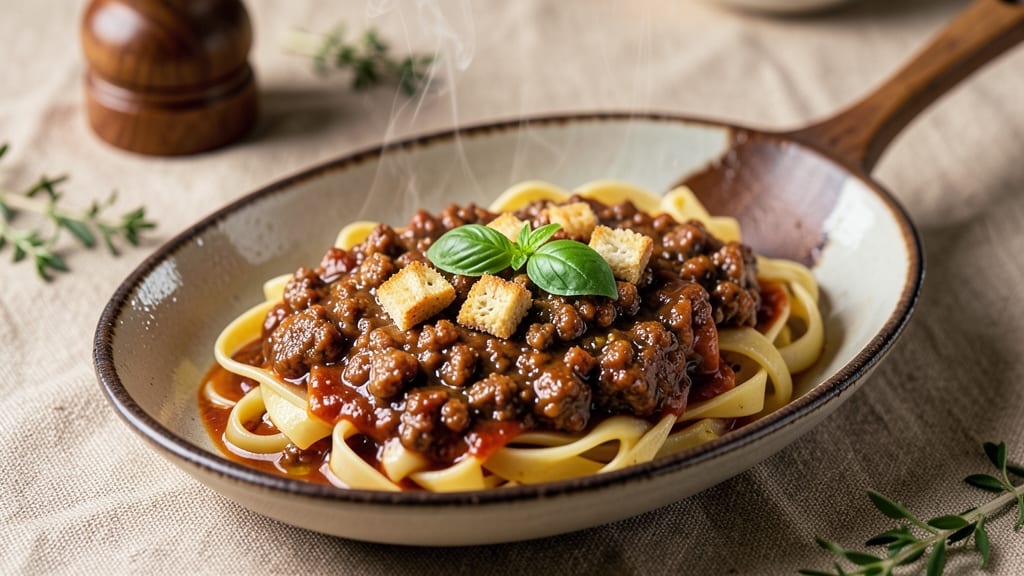
This minced pork ragu recipe transforms humble ingredients into a rich, deeply flavorful sauce that belongs in any Italian restaurant. The secret lies in slow-browning the pork until golden, then layering caramelized onions and tomatoes to build complexity.
I developed this version after years of perfecting ragu techniques in professional kitchens—where the difference between good and exceptional often comes down to patience and proper technique.
The process begins with properly browning the minced pork, which creates a flavorful crust that forms the base of the sauce. We'll then build depth by sautéing onions until deeply caramelized, then adding tomatoes and herbs to create a sauce that's both robust and balanced.
This isn't an instant pot recipe—it requires time, but the results are worth every minute of simmering.
What you'll end up with is a velvety ragu that clings perfectly to pasta, polenta, or crusty bread. The pork remains tender despite the long cooking time, while the onions and tomatoes meld into a sweet-savory sauce.
This is the kind of dish that improves with leftovers, developing even more depth of flavor as it sits.
Perfect for feeding a family or entertaining guests, this ragu pairs beautifully with al dente pappardelle or creamy polenta. The technique I'm sharing has been refined through years of cooking in professional kitchens—where I learned that the best ragu isn't about fancy ingredients, but about proper technique and patience.
Let's get started with this timeless Italian classic.
Ingredients for minced pork ragu
Professional-quality ragu starts with these carefully chosen ingredients—each playing a crucial role in building deep flavor.
| Ingredient | Amount | Notes |
|---|---|---|
| Minced Pork 🥩 | 1 ½ lb | Ground pork, not pre-seasoned |
| Yellow Onions 🧅 | 2 large | Peeled, sliced into thin half-moons |
| Garlic Cloves 🧄 | 4 cloves | Peeled, finely minced |
| Canned San Marzano Tomatoes 🍅 | 2 cans | 28 oz each, crushed by hand |
| Extra-Virgin Olive Oil 🫒 | ½ cup | For browning and finishing |
| Whole Milk 🥛 | ½ cup | For balancing acidity |
| Dry Red Wine 🍷 | 1 cup | Bold variety like Chianti |
| Fresh Rosemary 🌿 | ¼ cup | Finely chopped, stems removed |
| Fresh Thyme 🌿 | ¼ cup | Leaves only, stems discarded |
| Bay Leaves 🍃 | 2 whole | Dried, for depth of flavor |
| Kosher Salt 🧂 | 1 ½ tsp | Diamond Crystal preferred |
| Freshly Ground Black Pepper 🌶️ | ½ tsp | Freshly cracked for best flavor |
| Pasta 🍝 | 12 oz | Pappardelle or tagliatelle |
| Parmesan Cheese 🧀 | ½ cup | Freshly grated, for serving |
The minced pork is where flavor begins. Look for ground pork with good fat content—the marbling renders down to create a rich sauce. Whole Foods or local butchers often carry the best quality, but the grocery store's ground pork works fine if it's fresh. San Marzano tomatoes are non-negotiable here—their sweetness and low acidity create a balanced sauce. If you can't find them, Muir Glen is a solid second choice. The onions need patience: caramelize them slowly until deep amber, which takes 30-40 minutes. Don't rush this step—it's what transforms ordinary ragu into something exceptional.
No red wine? Substitute with beef broth and a splash of balsamic vinegar—it mimics the acidity and depth. Fresh herbs are ideal, but dried thyme at one-third the amount works in a pinch. The milk balances the acidity from tomatoes and wine—whole milk works best, but half-and-half is fine. For the pasta, pappardelle or tagliatelle are traditional, but any wide noodle will work. If you're making this ahead, freeze the ragu without the pasta—it keeps for 3 months and tastes even better after thawing. The Parmesan should be freshly grated—pre-grated loses its sharpness quickly.
This ragu develops flavor over time, so make it a day ahead if possible. Store in an airtight container in the fridge for up to 5 days. The sauce thickens as it cools, so add a splash of water or broth when reheating. For serving, toss with freshly cooked pasta and finish with freshly grated Parmesan. The leftovers reheat beautifully—simmer gently to avoid breaking the sauce. If you're making this for a crowd, double the recipe—it freezes perfectly and makes an impressive centerpiece for any Italian feast.
Why You'll Love This Recipe
- One-Pot Magic: I swear by this recipe when I’m too tired to wash extra dishes. Brown the pork right in the pot with onions and garlic, then just let the tomatoes simmer—no straining, no fuss. That rich, caramelized base builds flavor while you’re doing something else.
- Tomato-Garlic Love: Between us, San Marzano tomatoes and fresh garlic are a match made in heaven. The slow cook turns the onions into sweet, jammy bits while the pork soaks up all that bright, tangy tomato goodness—every bite has that perfect balance of savory and bright acidity.
- Leftover Hero: This ragu actually tastes better the next day. I make a big batch on Sundays, then reheat portions all week—over pasta, with crusty bread, or even stuffed in tortillas. It’s my go-to for lazy lunches and impromptu dinners.
- Budget-Friendly Feast: Minced pork stretches so far, and canned tomatoes keep costs low without sacrificing depth. Honestly, I’ve fed four people for under $10 with this, and no one ever guesses it’s not homemade from scratch. (Yes, even on a Tuesday night.)
Step-by-step instructions for minced pork ragu
Here's how to craft a rich, tomato-braised pork ragu with deep flavor and tender meat.
Brown the Minced Pork Perfectly
Heat the 0.5 cup extra-virgin olive oil in a heavy Dutch oven over medium-high heat. Add the 1.5 lb minced pork in batches, stirring to break it up and distribute evenly. Brown the pork for 8-10 minutes, stirring frequently, until it loses its raw color and develops a deep golden crust. This step is crucial—it builds the foundation of your ragu's flavor by developing the meat's natural sugars through the Maillard reaction.
Don't rush this process. You'll know it's ready when the pork is evenly browned and no longer pink in the center. If the oil starts to smoke excessively, reduce the heat slightly to prevent burning. Once fully browned, transfer the pork to a plate and set aside, leaving all the rendered fat in the pot.
Caramelize the Onions and Garlic
With the pork removed, reduce the heat to medium-low and add the 2 large yellow onions, sliced into thin half-moons. Cook them for 10-12 minutes, stirring occasionally, until they turn a deep golden brown and their edges begin to crisp slightly. This caramelization process adds sweetness and depth to the ragu.
After the onions are caramelized, add the 4 cloves minced garlic and cook for another 1-2 minutes until fragrant. Be careful not to let the garlic burn—it should just barely turn golden. If the onions release a lot of liquid during cooking, let it evaporate completely before moving to the next step. The pot should have a rich, brown fond clinging to the bottom.
Deglaze and Build the Sauce Base
Pour in the 1 cup dry red wine and scrape up any browned bits from the bottom of the pot using a wooden spoon. This deglazing step captures all the concentrated flavors you've built so far. Let the wine simmer for 3-4 minutes until it reduces by about half and its alcohol smell dissipates.
Next, add the 2 cans crushed San Marzano tomatoes, 1.5 tsp kosher salt, and 0.5 tsp freshly ground black pepper. Stir well to combine, then add the 2 whole bay leaves, 0.25 cup chopped fresh rosemary, and 0.25 cup fresh thyme leaves. Bring the mixture to a gentle simmer and let it cook uncovered for 20 minutes, stirring occasionally, to allow the flavors to meld and the sauce to thicken slightly.
Simmer the Ragu to Perfection
Return the browned pork to the pot and stir to combine with the tomato mixture. Add the 0.5 cup whole milk and stir well. The milk helps balance the acidity of the tomatoes and adds richness to the sauce. Bring the mixture to a simmer, then reduce the heat to low and let it cook uncovered for 45-60 minutes, stirring occasionally.
Here's the thing—this is where patience pays off. The ragu should simmer gently, allowing the pork to become tender and the flavors to develop fully. You'll know it's ready when the sauce has thickened to a rich, velvety consistency and the pork is fork-tender. If the sauce becomes too thick, you can add a splash of water or pasta water to loosen it to your desired consistency.
Finish and Serve with Pasta
Once the ragu is fully cooked, taste and adjust the seasoning if needed. Remove and discard the bay leaves. Cook the 12 oz pasta according to package instructions until al dente, reserving 1 cup of pasta water before draining.
To serve, toss the drained pasta with the ragu, adding a splash of the reserved pasta water if needed to help the sauce cling to the noodles. Plate the pasta and top generously with 0.5 cup freshly grated Parmesan cheese. The finished ragu should be rich, flavorful, and perfectly balanced—with tender pork, caramelized onions, and a velvety tomato sauce that coats every bite.
Pro Tips For Making Minced Pork Ragu
- Brown the Pork Properly: I learned this the hard way—if your minced pork looks gray and sad after cooking, you didn’t brown it enough. Use a heavy pan (cast iron if you have it) and cook the pork over medium-high heat until it’s deep golden, breaking it up with a spoon. This step builds flavor that canned tomatoes alone can’t replace.
- Finely Dice the Onions: Skip the food processor unless you want mushy ragu. Hand-chop the yellow onions into tiny, even pieces—think rice grain size—so they dissolve into the sauce rather than turn to mush. This keeps the texture smooth and prevents a grainy bite.
- Deglaze with a Splash of Wine: After browning the pork, don’t just dump in the tomatoes. Pour in ½ cup of dry white wine (or even a splash of pasta water in a pinch) and let it bubble for 2 minutes. This scrapes up all the browned bits—called fond—that make ragu taste restaurant-quality.
- Simmer Low and Slow: I was skeptical until I tried it: after adding the tomatoes, reduce heat to a gentle simmer (not a boil) and let it cook uncovered for at least 45 minutes. This lets the flavors meld and the sauce thicken naturally—no need to stir constantly (just give it a quick mix every 10 minutes).
Regional styles of this recipe
Southern Italian Style
In Southern Italy, this ragu takes on a rustic character with a touch of sweetness from slow-cooked onions and a hint of heat from crushed red pepper flakes.
I remember making this version in a tiny trattoria in Naples where they'd add 1-2 dried chili peppers to the tomato sauce for subtle warmth. The key difference? A splash of white wine vinegar (about 1 tablespoon) brightens the sauce, cutting through the richness.
Serve it with orecchiette pasta—those little ear-shaped noodles—because they cradle the sauce perfectly. 🌶️
Northern Italian Twist
Up north, particularly in Emilia-Romagna, ragu gets a creamier texture thanks to pancetta instead of just pork. For this version, cook 4 oz diced pancetta until crispy before browning the pork—its smoky flavor adds depth.
The Northern style also incorporates a splash of milk or cream (about ¼ cup) at the end to enrich the sauce. I love pairing this with tagliatelle or pappardelle, and adding a sprinkle of freshly grated Pecorino Romano instead of Parmesan for a tangier finish.
The sauce should be slightly thicker here, almost like a thick stew. 🥛
Sicilian Sun-Kissed
Sicilian ragu shines with bold flavors from sun-dried tomatoes and capers. Add ½ cup chopped sun-dried tomatoes and 2 tablespoons capers during the final 15 minutes of simmering. The acidity from the capers balances the sweetness of the tomatoes, while the sun-dried tomatoes add a chewy texture.
I also like to include 1 teaspoon fennel seeds toasted in the olive oil at the start—it adds a subtle anise note that’s quintessentially Sicilian. Serve this version with rigatoni or farfalle for extra sauce-holding power. 🌞
American BBQ Fusion
Here in the South, we like to put our own spin on classics. Try adding ½ cup BBQ sauce (I recommend Sweet Baby Ray's) and 2 tablespoons smoked paprika during the final 20 minutes of cooking.
The smoky, slightly sweet BBQ sauce adds a layer of complexity that works surprisingly well with the Italian flavors. For a heartier dish, serve it over polenta or mashed potatoes instead of pasta.
This fusion version became a hit at my restaurant when we offered it as a special—guests loved the unexpected twist. 🔥
Vegetarian Adaptation
For a meat-free version, swap the pork for 1.5 lb mushrooms (cremini or portobello) finely chopped, and add 1 cup lentils (cooked) for protein. Sauté the mushrooms until deeply browned before proceeding with the onions and tomatoes.
Boost the umami with 1 tablespoon soy sauce or 1 teaspoon miso paste. The texture will be heartier, but the flavors remain rich and satisfying. This version works beautifully with whole wheat pappardelle or spaghetti. 🌱
Slow Cooker Shortcut
For a hands-off version, brown the pork and onions as directed, then transfer everything to a 6-quart slow cooker. Add all remaining ingredients except the milk and cook on low for 6-8 hours or high for 3-4 hours.
Stir in the milk during the final 30 minutes of cooking. The slow cooker method is perfect for weeknights—just dump everything in and let it work its magic. The flavors develop just as deeply, though the texture will be slightly softer. 🏡
Nutrition facts
Frequently asked questions
Why does this recipe call for minced pork instead of ground pork?
While both terms are often used interchangeably, minced pork refers to finely chopped pork with a slightly coarser texture than traditional ground pork. This creates a more rustic, meaty bite in your ragu. For the best results, ask your butcher to mince 1.5 lb pork shoulder or pork butt—this cut has the perfect fat-to-meat ratio for ragu. If you must use pre-ground pork, choose a high-fat variety (about 20% fat content) to ensure richness.
Can I make this ragu in a slow cooker instead of stovetop?
The slow cooker method is perfect for weeknights. Brown the pork and onions as directed, then transfer everything (except the milk) to a 6-quart slow cooker. Cook on low for 6-8 hours or high for 3-4 hours. Stir in the milk during the final 30 minutes. The texture will be slightly softer, but the flavors develop just as deeply. Pro tip: Skim any excess fat that rises to the top before serving.
What's the best way to store leftovers?
Store your ragu in an airtight container in the fridge for up to 5 days. The flavors actually improve as it sits! For longer storage, freeze it (without the pasta) for up to 3 months. When reheating, warm gently on the stove with a splash of water or broth to restore the sauce's velvety texture. Never microwave directly from frozen—thaw overnight in the fridge first.
Can I use beef instead of pork in this recipe?
While you can substitute beef, the texture and flavor will differ significantly. For a beef ragu, use 1.5 lb chuck roast (minced) and extend the cooking time to 2 hours for deeper flavor development. The beef version works beautifully with red wine reduction and mushrooms added during the final hour. However, pork maintains a more delicate, tender quality that's perfect for this specific recipe.
What's the secret to getting the perfect texture?
The magic happens in two key steps: proper browning of the pork and slow simmering. The initial browning creates a flavorful crust, while the long simmer (at least 45 minutes) breaks down connective tissue for tender meat. For extra richness, stir in the milk at the end to balance acidity. If your sauce gets too thick, add a splash of water or pasta water. The final texture should coat the back of a spoon but remain saucy, not glued.