
Main Courses
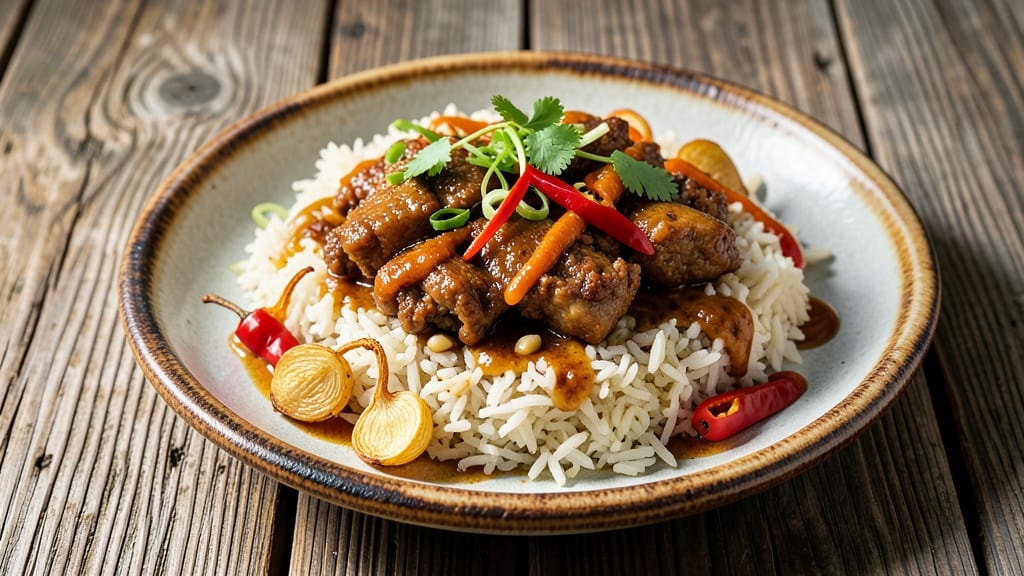
This mince pork Thai recipe delivers the bold, aromatic flavors of street-side Thai cuisine right to your kitchen counter. 🌟 After perfecting this dish during a trip to Bangkok, I've adapted it to use accessible ingredients while keeping the authentic heat, tang, and herbal complexity that makes it irresistible.
The secret lies in balancing sweet, sour, and spicy elements through careful marinating and high-heat wok frying.
What sets this recipe apart is the aromatic basil finish—a signature Thai technique that transforms simple minced pork into something truly special. We start with a marinade of fish sauce, lime juice, and palm sugar that tenderizes the meat while infusing it with depth.
The wok-frying method creates that signature caramelized crust while keeping the pork juicy inside, all in just 20 minutes of active cooking time.
By the time you serve this dish, you'll have tender, slightly charred pork pieces coated in a glossy sauce that's perfectly balanced between sweet, salty, and spicy.
The finishing touch of fresh Thai basil adds bright, floral notes that cut through the richness, creating a dish that's as visually stunning as it is delicious. This recipe serves 4 hungry people and pairs beautifully with steamed jasmine rice or warm noodles.
The best part? This dish tastes even better the next day, making it perfect for meal prep. The flavors continue to develop as the sauce mellows, and the pork remains tender.
Whether you're cooking for a weeknight dinner or preparing for a gathering, this Thai-inspired minced pork recipe delivers restaurant-quality results with minimal effort. Let's get cooking!
Ingredients for mince pork thai
Bold Thai flavors start with these 14 ingredients—simple but packed with authentic depth.
| Ingredient | Amount | Notes |
|---|---|---|
| Ground Pork 🐷 | 1 ½ lb | 80% lean or leaner for juiciness |
| Fish Sauce 🍶 | 3 tbsp | Red Boat preferred for authenticity |
| Lime Juice 🍋 | ¼ cup | Freshly squeezed, about 2 limes |
| Palm Sugar 🍯 | ¼ cup | Or substitute brown sugar |
| Thai Chili Paste 🌶️ | 1 ½ tbsp | Maesri or Sriracha if unavailable |
| Garlic Cloves 🧄 | 6 cloves | Minced, for marinade |
| Shallots 🧅 | 2 whole | Minced, about 0.25 cup |
| Fresh Thai Basil Leaves 🌿 | ½ cup | Packed, stems removed |
| Vegetable Oil 🫒 | ½ cup | High smoke point for wok frying |
| Green Onions 🧅 | 4 whole | Sliced, for garnish |
| Sesame Oil 🫒 | 1 tsp | Toasted, for aroma |
| Salt 🧂 | ½ tsp | Kosher or sea salt |
| Black Pepper 🌶️ | ¼ tsp | Freshly ground |
| Jasmine Rice 🍚 | 1 ½ cups | Uncooked, for serving |
The pork cut matters here. Ground pork with 80% lean fat gives that signature juiciness—90% lean stays dry. Grab it from the butcher counter if possible, or use the pre-ground at Trader Joe's for convenience. Fish sauce is non-negotiable for that umami punch—Red Boat is my go-to, but Squanido works too. The Thai basil? Asian markets usually carry it fresh, but if you can't find it, holy basil is a decent swap. Palm sugar adds authentic sweetness, but brown sugar works in a pinch—just don't tell anyone.
No Thai chili paste? Sriracha plus a pinch of cayenne gets you close, but the smoky depth won't be identical. Fresh lime juice is ideal, but bottled lime juice works if you're short on time—just add a splash extra. The garlic and shallots should be minced fine for that signature Thai texture. Food processor makes quick work of it. For the basil, stems are tough—toss them or save for tea. Sesame oil adds aroma, but toast it in a dry pan first to bring out the nutty flavor. The jasmine rice? Day-old rice reheats beautifully for serving—just toss it with a drizzle of sesame oil.
Marinate the pork for at least 30 minutes—overnight is even better. Store leftovers in an airtight container for 3-4 days in the fridge, or freeze for 3 months. The flavors actually improve after the first night as everything melds. I like to portion mine into single-serving containers so it's ready for quick lunches. The basil wilts fast, so add it just before serving—wrap it in damp paper towels in the fridge if prepping ahead.
Why You'll Love This Recipe
- One-Pan Magic: I swear by this recipe when I’m too tired to wash extra dishes. Brown the pork, toss in the chili paste and fish sauce, then let the lime and sugar work their magic—no stirring, no fuss, just hands-off flavor.
- Umami Bomb: That first bite? The pork soaks up the salty-sweet fish sauce and palm sugar while the chili paste adds heat that lingers just right. Honestly, it’s the kind of dish where the flavors keep surprising you—even after you’ve eaten it three times in a row.
- Leftover Hero: This stuff tastes better the next day, which is perfect because I always make too much. Reheat it in a pan or stuff it into rice paper rolls for lunch—no one will guess it’s yesterday’s dinner.
- Budget Flex: Ground pork stretches far, and fish sauce and palm sugar are cheap staples in Asian markets. For under $10, I feed four people a dish that feels fancy but costs next to nothing—my wallet thanks me every time.
Step-by-step instructions for wok-fried pork with Thai basil
Here's how to create this vibrant Thai street food classic with perfect balance of heat, sweetness, and aromatic basil.
🍳 Step 1: Marinate the Ground Pork
In a large bowl, combine the 1.5 lb ground pork, 3 tbsp fish sauce, 0.25 cup lime juice, 0.25 cup palm sugar, and 1.5 tbsp Thai chili paste. Mix thoroughly with your hands until the pork is evenly coated and the mixture is well combined. This marinade should be sticky and glossy—if it looks dry, add 1 tsp water to help bind everything.
Let the pork marinate for at least 15 minutes (up to 30 minutes for deeper flavor). The acid from the lime will tenderize the meat while the fish sauce and chili paste infuse it with authentic Thai flavors. You'll notice the pork becomes more pliable and slightly translucent at the edges when ready.
🔥 Step 2: Sauté Aromatics and Cook the Pork
Heat a wok or large skillet over high heat until smoking, then add the 0.5 cup vegetable oil. Once the oil shimmers (about 1 minute), add the 6 cloves minced garlic and 2 whole minced shallots. Stir-fry for 30 seconds until fragrant and just beginning to color.
Add the marinated pork in one batch, breaking it up with a spatula as it cooks. Stir-fry for 4-5 minutes until the pork is no longer pink in the center and has browned slightly around the edges. The pork should be cooked through but still juicy—overcooking will make it dry. If the pork releases from the pan easily, it's ready to proceed.
🥘 Step 3: Finish with Basil and Garnishes
Push the pork to one side of the wok and reduce heat to medium. Add 1 tsp sesame oil and let it sizzle for 10 seconds until fragrant. Stir in the 0.5 cup fresh Thai basil leaves and 4 whole sliced green onions, tossing everything together for 30 seconds until the basil wilts slightly but remains vibrant green.
Season with 0.5 tsp salt and 0.25 tsp black pepper, then give everything one final toss. The basil should be just wilted but still bright—this ensures maximum flavor without turning mushy. Taste and adjust seasoning if needed, adding a splash of lime juice if the dish needs more acidity.
⏰ Step 4: Serve Over Jasmine Rice
Divide the 1.5 cups cooked jasmine rice among serving plates. Spoon the wok-fried pork mixture generously over the rice, allowing the aromatic basil and green onions to cascade over the top. The rice should be hot but not steaming—if it's too wet, spread it out on a tray for 2-3 minutes before serving.
Serve immediately while the pork is still sizzling and the basil retains its vibrant color. The dish should balance sweet, spicy, salty, and umami flavors with each bite. For extra authenticity, drizzle with a little more lime juice or sprinkle with crushed peanuts on the side.
Pro Tips For Making Mince Pork Thai
- CRACK THE PASTE FIRST: Heat your Thai chili paste in the pan for 30 seconds before adding pork—this burns off the raw garlic and shallot bitterness that always sneaks into cheap jars. I learned this the hard way after tasting a batch where the paste’s harshness overpowered everything.
- SALT THE PORK BEFORE COOKING: Toss the ground pork with ½ teaspoon of salt before frying—it renders fat faster and keeps the meat from shrinking into a dry, rubbery mess. Skip this, and you’ll end up with a dish that tastes flat, no matter how much fish sauce you add.
- DON’T RUSH THE LIME: Add lime juice last, right after the sugar dissolves, and let the sauce sit off-heat for 2 minutes. This lets the acid bloom properly instead of curdling into a weird, cloudy mess. I used to dump it in too soon—now I taste the difference.
- SWAP PALM SUGAR FOR COOKING: If you can’t find palm sugar, dissolve 1 tablespoon of dark brown sugar in 1 teaspoon of warm water first—it mimics the caramel-like depth without graininess. Just don’t skip the water; dry sugar burns before it melts.
Perfect pairings for this mince pork thai
Thai-Inspired Sides
Serve this wok-fried pork with steamed jasmine rice—the fragrant, slightly sticky texture soaks up all the bold flavors perfectly. I like to cook 1.5 cups uncooked rice (about 3 cups cooked) in a rice cooker with 2 cups water and a pinch of salt.
For extra authenticity, add a ½-inch slice of lime peel to the cooking water for subtle citrus aroma. 🍚
For a lighter option, try Thai cucumber salad with shredded cucumber, 2 tbsp rice vinegar, 1 tbsp fish sauce, and 1 tsp palm sugar. Toss with ¼ cup chopped Thai basil and 1 minced garlic clove for a refreshing contrast to the rich pork.
The crisp, cool salad balances the dish beautifully.
Beverage Pairings
A Thai iced tea—sweet, creamy, and slightly spiced—complements the dish perfectly. Mix 1 cup strong brewed black tea (like Assam), ½ cup sweetened condensed milk, and 1 cup cold water.
Serve over ice with a slice of lime. The sweetness tames the heat while the tea's tannins cleanse the palate. 🍹
For beer lovers, a crisp Thai lager like Singha or Leo works wonderfully. The light, effervescent profile cuts through the richness without overpowering the dish. Avoid heavy IPAs—they'll clash with the delicate basil and fish sauce notes. A chilled glass enhances the dining experience.
Garnish Upgrades
Elevate the dish with crushed roasted peanuts—toss ¼ cup peanuts in a dry skillet over medium heat for 3-4 minutes until golden. Sprinkle over the finished pork for crunch and nutty depth. I also add ¼ cup chopped cilantro for a fresh herbal note that brightens each bite. 🌿
For a smoky twist, add 1 tsp Thai bird's eye chili flakes and ½ tsp toasted sesame seeds to the garnish. The heat and texture contrast create an irresistible finish. Always add garnishes just before serving to preserve their freshness and vibrant colors.
Regional Variations
In Bangkok, this dish often includes Thai eggplant—sauté ½ cup thinly sliced eggplant with the pork for extra texture. The eggplant absorbs the sauce beautifully, adding a subtle sweetness.
For a Chiang Mai touch, swap half the basil for lemongrass stems (bruised and lightly fried) for a citrusy aroma. 🌿
Southern Thai versions might include kaffir lime leaves—add 2 torn leaves to the wok while cooking for a floral, citrusy depth. The leaves infuse the pork with subtle aroma without overpowering.
For a spicier kick, increase the Thai chili paste to 2 tbsp and add ½ tsp ground white pepper for complexity.
Nutrition facts
Frequently asked questions
Can I substitute ground beef for the pork?
You can, but the flavor and texture will differ. Ground beef (especially lean varieties) can become dry and lacks the delicate fat content that makes pork so juicy. If using beef, opt for 80% lean ground chuck and reduce cooking time by 1 minute to prevent dryness. The dish will be heartier but less authentic.
What's the best way to make this dish less spicy?
Reduce the Thai chili paste to 1 tbsp or swap it for ½ tsp mild chili flakes. For extra mildness, add 1 tsp more palm sugar to balance the heat. Always taste as you go—you can adjust with lime juice or a pinch of sugar at the end if needed.
Can I make this recipe ahead of time?
The flavors actually improve overnight. Cook the pork mixture, cool it completely, and store in an airtight container for 3-4 days. Reheat gently in a skillet over medium-low heat with 1 tsp water to prevent drying. Add fresh basil and green onions just before serving.
Where can I find Thai basil if I don't have an Asian market?
Check your local grocery store's produce section or Latin markets—sometimes they carry it. If unavailable, use holy basil (sacred basil) or regular Italian basil in a pinch, though the flavor will differ. For authenticity, grow your own from seeds or order online from specialty retailers.
Is this dish gluten-free?
Mostly, but check your fish sauce—many contain wheat. Use a certified gluten-free brand like Red Boat Gluten-Free Fish Sauce. Also verify your palm sugar or brown sugar substitute is gluten-free. The rest of the ingredients are naturally gluten-free, making this a great option for sensitive diets.