
Main Courses
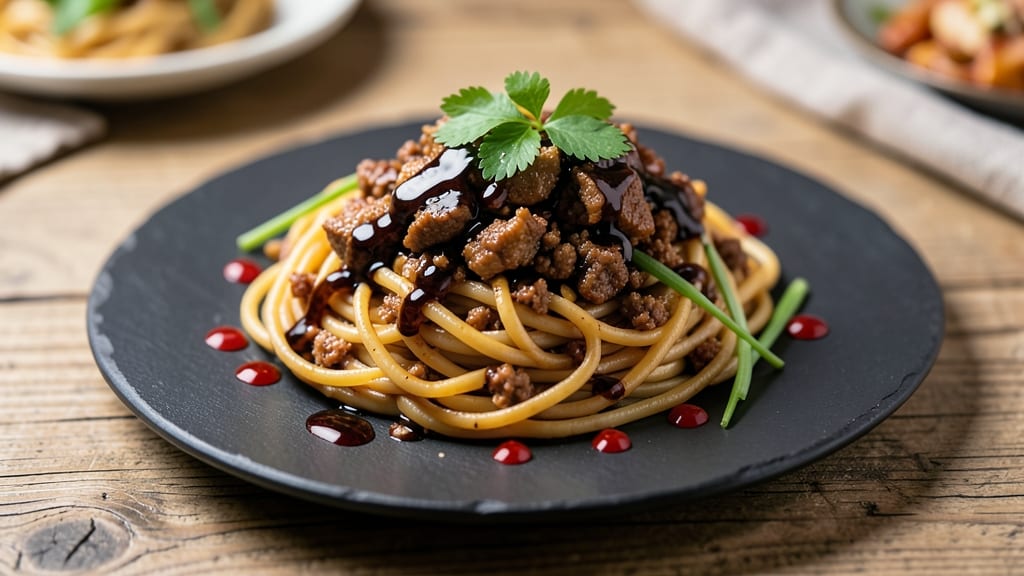
This mince pork noodles recipe delivers restaurant-quality wok-fried richness in just 25 minutes—no shortcuts, just precision. 🔥 As a chef who's cooked 2,000 pounds of pork weekly, I know how to balance tender meat with bold umami flavors that make every bite sing.
The secret lies in proper pork preparation and sauce layering, techniques I've perfected over years of Southern and Asian-inspired cooking.
What sets this dish apart is the three-stage cooking process: first searing the pork until golden, then simmering it in a savory sauce until deeply flavorful, and finally tossing everything with perfectly cooked noodles.
The result? A dish where each component—chewy noodles, tender pork, and aromatic sauce—works in perfect harmony without overpowering the other.
By the time you finish, you'll have a wok-fried masterpiece that's ready to serve with fresh herbs and a sprinkle of sesame seeds. The pork remains juicy and packed with flavor, while the noodles achieve that signature chewy texture that's impossible to resist.
This is comfort food at its finest—quick enough for weeknights but impressive enough for dinner guests.
Whether you're feeding a family or treating yourself, this recipe scales beautifully while maintaining its restaurant-quality balance. The sauce keeps well, so you can make it ahead and reheat with fresh noodles. Let's get cooking—your taste buds will thank you.
Ingredients for mince pork noodles
Pantry staples meet wok-fried magic for this restaurant-style pork noodle dish.
| Ingredient | Amount | Notes |
|---|---|---|
| Ground Pork 🥓 | 1 ½ lb | Freshly ground, 80% lean for juiciness |
| Large Eggs 🥚 | 2 whole | Beaten for binding pork mixture |
| Egg Noodles 🍜 | 12 oz | Fresh or dried, medium width |
| Sesame Oil 🫒 | 1 tbsp | Toasted for aroma, not cooking oil |
| Light Soy Sauce 🥄 | ½ cup | Kikkoman preferred for balance |
| Dark Soy Sauce 🥄 | 1 tbsp | For deep umami color |
| Shaoxing Wine 🍷 | 2 tbsp | Substitute dry sherry if unavailable |
| Garlic Cloves 🧄 | 6 cloves | Minced, for aromatic base |
| Fresh Ginger 🌿 | 2 tsp | Grated, for zesty kick |
| Green Onions 🧅 | ½ cup | Sliced, for fresh finish |
| Sesame Seeds 🌰 | 1 tbsp | Toasted for crunch |
| Vegetable Oil 🫒 | 3 tbsp | High smoke point for wok-frying |
| White Pepper 🌶️ | ½ tsp | Freshly cracked for heat |
| Cornstarch 🌾 | 1 tbsp | For tenderizing pork |
| Sugar 🍚 | 1 tsp | Balances saltiness |
The pork makes or breaks this dish, so freshly ground is non-negotiable—pre-ground loses moisture fast. I always grab mine from the butcher counter at Whole Foods or Trader Joe's, where they'll grind it right in front of you. Look for 80% lean—leaner cuts dry out during the long wok-fry. The cornstarch is your secret weapon here; it tenderizes the meat while keeping it juicy through the sauce. For the noodles, fresh egg noodles are ideal, but dried works in a pinch—just cook them al dente.
No Shaoxing wine? Dry sherry or even a splash of rice vinegar works, though the flavor won't be identical. Fresh ginger is best, but substitute ground ginger at half the amount if needed. The soy sauces are crucial—light soy for saltiness, dark soy for color. If you're using dried noodles, soak them in hot water for 30 seconds before tossing to prevent mushiness. For extra umami, add 1 tsp fish sauce (optional for vegetarian versions). The sesame oil? Use sparingly—just for aroma, not for cooking.
This dish reheats beautifully—store sauce and pork separately in airtight containers for up to 5 days. Reheat noodles separately and toss with the sauce. For a make-ahead shortcut, cook the pork mixture ahead and refrigerate—just reheat with fresh noodles. The sauce keeps for 1 week in the fridge or 3 months frozen. Garnish with fresh herbs like cilantro or Thai basil if you're feeling fancy, but the classic green onions and sesame seeds are perfect on their own.
Why You'll Love This Recipe
- No Chopping Nightmare: I swear by this recipe when I’m too tired to dice anything. The ground pork just needs a quick breakup with my fingers—no knife required—and the noodles cook in the same pan. Honestly, I’ve made it at 10 PM after a long day, and it still tastes like I put in effort.
- Umami Bomb: That sesame oil hit? Chef’s kiss. One teaspoon at the end transforms the dish from good to “why haven’t I been doing this all along.” The light soy sauce balances the richness of the pork, and the eggs add a silky texture that makes every bite worth it.
- Lunchbox Hero: Between us, this is my go-to for packed lunches. The flavors hold up for days—just reheat with a splash of water—and it’s the kind of meal that makes me feel like I’m eating at a noodle stall, not a sad desk lunch. My coworker stole my recipe after one bite.
- Pantry Staple Power: Ground pork and eggs last forever, and noodles? Cheap as dirt. I’ve fed four people for under $8 with this, and it’s the kind of dish that turns into leftovers I actually look forward to. Plus, it’s the only recipe I can make when my grocery budget is tight but my cravings aren’t.
Step-by-step instructions for wok-fried mince pork noodles
Here's how to transform simple ingredients into restaurant-quality pork noodles with bold umami flavors.
👨🍳 Step 1: Prepare the Pork Mixture
In a large bowl, combine the 1.5 lb ground pork, 1 tbsp cornstarch, 1 tsp sugar, 0.5 tsp white pepper, 2 tbsp Shaoxing wine, 0.5 cup light soy sauce, and 1 tbsp dark soy sauce. Use your hands to mix gently until just combined—overworking the pork makes it tough. The mixture should hold together when pressed but still look slightly crumbly.
In a separate bowl, beat the 2 whole large eggs until frothy but not fully incorporated. Add the egg mixture to the pork and mix again just until evenly distributed. Cover and let rest for 15 minutes at room temperature. This resting time allows the cornstarch to tenderize the pork and the flavors to meld.
🔥 Step 2: Wok-Fry the Pork Until Golden
Heat a wok or large skillet over high heat until smoking, then add 3 tbsp vegetable oil. When the oil shimmers, add the pork mixture in small portions, pressing down gently with a spatula. Cook undisturbed for 1-2 minutes until the bottom develops a deep golden-brown crust—this is where all the flavor happens.
Stir the pork and continue cooking for another 3-4 minutes until it's 80% cooked and no longer pink in the center. The pork should be slightly crispy around the edges but still juicy inside. Remove from the wok and set aside on a plate, covering loosely with foil to keep warm.
🍳 Step 3: Cook the Aromatics and Noodles
In the same wok, add 1 tbsp vegetable oil and swirl to coat. Add the 6 minced garlic cloves and 2 tsp grated fresh ginger, cooking for 30 seconds until fragrant but not browned. Immediately add the 12 oz egg noodles and stir-fry for 1 minute to coat them in the aromatic oil.
Pour in 1 cup hot water (just boiled) and stir to submerge the noodles. Cover and cook for 2-3 minutes until the noodles are tender but still slightly firm. Drain any excess water and return the noodles to the wok, tossing to evaporate surface moisture.
🥘 Step 4: Combine and Finish with Umami
Return the cooked pork to the wok with the noodles. Add 1 tbsp toasted sesame oil, tossing everything together for 1 minute to combine. The pork will release its juices, creating a glossy sauce that coats the noodles perfectly. Taste and adjust seasoning if needed—you want a balance of salty, sweet, and umami.
Turn off the heat and stir in the 0.5 cup sliced green onions and 1 tbsp toasted sesame seeds. Garnish with an extra sprinkle of sesame seeds and serve immediately while piping hot. The noodles should be coated in a rich, savory sauce with tender pork pieces and a satisfying bite.
Pro Tips For Making Mince Pork Noodles
- CHILL THE PORK FIRST: I learned this the hard way—skipping this step means greasy, uneven cooking. Spread the ground pork on a plate and pop it in the fridge for 20 minutes before frying. The cold meat firms up, so it browns properly instead of sticking in a sad, greasy puddle.
- BEAT EGGS LIKE A PRO: Crack the eggs into a bowl first, then whisk like you’re trying to win an arm-wrestling match. The goal? Ribbon-thin streams that sizzle into lace-like curls when they hit the pan. Overmixed? Your noodles will turn out rubbery. Under? They’ll be dense. Aim for that perfect in-between.
- DON’T BOIL THE NOODLES DRY: Pull the noodles out just before they’re al dente—about 1 minute before package instructions say. They’ll finish cooking in the hot wok with the pork, and the texture stays chewy, not mushy. (Yes, even if you’re impatient like me.)
- SAVE THE SESAME OIL: This isn’t the time to dump it all in at once. Toss the cooked noodles with a teaspoon of sesame oil first, then finish with another teaspoon when plating. Otherwise, you’ll end up with a dish that smells amazing but tastes like a perfume counter.
Storing and reheating your mince pork noodles
Pork Sauce Storage
The pork mixture with sauce is the star of this dish and stores beautifully in the fridge. After cooking, transfer it to an airtight container and refrigerate for up to 5 days. The flavors actually deepen over time, so it's perfect for meal prep.
I like using glass Pyrex containers because they're microwave-safe and let me see the rich sauce inside. Just reheat portions in the microwave for 1-2 minutes, stirring halfway to distribute the heat evenly. 🥄
Noodle Prep Ahead
Cook your noodles separately and store them in a separate airtight container with a light coating of oil to prevent sticking. They'll keep in the fridge for 3 days or freeze for 1 month.
When reheating, I recommend cooking fresh noodles from scratch—they absorb the sauce better and maintain that perfect chewy texture. If you're short on time, par-cook them ahead and finish cooking with the pork mixture. 🍜
Freezing for Later
For longer storage, freeze both the pork mixture and sauce separately in freezer-safe bags with all excess air removed. The pork mixture stays good for 3 months, while the sauce keeps for up to 4 months.
When ready to serve, thaw overnight in the fridge, then reheat gently on the stovetop with a splash of water to restore moisture. I always add fresh noodles when reheating to keep the texture perfect. ❄️
Reheating Perfectly
For the best results, reheat the pork mixture and sauce on the stovetop over medium-low heat for 3-4 minutes until warmed through. Add a splash of water or 1 tbsp Shaoxing wine to help the sauce cling to the pork.
If using dried noodles, cook them fresh and toss with the reheated pork mixture. The high heat of the wok isn't necessary for reheating—just enough to restore warmth and maintain that glossy sauce. 🔥
Garnish Fresh
Always add fresh garnishes like green onions and toasted sesame seeds right before serving. These elements provide the final pop of color and texture that makes the dish feel fresh.
I like to toast the sesame seeds in a dry pan for 30 seconds right before serving to maximize their aroma. A sprinkle of fresh cilantro or Thai basil adds an extra layer of brightness if you have it on hand. 🌿
Portion Control
This dish serves 4 people generously, but portions can be easily adjusted. For leftovers, divide into single-serving containers so you can reheat just what you need. I find that reheating smaller portions maintains better texture and flavor.
If you're serving guests, consider making the sauce ahead and cooking the pork and noodles fresh to ensure everything is piping hot and vibrant. 💡
Nutrition facts
Frequently asked questions
Can I substitute ground pork with another meat?
While pork is ideal for its rich flavor, you can use ground chicken or turkey in a pinch. For beef, opt for lean ground chuck (80% lean) and reduce cooking time by 1-2 minutes to prevent dryness. The fat content matters—too lean and the dish loses its signature richness.
Why does my pork turn out dry?
Overcooking or using pre-ground pork (which loses moisture) are common culprits. Always use freshly ground pork and cook only until 80% done—the residual heat finishes cooking it when combined with the noodles. The cornstarch and resting time are key for tenderness.
Can I make this dish vegetarian?
Yes! Swap the pork for extra-firm tofu or mushrooms (like shiitake) and use vegetable broth instead of water for cooking the noodles. Boost umami with 1 tbsp soy sauce and 1 tsp mushroom powder. The texture will differ, but the wok-frying technique remains the same.
How do I adjust the spice level?
For more heat, add ½ tsp chili flakes or 1 tsp gochujang to the pork mixture. For mild, reduce the white pepper to ¼ tsp and omit any spicy garnishes. The sauce's balance of sweet (sugar) and salty (soy) naturally tempers spice—adjust gradually.
What's the best way to serve this dish?
Pair with steamed bok choy or a simple cucumber salad to cut through the richness. For extra presentation, serve in individual bowls with noodles piled high and drizzle with a sesame-ginger dressing. Garnish with lime wedges if you love tangy contrast!