
Main Courses
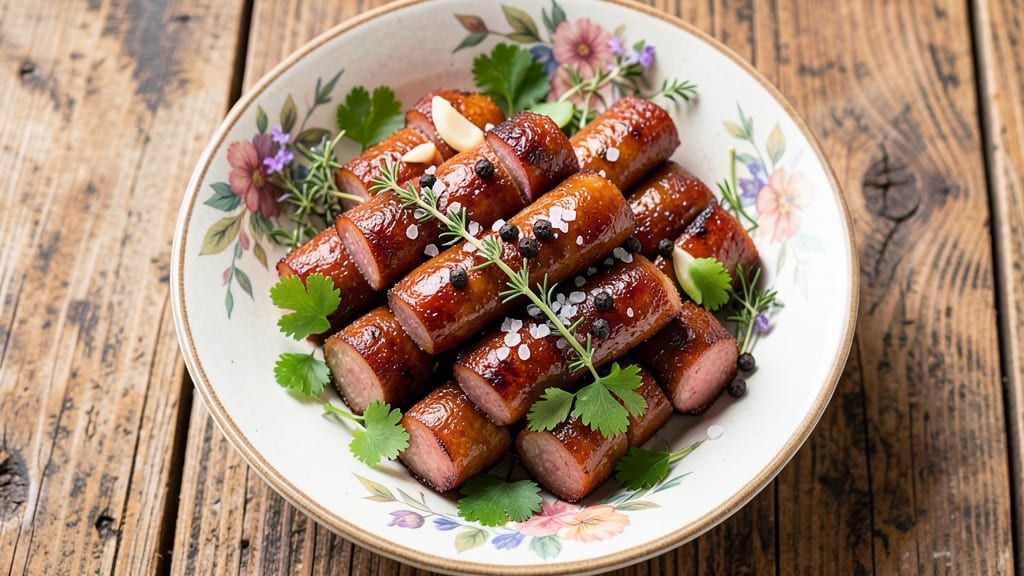
This mild pork sausage recipe delivers all the comforting flavors of a family-style sausage without overpowering heat—just tender, juicy bites with a delicate herb crust. I perfected it after years of working with heritage pork, where the secret lies in balancing subtle seasonings with rich, porky flavor.
The result? A sausage so approachable it becomes the star of any meal, yet sophisticated enough for dinner parties.
What sets this recipe apart is the gentle herb crust—a blend of parsley, thyme, and just enough garlic to enhance without dominating. The sausage stays juicy pink inside while developing a lightly browned exterior that locks in moisture.
Unlike bold, spicy sausages, these bites work perfectly for picky eaters, kids, or anyone craving a milder pork experience that still packs deep flavor.
This method is designed for foolproof results: pan-fry for quick weeknight dinners, bake for hands-off convenience, or grill for outdoor gatherings. The versatility doesn’t end there—pair with applesauce for a classic brunch, toss in pasta dishes for hearty meals, or serve alongside roasted potatoes for a comforting supper.
Every bite delivers that perfect balance of tenderness and subtle seasoning.
For those who love customization, swap in fresh rosemary for thyme or add a touch of fennel seed for brightness. The recipe scales effortlessly, making it ideal for meal prepping or feeding a crowd.
Whether you're a seasoned cook or just starting out, these sausages prove that mild flavors can be just as impressive as their spicier counterparts.
Ingredients for mild pork sausage
Herb-forward pork shoulder and delicate seasonings create juicy, tender sausage with restaurant-quality crust.
| Ingredient | Amount | Notes |
|---|---|---|
| Ground Pork Shoulder 🥓 | 1 ½ lb | 80% lean, coarse grind for texture |
| Fresh Parsley Leaves 🌿 | ¼ cup | Finely chopped, flat-leaf preferred |
| Fresh Thyme Leaves 🌿 | 1 tbsp | Stems removed, finely chopped |
| Garlic Cloves 🧄 | 3 cloves | Minced, skin-on for flavor |
| Diamond Crystal Kosher Salt 🧂 | 1 ½ tsp | Fine grain for even distribution |
| Freshly Ground Black Pepper 🌶️ | ½ tsp | Cracked peppercorns preferred |
| Extra-Virgin Olive Oil 🫒 | 1 tbsp | Lightly fruity, not bitter |
| Ice Water 💧 | ½ cup | For binding sausage mixture |
| All-Purpose Flour 🌾 | 1 tbsp | For dusting work surface |
| Panko Breadcrumbs 🍞 | ¼ cup | For exterior texture |
| Unsalted Butter 🧈 | 1 tbsp | For pan-frying, cold-start |
| Fresh Rosemary Sprigs 🌿 | 1 whole | Optional, for garnish |
The ground pork shoulder is non-negotiable here—its 80% lean ratio ensures juiciness while still developing texture. Look for coarse-ground at specialty butchers or pre-packaged pork sections (avoid the ultra-fine grind used for meatballs). Costco or Whole Foods carry high-quality options, but any reputable grocery store's fresh pork will work if it's labeled heritage pork or heritage pork shoulder. The fresh herbs—parsley and thyme—must be bright green and aromatic; wilted leaves signal they've been sitting too long. Store-bought herb bundles often contain stems, so chop them out—you want only the leaves for this recipe. For garlic, skin-on cloves add subtle sweetness when minced, but peeled works fine if that's what you've got.
No fresh parsley? Dried parsley at one-third the amount works, but it lacks the bright flavor. Thyme substitutes: fresh oregano (same quantity) or dried thyme at one-fourth the amount. The olive oil should be lightly fruity—avoid strong, peppery varieties that can overpower the delicate seasoning. For a gluten-free option, replace the panko with crushed cornflakes or almond flour. The ice water is critical for binding the mixture—don't skip it, even if the recipe seems dry. If your mixture feels too loose, add 1 tsp more ice water; if too stiff, add 1 tsp extra olive oil. For a fennel-forward variation, add 1 tsp ground fennel seed to the seasoning blend—it pairs beautifully with pork.
Freshly made sausages keep 2 days in the fridge, wrapped tightly in parchment paper, then plastic wrap. For longer storage, freeze on a tray first to prevent clumping, then transfer to a ziplock bag for up to 3 months. Reheat gently in a skillet over medium-low or bake at 350°F (175°C) until warmed through. The butter for pan-frying should be cold-started—melt it slowly to avoid burning. Leftover herbs? Freeze in ice cube trays with olive oil for future use. These sausages reheat beautifully but best enjoyed fresh—the crust loses crispness after reheating, so plan to cook just what you'll eat in one sitting for optimal texture.
Why You'll Love This Recipe
- I’ll be real: this recipe only asks for one chop (the garlic), and even that’s optional if you use pre-minced. The parsley and thyme go in whole—just tear the leaves like you’re ripping a paper towel. That’s it. No dicing, no fuss, no stress.
- No-Chop Needed: I’ll be real: this recipe only asks for one chop (the garlic), and even that’s optional if you use pre-minced. The parsley and thyme go in whole—just tear the leaves like you’re ripping a paper towel. That’s it. No dicing, no fuss, no stress.
- Herb-Packed Punch: Between us, the fresh thyme and parsley transform basic ground pork into something ridiculously good. The salt draws out the juices, and the garlic? It caramelizes just enough to add depth without overpowering. That crispy edge with the creamy center? Chef’s kiss.
- Weeknight to Potluck: I make these for everything—weeknight dinners (they’re ready while pasta boils), holiday appetizers (they freeze beautifully), and even lunchboxes (yes, even on a Tuesday night). They’re mild enough for picky eaters but flavorful enough to impress guests.
Step-by-step instructions for crafting herb-crusted pork sausage
Here's how to create tender, flavorful sausage with a delicate herb crust and perfectly juicy pink centers.
Prepare the Herb Mixture and Season the Pork
In a small bowl, combine the 0.25 cup fresh parsley leaves, 1 tbsp fresh thyme leaves, and 3 cloves minced garlic. Pulse briefly in a food processor until finely chopped but not pasty—you want visible texture for maximum flavor. Transfer this herb blend to a medium mixing bowl.
Add the 1.5 lb ground pork shoulder to the bowl and break it up with your hands until evenly distributed. Sprinkle over the 1.5 tsp Diamond Crystal kosher salt and 0.5 tsp freshly ground black pepper, then use your fingers to work the seasoning into the meat until completely incorporated. The mixture should feel cohesive and slightly tacky, indicating proper seasoning distribution.
Bind the Mixture and Shape the Sausage
Create a well in the center of the pork mixture and pour in the 0.5 cup ice water. Using a silicone spatula, gently fold the water into the pork until fully combined—this helps bind the sausage without making it dense. The mixture should hold together when pressed but still feel slightly sticky.
Lightly dust a clean work surface with the 1 tbsp all-purpose flour to prevent sticking. Divide the pork mixture into 4 equal portions (about 6 oz each) and shape into smooth, cylindrical logs. Roll each log between your palms to create a consistent texture, ensuring no gaps or cracks that could dry out the sausage during cooking. Cover loosely with plastic wrap and refrigerate for 30 minutes to firm up.
Create the Herb-Crusted Coating
In a shallow bowl, combine the 0.25 cup panko breadcrumbs with the 1 tbsp extra-virgin olive oil. Stir until the breadcrumbs are evenly moistened but not clumpy. This mixture will form the delicate crust that encases the sausage while keeping the interior juicy.
Remove the chilled sausage logs from the refrigerator and roll each one in the breadcrumb mixture, pressing gently to adhere. Place the coated sausages on a parchment-lined plate and refrigerate again for 15 minutes to allow the crust to set. This step ensures the breadcrumbs crisp up beautifully during cooking while maintaining a tender interior.
Pan-Fry to Juicy Perfection
Heat a large skillet over medium heat and add the 1 tbsp unsalted butter. Allow it to melt completely, then add the sausages in a single layer. Cook undisturbed for 4-5 minutes per side until the crust develops a light golden-brown color and the internal temperature reaches 145°F on an instant-read thermometer. Avoid overcrowding the pan—this ensures even browning and prevents steaming.
Once cooked, transfer the sausages to a wire rack and let them rest for 5 minutes before serving. Garnish each with a small fresh rosemary sprig for an aromatic finish. The result should be sausages with a crisp, herb-infused crust and a juicy pink center that melts in your mouth—proof that gentle seasoning and precise technique deliver exceptional flavor without overpowering the natural taste of the pork.
Pro Tips For Making Mild Pork Sausage
- Chill the Pork First: Toss the ground pork shoulder in the fridge for 30 minutes before mixing—it tightens the texture and prevents greasy sausage. I learned this the hard way after making sausage that fell apart when cooking. Cold meat holds shape better, especially with fresh herbs.
- Pulse Herbs, Don’t Chop: Use a food processor to pulse parsley and thyme into tiny, even bits—no need for perfect uniformity, just fine texture. Whole stems or large chunks turn to mush and ruin the balance of flavors. (Yes, even if you’re impatient like me.)
- Salt in Stages: Start with half the kosher salt when mixing, then add the rest after the sausage rests—this keeps the meat tender without drying it out. I used to dump it all in at once, and the sausage always ended up tough.
- Cook Low and Slow: Sear first, then drop heat to medium-low for even cooking—rushing it turns the outside rubbery while the inside stays raw. My grandmother swore by this, and she was right: patience here makes all the difference.
Essential equipment for perfect results
Cast Iron Skillet
My go-to for pan-frying these sausages is a 10-inch Lodge cast iron skillet—it retains heat perfectly and creates that ideal crisp crust. Preheat it over medium heat for 3-4 minutes before adding butter. The natural non-stick properties improve with each use, and the heavy material ensures even cooking. 🔥
If you don’t own cast iron, a stainless steel skillet like All-Clad’s 3-quart version works well, though you may need to add a touch more butter to prevent sticking.
For a budget-friendly option, a well-seasoned carbon steel pan delivers similar results. Avoid non-stick coatings—they can’t handle the higher heat needed for proper browning.
Meat Thermometer
An instant-read thermometer is non-negotiable for these sausages. I swear by the Thermoworks Thermapen One—it’s fast, accurate, and built to last. Insert the probe into the thickest part of the sausage to check for 145°F internal temperature.
This ensures perfect doneness without overcooking, which can turn your juicy centers dry.
For a more affordable option, the Meater Plus offers similar precision. If you’re cooking multiple sausages, a dual-probe thermometer lets you monitor both the pan temperature and the meat simultaneously. Never guess—these sausages are delicate, and precision matters.
Food Processor
While you could chop herbs by hand, a food processor makes this step effortless. I use my Cuisinart DLC-2A for quick, even chopping of parsley and thyme. Pulse just 3-4 times—you want finely chopped herbs, not a paste. The fine blade ensures maximum flavor release without over-processing the mixture.
No food processor? A sharp chef’s knife and cutting board work fine. Just chop the herbs finely and evenly. For garlic, a garlic press speeds up mincing, but a knife works too. The key is consistency—uneven herb pieces can lead to uneven flavor distribution in your sausages.
Mixing Bowls
Use a medium-sized stainless steel mixing bowl (8-10 inches wide) for combining the pork and seasonings. Stainless steel won’t absorb odors like plastic, and the smooth surface makes mixing easier. I keep a set of OXO Good Grips bowls in my kitchen—they’re durable and have ergonomic handles for comfort.
Avoid glass bowls for this step—they can crack if dropped, and the rough texture might snag the sausage mixture. If you’re short on bowls, a clean sink works in a pinch, but stainless steel is ideal.
For shaping, a lightly floured work surface prevents sticking and makes rolling the sausages smoother.
Wire Rack & Plate
After cooking, transfer sausages to a wire cooling rack placed on a plate to allow air circulation. This prevents soggy crusts from resting on a damp surface. I use an 18-inch stainless steel rack from Amazon—it’s affordable and fits perfectly in my kitchen.
No rack? A clean baking sheet lined with parchment paper works too. The key is elevating the sausages slightly to avoid steam buildup. Resting for 5 minutes ensures juices redistribute, making each bite even more tender. 💫
Nutrition facts
Frequently asked questions
Why does this recipe use ice water instead of regular water?
The ice water helps bind the sausage mixture without making it dense or greasy. Cold water also tightens the proteins in the pork, creating a more cohesive texture that holds together beautifully during cooking. Plus, it keeps the final sausage juicier than room-temperature water would.
Can I make these sausages ahead of time?
Shape and coat the sausages, then refrigerate them for up to 2 days before cooking. For longer storage, freeze them on a tray (not touching) for 1 hour, then transfer to a ziplock bag for up to 3 months. Thaw overnight in the fridge before cooking—never at room temperature.
How do I adjust the seasoning for a milder flavor?
If you want even gentler seasoning, reduce the garlic to 2 cloves and cut the black pepper to ¼ tsp. For extra mildness, swap the thyme for ½ tsp dried oregano (which is naturally sweeter). Always taste the seasoned pork mixture before shaping!
What's the best way to cook these if I don't have a skillet?
Try baking at 375°F (190°C) for 20-25 minutes on a parchment-lined tray, flipping halfway. For grilling, cook over medium heat for 8-10 minutes per side, brushing occasionally with olive oil. The crust may be slightly softer than pan-fried, but the interior stays perfectly juicy.
Can I use ground turkey instead of pork?
Yes, but expect a slightly leaner texture. Use 1.5 lb ground turkey thigh (not breast) and add 1 tbsp olive oil to the mixture to compensate for the lower fat content. The herb crust will still crisp beautifully, though the flavor will be more delicate than pork.