
Main Courses
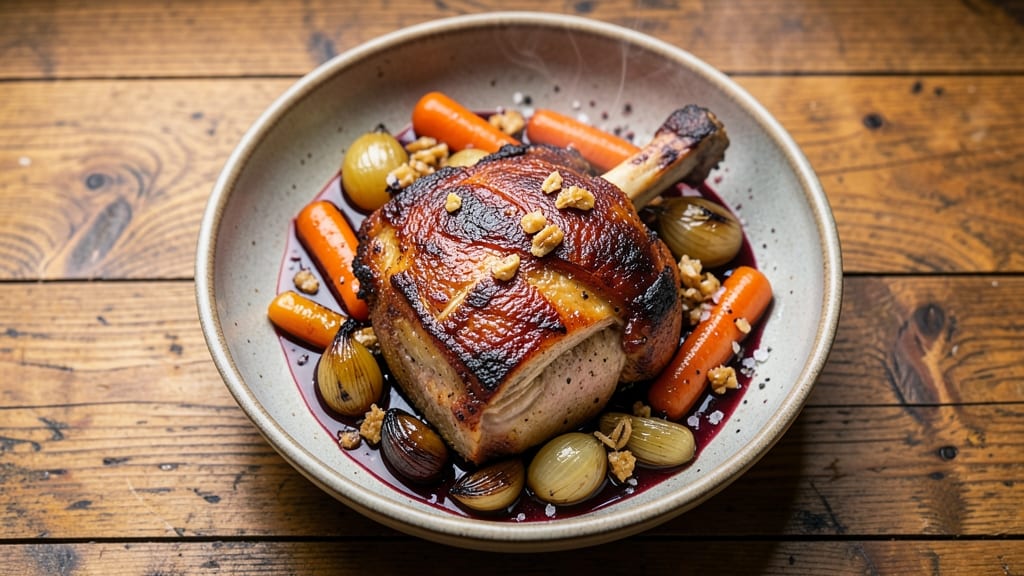
Michael Symon's pork shoulder recipe delivers the kind of melt-in-your-mouth perfection that turns weeknight dinners into showstopping meals. I've spent years perfecting this technique—starting with a high-heat sear that locks in juices, then slow-braising until the meat practically falls apart. The secret? Patience and precision, just like Michael teaches.
This isn't your average pork shoulder—we're talking tender, juicy meat with layers of flavor from caramelized edges and aromatic spices.
The key steps include properly trimming the fat (leave some for flavor), searing until deeply browned, and braising until the internal temperature hits 203°F. That's when the collagen transforms into silky fat, creating that legendary pull-apart texture.
What makes this recipe special is how it balances technique with simplicity. You'll start with a dry rub of salt, pepper, and garlic powder, then let the pork develop its own crust. The slow cook transforms tough muscles into fork-tender perfection, all while building rich, savory flavors in the pan.
This is the kind of dish that gets better as it rests, so plan ahead.
The result is restaurant-quality pork that's perfect for sandwiches, tacos, or serving with roasted vegetables. The fat renders beautifully, creating a pan sauce that's almost too good to serve with the meat. Trust me—once you taste this version, you'll never go back to store-bought again. Let's get cooking.
Ingredients for michael symon pork shoulder
Six pounds of pork shoulder plus aromatic vegetables and spices create melt-in-your-mouth perfection.
| Ingredient | Amount | Notes |
|---|---|---|
| Pork Shoulder (Bone-In) 🍖 | 6 lb | Well-marbled, 2-3 inches thick |
| Kosher Salt 🧂 | 1 ½ tbsp | Diamond Crystal preferred |
| Freshly Ground Black Pepper 🌶️ | 1 ½ tsp | Cracked peppercorns preferred |
| Garlic Powder 🧄 | 1 tbsp | Freshly ground preferred |
| Yellow Onion 🧅 | 1 whole | Yellow or red, sliced |
| Carrots 🥕 | 4 whole | Medium, peeled, sliced |
| Celery Stalks 🥬 | 4 whole | Trimmed, sliced |
| Fresh Thyme 🌿 | 2 sprigs | Or 1 tsp dried thyme |
| Fresh Rosemary 🌿 | 1 sprig | Or 1 tsp dried rosemary |
| Garlic Cloves 🧄 | 6 cloves | Smash lightly for flavor |
| Apple Cider Vinegar 🍏 | ¼ cup | Braises down to tangy richness |
| Beef Broth 💧 | 2 cups | Low-sodium preferred |
| Olive Oil 🫒 | 2 tbsp | Extra-virgin for searing |
| Brown Sugar 🍚 | 1 tbsp | Enhances caramelization |
The pork shoulder is non-negotiable here—bone-in with good marbling is key for that legendary pull-apart texture. Costco or Whole Foods usually carry well-marbled cuts, but any butcher will trim it for you if you ask. Look for a piece that's roughly 2-3 inches thick; thinner cuts dry out faster. Trim excess fat to about 1/4-inch thickness (leave some for flavor), and pat the meat dry before seasoning. Freshly ground peppercorns make all the difference—Penzeys or local spice shops carry great quality, but the grocery store stuff works in a pinch. The garlic powder should be fresh—if it smells stale, toss it and buy a new jar.
No fresh thyme or rosemary? Dried works at one-third the amount, but fresh is ideal for that bright, herbal punch. Swap the apple cider vinegar for red wine vinegar or balsamic if needed—just adjust to taste. The beef broth can be subbed with chicken broth at half the amount, but beef adds deeper richness. For the vegetables, frozen is fine if you're in a hurry, but fresh carrots and celery caramelize beautifully. The brown sugar? Don't skip it—it helps create that caramelized crust during the sear. If you're short on time, pre-sliced onions and carrots from the grocery store work perfectly.
This dish tastes even better the next day—plan ahead. The pork reheats beautifully in the oven at 300°F until warmed through, or you can shred it cold for tacos or sandwiches. Store leftovers in the fridge for up to 5 days or freeze for 3 months. The rendered fat in the pan? Save it for roasting potatoes or making gravy—it's liquid gold. For a crowd, double the recipe; just increase braising time by about 1-2 hours. The secret to success? Patience and a meat thermometer—don't rush the 203°F internal temp.
Why You'll Love This Recipe
- Foolproof Seasoning: I swear by this combo—just kosher salt, black pepper, and garlic powder rubbed right into the pork shoulder. No fancy blends, no guesswork. That bone-in cut? It practically seasons itself as it roasts, giving you melt-in-your-mouth flavor with zero effort.
- Crispy Without Fuss: Between us, this isn’t one of those recipes where you’re babysitting the oven. The pork shoulder develops that golden, crackling crust all on its own while you chop an onion (which, honestly, is the hardest part). No flipping, no stress—just pure satisfaction when you slice into it.
- Weeknight Crowd-Pleaser: I make this when my in-laws drop by unannounced or when the kids’ friends are starving after soccer practice. It feeds a houseful without breaking the bank, and the leftovers? They’re even better the next day—perfect for sandwiches or tacos. (Yes, even on a Tuesday night.)
- Budget Magic: A bone-in pork shoulder costs less per pound than chicken thighs, and this recipe turns it into a showstopper. I buy it whole, roast it once, and stretch it across three meals. That’s $10 worth of protein that feels like a restaurant dish—no takeout needed.
Step-by-step instructions for slow-braised pork shoulder
Here's how to transform a tough cut into melt-in-your-mouth perfection with Michael Symon's signature technique.
Season and Sear the Pork Shoulder
Pat the 6 lb pork shoulder (bone-in) completely dry with paper towels—this is crucial for crispy bark later. In a small bowl, mix the 1.5 tbsp kosher salt, 1.5 tsp freshly ground black pepper, and 1 tbsp garlic powder. Rub this generously all over the pork, including inside any pockets, until fully coated. Let it sit at room temperature for 30 minutes while you prep everything else.
Heat a Dutch oven over medium-high heat and add the 2 tbsp olive oil. Once shimmering, place the pork shoulder fat-side down and sear undisturbed for 10-12 minutes until deeply golden brown. Flip and sear the other side for another 8-10 minutes. This step builds incredible flavor through the Maillard reaction—don't rush it. Transfer the pork to a plate and set aside.
Build the Aromatic Base
In the same Dutch oven, add the sliced 1 whole yellow onion, 4 whole carrots, and 4 whole celery stalks. Cook for 5-6 minutes, stirring occasionally, until the vegetables begin to soften. Add the 6 lightly smashed garlic cloves, 2 sprigs fresh thyme, and 1 sprig fresh rosemary, stirring for 30 seconds until fragrant.
Pour in the 0.25 cup apple cider vinegar and scrape up any browned bits from the bottom of the pot—this captures all the flavor you just created. Let it simmer for 2-3 minutes until reduced by half. The vinegar will brighten the finished dish with its tangy richness.
Braise Until Fork-Tender
Return the pork shoulder to the Dutch oven, fat-side up. Add the 2 cups beef broth and 1 tbsp brown sugar, stirring to combine. Bring to a gentle simmer, then cover tightly with a lid. Transfer to a 325°F oven and braise for 3 hours. Here's the thing—pork shoulder needs low and slow cooking to break down its connective tissue into silky tenderness.
After 3 hours, check the internal temperature with a meat thermometer. It should read 195-200°F—this is when the collagen fully converts to gelatin, creating that irresistible melt-in-your-mouth texture. If it's not there yet, return to the oven for another 30-60 minutes. The pork will continue cooking as it rests, so don't overdo it.
Rest and Shred for Maximum Juiciness
Remove the pork from the oven and transfer it to a cutting board. Tent loosely with foil and let it rest for 30-45 minutes. This resting period is non-negotiable—it allows the juices to redistribute throughout the meat. While it rests, skim any excess fat from the braising liquid and reduce it on the stovetop for 5-7 minutes until slightly thickened.
Use two forks to shred the pork against the grain, discarding any large fat deposits. The meat should pull apart easily with minimal effort. Taste the braising liquid and adjust seasoning with additional salt if needed. Serve the shredded pork over the reduced sauce, garnished with fresh thyme sprigs for a pop of color and aroma.
Pro Tips For Making Michael Symon Pork Shoulder
- USE A MEAT THERMOMETER: I learned this the hard way—pork shoulder feels deceptively firm even when it’s done. Aim for 195-203°F internal temp (it’ll pull back to 190°F when rested). No guessing, no overcooking.
- SWEAT THE ONIONS LOW AND SLOW: High heat turns onions bitter fast. Cook them over medium-low for 8-10 minutes until soft and translucent—this builds flavor without burning. (Yes, even if you’re impatient like me.)
- SALT THE PORK IN ADVANCE: Don’t just season before cooking—salt the pork 12-24 hours ahead and let it sit uncovered in the fridge. The salt penetrates deeper, and the crust forms better. (Your future self will thank you.)
- BUILD LAYERS WITH GARLIC POWDER: Michael Symon’s recipe uses garlic powder, but I skip it in the dry rub and add it directly to the oven-safe pan with onions and pork. The powder dissolves into the juices, infusing every bite—way more flavor than just sprinkling it on top.
Troubleshooting perfect results
Overcooked Pork Fix
If your pork shoulder dries out before reaching 203°F internal temperature, don’t panic. First, check your oven temperature—it should stay at 325°F consistently.
If the meat looks dry, slice it thinly and quickly pan-fry the pieces in 1 tbsp butter or olive oil over high heat for 2-3 minutes per side. The residual fat in the pan will help restore moisture.
For extra juiciness, brush the slices with a mix of 2 tbsp beef broth and 1 tbsp honey before serving. 🔥
Underseasoned Braising Liquid
The braising liquid should be rich and flavorful, but if it tastes bland, it’s likely underseasoned. While the pork rests, skim excess fat from the liquid and reduce it on the stovetop until slightly thickened.
Stir in 1 tsp soy sauce or ½ tsp fish sauce for umami depth, plus a pinch of smoked paprika for warmth. If you prefer tang, add 1 tbsp apple cider vinegar or a splash of red wine. Taste as you go—adjust salt and acidity gradually.
The goal is balance, not overpowering the pork.
Uneven Cooking
Uneven cooking often happens when the pork isn’t fully submerged in liquid or the oven temperature fluctuates. To fix this, ensure the pork is partially submerged in the braising liquid (fat-side up) and add ½ cup hot water or broth if needed.
If the top isn’t cooking evenly, tent the Dutch oven with foil and rotate it halfway through cooking. For stubborn cold spots, transfer the pork to a baking sheet, brush with a little more braising liquid, and broil for 3-5 minutes at 400°F until heated through.
Always use a meat thermometer to check multiple spots!
Fat Not Rendering Properly
If the fat isn’t rendering as expected, your oven temperature might be too high or the pork wasn’t properly seared. Start by ensuring the Dutch oven is tightly covered to trap steam.
If the fat is still stubborn, place the pork on a wire rack set over a baking sheet, then bake at 300°F for 1-2 hours to allow it to render more evenly.
For extra crispiness, finish by searing the pork in a hot skillet for 1-2 minutes per side after shredding. The rendered fat in the pan can be saved for future dishes—just strain it through a fine-mesh sieve. ✨
Pork Too Tough
If your pork shoulder feels tough even after cooking, it likely didn’t reach the ideal 203°F internal temperature or wasn’t rested properly. To salvage it, shred the meat and mix it with 2 tbsp of the braising liquid and 1 tbsp of Dijon mustard to tenderize the fibers.
For a quick fix, simmer the shredded pork in the braising liquid for an additional 15-20 minutes over low heat. If all else fails, use it in tacos or nachos—where the texture can be masked by other ingredients.
Patience is key, but even tough pork can be redeemed with the right technique!
Nutrition facts
Frequently asked questions
Why does Michael Symon's recipe call for a bone-in pork shoulder?
The bone-in cut stays juicier longer because the bone acts as an insulator, helping retain moisture during the long braise. Plus, it adds incredible depth of flavor as it slowly renders. For best results, look for a well-marbled cut with a thick fat cap—this creates that signature crispy exterior while keeping the meat tender.
Can I use this pork shoulder for tacos or sandwiches?
This recipe makes perfect shredded pork for tacos, nachos, or pulled pork sandwiches. For tacos, serve with warm corn tortillas, pickled onions, and a drizzle of chipotle crema. For sandwiches, pile it on a toasted brioche bun with coleslaw and BBQ sauce. The key is to shred it against the grain while still warm for maximum tenderness.
What's the best way to reheat leftovers?
Leftovers reheat beautifully in the oven at 300°F for 15-20 minutes until warmed through. For extra crispiness, transfer shredded pork to a baking sheet and broil for 2-3 minutes. Never microwave—it makes the meat rubbery. The braising liquid can be reheated separately for soups or gravies, and the rendered fat? Save it for roasting potatoes!
How do I know when the pork is fully cooked?
Use a meat thermometer to check the thickest part of the meat—it should reach 203°F for perfect pull-apart tenderness. If it's not quite there after 3 hours, return to the oven for another 30-60 minutes**. The meat will continue cooking as it rests, so don't overdo it. Pro tip: Insert the thermometer in multiple spots to ensure even cooking.
Can I make this recipe in a slow cooker?
Yes, but with adjustments! Sear the pork first, then place it in the slow cooker with all ingredients except the brown sugar (add that at the end). Cook on low for 8-10 hours or high for 5-6 hours. The slow cooker method works well, but you'll lose some of that beautiful caramelized crust. For best results, finish by searing the shredded pork in a skillet with a little butter and brown sugar.