
Main Courses
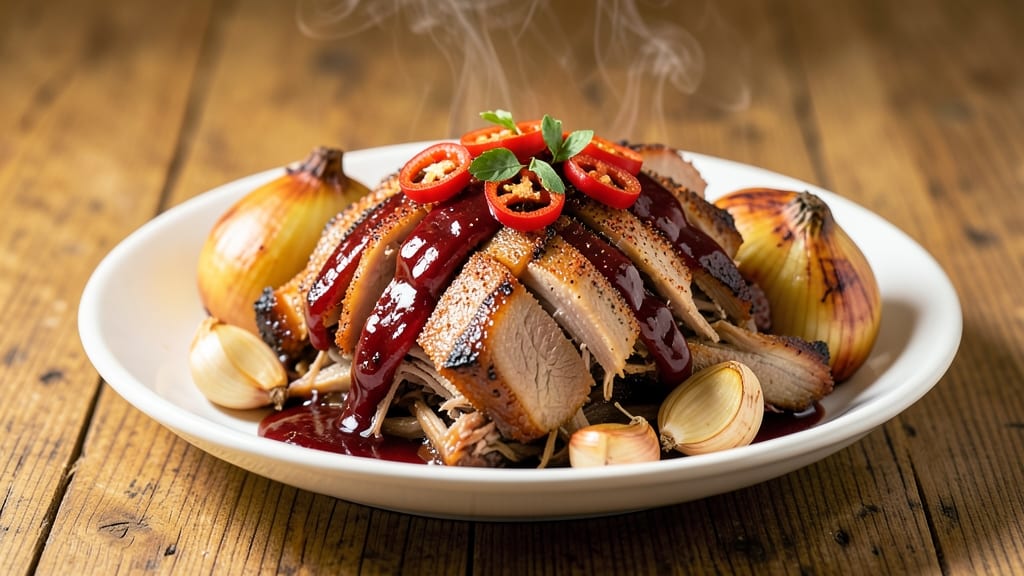
This Alabama pulled pork recipe delivers the tender, fall-apart meat that defines Southern BBQ tradition. Growing up in Georgia, I learned that slow-cooked pork shoulder—smothered in smoky, slightly sweet heat—isn’t just food, it’s an experience.
The key lies in balancing chipotle’s smoldering depth with just enough sweetness to keep every bite memorable.
What sets Alabama-style apart is its bold, vinegar-based sauce—tangy enough to cut through the richness while letting the pork’s natural flavor shine. We’ll use a dry rub first to build that signature bark, then slow-cook until the meat practically shreds itself.
This method transforms tough cuts into melt-in-your-mouth perfection, guaranteed to impress even the most seasoned BBQ judges.
The result is restaurant-quality pulled pork that’s worth the wait—juicy, smoky, and packed with that signature Alabama tang. Serve it on buttery white bread with crisp pickles or alongside classic cornbread for a meal that feels like a Southern Sunday supper.
The leftovers? Even better the next day, reheated with a splash of sauce to keep them moist.
Whether you’re hosting a backyard gathering or just craving comfort food, this recipe delivers the authentic Alabama taste without shortcuts. Let’s get cooking—your taste buds (and your guests) will thank you.
Ingredients for alabama pulled pork
Six ingredients build the rub, twelve bring the Alabama tang to life.
| Ingredient | Amount | Notes |
|---|---|---|
| Pork Shoulder (Boston Butt) 🥓 | 4 lb | Bone-in for maximum flavor |
| Yellow Onion 🧅 | 1 whole | Diced for rub and sauce |
| Garlic Cloves 🧄 | 6 cloves | Minced for rub and sauce |
| Chipotle Peppers in Adobo 🌶️ | 2 tbsp | Paste from can, blended smooth |
| Smoked Paprika 🌶️ | 2 tbsp | For deep smoky flavor |
| Brown Sugar 🍚 | ½ cup | Light or dark preferred |
| Apple Cider Vinegar 🍏 | ¼ cup | For Alabama tang |
| Kosher Salt 🧂 | 1 ½ tbsp | Diamond Crystal preferred |
| Ground Black Pepper 🌶️ | 1 tsp | Freshly cracked |
| Dried Thyme 🌿 | 1 tsp | Or 1 tbsp fresh |
| Beef Broth 🍲 | 1 cup | Low-sodium preferred |
| Honey 🍯 | 1 tbsp | Wildflower preferred |
| Olive Oil 🫒 | 2 tbsp | For pork sear |
The pork shoulder is non-negotiable—bone-in delivers the best flavor and moisture. Look for cuts labeled "Boston butt" at Costco or your butcher shop; Trader Joe's often carries pre-cut shoulders too. If buying whole, trim excess fat but leave a thin layer for flavor. The chipotle peppers in adobo should be from a can labeled "smoked"—the heat and smokiness are what make this Alabama-style special. Penzeys carries excellent adobo sauce if you prefer to use that instead of the canned peppers.
No chipotle peppers? Substitute 1 tbsp smoked paprika plus 1/2 tsp cayenne for heat. Running low on apple cider vinegar? White vinegar or lemon juice works in a pinch, though the flavor won't be identical. The brown sugar can be swapped for white sugar if that's what you have, but light brown adds subtle molasses notes. For the beef broth, low-sodium is key—you don't want to over-salt the final dish. If you're making this ahead, prep the dry rub and sauce components separately so everything stays fresh until cooking day.
The dry rub keeps for 2 weeks in an airtight container, while the sauce mixture stays fresh for 5 days in the fridge. The pork shoulder can be prepped a day ahead—pat it dry and apply the rub, then refrigerate uncovered for 12-24 hours to develop that signature bark. Leftovers reheat beautifully; store them in the fridge for 4-5 days or freeze for 3 months. When reheating, add a splash of broth or sauce to keep the meat moist.
Why You'll Love This Recipe
- One-Pot Magic: I swear, this recipe is the rare one where you chop one onion, mince a few garlic cloves, and walk away. The pork shoulder does all the work—slow-cooked until it falls apart like a dream, while those chipotle peppers and smoked paprika work their smoky, spicy magic in the background. No flipping, no fussing, just set it and forget it.
- Smoky Heat Bang: That first bite? It’s the kind of flavor that makes you pause mid-chew. The chipotle peppers in adobo bring just the right kick, while the smoked paprika adds this deep, earthy warmth that sticks with you. Honestly, the pork shoulder soaks up those flavors like a sponge—tender, juicy, and packed with that Alabama soul.
- Tailgate to Tuesday: Between us, this pulls double duty better than most recipes. Serve it on buns with coleslaw for a tailgate classic, or pile it into tacos for a weeknight win. My kids even ask for it in their lunchboxes—yes, even on a Tuesday. The leftovers? They’re just as good reheated (or cold, if you’re sneaky).
- Budget Stretch King: A whole pork shoulder feeds a crowd for less than $10, and it keeps giving. I’ve turned one cook into three meals: pulled pork sandwiches, loaded baked potatoes, and even a hearty pasta dish. The onions and garlic are cheap staples, and that jar of chipotles? You’ll use it again. It’s the kind of recipe that makes grocery day feel like a victory.
Step-by-step instructions for Alabama pulled pork
Here's how to transform a simple pork shoulder into melt-in-your-mouth pulled pork with that signature Alabama kick.
Prepare the Pork and Create the Chipotle Rub
Start by removing the pork shoulder from the refrigerator and letting it sit at room temperature for 30 minutes. This ensures even cooking throughout. Pat the pork dry with paper towels—this step is crucial for that perfect crispy bark later.
In a small bowl, combine the 2 tablespoons chipotle peppers in adobo, 2 tablespoons smoked paprika, ½ cup brown sugar, 1½ tablespoons kosher salt, 1 teaspoon ground black pepper, and 1 teaspoon dried thyme. Mix well to create a fine, even rub. Generously coat the pork shoulder with this mixture, pressing it into the meat so it adheres completely. Place the seasoned pork on a wire rack set over a baking sheet to allow air circulation on all sides.
Sear the Pork for Maximum Flavor
Heat a large oven-safe Dutch oven over medium-high heat. Add 2 tablespoons olive oil and let it get hot but not smoking. Carefully place the pork shoulder fat-side down in the pot. Let it sear undisturbed for 5 minutes until the fat begins to render and the skin turns golden brown. Flip the pork and continue searing for another 5 minutes on the second side.
Real talk: Don't rush this step. The rendered fat and caramelized exterior create layers of flavor that make all the difference. Once both sides are beautifully browned, remove the pork from the pot and set it aside on a plate.
Build the Alabama Sauce
In the same Dutch oven, add the 1 whole yellow onion and 6 cloves garlic cloves that have been minced. Sauté for 5 minutes until the onions soften and become translucent. Pour in the ¼ cup apple cider vinegar and scrape up any browned bits from the bottom of the pot—this is where all the flavor hides.
Add the 1 cup beef broth, 1 tablespoon honey, and return the pork shoulder to the pot fat-side up. Bring the mixture to a simmer, then cover the pot with a lid. The reason we don't seal it completely? We want that signature bark to develop while the meat cooks low and slow.
Slow Cook Until Fork-Tender
Transfer the Dutch oven to a 275°F oven. Cook for 4 hours, then check the internal temperature with a meat thermometer. When it reaches 195°F, the pork will be fork-tender and ready to shred. If it hasn't reached this temperature, continue cooking in 30-minute increments until it does.
I know it seems like a long wait, but this slow cooking process is what transforms tough pork into tender, pull-apart perfection. The sauce will reduce and thicken during this time, creating that perfect Alabama-style consistency.
Shred and Finish the Sauce
Remove the pork from the oven and let it rest for 15 minutes. Using two forks, shred the pork directly in the pot, breaking it down into fine strands. Discard any large fat chunks or connective tissue. Return the shredded pork to the pot and stir to combine with the sauce.
Taste and adjust the seasoning if needed. For serving, transfer the pulled pork to a platter and keep the sauce warm in the pot. This dish tastes best when served immediately, straight from the oven with that warm, smoky aroma filling your kitchen.
Pro Tips For Making Alabama Pulled Pork
- Trim the Fat First: Slice off that thick layer of fat from the pork shoulder before cooking—it’s not just for flavor, it’s for even cooking. I learned this after one batch where the fat rendered unevenly, leaving some parts greasy and others dry.
- Blend the Adobo Paste: Don’t just chop the chipotle peppers—blend them with the adobo sauce until smooth. That way, the heat and smokiness coat every bite instead of hiding in clumps. (Yes, even if you’re impatient like me.)
- Don’t Rush the Rest: Let the pork shoulder sit under foil for at least 30 minutes after pulling it from the heat. Skipping this step means you’ll end up with shreds that fall apart like overcooked pasta—no one wants that.
- Char the Onions First: Sear the onions and garlic in a dry pan until deep brown before adding them to the pork. That caramelized flavor cuts through the richness of the pork and adds depth—it’s the thing that makes this dish taste like a Southern pitmaster’s.
Storing and reheating your leftovers
Refrigerator Magic
Alabama pulled pork tastes even better the next day—trust me, the flavors meld like a Sunday supper. Store leftovers in an airtight container (I swear by Glasslock containers) for up to 5 days at 40°F or below.
The key is to let it cool completely before refrigerating to prevent bacteria growth. When reheating, add 2-3 tablespoons of sauce or broth to keep it moist and tender. 💫
Freezer-Friendly Secrets
For longer storage, freeze your pulled pork in quart-sized freezer bags (lay them flat to save space). It keeps for 3 months without losing texture. When ready to eat, thaw overnight in the fridge, then reheat gently.
I like adding a splash of apple cider vinegar (just 1 tsp) to revive the tangy Alabama flavor after freezing. ❄️
Stovetop Revival
My go-to method for reheating is the stovetop—it preserves that smoky, saucy goodness. Heat low-medium (never high!) with 1-2 tbsp of sauce or broth per 2 cups of pork. Stir occasionally for 8-10 minutes until piping hot.
The sauce will thicken slightly, so add extra if needed. Pro tip: Cover with a lid to trap steam and keep it juicy. 🔥
Slow Cooker Rescue
Short on time? Pop your pulled pork into a slow cooker on low heat for 2-3 hours with ½ cup broth or sauce. Stir occasionally to distribute heat evenly.
This method works best for smaller batches—don’t overfill, or the meat will dry out. I’ve even reheated frozen pork this way (thawed first) with great results. 💡
Microwave Shortcut
For quick lunches, microwave covered in 1-minute bursts on 50% power. Start with 2 minutes, then add 30-second intervals until heated through. Add 1 tbsp sauce or water to prevent drying.
Stir well between bursts—this keeps the texture tender. It’s not perfect, but it’s a lifesaver when you’re in a rush. 🚀
Sauce Boost Tip
If your reheated pork seems dry, don’t toss it! Stir in 1-2 tbsp of fresh sauce (mix apple cider vinegar, honey, and smoked paprika) to revive the flavors.
This little hack makes leftovers taste like they just came off the grill. Honestly, it’s my secret weapon for keeping this dish exciting all week. 🌶️
Nutrition facts
Frequently asked questions
What makes Alabama pulled pork different from other BBQ styles?
The signature Alabama kick comes from its vinegar-based sauce—tangy and slightly sweet—that cuts through the richness of the pork. Unlike North Carolina's vinegar-pepper sauce or Kansas City's sweet tomato-based styles, Alabama's version balances chipotle heat with apple cider vinegar and just enough honey for depth. The slow-cooking method also creates that signature fall-apart tenderness that defines Southern BBQ.
Can I use a slow cooker instead of the oven?
For a slow cooker version, sear the pork first, then transfer it to your slow cooker with the sauce. Cook on low for 8-10 hours or high for 5-6 hours until fork-tender. The key is to keep the pork submerged in liquid to prevent drying. I recommend adding ½ cup extra broth halfway through for moisture. The bark won't be as crispy, but the tenderness will be spot-on.
How do I know when the pork is fully cooked?
Use a meat thermometer—the pork is done when it reaches 195°F internally. At this temperature, the collagen breaks down, creating that signature pull-apart texture. If you don't have a thermometer, insert a fork or knife into the thickest part—it should slide in effortlessly, and the juices should run clear. Never guess with pork; undercooked meat can be tough and unsafe.
What's the best way to serve Alabama pulled pork?
Classic Southern style calls for buttery white bread or brioche buns, but don't stop there! Add crisp dill pickles to cut the richness, or serve with creamy coleslaw and cornbread. For a heartier meal, pile it over mashed potatoes or mac and cheese. The key is balancing textures—crunchy, creamy, and tender all in one bite.
Why did my pulled pork turn out dry?
Dry pulled pork usually means one of two things: either the pork was cooked too long at too high a temperature, or it wasn't kept moist during cooking. Always cook at 275°F or lower and keep the pork submerged in sauce or broth. If reheating leftovers, add 1-2 tbsp of sauce or broth per 2 cups of pork to restore moisture. Pro tip: Don't over-shred—large chunks hold onto moisture better than fine strands.