
Main Courses
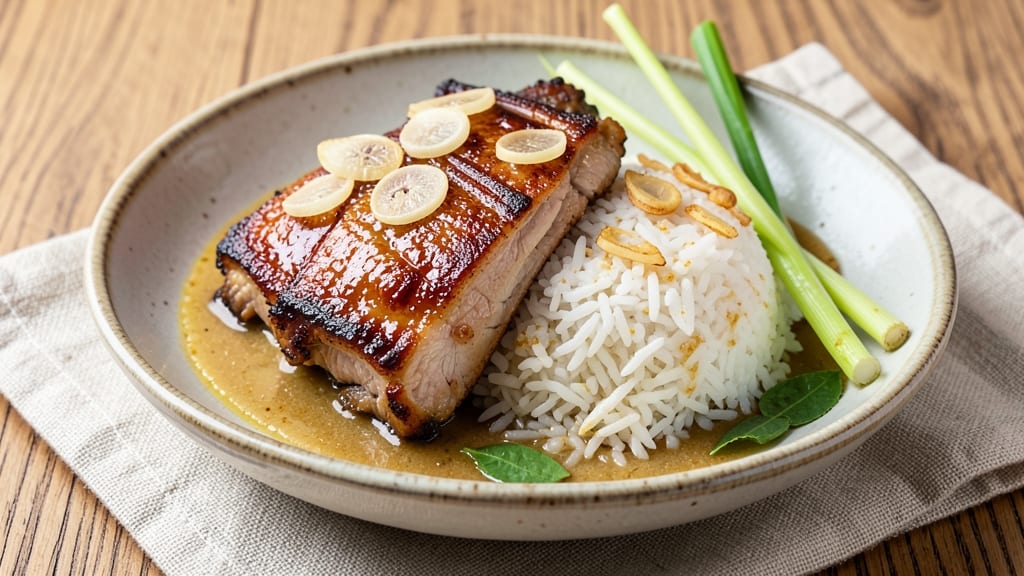
This fragrant Cambodian pork and rice recipe brings the bold flavors of Southeast Asia to your kitchen with minimal effort. The aromatic blend of lemongrass, coconut milk, and kaffir lime leaves transforms simple pork into tender, caramelized bites that pair perfectly with fragrant jasmine rice.
I developed this one-pan wonder after years of exploring Cambodian cuisine, where dishes like Kuy Teav (pork and rice) showcase the country's love for rich, herbaceous flavors.
The secret lies in the marinade—lemongrass and galangal create a fragrant base that infuses the pork with layers of citrusy depth, while coconut milk adds creamy richness. This dish is designed for simplicity: the pork cooks directly in the same pot where the rice steams, reducing cleanup and maximizing flavor.
The result is a meal that feels both rustic and refined, with every bite delivering a balance of savory, sweet, and herbal notes.
What makes this recipe special is its adaptability. Whether you're serving it for a weeknight dinner or a special occasion, the fragrant aromas will fill your home and impress your guests.
The dish comes together in under an hour, making it perfect for those who want restaurant-quality Cambodian flavors without the fuss. The tender pork, infused with lemongrass and coconut, sits beautifully alongside the fluffy jasmine rice, creating a harmonious plate that's as visually appealing as it is delicious.
Pair it with a simple cucumber salad or steamed greens to complete the meal. The bright acidity of the salad cuts through the richness of the pork, while the greens add a touch of freshness.
This recipe is a testament to how bold, complex flavors can be achieved with just a few key ingredients and a little patience. Let's get cooking!
Ingredients for cambodian pork and rice
Fragrant aromas start with these 14 ingredients—lemongrass, coconut, and pork create magic in one pot.
| Ingredient | Amount | Notes |
|---|---|---|
| Pork Shoulder 🥩 | 1 ½ lb | Cut into 1-inch cubes |
| Lemongrass Stems 🌿 | 4 whole | Bruised, bottom 3 inches only |
| Galangal 🍃 | 1 piece | About 3 inches long, sliced |
| Kaffir Lime Leaves 🍋 | 4 whole | Torn into pieces |
| Coconut Milk 🥥 | 13 ½ oz | Full-fat canned preferred |
| Jasmine Rice 🍚 | 1 cup | Uncooked, long-grain |
| Fish Sauce 🍶 | 2 tbsp | Red Boat preferred |
| Palm Sugar 🍯 | 2 tbsp | Or brown sugar substitute |
| Garlic Cloves 🧄 | 4 cloves | Minced |
| Shallots 🧅 | 3 whole | Minced |
| Vegetable Oil 🫒 | 2 tbsp | For searing pork |
| Salt 🧂 | 1 ½ tsp | Kosher or sea salt |
| Black Pepper 🌶️ | ½ tsp | Freshly ground |
| Lime Juice 🍋 | 2 tbsp | Freshly squeezed |
The pork shoulder is your secret weapon here—boneless, cut into even 1-inch cubes. Look for it at Asian markets or the butcher counter, where they'll often trim it for you. Lemongrass and galangal are non-negotiable for that authentic Cambodian depth. Thai or Vietnamese markets usually carry fresh galangal, but if you can't find it, ginger works in a pinch (though it's not the same). For coconut milk, full-fat canned is essential—the lighter versions won't give you that creamy richness. I always grab Aroy-D brand when I'm at Trader Joe's, but any quality brand works.
No fish sauce? Soy sauce plus a dash of anchovy paste gets you close, but trust me, Red Boat fish sauce is worth hunting down. Palm sugar is the star here—it's sweeter than brown sugar, so use it exactly as called for. Can't find palm sugar? Brown sugar at half the amount works, but the flavor won't be identical. Shallots add sweetness without overpowering the dish. Substitute with onions if needed, but shallots have that perfect balance. The kaffir lime leaves? Freeze extras—they keep for months and add instant Southeast Asian flair to any dish.
This dish tastes even better the next day, so make extra. Store leftovers in the fridge for 4-5 days or freeze for 3 months. The rice soaks up all the flavors, so portion it carefully. For a shortcut, pre-cook the rice separately and add it to the pot at the end—just don't skip the rice cooking water in the final step. The pork gets more tender with time, so plan ahead if you're serving guests. And always save some lime leaves for garnish—they make the dish look as good as it tastes.
Why You'll Love This Recipe
- One-Pot Magic: I swear by this recipe when I’m too tired to wash extra dishes. Toss everything—pork, lemongrass, galangal, and coconut milk—into a single pot, and let it simmer. The rice soaks up all that fragrant broth while the pork falls apart, so tender it melts in your mouth.
- Herb Bomb Flavor: Between us, the galangal and kaffir lime leaves pack a punch that lingers. It’s not just "good"—it’s the kind of taste that makes you pause mid-bite, like a secret you’ve finally unlocked. The coconut milk balances the heat, but the lemongrass keeps it bright.
- Leftovers That Don’t Suck: Honestly, this dish tastes better the next day. The flavors meld into something richer, and reheating it is a breeze—just a splash of water or coconut milk, and it’s back to creamy perfection. I’ve fed a houseful of people with one batch, and they all come back for seconds.
- Budget-Friendly Feast: Pork shoulder is cheap, and a few stalks of lemongrass or galangal stretch across multiple meals. I’ll be real: the kaffir lime leaves are pricier, but they make such a difference that I keep a bag in the freezer. This recipe turns affordable ingredients into a restaurant-worthy meal without breaking the bank.
Step-by-step instructions for Cambodian pork and rice
Here's how to create a fragrant, one-pan Cambodian masterpiece with tender pork and perfectly seasoned rice.
Prepare the Aromatics and Pork
First, let's get all our aromatic ingredients ready. Use a rolling pin to gently bruise the bottom 3 inches of each lemongrass stem—this releases their essential oils. Then, slice the galangal into thin rounds about ¼-inch thick. Tear the kaffir lime leaves into smaller pieces, discarding any tough stems. Finally, mince the garlic cloves and shallots finely—you want them almost paste-like for maximum flavor.
While the aromatics prep, cut the 1.5 lb pork shoulder into 1-inch cubes. I like to keep them fairly uniform in size so they cook evenly throughout. Pat them dry with paper towels—this helps them sear better and prevents the sauce from becoming watery.
Sear the Pork and Build the Base
Heat a large, heavy-bottomed pot or deep skillet over medium-high heat and add the 2 tablespoons vegetable oil. Once the oil shimmers, add the pork cubes in a single layer, letting them sit undisturbed for 2-3 minutes until they develop a deep golden-brown crust. This step is crucial—it locks in the juices and creates that rich, caramelized flavor we want in our dish.
Once the pork is browned on all sides, remove it from the pot and set it aside. In the same pot, add the bruised lemongrass stems, sliced galangal, and torn kaffir lime leaves. Sauté for 1-2 minutes until fragrant—you should smell that bright, citrusy aroma wafting through your kitchen. Then add the minced garlic cloves and shallots, cooking for another 30 seconds until softened and golden.
Simmer the Pork in Coconut Milk
Pour in the 13.5 oz coconut milk, scraping up any browned bits from the bottom of the pot with a wooden spoon. Return the pork to the pot and bring everything to a gentle simmer over medium-low heat. Here's where we let the flavors meld—simmer uncovered for 20 minutes, stirring occasionally. You'll notice the pork gradually softens and the sauce thickens slightly.
After 20 minutes, stir in the 2 tablespoons palm sugar, 2 tablespoons fish sauce, 1.5 teaspoons salt, and 0.5 teaspoon black pepper. Taste the sauce—it should be balanced between sweet, salty, and umami. If you want it more tangy, add a splash of the lime juice now. The pork is almost done, but we'll let it finish cooking in the rice.
Cook the Jasmine Rice
While the pork simmers, rinse the 1 cup jasmine rice under cold water until the water runs clear. This removes excess starch and prevents the rice from becoming gummy. Drain well and add it to the pork and coconut milk mixture. Stir everything together gently, making sure the rice is evenly distributed.
Bring the mixture to a boil over medium heat, then immediately reduce the heat to low. Cover the pot with a tight-fitting lid and let it steam for 15 minutes. After 15 minutes, uncover and stir gently to check the rice. If it's still slightly firm in the center, cover and cook for another 5 minutes. The rice should be tender with a slight bite—this is the perfect texture for Cambodian-style rice.
Finish and Serve
Once the rice is cooked, stir in the 2 tablespoons lime juice and give everything a final taste. Adjust the seasoning if needed—maybe a little more fish sauce for saltiness or a touch more palm sugar for sweetness. The pork should be fork-tender, falling apart easily when prodded.
Let the dish rest for 5 minutes before serving. This allows the flavors to settle and the rice to firm up slightly. Serve directly from the pot—it's meant to be a one-pan wonder! The rice will be fragrant with lemongrass and coconut, while the pork will be tender and infused with all those beautiful aromatics. Enjoy with a side of fresh herbs or a simple cucumber salad to cut through the richness.
Pro Tips For Making Cambodian Pork And Rice
- BLANCH THE GALANGAL FIRST: I learned this the hard way—skipping the quick blanch makes the galangal taste bitter and woody. Toss sliced galangal in boiling water for 30 seconds, then shock in ice water before using. It softens the texture and mellows the flavor so it blends smoothly with the coconut milk.
- SIMMER PORK LOW AND SLOW: This isn’t a race. After browning the pork shoulder, reduce heat to the lowest setting and let it cook uncovered for at least 45 minutes. The slow simmer breaks down the fat and collagen, giving you tender meat that practically falls apart—no rubbery surprises here.
- CRUSH LEMONGRASS STEMS: Don’t just chop them—pound the lemongrass stems with the flat side of a knife or a mortar and pestle until they release their oils. This step makes a real difference in aroma and depth of flavor, especially when simmering with the pork and coconut milk.
- SALVAGE COCONUT MILK SCORCH: If the coconut milk starts to split or burn, immediately turn off the heat and stir in a splash of cold water. The milk will re-emulsify, and you’ll save the dish from a curdled mess. (Yes, even if you’re impatient like me.)
Creative variations of this dish
Spicy Cambodian Style
For those who love heat, add 1-2 tbsp of red curry paste (like Maesri) to the coconut milk before simmering. This transforms the dish into a Kuy Teav Prasat—a spicy, aromatic version that balances the richness with a fiery kick.
I also like to stir in 1 tbsp of bird's eye chili paste at the end for extra depth. Garnish with fresh Thai basil and a squeeze of lime to brighten the heat. 🌶️
Coconut Milk-Free Version
If you're avoiding coconut milk, swap it for 1 cup of light chicken broth and add 1 tbsp of soy sauce for umami. Use 1 tbsp of fish sauce instead of the full amount to balance the flavors.
The dish will be lighter but still packed with lemongrass and galangal aromatics. This version works well for those with coconut allergies or dietary restrictions. 🥥
Vegetable-Packed Variation
Add 1 cup of diced bell peppers and 1 cup of snap peas during the final 5 minutes of cooking. The veggies absorb the fragrant coconut and lemongrass flavors beautifully.
For extra texture, stir in ½ cup of shredded cabbage at the end. This version keeps the dish hearty while adding a fresh, crunchy element. 🥦
Slow-Cooker Adaptation
Transfer the seared pork, aromatics, and coconut milk to a slow cooker and cook on LOW for 6-8 hours or HIGH for 3-4 hours. Add the rice and remaining ingredients in the last 30 minutes of cooking.
This hands-off method is perfect for busy weeknights—just stir and serve! The pork becomes incredibly tender, almost falling apart with a fork. ⏳
Herb-Infused Garnish
Elevate the dish with a herb garnish of cilantro, mint, and Thai basil mixed with a splash of lime juice. Sprinkle this fresh blend over the top just before serving. For extra flair, add toasted coconut flakes or crushed peanuts to give the dish a textural contrast.
This step adds a pop of color and freshness that makes the dish feel restaurant-worthy. 🌿
Breakfast Twist
Turn this into a Cambodian-style breakfast by serving it with a fried egg on top and a side of pickled vegetables. The runny yolk complements the rich pork and coconut sauce perfectly.
For extra protein, add crispy pork belly bits on the side. This version is hearty enough for brunch but still light enough for lunch. 🍳
Nutrition facts
Frequently asked questions
What makes this Cambodian pork dish different from other Asian pork recipes?
This recipe stands out with its signature blend of lemongrass, galangal, and kaffir lime leaves—aromatics that create a uniquely Cambodian flavor profile. Unlike Thai or Vietnamese dishes, Cambodian cuisine often features palm sugar for subtle sweetness and fish sauce for depth, creating a balance between savory, sweet, and herbal notes. The one-pot method also sets it apart by combining pork and rice in a single fragrant dish.
Can I use regular ginger instead of galangal?
While ginger works in a pinch, it won't give you that authentic Cambodian flavor. Galangal has a citrusy, peppery taste that's essential for this dish. If you can't find it, try Thai galangal (more citrusy) or use equal parts ginger and a pinch of black pepper to mimic the flavor. For best results, check Asian markets—they usually carry fresh galangal.
How do I know when the pork is fully cooked?
The pork should reach an internal temperature of 145°F and be fork-tender, falling apart easily when prodded. Since it finishes cooking in the rice, it's safe to eat even if it's not fully browned at the start. The long simmer in coconut milk ensures it becomes tender without drying out. For extra safety, use a meat thermometer.
What's the best way to store leftovers?
Store leftovers in an airtight container in the fridge for 4-5 days or freeze for 3 months. The flavors actually improve overnight as the rice absorbs more of the pork juices. When reheating, add a splash of water or coconut milk to prevent drying out. Microwave for 1-2 minutes or reheat on the stovetop over low heat with a lid.
Can I make this dish without a heavy-bottomed pot?
Yes, but use a pot with a thick base to prevent burning. If you only have a thin pot, reduce the heat to low-medium and stir more frequently to avoid sticking. A Dutch oven works perfectly if you have one. The key is gentle heat for the long simmer—rushing it can make the rice mushy.