
Main Courses
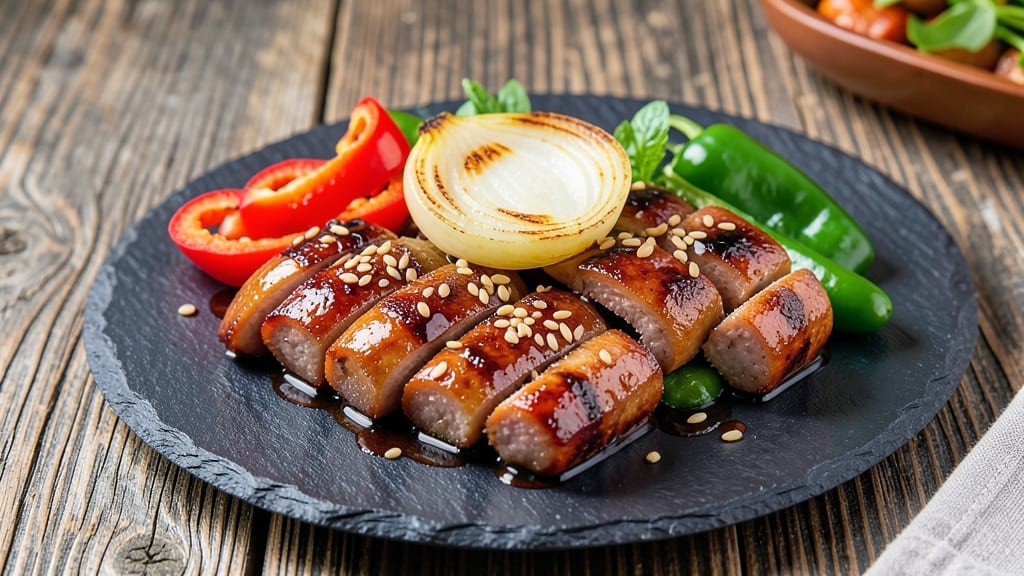
The fragrant garlic-ginger stir-fry transforms this simple Asian pork sausage recipe into a restaurant-worthy dish with just 20 minutes of active time. I developed this recipe after years of perfecting Asian street food flavors—where the balance of sweet, spicy, and umami creates an addictive bite.
The secret lies in marinating the sausage for at least 30 minutes, allowing the aromatics to penetrate deeply while keeping the meat tender.
This dish honors traditional Chinese stir-fry techniques but adapts them for home cooks with minimal effort. High heat sears the sausage while preserving its juices, then tosses it with a quick sauce that's both vibrant and deeply savory.
The result is crisp edges on the sausage, perfectly softened vegetables, and a glossy sauce that clings to every bite—just like my favorite takeout order, but better.
What makes this recipe special is its versatility. Serve it over steamed jasmine rice for a classic meal, or wrap the sausage in fresh lettuce leaves for a handheld version.
The flavors only deepen as it sits, making it perfect for meal prep. Garnish with sliced green onions and sesame seeds for that final restaurant-quality touch that elevates everything.
For those who love bold flavors, this stir-fry delivers without requiring advanced skills. The technique is straightforward, but the results feel luxurious—proof that authentic Asian cuisine can be both impressive and accessible. Let's get cooking!
Ingredients for asian pork sausage
Fragrant aromatics and umami-rich sauces transform simple pork sausage into restaurant-quality stir-fry magic.
| Ingredient | Amount | Notes |
|---|---|---|
| Asian Pork Sausages 🥓 | 1 ½ lb | High-quality, sliced into 1/2-inch pieces |
| Garlic Cloves 🧄 | 6 cloves | Minced for aromatic depth |
| Fresh Ginger 🌿 | ½ cup | Finely grated, skin removed |
| Green Bell Pepper 🧅 | 1 whole | Sliced into thin strips |
| Red Bell Pepper 🍅 | 1 whole | Sliced into thin strips |
| Yellow Onion 🧅 | 1 whole | Thinly sliced, outer skin removed |
| Fresh Green Onions 🌿 | ¼ cup | Sliced for garnish |
| Sesame Seeds 🌰 | 1 tbsp | Toasted for garnish |
| Soy Sauce 🍶 | ½ cup | Light or all-purpose preferred |
| Oyster Sauce 🍶 | 2 tbsp | For umami depth |
| Honey 🍯 | 2 tbsp | Pure, for sweetness balance |
| Rice Vinegar 🍶 | 1 tbsp | White or seasoned |
| Vegetable Oil 🫒 | 3 tbsp | High smoke point for frying |
| Salt 🧂 | 1 tsp | Kosher or sea salt |
| Black Pepper 🌶️ | ½ tsp | Freshly ground |
The sausage is the star, so look for high-quality Asian pork sausages at your local Asian market or well-stocked grocery store. Brands like Lee Kum Kee or Golden Boy are reliable choices, but any good-quality Chinese sausage will work. Fresh ginger and garlic are non-negotiable here—their aromatic compounds are what create that signature street food flavor. If you can't find fresh ginger, substitute with 1/4 cup ginger paste, but fresh is always better. For the bell peppers, mix colors for visual appeal, but stick to green and red for that classic stir-fry look.
No oyster sauce? Substitute with 1 tbsp soy sauce plus 1 tbsp hoisin sauce—it won't be identical, but it'll get you close. Running out of rice vinegar? Apple cider vinegar works in a pinch, though it has a slightly different tang. The honey can be swapped for maple syrup or agave nectar if you're avoiding refined sugar. For the sesame seeds, toast them in a dry pan for 30 seconds to bring out their nutty aroma—don't skip this step. If you're prepping ahead, slice all your vegetables and store them separately in airtight containers.
This stir-fry reheats beautifully—just toss it in a hot skillet with a splash of water for 2-3 minutes to revive the crisp edges. The flavors actually improve overnight, so it's perfect for meal prep. Store leftovers in the fridge for 3-4 days or freeze for up to 3 months. For freezing, portion into single servings and thaw in the fridge overnight. The sauce can be made ahead too—keep it in a jar in the fridge for up to 1 week. Garnish with fresh green onions and toasted sesame seeds right before serving for that restaurant-quality finish.
Why You'll Love This Recipe
- One-Pan Magic: The sausages and peppers practically cook themselves—just slice, toss, and let the pan do the work. No chopping boards, no extra pots, just that smoky garlic-ginger aroma filling your kitchen in minutes.
- Flavor Explosion: That first bite? The crispy sausage skins meet tender meat, while the charred bell peppers add sweetness—honestly, the ginger and garlic make it taste like you slaved for hours (but you didn’t).
- Weeknight Hero: Toss these into rice bowls, noodles, or even a quick stir-fry—it’s my go-to when I need something fast but still feels special. (Yes, even on a Tuesday night.)
- Budget Win: A single package of sausages stretches across multiple meals, and the peppers add color without breaking the bank. Leftovers? They disappear just as fast as the first batch.
Step-by-step instructions for garlic-ginger Asian pork sausage stir-fry
Master this aromatic stir-fry with precise timing and flavor balance for restaurant-quality results.
Prep All Ingredients for Even Cooking
Start by slicing the 1.5 lb Asian pork sausages into ½-inch pieces for quick, even cooking. I like to cut them against the grain slightly to ensure tenderness. Finely mince the 6 cloves garlic cloves and grate the ½ cup fresh ginger using a microplane—this releases maximum flavor and aroma.
Slice the green bell pepper, red bell pepper, and yellow onion into thin strips about ¼-inch wide. Thin slices ensure they cook quickly and remain crisp-tender. For the ¼ cup fresh green onions, slice both the white and green parts separately—we'll use the whites in the stir-fry and save the greens for garnish. Toast the 1 tablespoon sesame seeds in a dry skillet over low heat for 2 minutes until golden and fragrant—set aside for garnish.
Stir-Fry the Pork Sausage Until Golden
Heat 3 tablespoons vegetable oil in a large wok or skillet over medium-high heat until shimmering. Add the sliced pork sausages in a single layer and cook undisturbed for 3-4 minutes until they develop a deep golden-brown crust. This initial sear locks in juices and builds flavor.
Once golden, stir the sausages and continue cooking for another 2-3 minutes until they're cooked through. Remove the pork from the wok and set aside on a plate. If the oil starts smoking, reduce the heat slightly—we want to maintain control without burning the garlic and ginger next.
Build the Flavor Base with Aromatics
In the same wok (no need to wipe it clean—those browned bits are pure flavor), add the minced garlic and grated ginger. Cook over medium heat for 30 seconds until fragrant—you should smell that pungent, fresh aroma. Add the sliced onions and bell peppers, stirring to combine.
Cook the vegetables for 4-5 minutes until they begin to soften but still retain a slight crunch. The onions should turn translucent while the peppers maintain their vibrant color. This stage is where the garlic and ginger release their full potential, forming the aromatic foundation of the dish.
Combine Sauces and Finish the Stir-Fry
Return the cooked pork sausages to the wok. Add the ½ cup soy sauce, 2 tablespoons oyster sauce, 2 tablespoons honey, and 1 tablespoon rice vinegar. Stir everything together and bring to a gentle simmer over medium heat.
Cook for 3-4 minutes until the sauce thickens slightly and coats the pork and vegetables evenly. Taste and adjust seasoning with the 1 teaspoon salt and ½ teaspoon black pepper if needed. The sauce should be glossy, balanced between savory, sweet, and slightly tangy. If it's too thick, add 1-2 tablespoons water to loosen it.
Garnish and Serve Immediately
Remove the stir-fry from heat and stir in the sliced white parts of the ¼ cup fresh green onions for a fresh finish. Divide among 4 serving plates, garnishing each with the toasted sesame seeds and the reserved green onion tops. Serve immediately over steamed jasmine rice or noodles for the best texture contrast.
This dish tastes best right away while the pork is still juicy and the vegetables retain their crisp-tender quality. The aromatic garlic-ginger base should permeate every bite, with the sweet-savory sauce perfectly coating each piece of pork and vegetable. Leftovers can be refrigerated for up to 3 days, but I promise you won't have any!
Pro Tips For Making Asian Pork Sausage
- Slice the Sausages Lengthwise: Cutting these sausages in half lengthwise instead of chopping them lets the garlic, ginger, and peppers sear right into the meat—no dry, tough bits. I used to panic about losing shape, but they hold together just fine if you’re gentle with the knife.
- Char the Ginger First: Toss the fresh ginger in a dry pan for 30 seconds before adding oil—it crisps up and deepens that warm, spicy punch. After burning my first batch, I realized this step turns "background flavor" into the star.
- Don’t Overcrowd the Pan: Cook the sausages in batches if needed, or they’ll steam instead of brown. I learned this the hard way when my first try came out pale and soggy—crowding kills the crispy edges you actually want.
- Save Time with Pre-Minced Garlic: Skip peeling and chopping garlic cloves when you’re in a rush—just use the jarred minced kind, but add it after the sausages start browning. It won’t caramelize as much, but it’ll still taste right without extra prep.
Troubleshooting this recipe
Pork Too Dry?
If your sausage ends up dry, you likely overcooked it or didn't let it rest after searing. I see this happen when people stir too frequently during the initial 3-4 minute sear.
Let the pork develop that golden crust undisturbed—this locks in moisture. Also, slice the sausage against the grain into ½-inch pieces for maximum tenderness. 💡
Sauce Too Thin?
The sauce should coat the back of a spoon but not be watery. If it's too thin, you likely added too much rice vinegar or didn't cook it long enough. Simmer the sauce uncovered for an extra 1-2 minutes to reduce it.
For extra thickness, mix 1 teaspoon cornstarch with 1 tablespoon water, then stir into the sauce at the end. Trust me, this works every time.
Vegetables Overcooked?
Bell peppers and onions need quick cooking to stay crisp-tender. If they're mushy, you probably cooked them too long after adding the sauce. Remove them from the wok 30 seconds earlier than the pork and keep them warm separately.
I like to toss them with a pinch of salt and a drizzle of oil while finishing the pork—this keeps them bright and fresh. ✨
Garlic Burning?
Garlic burns faster than you think! Cook it over medium heat for just 30 seconds until fragrant—never let it brown. If it starts to darken, immediately add the onions and peppers to cool things down.
The key is keeping that heat controlled while still building flavor. A quick tip: Use a microplane for ginger and garlic—it gives you more surface area for faster cooking without burning.
Sausage Too Greasy?
If your stir-fry feels oily, you might have used too much vegetable oil or didn't drain excess fat from the sausage. I recommend using 3 tablespoons oil total and patting the sliced sausage dry with paper towels before cooking.
For extra crispiness without grease, try 1 tablespoon avocado oil instead—it has a higher smoke point and lighter finish. 🌶️
Flavor Too Mild?
This happens when the aromatics don't cook long enough or the sauce lacks umami. Boost flavor by cooking the garlic and ginger until they're just starting to turn golden—this deepens their aroma. For extra punch, add ½ teaspoon red pepper flakes or 1 teaspoon fish sauce to the sauce.
I also like a splash of dark soy sauce for color and depth—it's a game-changer for restaurant-style flavor.
Nutrition facts
Frequently asked questions
What's the best way to store leftover Asian pork sausage?
Store leftovers in an airtight container in the fridge for 3-4 days. For longer storage, freeze portions in single-serving containers for up to 3 months. Thaw overnight in the fridge—never at room temperature—to preserve texture. The flavors actually improve overnight, making it perfect for meal prep!
Can I substitute regular ground pork for Asian pork sausage?
Yes, but the texture and flavor will differ. For best results, use 80/20 ground pork and add 1 teaspoon five-spice powder plus ½ teaspoon soy sauce to mimic the sausage's depth. The fat content helps create that signature crispy edge when stir-frying.
How do I make this recipe spicier?
Add ½ teaspoon red pepper flakes or 1 teaspoon sriracha to the sauce for heat. For extra depth, include 1 clove minced garlic roasted with the ginger—this intensifies the spicy aroma. Start with less and adjust to taste, as spice levels vary by brand.
What's the secret to getting crispy sausage edges?
Pat the sliced sausage dry with paper towels before cooking and use medium-high heat in a well-heated wok or skillet. Cook undisturbed for 3-4 minutes to develop a golden crust. Avoid stirring too soon—this traps moisture and prevents crispiness.
Can I make this gluten-free?
Yes! Use tamari or coconut aminos instead of soy sauce and check oyster sauce labels for gluten. For extra umami, add 1 teaspoon fish sauce or 1 tablespoon gluten-free Worcestershire sauce. The stir-fry remains just as flavorful with these swaps.