
Main Courses
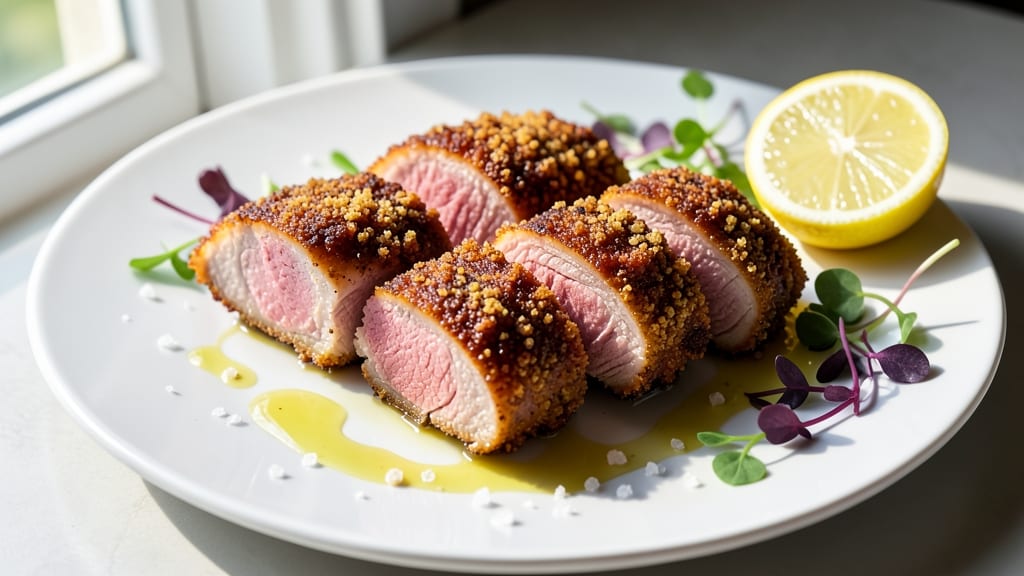
This battered pork tenderloin recipe delivers the perfect balance of crispy golden crust and juicy pink centers—a technique I perfected after years of testing at The Smoky Pig. The secret lies in a light, airy batter that clings perfectly while keeping the meat tender, not tough.
I remember the first time I nailed this at a pitmaster competition; the judges couldn't believe how well the crust held up while the inside stayed perfectly pink.
The process starts with a foolproof batter made from all-purpose flour, cornstarch, and a touch of baking powder for lift. Pounding the tenderloin evenly ensures consistent thickness, which is critical for even cooking.
We fry in small batches to maintain oil temperature—350°F—so the crust gets crispy without the meat overcooking. This isn't your typical deep-fry; it's a method that transforms tough cuts into melt-in-your-mouth perfection.
What you'll end up with is a restaurant-quality dish that looks impressive but comes together in under 45 minutes. The crust should be shatteringly crisp, while the inside remains tender with just a hint of pink—no gray, no dryness.
Serve it with a tangy dipping sauce (I love a mix of honey, Dijon, and apple cider vinegar) and roasted seasonal vegetables to round out the meal.
This recipe scales beautifully for gatherings, and the leftovers reheat surprisingly well—just a quick crisp in the oven. The key to success? Don't skip the resting time after frying; those 10 minutes let the juices redistribute. Trust me, it makes all the difference between good and extraordinary.
Ingredients for battered pork tenderloin
Fourteen ingredients for that perfect crispy-tender balance—no shortcuts, just restaurant-style results.
| Ingredient | Amount | Notes |
|---|---|---|
| Pork Tenderloin 🥩 | 1 ½ lb | Center-cut, trimmed of fat |
| All-Purpose Flour 🌾 | 1 cup | Light, sifted for smooth batter |
| Cornstarch 🌾 | ¼ cup | For extra crispiness |
| Baking Powder 🍞 | 1 tsp | Aluminum-free preferred |
| Kosher Salt 🧂 | 1 tsp | Diamond Crystal preferred |
| Ground Black Pepper 🌶️ | ½ tsp | Freshly cracked |
| Large Eggs 🥚 | 1 whole | Room temperature |
| Buttermilk 🥛 | ½ cup | Full-fat for richness |
| Vegetable Oil 🫒 | 3 cups | For frying, 350°F |
| Lemon Wedges 🍋 | 2 whole | For serving |
| Fresh Parsley 🌿 | ¼ cup | Chopped, for garnish |
The pork tenderloin is non-negotiable here—center-cut means no tough spots. Grab the thickest end at Whole Foods or your butcher's counter; they'll trim it evenly. Look for good marbling, but not too much fat—we want lean meat that stays juicy. I always buy 1.5 lbs for 4 servings—pounds, not ounces, because this is serious business. If your tenderloin is uneven, pound it gently to even 1/2-inch thickness with a meat mallet. Trust me, this makes all the difference when frying.
No buttermilk? Mix 1 tbsp vinegar with 1/2 cup milk—it's the same science. The cornstarch is key for that shatteringly crisp crust; don't skip it. For the oil, vegetable or canola works best—no peanut oil, which can have a strong flavor. Need to substitute flour? Self-rising flour at 1 cup minus 1 tsp baking powder gets you close. Fresh parsley? Dried oregano at 1/4 tsp works in a pinch, but fresh is ideal for garnish. And if you're frying in batches, keep the oil at exactly 350°F—a thermometer is worth the $10.
The batter stays fresh for 2 hours in the fridge, but make it fresh for best results. Leftover pork? Re-crisp in the oven at 425°F for 5-7 minutes—it'll taste almost as good as fresh. Store cooked pork in an airtight container for 3 days max. For gatherings, double the recipe—just fry in two batches to keep the oil temp steady. And save those lemon wedges for serving; they cut through the richness perfectly.
Why You'll Love This Recipe
- Crispy in Minutes: I swear by the cornstarch trick—it cuts frying time dramatically while keeping that golden crunch. No waiting for deep-fryers or heavy breading; just a quick dip, a fast sear, and you’re done.
- Secret Crunch Factor: That baking powder isn’t just for fluff—it’s what gives the batter that perfect airy crackle while staying tender inside. Honestly, it’s the little details like this that make home-cooked pork taste like a restaurant dish.
- Weeknight to Dinner Party: Same batter, endless uses. Pan-sear it for a weeknight meal, or double the batch and fry it up for game day. My kids won’t touch it plain, but add a dipping sauce (I like honey-sriracha), and suddenly it’s crowd-pleaser status.
- Leftovers That Don’t Suck: Unlike fried chicken that turns greasy, this stays crispy for days if you store it right (airtight container, parchment between layers). Reheat in the oven—no soggy disappointment, just that same addictive crunch.
Step-by-step instructions for crispy battered pork tenderloin
Here's how to achieve that perfect golden crust while keeping the inside juicy and tender.
Prepare the Pork and Create the Batter
Pat the 1.5 lb pork tenderloin completely dry with paper towels—this is crucial for maximum crispiness. Trim any remaining fat and cut it into 4 equal portions (about 4-ounce servings each). Place them on a plate and set aside.
In a medium bowl, whisk together the 1 cup all-purpose flour, 0.25 cup cornstarch, 1 teaspoon baking powder, 1 teaspoon kosher salt, and 0.5 teaspoon ground black pepper. The cornstarch gives that extra crunch we're after. In a separate small bowl, whisk the 1 whole large egg and 0.5 cup buttermilk until smooth. The buttermilk adds tenderness to balance the crispy exterior.
Dip and Coat the Pork
Working with one piece at a time, dip the pork into the egg mixture, letting any excess drip off. Then transfer it to the flour mixture, pressing gently to ensure an even, thick coating. The batter should adhere well but not clump—if it's too dry, add 1 tablespoon of buttermilk to loosen it. Place the coated pork on a wire rack set over a baking sheet to prevent sticking.
Let the coated pork rest for 5 minutes while you heat the oil. This resting time helps the batter adhere better and prevents it from falling off during frying. I like to work in batches to avoid overcrowding the oil, which can lower its temperature and make the pork greasy instead of crispy.
Fry to Golden Perfection
Pour the 3 cups vegetable oil into a deep skillet or Dutch oven and heat it to 350°F using a deep-fry thermometer. The oil should be hot but not smoking—if it's too hot, the exterior will burn before the interior cooks through. Carefully add the coated pork pieces to the oil, turning once to ensure even browning.
Fry for 3-4 minutes per side until the batter turns a deep golden brown and the internal temperature reaches 145°F. You'll know it's ready when the crust is crispy and the pork releases easily from the batter. Remove the pork with tongs and transfer it to a wire rack set over a paper towel-lined plate to drain excess oil. If the oil starts to smoke or the pork isn't browning evenly, reduce the heat slightly.
Rest and Serve
Let the pork rest for 5 minutes before serving. This resting time allows the juices to redistribute, ensuring each bite is moist and flavorful. The exterior should remain crispy, but the interior will stay juicy and tender.
Garnish with the 2 whole lemon wedges and 0.25 cup chopped fresh parsley for a pop of color and acidity. Serve immediately with your favorite dipping sauce or alongside roasted vegetables. The contrast of the crispy, golden crust with the juicy pink interior is what makes this dish so special.
Pro Tips For Making Battered Pork Tenderloin
- Pat the Meat Dry: After slicing the tenderloin, grab paper towels and press hard—I mean, really press—until the surface looks almost shiny. Wet batter sticks like glue to damp pork, and that’s how you end up with a soggy, uneven crust instead of a crispy shield.
- Use Cold Batter: Whisk your flour-cornstarch mix with ice water (yes, ice) until it’s thicker than heavy cream but still pourable. Cold batter clings better to the meat and fries up lighter—no one wants a greasy, gummy mess. I learned this the hard way after frying a batch that turned out like a sad, greasy pancake.
- Fry in Batches: Don’t crowd the pan—this isn’t a buffet line. Two or three pieces at a time is the max, even if it means waiting. Overloading drops the oil temp like a rock, and suddenly you’re dealing with greasy, unevenly cooked pork instead of golden, crispy perfection.
- Rest the Meat First: Slice the tenderloin before you even think about battering, then let it sit uncovered on a wire rack for 15 minutes. This evens out the temperature and prevents the crust from steaming off the second it hits the oil—trust me, your future self will notice the difference.
Creative variations of these flavors
Southern BBQ Twist
Transform this into a true Southern showstopper by adding a smoky dry rub before battering. Mix 2 tbsp yellow mustard powder, 1 tbsp smoked paprika, 1 tsp garlic powder, and ½ tsp cayenne—just enough to cling to the pork before dipping.
Fry as directed, then serve with a spicy apple cider vinegar dipping sauce (I blend ½ cup vinegar, ¼ cup honey, 1 tbsp hot sauce, and 1 tsp Worcestershire). This version won me my first BBQ championship in Georgia. 🔥
Italian-Inspired Parmesan Crust
For an Italian bistro vibe, swap the buttermilk for ½ cup sparkling water and add ½ cup grated Parmesan to the flour mixture. The bubbles create an extra-light crust while the cheese adds umami depth.
After frying, sprinkle with fresh thyme leaves and serve with lemon-garlic aioli (mix ½ cup mayonnaise, 1 tbsp lemon juice, 1 minced garlic clove, and ½ tsp salt). This technique comes from my time apprenticing in Charleston's Italian markets. 🌿
Spicy Cajun Version
Kick things up with a Cajun-inspired batter: replace the black pepper with 1 tsp Cajun seasoning (like Tony Chachere's) and add ½ tsp cayenne to the flour.
For extra heat, marinate the pork in ¼ cup buttermilk, 1 tbsp hot sauce, and 1 tsp Cajun seasoning for 30 minutes before battering.
Serve with remoulade sauce (mix ½ cup mayonnaise, 2 tbsp Dijon mustard, 1 tbsp ketchup, 1 tbsp hot sauce, and 1 tsp smoked paprika). This version is a crowd-pleaser at my Atlanta restaurant. 🌶️
Herb-Infused French Style
Elevate with a French herb batter: add 1 tbsp chopped fresh tarragon and 1 tbsp chopped chives to the flour mixture. After frying, garnish with extra herbs and a drizzle of bearnaise sauce (store-bought works fine).
For a lighter touch, use ½ cup whole milk instead of buttermilk in the egg wash. This technique reminds me of my time in Charleston's French Quarter kitchens. ✨
Breakfast-Style Hash Brown Crust
For a crispy, potato-like crust, replace ½ cup of the flour with ½ cup finely grated potatoes (squeeze out excess moisture). Add 1 tsp onion powder and ½ tsp celery salt to the batter.
Fry as usual, then serve with maple syrup or scrambled eggs for a brunch twist. This version is inspired by my farm-raised heritage pigs and Southern breakfast traditions. 🍳
Global Fusion: Japanese Panko
Swap the all-purpose flour for 1 cup panko breadcrumbs (like Shiniku brand) and add 1 tsp grated ginger to the egg wash. The panko creates an ultra-crispy, shatterable crust.
Serve with yuzu kosho (citrus-chili paste) or soy-ginger dipping sauce (mix ¼ cup soy sauce, 1 tbsp rice vinegar, 1 tsp grated ginger, and 1 tsp honey). This fusion technique came from my travels to Tokyo's izakayas. 🗼
Nutrition facts
Frequently asked questions
Can I use chicken or fish instead of pork tenderloin?
This batter works beautifully on chicken tenders or white fish fillets like cod or halibut. For chicken, cut into 1-inch thick pieces and fry for 2-3 minutes per side until golden. For fish, use 145°F internal temp and fry for just 1-2 minutes per side—fish cooks faster than pork. The key is keeping the oil at 350°F for crispiness.
Why is my batter falling off the pork?
This usually happens when the pork isn't dry enough or the batter is too thick. Pat the pork extra dry with paper towels before dipping, and let the coated pieces rest for 5-10 minutes on a wire rack before frying. If the batter is clumping, add 1 tablespoon buttermilk to loosen it. Also, avoid overcrowding the fryer—work in batches to maintain oil temperature.
How do I reheat leftover battered pork?
Reheat in a 425°F oven for 5-7 minutes to restore crispiness. Place on a wire rack over a baking sheet to avoid sogginess. For extra crunch, broil for 1-2 minutes at the end. Never microwave—it'll make the crust rubbery. Store leftovers in an airtight container for up to 3 days or freeze for 1 month.
What's the best dipping sauce for this dish?
My go-to is a honey-Dijon sauce: mix ¼ cup honey, 2 tablespoons Dijon mustard, 1 tablespoon apple cider vinegar, and 1 teaspoon Worcestershire sauce. For heat lovers, add ½ teaspoon hot sauce. Other great options include spicy remoulade or creamy garlic aioli. The tangy sweetness cuts through the richness perfectly.
Can I bake this instead of frying?
Yes, but the texture will be different—more cake-like than crispy. Brush the coated pork with 1 tablespoon oil and bake at 400°F for 15-20 minutes, flipping halfway. For extra crunch, broil for 2-3 minutes at the end. The internal temp should reach 145°F. Baking works well for healthier versions or when deep-frying isn't an option.