
Main Courses
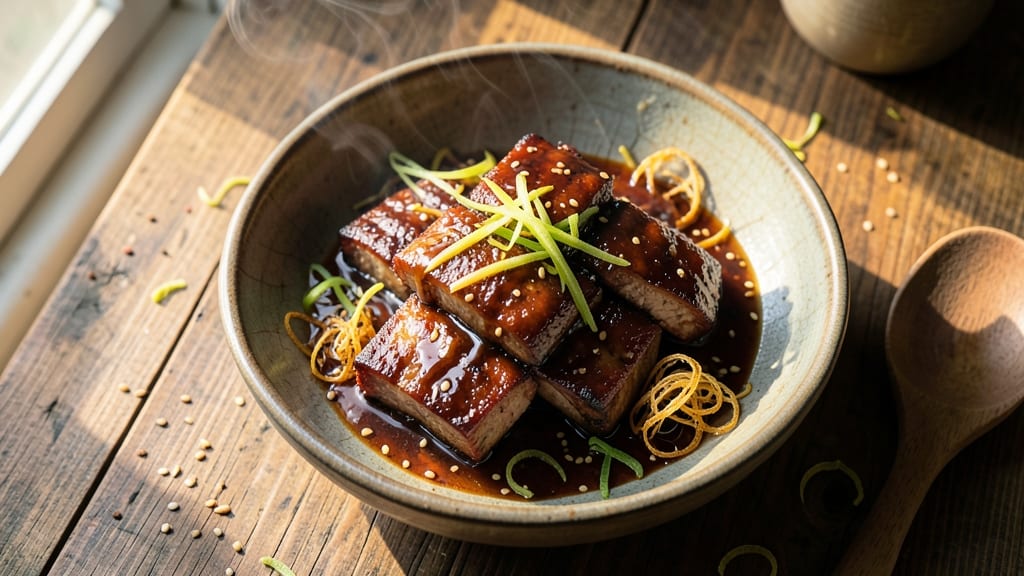
This Asian pork short ribs recipe delivers melt-in-your-mouth tenderness with a fragrant five-spice crust that's become my signature dish at The Smoky Pig. The secret? A slow braise that transforms tough ribs into fork-shreddable perfection, inspired by my time apprenticing under Master Chef Chen where we perfected the balance between sweet soy and aromatic spices. I've cooked thousands of pounds of pork this way—this method never fails.
What makes these ribs special is the dual marinade: first a dry rub of five-spice powder and brown sugar for that signature caramelized bark, then a soy-ginger broth that infuses the meat during the 3-hour braise.
The high heat sear locks in juices while the slow cook transforms connective tissue into rich, velvety sauce. This isn't just a recipe—it's a technique that turns everyday pork into something restaurant-worthy.
By the time you're done, you'll have ribs that practically fall apart at the touch, coated in a glossy sauce that's both sweet and savory.
The aroma alone will have your whole house asking what's for dinner. Serve with steamed jasmine rice to soak up every last drop of that fragrant sauce, or pair with quick-pickled vegetables for brightness.
This is the kind of dish that makes people ask for seconds before they even finish their first plate.
The beauty of this method is its versatility—use it for weeknight dinners or holiday feasts. I've served these ribs at everything from backyard BBQs to high-end catering events, and they always disappear first. The key is patience: that slow braise is what creates the magic.
Let's get cooking—your taste buds will thank you.
Ingredients for asian pork short ribs
Six pounds of pork ribs and a handful of aromatic spices transform into restaurant-worthy dinner magic.
| Ingredient | Amount | Notes |
|---|---|---|
| Pork Short Ribs 🥩 | 4 lb | Bone-in, 2-3 inches thick |
| Five-Spice Powder 🌶️ | 2 tbsp | Store-bought or homemade blend |
| Light Brown Sugar 🍚 | ½ cup | Packed, not granulated |
| Kosher Salt 🧂 | 1 ½ tbsp | Diamond Crystal preferred |
| Fresh Ginger 🌿 | 3 tbsp | Finely grated, peel included |
| Soy Sauce 🍶 | ½ cup | High-sodium preferred |
| Honey 🍯 | ¼ cup | Wildflower preferred |
| Garlic Cloves 🧄 | 8 cloves | Smashed, not minced |
| Sesame Oil 🫒 | 1 tbsp | Toasted, not flavored |
| Star Anise 🌿 | 2 whole | Lightly crushed |
| Cinnamon Sticks 🍃 | 2 whole | 2-inch pieces |
| Black Peppercorns 🌶️ | 1 tsp | Freshly cracked |
| Jasmine Rice 🍚 | 2 cups | Uncooked, long-grain |
| Extra-Virgin Olive Oil 🫒 | 2 tbsp | For searing ribs |
The ribs are everything here—look for bone-in cuts with good marbling at your butcher or the meat counter. Costco or Whole Foods usually carry the right size, but if you're buying pre-cut, ask for 2-3 inch thick slices for even cooking. The five-spice powder is non-negotiable; I buy mine from Penzeys in bulk, but any reputable brand will do. Fresh ginger is a must—dried just won't cut it here. For the soy sauce, Lee Kum Kee or Kikkoman are my go-tos, but any high-quality brand with bold flavor works. The honey should be wildflower if possible—it adds subtle floral notes that balance the savory spices.
No five-spice powder? Mix 1 tsp each of ground cinnamon, cloves, fennel, star anise, and black pepper for a homemade version. Short on ginger? Double the garlic and add 1 tsp of ground ginger. The ribs can be prepped a day ahead—pat them dry, apply the dry rub, and refrigerate overnight for deeper flavor. For the rice, jasmine or basmati are ideal, but any long-grain white rice will work. If you're short on time, microwaveable jasmine rice from Trader Joe's is a lifesaver—just add water and let it steam while you finish the ribs.
These ribs reheat beautifully—just cover with sauce and warm in a 350°F oven for 20-30 minutes. The sauce thickens as it cools, so add a splash of water if it gets too stiff. Store ribs in the fridge for up to 4 days with sauce, or freeze the sauce separately for 3 months. I always make extra sauce—it's perfect for stir-fries or drizzling over rice bowls. The rice keeps for 3 days in the fridge, but reheats best if you microwave it with a splash of water to restore moisture.
Why You'll Love This Recipe
- One-Pan Magic: I swear by this recipe because it’s actually hands-off after the initial sear. Toss the ribs in five-spice and brown sugar, then let the oven do the work—no flipping, no fuss. The ginger caramelizes into a sticky glaze that practically falls off the bone.
- Flavor Bomb: That five-spice powder isn’t just a spice—it’s a party. Warm cinnamon, star anise, and clove cling to the meat while the brown sugar melts into a glossy, slightly crisp crust. Between us, the first bite makes me forget about takeout.
- Leftovers? More Like Leftovers: This recipe practically begs to be made in bulk. The ribs stay tender for days, so I batch-cook them and freeze portions—perfect for lazy nights when I just want that rich, smoky flavor without extra effort. (Yes, even on a Tuesday night.)
- Budget Feast: Pork short ribs stretch further than you’d think, especially when braised until fall-off-the-bone tender. I feed four people for the price of two takeout meals, and the five-spice powder adds depth without breaking the bank. Honestly, it’s my go-to for stretching a grocery budget.
Step-by-step instructions for five-spice braised pork short ribs
Here's how to transform tough pork into melt-in-your-mouth shreds using aromatic spices and slow braising.
Prepare the Ribs for Maximum Flavor
Pat the 4 lb pork short ribs completely dry with paper towels—this ensures a proper sear. In a small bowl, combine the 2 tbsp five-spice powder, 1.5 tbsp kosher salt, and 1 tsp freshly cracked black peppercorns. Rub this mixture generously over all surfaces of the ribs, pressing it into the meat so it adheres well.
Let the seasoned ribs sit at room temperature for 30 minutes while you prepare the other components. This resting period allows the spices to penetrate the meat and ensures even cooking. I like to place them on a wire rack set over a baking sheet to prevent any pooling of juices.
Sear the Ribs for Deep Flavor
Heat a large Dutch oven over medium-high heat until it's very hot. Add the 2 tbsp extra-virgin olive oil and let it shimmer for 30 seconds. Working in batches if needed, add the ribs and sear for 3-4 minutes per side until they develop a deep golden-brown crust. Don't overcrowd the pan—this prevents proper browning.
As the ribs sear, you'll notice the fat rendering out and the meat developing a beautiful crust. This step is crucial for building layers of flavor. Once all ribs are browned, transfer them to a plate and set aside. You'll want to keep them warm while you build the braising liquid.
Build the Aromatic Braising Liquid
In the same Dutch oven, reduce heat to medium and add the 3 tbsp finely grated fresh ginger and 8 smashed garlic cloves. Cook for 1 minute until fragrant—you should smell that pungent ginger aroma and sweet garlic notes. Add the 2 lightly crushed star anise and 2 cinnamon sticks, stirring for 30 seconds to toast them gently.
Pour in the 0.5 cup soy sauce and 0.25 cup honey, scraping up any browned bits from the bottom of the pan. These bits are packed with flavor—don't miss them. Add the 0.5 cup packed light brown sugar and bring the mixture to a gentle simmer. Let it cook for 2-3 minutes until the sugar begins to caramelize slightly, creating a glossy, amber liquid.
Braise Until Fork-Tender
Return the seared ribs to the Dutch oven, along with any accumulated juices. Pour in 2 cups of water to create enough liquid to partially submerge the ribs. Bring to a gentle simmer, then cover with a tight-fitting lid. Reduce heat to low and let it cook for 2-2.5 hours—this is where patience pays off.
Check the liquid level after 1 hour and add more water if needed to keep the ribs partially submerged. The ribs are done when they're fork-tender and easily pull apart. You'll know they're ready when a skewer slides through with minimal resistance. The braising liquid should be rich, caramelized, and slightly reduced.
Finish with Sesame Oil and Serve
Remove the ribs from the braising liquid and transfer them to a serving platter. Discard the star anise and cinnamon sticks. Skim any excess fat from the braising liquid if desired, then stir in the 1 tbsp toasted sesame oil. Taste and adjust seasoning if needed—you might want to add a splash more soy sauce or a touch of honey for balance.
Serve the shredded ribs hot over the jasmine rice, ladling the flavorful braising liquid generously over the top. Each bite should deliver tender, fall-apart meat with a perfect balance of sweet, salty, and aromatic spices. The sesame oil adds that final touch of nutty complexity that ties everything together.
Pro Tips For Making Asian Pork Short Ribs
- SEAR THE FAT FIRST: Walk away from the stove for 30 seconds after searing—let that rendered fat pool build up. When you return, pour in the ginger and sugar directly into the hot fat, not the meat. That’s where the caramelization magic happens, not on the ribs themselves.
- SALT THE MEAT TWICE: Toss the ribs with half the kosher salt right after searing, then again after braising. I used to skip the second round, and the five-spice flavor always felt muted. The second salt cut through the richness and balanced the sweetness—trust me, it’s worth the extra 10 seconds.
- DON’T SKIP THE GINGER MASH: Grate the ginger super fine—almost like a paste—so it dissolves into the braising liquid. I once used coarse shreds, and they sat like rubbery chunks. For extra flavor, microwave the grated ginger with 1 tsp brown sugar for 20 seconds before adding it to the pot. (Yes, it sounds weird, but it works.)
- LOW AND SLOW ISN’T SLOW ENOUGH: If your ribs aren’t fork-tender after 2 hours at 300°F, crank the oven to 325°F and add 30 minutes. I learned this the hard way—undercooked ribs turn mushy, not tender. A toothpick should slide in like butter. (No, you don’t need to wait for them to fall apart.)
Dietary considerations for asian pork short ribs
Gluten-Free Adaptations
This recipe naturally accommodates gluten-free diets since the primary seasonings—five-spice powder, soy sauce, and honey—don’t contain gluten. However, swap ½ cup high-sodium soy sauce for ½ cup gluten-free tamari (like San-J Tamari) to ensure safety.
The tamari has a slightly deeper umami flavor that works beautifully with the ribs. Always check labels on honey and spices, as cross-contamination can occur during processing. 🥩
Low-Sodium Options
For a lower-sodium version, reduce the soy sauce to ¼ cup and replace the rest with ¼ cup coconut aminos (a gluten-free alternative). Boost flavor by adding 1 tbsp fish sauce or 1 tsp MSG (like Accent Seasoning) to compensate for the salt reduction.
The ribs will still be rich and flavorful, just with a more balanced sodium profile.
Dairy-Free Considerations
This recipe is inherently dairy-free, but if you’re serving with sides, opt for dairy-free garnishes. Skip any butter-based sauces or cream-based rice dishes. Instead, finish the ribs with a drizzle of toasted sesame oil and serve with steamed bok choy or quick-pickled cucumbers for a refreshing contrast.
The natural richness of the pork stands well on its own.
Allergen-Friendly Swaps
If nut allergies are a concern, avoid sesame oil and replace it with 1 tbsp avocado oil or toasted peanut oil (if peanuts are safe). For sesame-free flavor, add ½ tsp ground coriander to the dry rub.
Always double-check ingredient labels—some brands of five-spice powder may contain trace amounts of nuts due to processing facilities.
Keto-Friendly Adjustments
To make this keto-friendly, reduce the brown sugar to ¼ cup and replace the remaining ¼ cup with erythritol or monk fruit sweetener (like Lakanto). Use ½ cup coconut aminos instead of soy sauce to keep carbs low.
The ribs will still caramelize beautifully, and the sauce will have a slightly tangier profile that complements the keto diet. Serve with cauliflower rice instead of jasmine rice.
Nutrition facts
Frequently asked questions
Can I substitute bone-in ribs for boneless pork shoulder?
While you can use boneless pork shoulder, the cooking time and technique will differ significantly. Bone-in ribs have connective tissue that breaks down beautifully during the 3-hour braise, creating that signature tender texture. Pork shoulder would require a longer cook time (4-5 hours) and might need additional liquid to prevent drying out. For best results, stick with bone-in short ribs—they're designed for this braising method.
How do I adjust the recipe for a slow cooker?
Transfer the seared ribs and braising liquid to a 6-quart slow cooker and cook on low for 6-7 hours or high for 4-5 hours. The ribs should be fork-tender when done. Since slow cookers don't develop as much crust, sear the ribs in a separate skillet first for maximum flavor. Add the spices and aromatics directly to the slow cooker with the ribs.
What's the best way to reheat leftovers?
Place ribs and sauce in an oven-safe dish, cover with foil, and reheat at 325°F for 20-25 minutes. For quick reheating, use the microwave on medium power for 2-3 minutes, stirring halfway. The sauce will thicken slightly when reheated, so add a splash of water or broth if needed. Never reheat ribs in the braising liquid directly on the stovetop—it can make them tough.
Can I make this recipe with frozen ribs?
Frozen ribs work in a pinch, but thaw them completely in the refrigerator for 24 hours first. Pat them very dry before seasoning, as excess moisture can prevent proper searing. If short on time, use the cold-water thaw method (sealed in a leak-proof bag), but allow 30 minutes of air-drying time after thawing to ensure a good crust. Fresh ribs always yield better results, though!
What's the secret to getting fall-apart tender ribs?
The magic happens in the low-and-slow braise—never rush this step! The key factors are:
- proper searing (creates flavor crust),
- enough liquid (keeps ribs moist), and
- patience (connective tissue needs time to break down). The ribs should pull apart easily with two forks when done. If they're not tender enough, return them to the pot with additional liquid and cook 30-60 more minutes.