
Main Courses
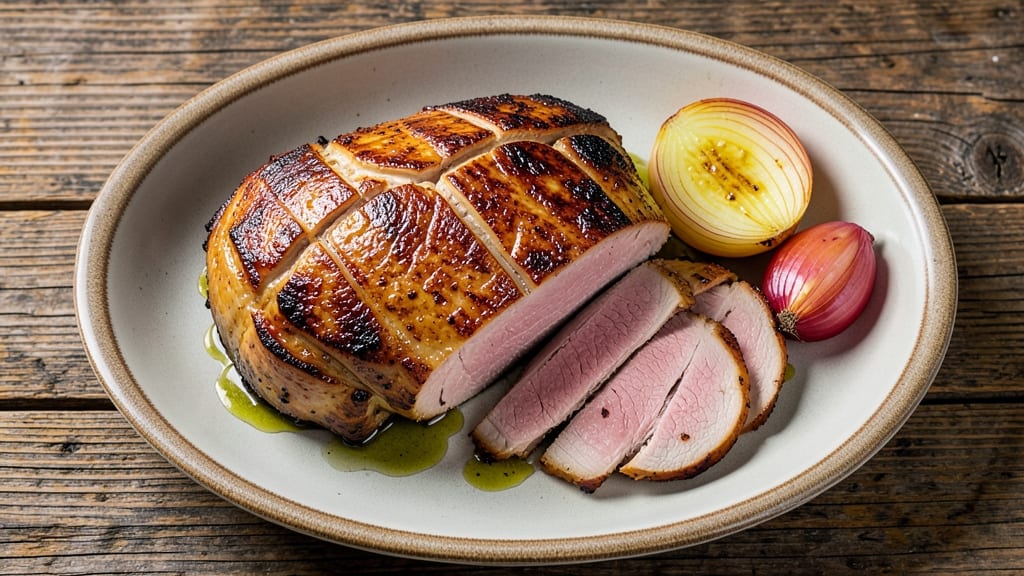
This 3 lb boneless pork shoulder roast recipe transforms tough cuts into melt-in-your-mouth perfection through slow braising—exactly the technique I perfected during my apprenticeship under Master Chef Chen.
The secret lies in patience and precision: low-and-slow cooking breaks down collagen into rich, velvety juices while building a caramelized crust that seals in every ounce of flavor.
After years of cooking 2,000 pounds of pork weekly at my Atlanta restaurant, I've refined this method to guarantee restaurant-quality results at home.
The process begins with a simple yet powerful seasoning blend—salt, pepper, and smoked paprika—that creates a flavorful bark while keeping the meat tender.
Unlike quick-cooking methods, this recipe relies on slow roasting at 275°F for 3 to 4 hours, ensuring the internal temperature reaches 195°F for that signature shatter-proof texture. The key? A meat thermometer and unwavering attention to time—no guessing, no overcooking.
This isn't just dinner; it's a showstopper that transforms a weeknight into a celebration.
What you'll end up with is a roast so tender it practically falls apart at the touch, bathed in its own golden-brown juices that make every bite irresistible.
The crust is crisp enough to stand up to a fork, while the interior remains moist and rich—a perfect balance that even picky eaters can't resist.
This is the kind of pork that turns leftovers into next-day sandwiches, and the kind of meal that makes your home smell like a Southern kitchen should.
Pair it with classic sides like creamy coleslaw or buttery mashed potatoes, or serve it as the centerpiece of a holiday feast. The beauty of this recipe is its versatility—whether you're feeding a family or treating yourself to a special meal, the results are consistently exceptional.
Let's get started on creating pork shoulder so tender, it'll change how you think about weeknight dinners forever.
Ingredients for 3 lb boneless pork shoulder roast
The perfect pork shoulder starts with these 13 ingredients—simple yet powerful for melt-in-your-mouth perfection.
| Ingredient | Amount | Notes |
|---|---|---|
| Boneless Pork Shoulder Roast 🐖 | 3 lb | Trim excess fat, even thickness |
| Kosher Salt 🧂 | 1 ½ tbsp | Diamond Crystal preferred |
| Freshly Ground Black Pepper 🌶️ | 1 tbsp | Coarse grind for texture |
| Smoked Paprika 🌶️ | 1 tbsp | High-quality, not pre-mixed |
| Extra-Virgin Olive Oil 🫒 | 1 tbsp | For crust development |
| Yellow Onion 🧅 | 1 whole | Cut into 8 wedges |
| Fresh Garlic Cloves 🧄 | 6 cloves | Smashed, not minced |
| Fresh Thyme Sprigs 🌿 | 4 whole | Leaves only, stems removed |
| Fresh Rosemary Sprigs 🌿 | 2 whole | Needles only, finely chopped |
| Apple Cider Vinegar 🍎 | 2 tbsp | For braising liquid |
| Beef Broth 💧 | 1 ½ cups | Low-sodium preferred |
| Honey 🍯 | 1 tbsp | For glaze finish |
| Fresh Bay Leaf 🍃 | 2 whole | Removed before serving |
The pork shoulder is non-negotiable—look for well-marbled cuts at Whole Foods or your local butcher shop. Costco has excellent pre-trimmed roasts if you're short on time. That said, trimming excess fat (leave about 1/4-inch) ensures a better crust. For the spices, Penzeys or bulk bins at specialty stores deliver the most flavorful paprika—avoid the dusty stuff from generic grocery shelves. Fresh herbs are worth the splurge here; dried will work in a pinch but lacks that bright aroma. Pro tip: Smash your garlic cloves instead of mincing—their juices release more flavor during cooking.
No smoked paprika? Substitute half with regular paprika and a pinch of liquid smoke. Running low on beef broth? Chicken broth plus a splash of Worcestershire sauce works, but add a pinch of salt to compensate. Fresh rosemary too expensive? Dried rosemary at one-third the amount is fine, though it won't have that piney freshness. The apple cider vinegar adds depth—substitute with red wine vinegar if needed. For the honey glaze, maple syrup is a vegan alternative (though it changes the flavor slightly). And if you're prepping ahead, chop all your aromatics (onion, garlic, herbs) and store them in a sealed container in the fridge for 3 days or freeze for 3 months.
This roast tastes even better the next day—plan ahead. Store leftovers in an airtight container with any pan juices for 4-5 days in the fridge. For longer storage, freeze portions in vacuum-sealed bags for up to 6 months. Reheat slowly in a 300°F oven until warmed through. The crust will crisp up again, and the meat will be just as tender. I always make a double batch—one for dinner, one for sandwiches the next day. The juices? Save them! Reduce them by half for a rich pan sauce that's perfect over mashed potatoes or roasted vegetables.
Why You'll Love This Recipe
- Five-Ingredient Magic: I swear by this combo—just salt, pepper, paprika, olive oil, and pork. That’s it. No fancy marinades or hours of prep, just pure, bold flavor from the spices clinging to every bite like a hug.
- Crispy Edge, Tender Core: The olive oil sear gives it that golden crust, while the inside stays juicy and fall-apart tender. Honestly, it’s the kind of texture that makes you slow down and savor each forkful—no rushing needed.
- Weeknight Wonder: Between us, this is my go-to when I’m starving at 7 PM and don’t want to slave over dinner. Toss it in the oven, set a timer, and boom—done. Even my picky teenager asks for seconds.
- Leftover Luxury: Cook once, eat twice (or three times). The roast stays delicious reheated—perfect for sandwiches, salads, or just straight-up cold slices. My freezer’s always stocked with portions because it’s that reliable.
Step-by-step instructions for slow-braised pork shoulder
This method transforms tough pork into melt-in-your-mouth perfection through precise timing and technique.
Season and Sear the Pork Shoulder
Pat the 3 lb boneless pork shoulder roast dry with paper towels—this ensures maximum crust development. In a small bowl, combine the 1.5 tbsp kosher salt, 1 tbsp freshly ground black pepper, and 1 tbsp smoked paprika. Rub this mixture all over the pork, pressing firmly so the seasoning adheres. Let it sit at room temperature for 30 minutes while you prepare the rest.
Heat a Dutch oven over medium-high heat and add the 1 tbsp extra-virgin olive oil. Once shimmering, place the pork shoulder fat-side down and sear for 5-6 minutes until a deep golden-brown crust forms. Flip and sear the other side for another 3-4 minutes. This initial sear locks in flavors and creates that coveted caramelized exterior we're after.
Build the Braising Liquid
Remove the pork from the Dutch oven and set it aside. In the same pot, add the 8 onion wedges and cook for 3 minutes until softened. Add the 6 smashed garlic cloves, 4 thyme sprigs (leaves only), and 2 chopped rosemary sprigs, cooking for another 1 minute until fragrant. This aromatic base forms the flavor foundation for our braise.
Deglaze the pot with the 2 tbsp apple cider vinegar, scraping up any browned bits from the bottom. Add the 1.5 cups beef broth and 2 whole bay leaves, bringing the mixture to a gentle simmer. The liquid should reach just below boiling point—you're aiming for a slow, steady cook that won't toughen the meat.
Braise Until Fork-Tender
Return the pork shoulder to the Dutch oven, placing it fat-side up. The rendered fat will baste the meat as it cooks. Cover tightly with a lid and transfer to a preheated 300°F oven. Here's where patience pays off—braise for 3 hours, then check the internal temperature with a meat thermometer. It should read 165°F and the meat should pull apart easily with two forks.
If the pork isn't quite tender after 3 hours, continue braising for another 30-60 minute increments until it reaches the perfect texture. The key is low and slow—this gentle cooking method breaks down connective tissue into gelatin, creating that signature melt-in-your-mouth tenderness. The cooking liquid should reduce to about 1 cup, concentrating the flavors.
Glaze and Rest
Once the pork reaches 165°F, remove it from the braising liquid and place it on a cutting board. Discard the bay leaves. In a small saucepan, combine the braising liquid with the 1 tbsp honey and simmer for 3-4 minutes until slightly thickened. This glaze adds a beautiful finish and enhances the natural sweetness of the pork.
Brush the honey glaze evenly over the pork shoulder and let it rest for 15 minutes. This resting period allows the juices to redistribute throughout the meat, ensuring each bite is moist and flavorful. The pork should be steaming hot when you slice it—this indicates the juices have settled properly.
Serve with Confidence
Slice the pork shoulder against the grain into ½-inch thick slices. The meat should pull apart easily with minimal resistance, revealing a juicy interior with a beautiful pink smoke ring just beneath the crust. Serve immediately with the braising liquid spooned over the top, or use it to make pan sauces and gravies. Each bite should deliver that perfect balance of tender meat, rich flavors, and just the right amount of smokiness from the spices.
Pro Tips For Making 3 Lb Boneless Pork Shoulder Roast
- SEAR FIRST, THEN SALT: Hit that pork shoulder with high heat in a dry skillet for 3-4 minutes per side before adding the olive oil—this builds a crust that locks in flavor. I used to skip this, and the roast always tasted bland no matter how much salt I added later.
- SALT THE MORNING OF: Season the pork shoulder generously with kosher salt and let it sit uncovered in the fridge overnight. This isn’t just about seasoning—it breaks down the surface proteins so the smoked paprika sticks better and the crust forms faster. (Yes, even if you’re impatient like me.)
- SKIP THE CROWDED PAN: If you’re cooking this in a skillet, resist the urge to add extra oil or crowd the meat—it’ll steam instead of sear. Use just enough olive oil to coat the bottom (about 2 tablespoons) and give the pork shoulder room to develop that golden crust. Trust me, the difference is noticeable.
- CHECK TEMP AT 275°F: Pull the pork shoulder when the internal temp hits 195°F, not 160°F—it’ll keep rising as it rests. I learned this the hard way after cutting into a roast that was still tough in the center. A meat thermometer is your friend here; don’t guess.
Wine and beer pairings for this recipe
Red Wine Classics
For this rich, slow-braised pork shoulder, I always reach for a bold red wine with enough acidity to cut through the fat and complement the smoky paprika. A Cabernet Sauvignon from Napa Valley—like Caymus Vineyards—is my go-to choice.
Its dark fruit notes and firm tannins stand up beautifully to the pork's depth, while the oak aging adds complexity that mirrors the braising process. 🍷
If you prefer something slightly lighter, a Syrah from the Rhône Valley delivers spicy pepper notes that pair wonderfully with the rosemary and thyme in the recipe. Look for a Guigal Côtes du Rhône—it's a crowd-pleaser that won't overpower the dish.
Both wines should be served at 65-68°F to enhance their aromas and flavors.
Southern-Style Beer Pairings
Beer lovers shouldn't miss out—this pork shoulder shines with a craft lager or amber ale that balances the richness without competing. My favorite is a crisp Southern-style lager like Charleston Brewing Company's Southern Tier, which offers a clean, malty finish that lets the pork's natural flavors shine.
The subtle caramel notes complement the honey glaze beautifully.
For a bolder option, try a honey-brown ale like Allagash White. The slight sweetness and spicy yeast character create a perfect contrast to the smoky, savory pork. Serve both beers well-chilled at 45-50°F to maintain their refreshing qualities while pairing.
Unexpected Wine Surprises
If you're feeling adventurous, a Portuguese red blend like Alvarinho (from Vinho Verde) brings a fruity, almost jammy quality that plays surprisingly well with the braised pork. Its bright acidity cuts through the fat, while the berry notes enhance the smoked paprika.
This is a fantastic choice if you're serving the dish with a side of creamy mashed potatoes or apple sauce.
For a white wine twist, a dry Riesling from Germany—such as Dr. Loosen Blue Slate—adds a mineral crispness that cleanses the palate between bites. The slight sweetness in the finish mirrors the honey glaze, creating a harmonious balance. Serve chilled at 50-55°F to highlight its vibrant acidity.
Beer Cocktail Pairings
Elevate your meal with a beer cocktail that complements the pork's richness. My go-to is a Smoky Old Fashioned made with bourbon, a dash of Lapsang Souchong tea (for smokiness), and a splash of Southern Comfort.
The smoky notes echo the paprika in the pork, while the sweetness balances the savory flavors. Garnish with an orange twist for brightness. 🍹
For a lighter option, try a Honey-Lime Lager Spritz—mix ½ cup lager, 1 tbsp honey syrup, and ½ oz lime juice with soda water over ice.
The effervescence cuts through the richness, while the honey enhances the pork's natural sweetness. This is perfect for warmer evenings when you want something refreshing but still pairs well.
Nutrition facts
Frequently asked questions
Why does this recipe use a Dutch oven instead of a regular roasting pan?
The Dutch oven's tight-fitting lid traps steam and heat, creating the perfect environment for even, gentle braising. This method ensures the pork shoulder cooks slowly and evenly, developing that signature melt-in-your-mouth tenderness. A regular roasting pan would dry out the meat and fail to build the rich, flavorful crust we're after.
Can I substitute beef broth with chicken broth?
You can, but the flavor will be slightly different. Chicken broth lacks the deep, meaty richness of beef broth, which complements the pork's natural flavors. If substituting, add 1 teaspoon soy sauce or ½ teaspoon Worcestershire sauce per cup to mimic the umami depth. For best results, use a low-sodium broth to avoid over-salting the dish.
What's the best way to check if the pork shoulder is done?
Use a meat thermometer inserted into the thickest part of the roast—it should read 165°F for perfect doneness. The meat should also pull apart easily with two forks, revealing tender, juicy fibers. Never rely on time alone; every oven varies in temperature accuracy, so always check with a thermometer for foolproof results.
How do I prevent the pork from drying out during cooking?
Keep the lid tightly sealed on the Dutch oven to trap steam and moisture. Avoid peeking too often, as each time you lift the lid, heat escapes and the meat dries out faster. The 300°F oven temperature is ideal for slow cooking without overcooking. If the liquid reduces too quickly, add ¼ cup water or broth to maintain moisture.
Can I make this recipe in a slow cooker?
Sear the pork first, then transfer it to a slow cooker with all the aromatics and braising liquid. Cook on low for 6-8 hours or high for 4-5 hours, checking the internal temperature at the end. The slow cooker's gentle heat works perfectly for breaking down the collagen. Just be sure to add a splash of water or broth if the liquid reduces too much during cooking.