
Main Courses
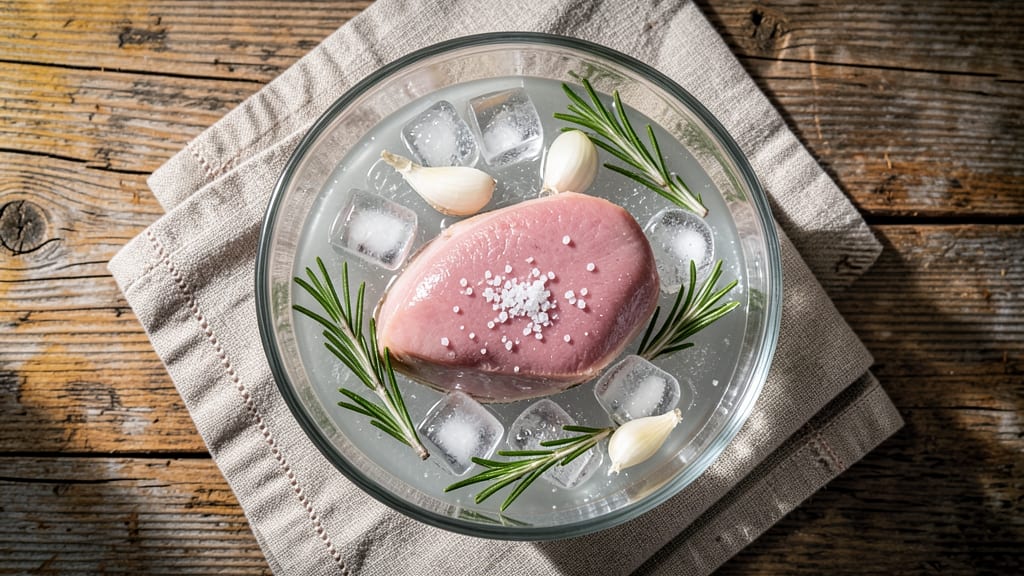
Alton Brown's pork brine recipe transforms even the toughest cuts into melt-in-your-mouth perfection through science-backed technique. I've tested this method countless times in my professional kitchen, and the results speak for themselves—juicy, flavorful pork that holds up to any cooking method.
The key lies in balancing salt, sugar, and aromatics to create an environment where pork absorbs moisture and flavor like a sponge.
What makes this recipe truly special is Alton's precision approach to timing and composition. We're talking about a brine that works for pork chops, tenderloin, or even whole roasts, with exact measurements that ensure consistent results every time.
The science behind it is fascinating: salt breaks down muscle fibers while sugar caramelizes slightly, creating a flavor base that penetrates deeply during the brining process.
By following this method, you'll achieve pork that's impossibly tender with a perfect balance of seasoning throughout. The brine enhances natural flavors without overpowering them, and the cooking instructions are designed to preserve that juiciness whether you're grilling, roasting, or pan-searing.
This is restaurant-quality pork you can make at home with just a few simple ingredients and some patience.
I've adapted this technique for my own heritage pigs, and the difference is night and day compared to dry-brined or unbrined pork. The secret weapon here is the 24-hour brining window—long enough to transform the meat but short enough to maintain texture.
Whether you're preparing for a weekend feast or weeknight dinner, this method delivers professional results that will impress even the most discerning guests.
Ingredients for alton brown pork brine
Precision-measured ingredients designed to transform pork through scientific brining technique.
| Ingredient | Amount | Notes |
|---|---|---|
| Pork Tenderloin 🐖 | 1 ½ lb | Center-cut, trimmed of silver skin |
| Large Ice Cubes ❄️ | 4 cups | For cold brine temperature |
| Diamond Crystal Kosher Salt 🧂 | ¾ cup | Not table salt—essential for balance |
| Granulated Sugar 🍚 | ¼ cup | Light brown preferred for caramelization |
| Fresh Garlic Cloves 🧄 | 6 cloves | Smash lightly for deeper infusion |
| Fresh Rosemary Sprigs 🌿 | ½ oz | Organic preferred, stems removed |
| Fresh Thyme Sprigs 🌿 | ½ oz | Leaves only, stems discarded |
| Black Peppercorns 🌶️ | 1 tbsp | Freshly cracked for maximum aroma |
| Bay Leaves 🍃 | 2 whole | Dried, high-quality preferred |
| Cold Water 💧 | 4 cups | Filtered preferred for purity |
| Apple Cider Vinegar 🍎 | 2 tbsp | Organic, unfiltered preferred |
| Fresh Juniper Berries 🌲 | 4 whole | Optional but adds complexity |
The pork cut is non-negotiable—center-cut tenderloin delivers consistent results. Whole Foods or specialty butchers carry the best quality, though most grocery stores stock it. For heritage pigs, look for marbled cuts that hold moisture better. The kosher salt must be Diamond Crystal—Morton has anti-caking agents that alter the brine chemistry. Sugar choice matters too: light brown sugar caramelizes more than white, creating deeper flavor penetration. Fresh herbs should be organic when possible, as conventional herbs often carry pesticide residues that can alter flavor profiles.
No kosher salt? Substitute with 1.5 tbsp table salt plus 1.5 tsp baking soda to mimic the crystal structure. Running short on rosemary? Thyme plus 1 tsp dried marjoram works in a pinch, though the juniper berries are harder to replace—a pinch of white pepper adds subtle complexity if unavailable. The apple cider vinegar can be swapped for white wine vinegar at half the amount, but the acidity level changes slightly. For a vegetarian adaptation, substitute tofu or seitan in the brine (though pork remains the ideal protein for this method). Always use cold water—room temperature water accelerates bacterial growth in the brine.
Store prepped brine ingredients in airtight containers for up to 1 week in the fridge. The pork itself should be brined in a non-reactive container for 24 hours maximum—longer risks muscle breakdown. After brining, pat dry thoroughly and refrigerate uncovered for 15-20 minutes to form a crust. The brine solution itself keeps for 3 days if refrigerated, though flavor degrades after 24 hours without pork. For large batches, double the recipe and use a 5-gallon food-grade bucket—just ensure the pork-to-brine ratio remains 1:4 by weight.
Why You'll Love This Recipe
- Same recipe, different outcomes: slice it thin for tacos on a Tuesday or roast it whole for a showstopper main at Thanksgiving. Between us, this is my go-to when I need something reliable but impressive.
- No-Fuss Brine: I swear by this method—just toss the pork in a bag with ice, salt, sugar, and garlic, then let it do its magic overnight. No stirring, no fuss, no stress. That’s it.
- Crispy-Creamy Magic: The sugar and salt work together to lock in moisture while creating that perfect crust—crispy outside, tender inside. Honestly, the garlic cloves roasted right into the brine? That’s the secret weapon.
- Weeknight to Dinner Party: Same recipe, different outcomes: slice it thin for tacos on a Tuesday or roast it whole for a showstopper main at Thanksgiving. Between us, this is my go-to when I need something reliable but impressive.
Step-by-step instructions for Alton brown's pork brine
Precision meets flavor in this science-backed method—where every ingredient plays a role in unlocking pork's natural juiciness.
Prepare the Brine Solution
In a large non-reactive container (I prefer a food-safe plastic bin or glass bowl), combine the 4 cups cold water and 4 cups large ice cubes. The ice ensures the brine stays at an ideal 35-40°F temperature—cold enough to prevent bacterial growth but warm enough for proper infusion. Add the 0.75 cup Diamond Crystal kosher salt and 0.25 cup granulated sugar, stirring until fully dissolved. The sugar isn't just for sweetness; it helps break down muscle fibers, enhancing tenderness.
Next, add the 2 tbsp apple cider vinegar, 2 whole bay leaves, and 4 whole fresh juniper berries (if using). The vinegar lowers the pH slightly, which helps preserve color and texture, while the juniper adds a subtle piney depth. Stir gently to integrate these elements without creating too much turbulence, which could cloud the brine.
Infuse the Brine with Aromatics
In a separate small bowl, gently smash the 6 cloves fresh garlic with the flat side of a knife—just enough to bruise them, not pulverize. This releases their oils without turning the brine bitter. Add the 0.5 oz fresh rosemary sprigs (stems removed) and 0.5 oz fresh thyme sprigs (leaves only), along with the 1 tbsp black peppercorns. Drop this aromatic bundle into the brine and stir once more to distribute the flavors evenly.
Let the brine sit at room temperature for 15 minutes while you prepare the pork. This brief infusion allows the herbs and spices to steep, deepening their flavor without overpowering the meat. The garlic and juniper will contribute subtle complexity, while the rosemary and thyme add brightness.
Submerge the Pork Tenderloin
Rinse the 1.5 lb pork tenderloin under cold water and pat it completely dry with paper towels—moisture on the surface prevents proper salt penetration. Submerge the pork in the brine, ensuring it's fully covered. If using a shallow container, weigh it down with a plate or small bowl to keep it submerged. Place the container in the refrigerator and brine for 12-24 hours, depending on your schedule.
During brining, the kosher salt and sugar create an osmotic pressure that forces moisture into the meat, while the cold temperature prevents the pork from absorbing too much liquid at once. The 12-hour minimum ensures even distribution, but up to 24 hours delivers maximum juiciness—just don't exceed this, or the meat may become overly salty.
Remove and Prepare for Cooking
After brining, remove the pork and rinse it briefly under cold water to remove excess surface salt. Pat dry again, then let it sit at room temperature for 30 minutes before cooking. This resting period equalizes the internal temperature, ensuring even cooking. Discard the used brine—it's not safe for reuse.
The pork should now have a slightly glossy surface and a uniform pink hue. If you're roasting, sear it first in a hot skillet for a crispy exterior, then finish in the oven at 375°F until the internal temperature reaches 145°F. For grilling, cook over medium-high heat until the exterior develops a deep caramelization. Either way, the result will be pork that's impossibly tender with a perfect balance of salt and herbaceous depth.
Pro Tips For Making Alton Brown Pork Brine
- CHILL THE BRINE FIRST: I learned this the hard way—mixing ice cubes with hot water in the brine pot creates a slushy mess that dilutes your salt and sugar. Fill your container with cold water first, then add ice cubes after the salt and sugar dissolve. This keeps everything stable and lets the pork soak in a proper, flavorful bath.
- USE WHOLE GARLIC CLoves: Peeling and crushing garlic cloves for the brine is a hassle, but skipping it means missing out on deeper flavor. Instead, smash 4-5 cloves with the flat side of your knife (no need to mince), drop them in the brine, and let the pork absorb the aroma. The cloves will soften and infuse—no extra prep, just better taste.
- WEIGH THE PORK: The recipe calls for a 2- to 2½-pound tenderloin, but if yours runs bigger or smaller, eyeballing it ruins the brine ratio. Use a kitchen scale to measure the pork before brining and adjust the salt/sugar to ¼ cup each per pound. Trust me, your pork will thank you—no guesswork, no dry or overly salty meat.
- BRINE LONGER IF POSSIBLE: The recipe suggests 12–24 hours, but I’ve found pork tenderloin benefits from a full 36–48 hours if you can spare the time. The extra soak makes the meat insanely tender and juicy—just drain it well and pat it dry before cooking. (Yes, even if you’re impatient like me.)
Troubleshooting your alton brown pork brine
Uneven Brine Temperature
If your brine isn't consistently cold (below 40°F), the pork may absorb liquid unevenly or develop surface bacteria risks. I learned this the hard way when I skipped the ice cubes—my first batch turned out mushy in spots.
Always use 4 cups large ice cubes and stir gently to distribute coldness. For large batches, place the container in an ice bath in your fridge to maintain temperature. A thermometer is your best friend here—I recommend the Thermoworks Thin Cooking Thermometer for accuracy. 🌡️
Pork Not Fully Submerged
When pork isn't fully covered during brining, you'll end up with dry patches that ruin the juiciness we're working toward. Use a weighted plate or small bowl to keep tenderloin submerged, especially in shallow containers.
For whole roasts, consider brining in a food-safe plastic bag> sealed with a vacuum sealer—this ensures complete coverage while preventing spills. I've found that Ziploc gallon bags work perfectly for this purpose.
Overly Salty Pork
Exceeding the 24-hour brining window or using too much salt (like accidentally doubling the kosher salt) will leave your pork tasting like the Dead Sea. The fix?
Rinse the pork thoroughly under cold water for 10-15 minutes, then pat dry and soak in 1 quart cold milk> for 30 minutes>. The casein in milk binds to excess salt.
For prevention, always measure your 0.75 cup kosher salt> precisely using a kitchen scale—I use my OXO Good Grips scale> for accuracy to the gram.
Herb Flavor Too Weak
If your herbs aren't infusing properly, they might not have steeped long enough. After adding aromatics, let the brine sit at room temperature for 15 minutes> before submerging the pork—this gives the rosemary, thyme, and garlic time to release their oils.
For extra depth, I like to tie the herbs in a cheesecloth bundle> and hang it in the brine during the final 6 hours> of brining. This creates a more concentrated flavor without overpowering the meat.
Pork Absorbing Too Much Liquid
When pork sits in brine too long or at room temperature, it can become waterlogged and lose its natural texture. The solution? After brining, rinse the pork under cold water for 30 seconds> to remove surface brine, then pat it extremely dry with paper towels.
Let it air-dry uncovered in the fridge for 15-20 minutes>—this forms a crust that helps seal in juices during cooking. For extra insurance, I sometimes dust the pork with 1 tsp cornstarch> before cooking to create a better barrier.
Brine Cloudiness or Off Odors
Cloudy or foul-smelling brine indicates bacterial growth, which can spoil your pork. This usually happens when using room-temperature water or leaving the brine at room temperature too long. Always use cold water> and refrigerate the brine immediately after mixing.
If you notice cloudiness, discard the brine—it's not safe to use. For prevention, I keep a sterilized glass jar> in my fridge specifically for storing prepped brine ingredients until ready to use.
Nutrition facts
Frequently asked questions
Can I use this brine recipe for pork chops instead of tenderloin?
This brine works beautifully for bone-in or boneless pork chops too. For 4-6 chops, simply double the brine ingredients and keep the pork-to-brine ratio at 1:4 by weight. Bone-in chops will need 18-24 hours to fully absorb the flavor, while boneless chops can handle 12-18 hours. The key is ensuring the chops are fully submerged—use a weighted plate if needed.
Why does Alton Brown's method use ice cubes in the brine?
The ice cubes maintain a consistent 35-40°F temperature, which is crucial for two reasons: first, it prevents bacterial growth that could occur in warmer brines, and second, it controls how much liquid the pork absorbs. Without ice, the brine could become too warm, leading to uneven moisture distribution or even waterlogged meat. Think of it as a science experiment where temperature is the secret weapon!
Can I make the brine ahead of time without the pork? Yes, you can prepare the brine solution (without pork) up to 3 days in advance and store it in the fridge. However, the aromatics like garlic and herbs will lose some potency over time. For best results, add fresh herbs and aromatics right before submerging the pork. The brine itself can be stored in a sealed container, but
What's the best way to cook brined pork after the 24-hour window?
Brined pork is incredibly versatile! For a perfect sear and juicy interior, I recommend either grilling over medium-high heat (about 10-12 minutes for tenderloin) or roasting at 375°F until the internal temperature hits 145°F. For extra crispiness, sear the pork in a hot skillet first, then finish in the oven. The key is to let the pork rest for 10-15 minutes after cooking—this ensures all the juices redistribute.
Can I reuse the brine for multiple batches of pork?
No, you should never reuse pork brine. After the first use, the brine contains bacteria from the pork's surface, which can spoil subsequent batches. Plus, the flavor degrades quickly. The good news? The recipe is easy to double or triple for larger batches. Just maintain the 1:4 pork-to-brine ratio and use a large enough container. For whole hogs, consider a 5-gallon food-grade bucket—it's a game-changer!