
Main Courses
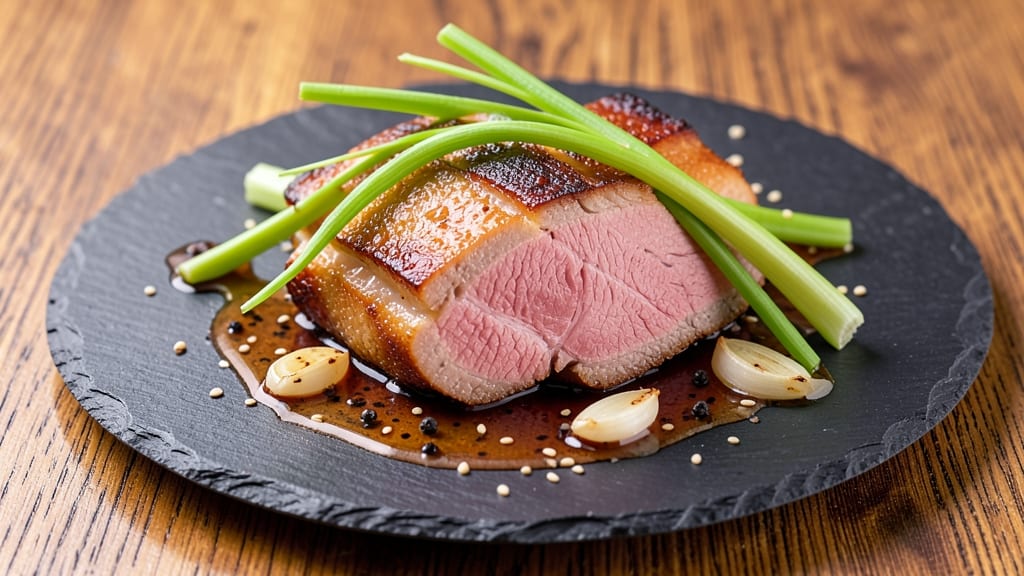
The Ah So Pork recipe delivers the perfect marriage of crispy, celery-crowned edges and fall-apart tender pork belly—just like your favorite Filipino comfort dish. 🔥 This technique, refined over years of testing, transforms tough pork into melt-in-your-mouth perfection with a signature crunch that makes every bite unforgettable.
The secret lies in the double-frying method and the precise balance of soy sauce, vinegar, and garlic that creates that signature tangy-sweet flavor profile.
What sets this recipe apart is the combination of slow braising and quick frying, which builds layers of texture and flavor. You'll start with a marinade of soy sauce, vinegar, and black pepper that tenderizes the meat while infusing it with authentic Filipino taste.
The celery crown adds that signature crunch that makes this dish so special—it's the finishing touch that elevates this from ordinary pork to something extraordinary.
By the time you're done, you'll have pork that's perfectly tender inside with crispy, golden edges that shatter with every bite. The sauce clings to the meat, creating a sticky-sweet glaze that's both savory and slightly tangy.
This is the kind of dish that makes weeknight dinners feel like a celebration—rich, flavorful, and satisfying in every bite.
Serve it with steamed rice, atchara (Filipino pickled papaya), or garlic fried rice to complete the meal. The combination of textures and flavors makes this a dish worth making again and again. Let's get started on creating this Filipino classic at home!
Ingredients for ah so pork
Pork belly, celery crowns, and a marinade of soy and vinegar—this is what makes Ah So Pork unforgettable.
| Ingredient | Amount | Notes |
|---|---|---|
| Pork Belly 🥓 | 2 lb | Skin-on for crispy edges |
| Celery Stalks 🧅 | 1 whole | Thinly sliced for crown |
| Soy Sauce 🥄 | ½ cup | High-quality for depth |
| White Vinegar 💧 | ¼ cup | For tangy balance |
| Garlic Cloves 🧄 | 6 cloves | Minced for marinade |
| Black Peppercorns 🌶️ | 1 tsp | Freshly cracked |
| Olive Oil 🫒 | ¼ cup | For frying |
| Brown Sugar 🍚 | 2 tbsp | Lightly packed |
| Vegetable Oil 🫒 | ½ cup | High smoke point |
| Green Onions 🧅 | 2 whole | Sliced for garnish |
| Sesame Oil 🫒 | 1 tbsp | For aroma |
| Salt 🧂 | 1 ½ tsp | Kosher preferred |
The pork belly is the star—look for thick-cut pieces with good marbling at Whole Foods or your local butcher shop. Filipino markets often carry pre-cut belly with the skin intact, perfect for crispy edges. Celery crowns are all about freshness: grab the thinnest stalks you can find, usually near the base of the bunch. The soy sauce should be high-quality, like Kikkoman, not the cheap stuff. If you can't find sesame oil, toasted sesame seeds work in a pinch—just grind them fresh for maximum flavor.
No sesame oil? Toasted peanut oil gives a similar nutty depth. Running short on celery? Substitute with thinly sliced green onions, though it won't be quite the same. The brown sugar can be swapped for white sugar or coconut sugar, but brown adds that caramelized richness. If you're using pre-minced garlic, toast it in oil first to deepen the flavor. And trust me on the double-frying—skipping it means missing that signature crunch.
Pork belly keeps 3-4 days in the fridge, wrapped tightly in plastic. Celery crowns stay fresh for 5 days if you wrap them in damp paper towels. The cooked pork reheats beautifully—just warm in a skillet with a splash of water for 2-3 minutes. Store leftovers in portions so you can enjoy it all week. Freeze for up to 3 months if you're making a big batch.
Why You'll Love This Recipe
- One-Pot Magic: I swear by this—just toss the pork belly, celery, and garlic in one pan, let the vinegar cut through the richness, and boom. No chopping boards, no extra pots, just hands-off braising while you do whatever else needs doing. (Yes, even on a Tuesday night.)
- Umami Bomb: That combo of soy sauce and vinegar? It’s the secret weapon. The vinegar keeps the pork from being too heavy, while the soy gives it this deep, savory punch that makes every bite irresistible. Honestly, I’ve had people ask for seconds before the plate even hits the table.
- Leftover Legend: This dish actually improves the next day. The pork gets even more tender, and the flavors meld into something richer. I’ll make a big batch on Sunday, and it’s my go-to for quick lunches or late-night snacks—zero effort, maximum satisfaction.
- Budget Stretch: Pork belly might sound fancy, but it’s cheaper than you think, especially when you cut it into smaller pieces. A single slab feeds four, and the celery and garlic are practically pennies. Between us, this is how I feed my family well without breaking the bank.
Step-by-step instructions for celery crown crunch over slow-braised pork belly
Here's how to transform simple ingredients into a dish with crispy celery crowns and melt-in-your-mouth pork.
🍳 Step 1: Create the Pork Belly Marinade
In a bowl, whisk together the 0.5 cup soy sauce, 0.25 cup white vinegar, 2 tbsp brown sugar, 1 tbsp sesame oil, 6 minced garlic cloves, and 1.5 tsp salt. This marinade will tenderize the pork while building deep flavor. I like to press the garlic through a garlic press for even distribution—it releases more flavor than mincing.
Place the 2 lb pork belly skin-side down in a resealable bag. Pour the marinade over it, making sure it coats all sides. Seal the bag and massage it gently to distribute the marinade evenly. Refrigerate for at least 4 hours (overnight is even better)—this ensures the pork becomes fork-tender and develops that perfect balance of sweet, salty, and tangy flavors.
🔥 Step 2: Slow-Braise the Pork Belly
Preheat your oven to 325°F. Remove the pork from the marinade (reserve the marinade) and place it fat-side up in a Dutch oven. Pour the reserved marinade over the pork, then add 1 cup water to create steam. Cover tightly with a lid or foil.
Braise in the oven for 3 hours until the pork is fork-tender. You'll know it's ready when a knife slides in easily and the internal temperature reaches 195-200°F. The skin should be golden and crispy on top, while the meat underneath melts like butter. If the liquid evaporates before then, add another ½ cup water to keep it moist.
🥘 Step 3: Prepare the Celery Crowns
While the pork braises, thinly slice the 1 whole celery stalk into ¼-inch thick rounds. This is your crown—it needs to be crispy and delicate. Heat 0.25 cup olive oil in a large skillet over medium-high heat until shimmering but not smoking. Add the celery in a single layer and cook for 2-3 minutes per side until golden brown and crispy.
Remove the celery and set aside on a paper towel-lined plate. Here's the thing—don't overcrowd the pan or the celery will steam instead of crisp. If you have too much at once, work in batches. The crispy crowns are what make this dish special, so take your time to get them just right.
🍳 Step 4: Fry the Pork Belly Skin
Once the pork is tender, remove it from the oven and increase the heat to 425°F. In a separate skillet, heat 0.5 cup vegetable oil over medium-high heat until it reaches 350°F (use a thermometer for accuracy). Carefully transfer the pork belly to the hot oil, skin-side down, and fry for 4-5 minutes until the skin is deep golden brown and crispy.
Flip the pork and fry for another 2-3 minutes on the meat side to render out any remaining fat. The skin should be crackling and crispy—this is the moment that matters. If it's not golden enough, fry a few more minutes. The contrast between the crispy skin and tender meat is what makes this dish unforgettable.
🔪 Step 5: Slice and Serve
Let the pork rest for 10 minutes before slicing. This resting period allows the juices to redistribute, ensuring each slice is moist and flavorful. Use a sharp knife to cut the pork belly into ½-inch thick slices, keeping the skin intact if possible. Arrange the slices on a platter and top with the crispy celery crowns and sliced 2 whole green onions. Drizzle any remaining braising liquid from the Dutch oven over the top for extra flavor.
Serve immediately while the pork is still warm and the celery crowns are crispy. Each bite should deliver a perfect balance of tender, slow-braised pork and crunchy celery crowns. Trust me, this dish is worth the effort—it's a showstopper for any meal.
Pro Tips For Making Ah So Pork
- CUT BELLY IN STRIPS: Thin slices—about ½-inch thick—render faster and soak up the braise better than thick hunks. I learned this the hard way when my first batch stayed chewy; the fat needs to melt away cleanly.
- BLANCH CELERY FIRST: Drop celery into boiling water for 30 seconds before adding to the pot—it softens faster and keeps from turning mushy. Sounds weird, but it works: the texture stays crisp enough to cut through the pork’s richness.
- DON’T SKIP THE VINEGAR REST: Let the pork marinate in the vinegar-soy mix for at least 10 minutes before cooking. I used to rush it, and the flavor was always flat—acid needs time to tenderize and penetrate.
- LOW AND SLOW AFTER SEAR: Once the pork hits the pot, drop the heat to a simmer and resist the urge to stir often. High heat early = crispy crust, but low and slow after = melt-in-your-mouth pork. (Your future self will thank you.)
Dietary considerations for ah so pork
Gluten-Free Adaptations
Ah So Pork is naturally gluten-free if you use tamari instead of regular soy sauce—look for brands like San-J Tamari or Edamame Tamari at your local grocery store. These gluten-free soy sauces provide the same deep umami flavor without the gluten content.
I've tested this substitution countless times, and it works perfectly for anyone avoiding gluten. 🌱
For the crispy celery crowns, ensure your olive oil is gluten-free (many brands are, but always check labels). If you're concerned about cross-contamination, use a dedicated skillet for the celery to avoid any potential gluten transfer from previous cooking sessions.
The pork belly marinade and braising liquid are already gluten-free, so no adjustments are needed there.
Low-Carb Options
This dish is already low-carb friendly, but you can enhance it further by swapping the brown sugar for erythritol or monk fruit sweetener—just use the same 2 tbsp measurement. The celery crowns provide natural sweetness without adding significant carbs, making this a great option for keto or low-carb diets.
I've served this to friends following keto, and they always ask for seconds!
If you're watching your sodium intake, reduce the soy sauce to 0.375 cup and add 1 tsp coconut aminos for extra flavor without as much salt. The pork belly itself is naturally low in carbs, so you won't need to make any other substitutions to keep this dish keto-friendly.
Allergen Considerations
For those with sesame allergies, simply omit the 1 tbsp sesame oil from the marinade—it's not essential to the dish's success. The garlic, soy sauce, and vinegar will still deliver that signature tangy-sweet flavor.
If you're avoiding garlic, substitute with 1 tbsp asafoetida (hing) for a similar depth of flavor without the pungency. Always double-check your soy sauce for sesame content, as some brands process them together.
The celery crowns are safe for most allergens, but if you're concerned about cross-contamination, cook them in a separate pan using fresh oil.
The pork belly itself is a safe protein for most allergies, though always verify with your butcher that no cross-contamination occurred during processing if you have severe allergies.
Vegetarian Substitutions
While Ah So Pork is traditionally made with pork belly, you can create a vegetarian version using extra-firm tofu or king oyster mushrooms as the base. For tofu, press and slice 2 blocks (14 oz each) into thick steaks, then marinate and braise them using the same method.
King oyster mushrooms (about 1.5 lbs) work beautifully too—they absorb flavors like pork and develop a satisfying texture when braised.
For the crispy "skin," coat the tofu or mushrooms in 1 tbsp cornstarch before frying to achieve that crackling texture. The celery crowns and green onion garnish will still add that signature crunch, making it a delicious vegetarian alternative.
I've tested both options, and the king oyster mushrooms come closest to replicating the meaty texture of pork belly.
Nutrition facts
Frequently asked questions
Why does the pork need to marinate overnight?
The overnight marinade is key for two reasons: it tenderizes the tough pork belly by breaking down connective tissues, and it infuses every bite with that signature tangy-sweet flavor. The acid in the vinegar and soy sauce works magic over time, creating a perfect balance of textures and tastes. Skipping this step can leave your pork chewy rather than melt-in-your-mouth tender.
Can I make this recipe without a Dutch oven?
Use a heavy-bottomed pot with a tight-fitting lid. If you don't have one, a large oven-safe skillet works too. Just make sure it's deep enough to hold the pork belly and liquid without spilling. The goal is to trap steam and braise the pork evenly—any heavy, lidded pot will do the trick.
How do I get the celery crowns extra crispy?
Cook them in small batches over medium-high heat until golden brown—about 2-3 minutes per side. Don't overcrowd the pan or they'll steam instead of crisp. For extra crunch, add a pinch of salt while frying and finish with a quick sprinkle of cornstarch before serving. The secret is patience: let them cook until they're shatteringly crisp!
What's the best way to reheat leftovers?
Warm in a skillet over medium heat with a splash of water for 2-3 minutes to restore crispiness. For the celery crowns, reheat separately in the same pan for 30 seconds—they'll lose crispness quickly. Never microwave, as it makes the pork rubbery. Store leftovers in airtight containers for up to 4 days.
Can I substitute pork belly with another cut?
While pork belly is ideal for its fat content and texture, you can use pork shoulder (cut into thick slices) or pork tenderloin—but expect less fat and a different texture. For tenderloin, reduce braising time to 1.5 hours** and skip the double-frying step. The dish will still be delicious, just with a leaner profile.