
Main Courses
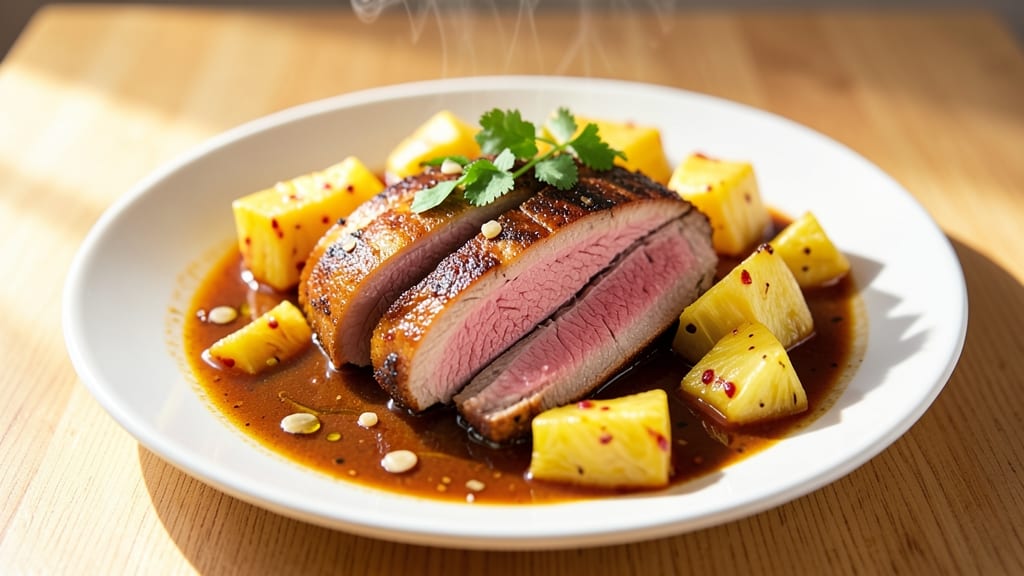
This adobo-style pork with pineapple delivers the perfect harmony of tangy, savory, and sweet flavors in one unforgettable dish. 🌟 The secret lies in marinating pork tenderloin with soy sauce, vinegar, and garlic before slow-braising it with pineapple chunks—transforming simple ingredients into restaurant-quality results. My version keeps the traditional Filipino technique while making it approachable for home cooks, with a caramelized sauce that clings to every bite.
The beauty of this recipe is its versatility—whether you grill, braise, or simmer, the pork stays tender and flavorful. The pineapple adds natural sweetness that balances the vinegar's sharpness, creating a sauce that's rich yet bright.
I've tested this with both fresh and canned pineapple, and both work beautifully, though fresh adds a juicier texture. The dish pairs perfectly with steamed jasmine rice or crispy fries to soak up every last drop of that sticky, aromatic sauce.
What makes this recipe stand out is how it elevates humble ingredients into something extraordinary. The pork becomes melt-in-your-mouth tender, while the pineapple caramelizes slightly, adding depth to each bite. The sauce reduces naturally as it cooks, intensifying the flavors without requiring constant stirring.
This is the kind of dish that tastes even better the next day, making it ideal for meal prep or feeding a crowd.
Ready in about 1 hour, this adobo-style pork with pineapple proves that Filipino comfort food doesn't require fancy techniques—just patience and the right balance of flavors. The result is a dish that's hearty, satisfying, and impossible to resist. Let's get cooking!
Ingredients for adobo recipe pork with pineapple
The perfect balance of sweet, savory, and tangy flavors starts with these 13 essential ingredients.
| Ingredient | Amount | Notes |
|---|---|---|
| Pork Tenderloin 🥩 | 1 ½ lb | Center-cut for even cooking |
| Fresh Pineapple Chunks 🍍 | 2 cups | Fresh or canned in juice |
| Soy Sauce 🍶 | ½ cup | Kosher or Diamond Crystal preferred |
| White Vinegar 💧 | ¼ cup | Distilled or apple cider |
| Garlic Cloves 🧄 | 6 cloves | Minced for marinade |
| Olive Oil 🫒 | 2 tbsp | Extra-virgin for richness |
| Brown Sugar 🍯 | ¼ cup | Light or dark variety |
| Black Peppercorns 🌶️ | 1 tsp | Freshly cracked preferred |
| Bay Leaves 🌿 | 2 whole | Dried for convenience |
| Ground Black Pepper 🌶️ | ½ tsp | Freshly ground for best flavor |
| Fresh Ginger 🌿 | 1 tbsp | Grated, fresh preferred |
| Salt 🧂 | 1 ½ tsp | Kosher or sea salt |
| Jasmine Rice 🍚 | 1 ½ cups | Uncooked, long-grain |
The pork tenderloin is non-negotiable here—center-cut ensures even cooking and melt-in-your-mouth tenderness. Most grocery stores carry it pre-trimmed, but if buying whole, look for a piece with good marbling for extra flavor. Costco and Whole Foods often have excellent cuts, but any well-stocked supermarket should suffice. Fresh pineapple is ideal for juiciness, but canned pineapple in juice works perfectly if you're short on time—just drain it well. The soy sauce should be Kosher or Diamond Crystal for the right balance of salt and umami, while the white vinegar adds the signature tang that defines adobo.
No fresh ginger? Powdered ginger at half the amount will work in a pinch, though fresh adds that bright, zesty kick. Substitute apple cider vinegar for white vinegar if you prefer a milder tang, but don’t skip it—the acidity is key to breaking down the pork. The brown sugar caramelizes beautifully as the sauce reduces, so don’t use white sugar unless you’re in a hurry. For a deeper flavor, toast the garlic and peppercorns in olive oil for 30 seconds before mincing—it’s worth the extra minute. If you’re serving this to a crowd, double the pineapple and pork—the sauce only gets better as it reduces.
Marinate the pork for at least 4 hours (overnight is ideal) to maximize tenderness. The sauce thickens as it simmers, so reduce heat to low after the first 20 minutes to prevent burning. Store leftovers in an airtight container in the fridge for up to 5 days, though it reheats best when warmed gently in the sauce. For meal prep, portion the pork and sauce separately—the sauce reheats beautifully, while the pork stays juicy when warmed through. Freeze for up to 3 months if you’re planning ahead, but the flavors peak after 24 hours of resting.
Why You'll Love This Recipe
- One-Pan Magic: I swear by this—just toss the pork, pineapple, and a handful of garlic in one pan, pour on the soy and vinegar, and walk away. The tenderloin stays juicy while the pineapple caramelizes into sweet-tart perfection without a single extra dish.
- Sweet-Savory Balance: That tangy adobo sauce cuts through the pork’s richness, but the pineapple? It’s the MVP. The acidity brightens everything, and the caramelized chunks add a chewy contrast that makes every bite feel like a little flavor party.
- Weeknight or Party: Between us, this is my lazy dinner and my crowd-pleaser. For weeknights, it’s ready in 30 minutes. For guests, double the recipe—it’s hearty enough for leftovers but fancy enough to serve with rice and a side salad.
- Budget-Friendly Powerhouse: Pork tenderloin is lean but satisfying, and pineapple stretches the meal further than you’d think. The soy and vinegar cost pennies, and the garlic? You already have it. Plus, leftovers reheat like a dream—no drying out, just that same addictive tang.
Step-by-step instructions for adobo-style pork with pineapple
Master this Filipino-inspired dish with perfectly balanced sweet-savory flavors and tender pork.
🍳 Step 1: Sear the Pork Tenderloin
Heat the 2 tablespoons olive oil in a large Dutch oven or deep skillet over medium-high heat. Pat the 1.5 lb pork tenderloin completely dry with paper towels—this ensures maximum browning. Season both sides generously with 1 teaspoon salt and 0.5 teaspoon ground black pepper.
Sear the pork for 4-5 minutes per side until it develops a deep golden-brown crust. You'll know it's ready when it releases easily from the pan. Remove the pork and set it aside on a plate—it'll continue cooking in the sauce. The seared crust locks in juices and forms the flavor foundation.
👨🍳 Step 2: Build the Adobo Marinade
In the same Dutch oven, reduce heat to medium and add the 6 cloves minced garlic and 1 tablespoon grated fresh ginger. Sauté for 30 seconds until fragrant—don't let them burn. Add the 2 whole bay leaves and stir for 10 seconds to release their aroma.
Pour in the 0.5 cup soy sauce and 0.25 cup white vinegar, scraping up any browned bits from the bottom. Add the 0.25 cup brown sugar and 1 teaspoon cracked black peppercorns. Bring to a gentle simmer and cook for 2 minutes until slightly reduced. This marinade base carries all the sweet-savory complexity of the dish.
🥘 Step 3: Cook the Pork and Pineapple Together
Return the seared pork to the Dutch oven and add the 2 cups fresh pineapple chunks. Pour in enough water to come about halfway up the pork (about 1 cup). Bring to a gentle boil, then reduce heat to low, cover, and simmer for 25-30 minutes until the pork reaches 145°F internally and is fork-tender.
The pineapple adds natural sweetness that balances the tangy adobo sauce while keeping the pork moist. Stir occasionally to prevent sticking, and if the liquid reduces too much, add 1-2 tablespoons water to maintain a light sauce consistency. The pork should be tender enough to pull apart easily with two forks.
🍚 Step 4: Prepare the Jasmine Rice
While the pork cooks, rinse the 1.5 cups jasmine rice under cold water until the water runs clear. This removes excess starch for fluffier rice. In a separate pot, combine the rice with 3 cups water and 1 teaspoon salt. Bring to a boil, then reduce heat to low, cover, and simmer for 15 minutes. Remove from heat and let sit covered for 10 minutes—this steaming method creates perfectly separate grains.
Don't peek during cooking or stir the rice—both disrupt the even cooking process. The rice should be tender with no liquid remaining when ready. Fluff with a fork before serving alongside the pork.
🔪 Step 5: Finish and Serve
Once the pork is fully cooked, remove it from the sauce and let it rest for 5 minutes on a cutting board. This resting period allows juices to redistribute, preventing dryness when sliced. Skim off any excess fat from the sauce if desired, then adjust seasoning if needed—add a splash of water if the sauce is too thick.
Slice the pork into ½-inch thick medallions and serve over the jasmine rice with the pineapple-adobo sauce spooned generously on top. Garnish with additional pineapple chunks if desired. The perfect balance of sweet pineapple, tangy vinegar, and savory soy creates a harmonious bite in every mouthful.
Pro Tips For Making Adobo Recipe Pork With Pineapple
- SEAR THE GARLIC FIRST: I learned this the hard way—don’t just toss raw garlic into the vinegar and soy. Sauté the minced garlic in a dry pan for 30 seconds until it’s golden and fragrant before adding any liquid. That deep, nutty aroma carries through the whole dish, especially when paired with the pineapple.
- CUT PINEAPPLE SMALL: Fresh pineapple chunks should be bite-sized, no bigger than 1-inch pieces. Larger chunks stay undercooked in the adobo sauce, while smaller pieces soak up the tangy-sweet flavors evenly. If you’re using canned pineapple, drain it well—syrupy juice dilutes the sauce.
- SIMMER LOW AND LONG: This isn’t a fast braise. After the initial sear, keep the heat at a gentle simmer (tiny bubbles, not a rolling boil) for at least 45 minutes. Rushing it leaves the pork dry, and the sauce won’t meld properly. Cover the pan halfway through to trap steam—your pork will stay juicy.
- SALT THE PORK TWICE: Season the pork tenderloin generously before searing, but don’t stop there. After the sauce comes together, taste it and add a pinch of salt (or a splash of soy) 10 minutes before the end. The vinegar pulls moisture out, so you’ll need to replenish the seasoning—trust me, it makes a real difference.
Make-ahead tips for adobo recipe pork with pineapple
Marinate Ahead
Marinate the pork for at least 4 hours (overnight is ideal) to maximize tenderness and flavor infusion. I often prep this the night before—just store the pork in a ziplock bag with the marinade ingredients in the fridge.
The longer it marinates, the more the vinegar and soy break down the proteins, resulting in fork-tender meat. Don't skip this step, even if you're short on time—2 hours minimum still makes a noticeable difference. 💫
Sauce Prep
Make the adobo sauce base 1 day ahead and store it in an airtight container in the fridge. The flavors deepen as it sits, and you can adjust the balance of sweet and tangy to your taste.
When ready to cook, simply add the seared pork and pineapple to the pre-made sauce. This shortcut saves you 20 minutes of active cooking time while intensifying the overall flavor. I like to double the sauce for leftovers—it reheats beautifully.
Pineapple Prep
Cut the pineapple into 1-inch chunks and store them in a separate container with a splash of lemon juice to prevent browning. This keeps the fruit fresh and vibrant for up to 3 days in the fridge.
When you're ready to cook, simply toss the pineapple into the simmering sauce. For extra convenience, use pre-cut frozen pineapple chunks—they thaw quickly and add moisture to the dish without extra prep. 🍍
Slow Cooker Option
For a hands-off approach, marinate the pork as directed, then transfer everything (including the sauce and pineapple) to a 6-quart slow cooker. Cook on low for 6-8 hours or high for 3-4 hours until the pork reaches 145°F.
This method is perfect for busy days—just set it and forget it. The slow cooking enhances the tenderness, and the sauce thickens naturally. I use this when I'm hosting dinner parties and need to focus on other tasks.
Leftovers Strategy
Store leftovers in airtight containers with the pork and sauce separated. Reheat the sauce alone first, then add the pork to warm through gently—this prevents drying. The sauce reheats beautifully, while the pork stays juicy when warmed through in its own juices.
This dish actually tastes better the next day as the flavors meld further. Portion into single-serving containers for easy grab-and-go meals during the week. 💡
Freezer-Friendly
Freeze the cooked pork and sauce separately in ziplock freezer bags with 1 inch of headspace for expansion. Label with the date—this dish freezes well for up to 3 months.
To serve, thaw overnight in the fridge, then reheat the sauce and pork together on the stovetop over low heat. The texture remains tender, and the flavors stay vibrant. I often make a big batch and freeze portions for quick weeknight dinners. ❄️
Nutrition facts
Frequently asked questions
Can I use chicken instead of pork in this recipe?
Yes! Chicken thighs work beautifully in this dish—they stay juicy while absorbing the adobo flavors. Use 2 boneless, skinless chicken thighs per serving and reduce cooking time to 20-25 minutes after searing. Chicken breast requires 15 minutes maximum to avoid drying out. The pineapple's acidity complements chicken perfectly, creating a lighter yet equally flavorful dish.
What's the best way to store leftovers?
Store leftovers in an airtight container with the pork and sauce separated. The sauce reheats beautifully, while the pork stays juicy when warmed through gently in its own juices. This dish actually tastes better the next day as flavors meld further. Portion into single-serving containers for easy grab-and-go meals during the week.
Can I make this in a slow cooker?
Marinate the pork as directed, then transfer everything (including sauce and pineapple) to a 6-quart slow cooker. Cook on low for 6-8 hours or high for 3-4 hours until pork reaches 145°F. This hands-off method enhances tenderness and lets flavors develop naturally. Perfect for busy days—just set it and forget it!
Why does my adobo sauce turn out too thin?
This usually happens when the liquid isn't reduced enough. Simmer uncovered for 10-15 extra minutes to thicken naturally. If needed, remove the pork and reduce the sauce alone over medium-high heat until syrupy. For future batches, add 1 tablespoon cornstarch mixed with water as a last-minute thickener. The sauce should coat the back of a spoon!
What's the best rice to serve with this?
Jasmine rice is ideal—its delicate aroma complements the dish's bold flavors. For extra texture, try steamed basmati or even crispy fried rice to soak up the sauce. Pro tip: Cook rice with 1 teaspoon salt in the water for perfect seasoning. The rice should be fluffy and separate for the best texture contrast.