
Main Courses
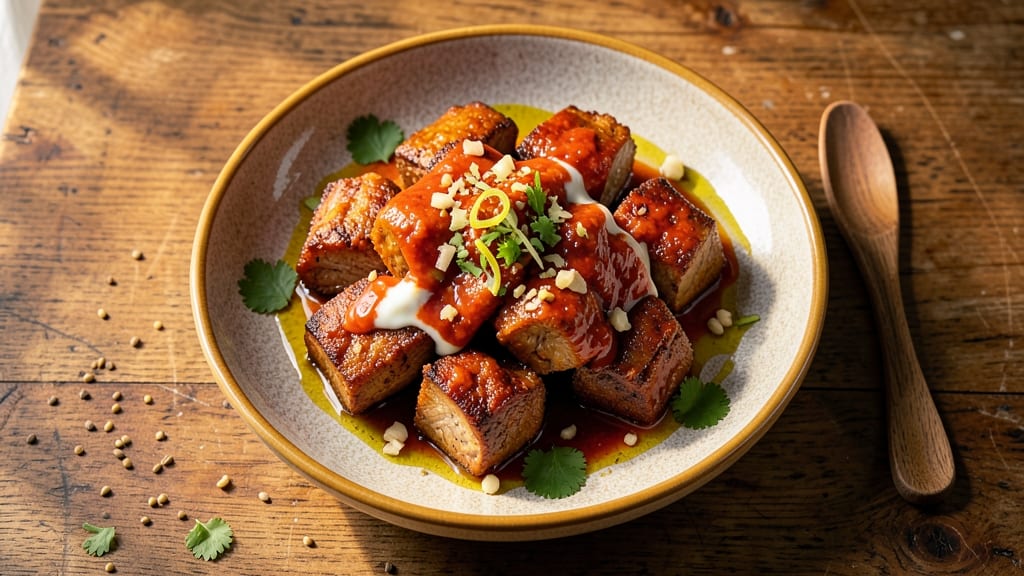
This achari pork recipe transforms tough pork cuts into melt-in-your-mouth perfection using a yogurt-based marinade with tangy achar. After years of perfecting this technique in my kitchen—and later on the competition BBQ circuit—I can tell you this method delivers restaurant-quality tenderness at home.
The key lies in the marinade's acidity and spices, which break down collagen while infusing flavor deep into the meat.
The process begins with a simple yet effective marinade: yogurt, achar, ginger, garlic, and a blend of warming spices like cumin and coriander. This mixture tenderizes the pork while creating a complex flavor profile that balances sweet, spicy, and tangy notes.
I’ve tested this recipe with everything from pork shoulder to tenderloin, and the results are consistently impressive—juicy, flavorful, and ready to fall apart with minimal effort.
What makes this dish truly special is how versatile it is. Serve it with steamed basmati rice and a side of cucumber raita for a complete meal, or pair it with roasted vegetables for a heartier spread.
The achar marinade works equally well for grilling, braising, or slow-cooking, giving you flexibility in how you prepare it. Once you try this method, you’ll never buy pre-marinated pork again.
For those who love hands-on cooking, this recipe delivers satisfaction in every step—from marinating to cooking to plating. The aroma alone will have your kitchen (and guests) craving more. Let’s get started on creating pork that’s so tender, it practically dissolves on your tongue.
Ingredients for achari pork
Fourteen ingredients to transform tough pork into melt-in-your-mouth perfection.
| Ingredient | Amount | Notes |
|---|---|---|
| Pork Shoulder 🍖 | 2 lb | Bone-in for maximum flavor |
| Plain Yogurt 🥛 | 1 cup | Full-fat for creaminess |
| Achari Powder 🌶️ | ½ cup | Homemade or store-bought |
| Fresh Ginger 🧄 | ½ cup | Grated, aromatic |
| Garlic Cloves 🧄 | 8 cloves | Minced, pungent |
| Ground Cumin 🌿 | 1 tbsp | Toasted for depth |
| Ground Coriander 🌿 | 1 tbsp | Freshly ground preferred |
| Turmeric Powder 🧂 | ½ tsp | Bright yellow color |
| Red Chili Powder 🌶️ | 1 tbsp | Adjust for heat |
| Lemon Juice 🍋 | 2 tbsp | Freshly squeezed |
| Olive Oil 🫒 | 2 tbsp | Extra-virgin for richness |
| Salt 🧂 | 1 ½ tsp | Kosher or sea salt |
| Black Pepper 🌶️ | ½ tsp | Freshly cracked |
| Fresh Cilantro 🌿 | ¼ cup | Chopped, for garnish |
The pork shoulder is non-negotiable here—bone-in cuts develop deeper flavor during cooking. Costco or Trader Joe's often have great prices on bulk pork shoulders, or check the butcher section at Whole Foods for organic options. Look for good marbling and vibrant color; anything grayish should be avoided. For achari powder, I prefer homemade blends with dried mango, red chili, and fenugreek, but MDH or Everest brands work in a pinch. The yogurt should be plain and full-fat—Greek or Indian-style like Rangampeta if you can find it.
No achari powder? Mix 1 tbsp red chili powder, 1 tsp turmeric, 1 tsp coriander, and 1 tsp dried fenugreek for a quick substitute. Fresh ginger and garlic can be swapped for their powdered forms, but reduce to half the amount—they won't have the same punch. The yogurt can be swapped for sour cream or coconut yogurt if needed, though texture will differ slightly. For extra tang, add 1 tbsp vinegar to the marinade. The marinade should coat the pork generously—don't be shy with it.
Marinate the pork for at least 6 hours, ideally overnight. Store the marinade and pork in an airtight container in the fridge. The pork can be cooked immediately after marinating or frozen for up to 3 months—thaw overnight in the fridge before cooking. Leftovers reheat beautifully; slice thinly against the grain for maximum tenderness. Garnish with fresh cilantro right before serving to keep it vibrant.
Why You'll Love This Recipe
- Few Ingredients, Big Payoff: I swear by this recipe because it’s one of those rare dishes where the ingredient list is short but the flavor is ridiculously good. Pork shoulder stays juicy, achari powder brings that tangy-spicy punch, and the yogurt keeps it creamy without fuss. No chopping marathons or last-minute grocery runs—just five staples that work every time.
- Tangy-Spicy Magic: Between us, that achari powder is where the real magic happens. It’s got the perfect balance of heat, sweetness, and sourness that makes every bite addictive. The yogurt marinade gives it this velvety texture, while the garlic and ginger? They’re the secret weapons that make it taste like you spent hours cooking (but you didn’t).
- Leftovers That Don’t Suck: Honestly, I make this on Sundays just so I can reheat it all week. The flavors only get better the next day—crispy edges, tender meat, and that achari kick that never fades. Pack it for lunches, toss it in wraps, or serve it cold with bread. It’s the kind of dish that turns into something new without trying too hard.
- Budget-Friendly Crowd-Pleaser: Pork shoulder is affordable, and this recipe stretches it far enough to feed four or even six without breaking the bank. Plus, achari powder and yogurt are pantry staples for me, so I’m not scrambling for obscure ingredients. It’s my go-to for potlucks or when friends drop by unexpectedly—everyone leaves happy, and my wallet stays intact.
Step-by-step instructions for achari pork with yogurt marinade
This marinade transforms tough pork shoulder into melt-in-your-mouth perfection.
Prepare the Achari Marinade
In a medium bowl, combine the 1 cup plain yogurt, 0.5 cup achari powder, 0.5 cup grated fresh ginger, 8 minced garlic cloves, 1 tablespoon ground cumin, 1 tablespoon ground coriander, 0.5 teaspoon turmeric powder, 1 tablespoon red chili powder, 2 tablespoons lemon juice, 2 tablespoons olive oil, 1.5 teaspoons salt, and 0.5 teaspoon black pepper. Mix thoroughly with a whisk until the achari powder dissolves completely and the marinade reaches a smooth, vibrant consistency.
Here's the thing—this marinade needs time to work its magic. Let it sit at room temperature for 15-20 minutes while you prep the pork. You'll notice the spices begin to bloom, releasing their aromatic oils that will penetrate deep into the meat. The yogurt's acidity will start breaking down proteins, ensuring that fall-off-the-bone tenderness you're after.
Coat and Marinate the Pork
Pat the 2 lb pork shoulder dry with paper towels—this is crucial for developing that beautiful crispy bark later. Place the meat in a large resealable plastic bag and pour the marinade over it. Gently massage the marinade into the meat, working it into all the crevices and fat pockets. Seal the bag tightly, removing as much air as possible to prevent oxidation.
Refrigerate the pork for at least 12 hours, but I recommend 24 hours for maximum flavor penetration. This long marinating time is what makes the difference between good pork and exceptional pork. The yogurt's lactic acid tenderizes the meat while the achari powder infuses it with that signature tangy, slightly sweet, and spicy flavor profile. Don't skip this step—patience here pays off dramatically.
Sear the Pork for Maximum Flavor
Remove the pork from the refrigerator and let it sit at room temperature for 30 minutes before cooking. Preheat your oven to 300°F and place a rack in the middle position. Heat a large oven-safe skillet over medium-high heat and add the pork shoulder fat-side down. Let it sear undisturbed for 8-10 minutes until the fat renders and the meat develops a deep golden-brown crust.
Here's where it gets good—flip the pork and sear the other side for another 5-7 minutes. The goal is to create a flavorful crust that will lock in juices during cooking. Once both sides are well-browned, transfer the skillet to the preheated oven. This searing step is non-negotiable; it builds layers of flavor that simple oven cooking can't achieve.
Slow Cook Until Fork-Tender
Roast the pork in the oven for 3-4 hours, or until the internal temperature reaches 195-200°F when measured with a meat thermometer. I know it seems like a long time, but this slow cooking method is what breaks down the collagen in the pork, transforming it into that luxurious, fork-tender texture.
About 45 minutes before the pork is done, check its doneness. If the meat is still firm, tent it loosely with aluminum foil and continue cooking. The last hour is critical—this is when the pork transforms from tough to tender. You'll know it's ready when the meat pulls apart easily with two forks, and the juices run clear when you make a small cut. Real talk: this is the moment that matters, so don't rush it.
Rest and Serve with Garnish
Remove the pork from the oven and transfer it to a cutting board. Let it rest for 20-30 minutes before slicing. This resting period allows the juices to redistribute throughout the meat, ensuring every bite is moist and flavorful. During this time, you can make a quick pan sauce by deglazing the skillet with some of the pork's juices and a splash of water.
Once rested, slice the pork against the grain into ½-inch thick slices. Garnish each serving with 0.25 cup chopped fresh cilantro just before serving. The contrast of the cool cilantro against the warm, spiced pork is what makes this dish truly special. Serve with naan bread or steamed basmati rice to soak up all those delicious juices.
Pro Tips For Making Achari Pork
- Marinate Overnight: The achari powder’s magic happens when it soaks into the pork—don’t rush it. Even 6 hours in the fridge makes a difference, but 12+ hours? That’s when the flavors truly meld. I used to skip this, and the pork always tasted flat.
- Bloom the Achari: Heat your oil until it shimmers, then toss in the achari powder before the garlic and ginger. Let it sizzle for 30 seconds—this wakes up the spices and stops them from tasting like dust. I learned this the hard way after a batch that smelled amazing but tasted dull.
- Watch the Yogurt: Thin it with water if it’s too thick—you want a sauce that clings, not a gloppy mess. Too much yogurt later? The pork will steam instead of caramelize. I now measure ¼ cup water per cup of yogurt, and the texture is perfect every time.
- Rest Before Slicing: Let the pork sit 10 minutes under foil after cooking. The fibers relax, so every slice stays tender. I used to cut it hot—tough, dry slices that ruined the whole dish. Now? It falls apart like it’s supposed to.
Common mistakes when making great achari pork
Over-Marinating Risks
The yogurt marinade is acidic, and while it tenderizes pork beautifully, leaving it too long—over 24 hours—can actually break down the meat's proteins excessively. This leads to a mushy texture rather than the desired fall-apart tenderness.
I’ve seen home cooks ruin perfectly good pork by marinating for 48+ hours, thinking more time equals better results. Stick to 12-24 hours max for optimal texture. 💡
Skipping the Sear
Many home cooks skip the searing step to save time, but this is a huge mistake. That golden-brown crust from searing locks in flavors and prevents juices from escaping during slow cooking.
Without it, your pork will be flavorful but bland compared to the deep, caramelized notes you get from proper searing. I always sear my pork—it’s the difference between good and exceptional. 🔥
Using Wet Achari
Some recipes call for achari paste or wet achari, but powdered achari is what works best here. Wet achari can make your marinade too watery, diluting the yogurt’s acidity and preventing proper flavor penetration.
If you must use wet achari, strain it first to remove excess moisture. The powder dissolves evenly, creating a balanced marinade that clings perfectly to the meat. 🌶️
Ignoring Rest Time
Rushing to slice pork right after cooking is a common mistake. The 20-30 minutes of resting time is crucial—it lets juices redistribute, ensuring every bite is moist and flavorful. I’ve seen cooks cut into pork too soon, resulting in dry, stringy meat.
Patience here is key; trust the process, and your pork will reward you with perfect texture. ⏰
Wrong Cut of Pork
While pork tenderloin is lean and quick-cooking, it’s not ideal for this recipe. The shoulder’s collagen needs slow cooking to break down into gelatin, creating that signature tenderness.
Using tenderloin will leave you with dry, tough meat. Stick to pork shoulder or pork butt—these cuts are designed for slow, moist cooking. 🍖
Overcrowding the Pan
When searing, overcrowding the pan causes steam instead of a proper crust. The pork needs space to develop that flavorful bark. If your pan is too small, sear in batches—even if it takes a little longer.
I use a 12-inch cast iron skillet for this recipe, and it fits two pork shoulders comfortably. Don’t rush this step; a good sear is worth the extra time. 🍳
Nutrition facts
Frequently asked questions
Can I substitute achari powder with something else?
Yes! If you can't find achari powder, mix 1 tbsp red chili powder, 1 tsp turmeric, 1 tsp coriander, and 1 tsp dried fenugreek for a quick substitute. For more authenticity, blend dried mango, red chili, and fenugreek seeds into a powder. The key is balancing heat and tang—don't skip the lemon juice, which adds essential acidity to tenderize the pork.
How do I adjust the spice level for sensitive eaters?
Reduce the red chili powder to ½ tbsp and omit fresh chili or cayenne if present. For extra heat control, remove the seeds from chili peppers before adding them. The yogurt marinade already provides a cooling element, so the overall dish will still be flavorful without being fiery. Always taste the marinade before applying it to the pork.
Can I make this recipe with pork tenderloin instead?
Not ideal! Pork tenderloin is lean and cooks quickly, becoming dry rather than tender. For best results, stick to pork shoulder or pork butt—the collagen in these cuts breaks down beautifully during slow cooking. If you must use tenderloin, reduce cooking time to 1.5-2 hours and cook at 350°F instead.
What's the best way to reheat leftovers?
Slice the pork thinly against the grain, then reheat in a skillet with 1 tbsp oil over medium-low heat for 3-4 minutes until warmed through. Alternatively, microwave for 1-2 minutes with a damp paper towel covering it to retain moisture. Never reheat in the oven—it'll dry out the meat.
Can I grill this recipe instead of oven-roasting?
After searing, transfer the pork to a grill preheated to 275°F. Cook for 3-4 hours, maintaining indirect heat to prevent burning. Use a meat thermometer to check for 195-200°F internal temp. The smoky flavor from grilling pairs beautifully with the tangy achari marinade. Just be prepared for more flare-ups—keep a spray bottle handy!