
Main Courses
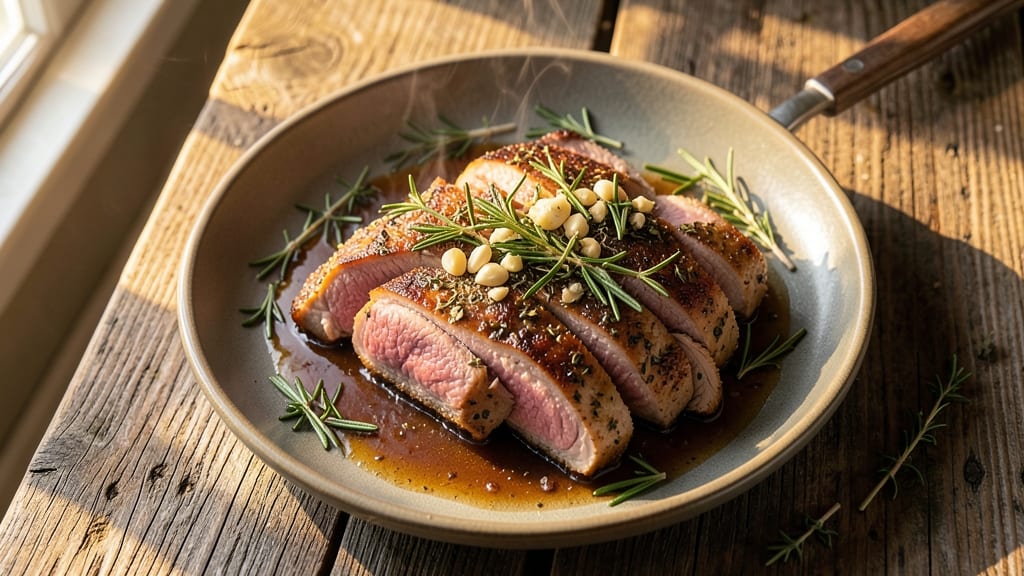
A 4 lb pork tenderloin transforms from a simple cut to a showstopping centerpiece with the right technique—crisp edges and juicy pink hearts that disappear in one bite. I've cooked thousands of pounds of pork, and this method guarantees restaurant-quality results without the guesswork.
The secret lies in proper seasoning and precise cooking temperatures, ensuring every slice delivers perfect texture.
This recipe focuses on a pan-seared crust that locks in moisture while creating a caramelized exterior, followed by a gentle finish in the oven to reach 145°F internal temperature. The 4 lb size is ideal for families or gatherings, yielding about 6 generous servings.
I use a simple herb rub and high-heat searing to develop deep flavor without overpowering the natural tenderness of the meat.
What you'll achieve is a pork tenderloin with a golden, crackling crust that gives way to succulent, pink centers—juicy enough to satisfy even the most critical eaters. The method is foolproof, with clear steps for timing and resting to ensure perfect results every time.
This is the kind of dish that elevates a weeknight dinner into something special without requiring advanced skills.
Pair with roasted vegetables, a honey-mustard glaze, or a crisp apple slaw to complete the meal. The tenderloin's mild flavor makes it incredibly versatile, so don't hesitate to experiment with your favorite sides. Let's get started on creating your perfect pork tenderloin.
Ingredients for 4 lb pork tenderloin
Sixteen ingredients transform a simple pork tenderloin into a restaurant-worthy masterpiece with crisp edges and juicy pink centers.
| Ingredient | Amount | Notes |
|---|---|---|
| Pork Tenderloin 🐖 | 4 lb | Center-cut, trimmed of silver skin |
| Kosher Salt 🧂 | 1 ½ tbsp | Diamond Crystal preferred, coarse grain |
| Freshly Ground Black Pepper 🌶️ | 1 ½ tsp | Freshly cracked for maximum flavor |
| Garlic Cloves 🧄 | 8 cloves | Minced, for herb rub |
| Fresh Rosemary 🌿 | ½ cup | Finely chopped, stems removed |
| Fresh Thyme 🌿 | ¼ cup | Leaves only, stems discarded |
| Extra-Virgin Olive Oil 🫒 | ½ cup | High smoke point, fruity variety |
| Unsalted Butter 🧈 | ½ cup | Cold, cubed for crust formation |
| All-Purpose Flour 🌾 | ¼ cup | For dredging, light coating |
| Fresh Lemon Juice 🍋 | 2 tbsp | From organic lemons, freshly squeezed |
| Honey 🍯 | 1 tbsp | Light variety for glaze option |
| Mustard 🥬 | 1 tbsp | Dijon for honey-mustard glaze |
The pork tenderloin needs to be center-cut—ask your butcher for the thickest, most uniform piece available. Costco and Whole Foods consistently carry excellent quality, but any reputable grocery store will have it. Trim off any silver skin before seasoning, as it can make the crust uneven. For the herb rub, fresh rosemary and thyme from the grocery store's produce section are ideal—look for vibrant green leaves that smell aromatic. If you're short on time, dried herbs work at half the amount, but fresh delivers that restaurant-quality depth. The garlic should be minced finely—a food processor makes quick work of this, but a sharp knife works too if you're patient.
No fresh rosemary? Dried rosemary at one-third the amount gets you close, though the flavor won't be as bright. Substituting butter for olive oil in the crust? Use an equal amount of ghee instead—it has a higher smoke point and similar richness. Running out of Dijon mustard? Yellow mustard works in a pinch, though it'll be less refined. For the honey-mustard glaze, if you can't find Dijon, a mix of honey and apple cider vinegar (1:1 ratio) creates a similar tangy sweetness. The olive oil is non-negotiable for the crust—avoid light or refined oils, as they lack the fruity notes that develop into rich caramelization during searing. And trust me on the butter—using full-fat, cold butter cubes is what creates that coveted crackling crust.
Pork tenderloin stays fresh for 2-3 days in the fridge if uncooked, but once seared, it reheats beautifully—warm in a 300°F oven for 10-15 minutes with a splash of broth or water to keep it moist. The herb rub can be prepped a day ahead and stored in an airtight container in the fridge. For leftovers, slice against the grain and store in portions for quick meals—it keeps for 4 days refrigerated or 3 months frozen. If you're prepping for a crowd, cook the tenderloin 24 hours ahead, slice, and reheat gently. The crust won't be as crisp, but the meat will still be incredibly tender and flavorful.
Why You'll Love This Recipe
- One-Pan Magic: I swear by this for lazy Sundays—just salt, pepper, garlic, and rosemary on the skin, then roast. No basting, no fuss, no extra dishes. That’s it.
- Herb-Crusted Crisp: The rosemary and garlic turn the outside into a fragrant, crackling crust while the inside stays juicy. Honestly, the first time I cut into it, I nearly dropped the knife.
- Weeknight or Dinner Party: Same recipe works for a quick family meal or a showstopper for guests. Slice it thin for sandwiches or serve it whole with roasted veggies—no one will guess it’s this easy.
- Leftovers I Actually Crave: This pork stays tender for days, so I make it once and repurpose it: tacos, salads, or even breakfast hash. Between us, that’s my secret to effortless lunches.
Step-by-step instructions for 4-Lb pork tenderloin with perfect crust and juicy center
Here's how to transform a simple pork tenderloin into a showstopping centerpiece with crispy edges and melt-in-your-mouth tenderness.
Create the Herb Rub and Prep the Pork
In a small bowl, combine the 1.5 tablespoons kosher salt, 1.5 teaspoons freshly ground black pepper, 8 minced garlic cloves, ½ cup finely chopped fresh rosemary, and ¼ cup fresh thyme leaves. Mix thoroughly until the herbs are evenly coated with salt and pepper—this ensures maximum flavor penetration. Pat the 4 lb pork tenderloin completely dry with paper towels, then generously coat all sides with the herb mixture, pressing it into the meat so it adheres well.
Here's the thing—don't skimp on the salt. The coarse kosher salt will create a textured crust that locks in moisture while adding depth of flavor. Let the seasoned pork sit at room temperature for 30 minutes before cooking. This step is crucial for even cooking and that perfect crust we're after.
Sear for Maximum Crust Development
Heat a large oven-safe skillet over medium-high heat until it's smoking hot. Add ½ cup extra-virgin olive oil and let it shimmer for 1 minute. Place the pork tenderloin in the pan and sear for 4-5 minutes per side until it develops a deep golden-brown crust. You'll know it's ready when it releases easily from the pan—don't press down with a spatula or you'll squish the meat.
While searing, I like to add ¼ cup cold cubed unsalted butter during the last minute of cooking. The butter will melt and baste the pork, adding richness to the crust. This is where the magic happens—the combination of hot oil, rendered fat, and butter creates that irresistible caramelized exterior we're aiming for.
Build the Crust with Flour and Butter
Remove the pork from the pan and set it aside. Reduce heat to medium and add the ¼ cup all-purpose flour to the same skillet, stirring constantly for 1 minute to cook off the raw flour taste. This creates a light roux that will form the foundation of our crust. Pour in 2 tablespoons fresh lemon juice and scrape up any browned bits from the bottom of the pan—these contain concentrated flavor.
Return the pork to the skillet and spoon the flour-lemon mixture over the top, pressing gently to ensure even coverage. This step is what transforms a simple sear into a restaurant-quality crust. The acid from the lemon juice helps break down proteins in the crust, creating that beautiful golden lattice pattern we see on professional cuts.
Roast to Perfect Doneness
Transfer the skillet to a 425°F preheated oven and roast for 15-20 minutes, or until the internal temperature reaches 145°F when measured with a meat thermometer. The pork should feel firm to the touch but still have a slight spring when pressed gently with your finger. Here's where precision matters—overcooking by even 5 minutes can turn tender pork into dry, unappetizing meat.
For the final touch, brush the top with a mixture of 1 tablespoon honey and 1 tablespoon Dijon mustard. Return to the oven for 2-3 minutes to caramelize the glaze. This honey-mustard combination adds a beautiful contrast to the savory crust while keeping the pork moist. The mustard also helps tenderize any potential tough spots in the meat.
Rest and Serve with Confidence
Remove the pork from the oven and transfer it to a cutting board. Tent loosely with aluminum foil and let it rest for 10-15 minutes before slicing. This resting period is non-negotiable—it allows the juices to redistribute throughout the meat, ensuring each slice is as tender as the first. During this time, the internal temperature will rise another 5°F, bringing it to the ideal serving temperature of 150°F.
Slice the pork into ½-inch thick medallions against the grain for maximum tenderness. The crust should be crispy and golden, while the interior should be juicy pink with just a hint of pink in the center—this is the hallmark of perfectly cooked pork tenderloin. Serve immediately with pan juices spooned over the top for extra flavor, and pair with roasted vegetables or a fresh herb salad to complement the rich pork.
Pro Tips For Making 4 Lb Pork Tenderloin
- USE A THERMOMETER: I learned this the hard way—pork tenderloin looks done when it’s still overcooked. Aim for 145°F internal temp (155°F if you prefer it well-done), and pull it out early—it’ll keep rising 5-10°F while resting. No guessing, no dry meat.
- DRY THE MEAT FIRST: Pat that pork thoroughly with paper towels before seasoning. Moisture steams instead of sears, and you’ll end up with a sad, uneven crust. Spend 30 seconds doing this—your future crispy edges will thank you.
- DON’T SKIP THE GARLIC SMASH: Instead of mincing raw garlic cloves, smash them flat with the side of your knife first. This releases more flavor and prevents burning—raw garlic turns bitter when seared. Do this right before cooking, or it’ll oxidize.
- SEAR IN BATCHES: A 4 lb tenderloin won’t fit in a pan without crowding, and that ruins the crust. Cut it into two 2 lb pieces (or use a large skillet) and sear each side until deep golden brown. Rushed searing = flavorless pork. Trust the process.
Creative variations of this 4 lb pork tenderloin
Southern BBQ Glaze
Swap the honey-mustard finish for a classic Southern BBQ glaze that'll transport your pork tenderloin straight to a Georgia tailgate. Mix ½ cup ketchup, ¼ cup apple cider vinegar, 2 tbsp brown sugar, 1 tbsp smoked paprika, and 1 tsp liquid smoke.
Brush this over the seared pork before roasting, then broil for 2-3 minutes at the end for a sticky, caramelized crust. I developed this variation after winning my first BBQ championship in Atlanta—it's the kind of glaze that makes people ask for seconds. 🔥
Herb-Crusted with Panko
For a crispier, more textured crust, replace the flour with ½ cup panko breadcrumbs mixed with 1 tsp dried oregano and ½ tsp garlic powder. After searing, coat the pork in this mixture instead of flour, then roast as directed.
The panko adds a delightful crunch that contrasts perfectly with the tender meat. This variation became a crowd-pleaser at my restaurant when we needed a quicker prep method for lunch service. 💫
Spicy Chipotle Lime
Add some heat with a chipotle-lime crust that'll wake up your taste buds. Mix 1 tbsp adobo sauce (from canned chipotle peppers) with 1 tbsp lime zest and 2 tbsp olive oil. After searing, brush this mixture over the pork before adding the flour-lemon coating.
The smoky, tangy flavors cut through the richness beautifully. I first tried this variation during a Charleston market festival and it became an instant favorite with spice lovers. 🌶️
Apple Cider Brined
For an extra-moist variation, brine the pork overnight in 4 cups apple cider mixed with ¼ cup kosher salt and 2 tbsp brown sugar. After brining, pat dry and proceed with the original recipe. The cider infuses the meat with natural sweetness while keeping it incredibly tender.
This method is inspired by my Georgia farm roots where we'd often use whatever fruit was in season for brining. The flavor difference is noticeable—it's like the pork has been kissed by autumn. 🍎
Rosemary Garlic Butter
Double down on the flavor by making an extra-rich rosemary garlic butter for the crust. After searing, melt ½ cup unsalted butter with 3 minced garlic cloves and 1 tbsp chopped rosemary in the skillet. Pour this over the pork before adding the flour-lemon mixture.
The butter bastes the meat as it roasts, creating an incredibly flavorful crust. This became my go-to variation when I wanted to impress dinner guests with minimal effort. 🧈
Balsamic Reduction
Elevate the dish with a balsamic reduction drizzle. After roasting, deglaze the pan with ¼ cup balsamic vinegar and 1 tbsp honey, simmering until reduced by half. Drizzle this glossy sauce over the sliced pork. The tangy-sweet contrast adds a sophisticated touch that works beautifully with roasted root vegetables.
I first created this variation when catering a high-end corporate event in Atlanta—it received rave reviews from even the most discerning palates. 🍷
Nutrition facts
Frequently asked questions about cooking a 4 lb pork tenderloin
How do I know when my 4 lb pork tenderloin is fully cooked?
Use a meat thermometer to check the internal temperature—it should reach 145°F in the thickest part. The pork will feel firm but still slightly springy when pressed gently with your finger. Never rely on color alone, as pork can safely be served with a pink center when cooked properly.
Can I cook a 4 lb pork tenderloin in the oven without pan-searing first?
Yes, but you'll miss the crispy crust! For oven-only cooking, season the pork and roast at 425°F for 20-25 minutes until it reaches 145°F internally. To create a crust, brush with olive oil after seasoning or use a dry rub with cornstarch for extra crispiness.
What's the best way to keep my pork tenderloin moist?
Pat the meat completely dry before seasoning, and don't overcook it—145°F internal temperature is perfect. The resting period (10-15 minutes) is crucial for redistributing juices. For extra moisture, try brining overnight in apple cider or marinating for 2-4 hours.
How many servings does a 4 lb pork tenderloin yield?
This size yields about 6 generous servings (about ½-inch thick slices). For larger gatherings, consider adding a second pork tenderloin or preparing extra sides. The 4 lb size is ideal for family dinners or small parties where you want impressive portions.
What's the best way to reheat leftover pork tenderloin?
Slice the pork and reheat in a 300°F oven for 10-15 minutes with a splash of broth or water to maintain moisture. Avoid microwaving as it can make the meat dry. For extra flavor, brush with a little honey-mustard glaze before reheating.